
Non-touristy things to do in Budapest
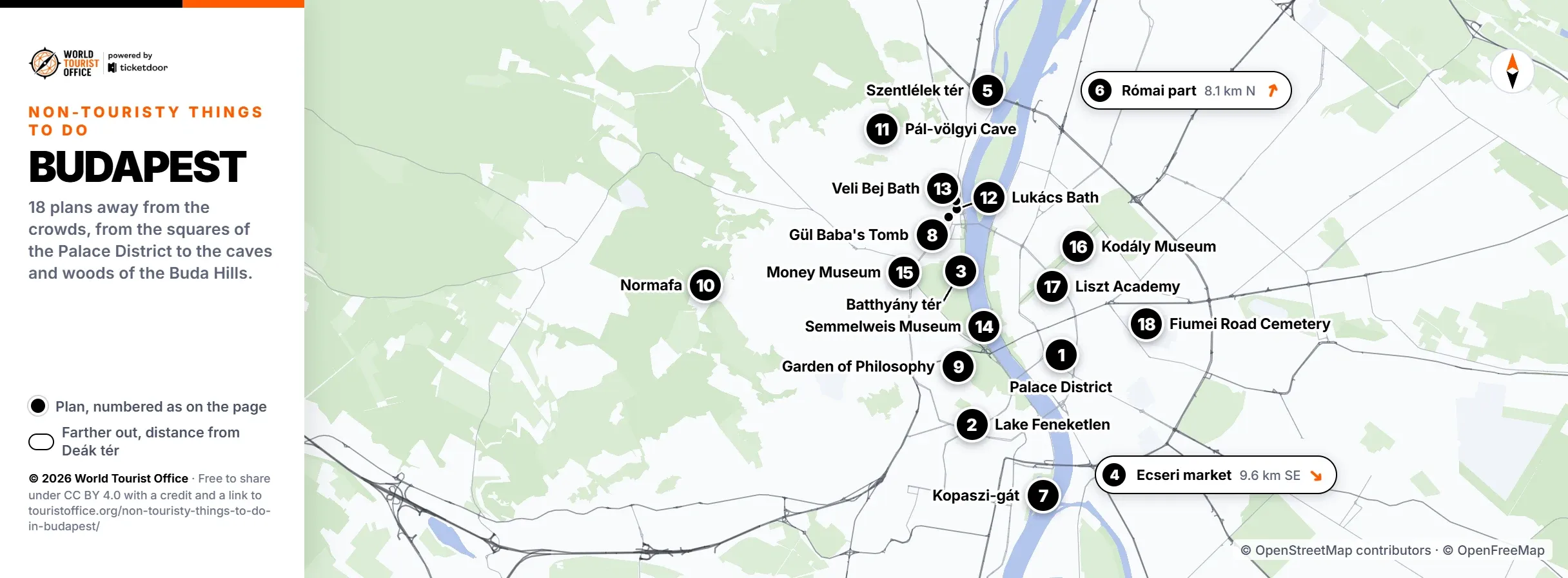
Download the free PDF with the map and a summary of the 18 plans: access, opening times and how to get there, ready to print or keep on the phone.
Non-touristy Budapest at a glance
Budapest away from Castle Hill and the Parliament is a city of neighbourhood boulevards, market halls, hill railways and old baths. These 18 non-touristy things to do in Budapest run from the Palace District to the Buda Hills, ordered by type of plan: neighbourhoods and markets first, then the river, the hills and a cave, two old neighbourhood baths, and last the small museums and a cemetery. The numbers are the same on the map above. The main sights are ranked in the guide to tourism in Budapest, and the tourist office in Budapest page lists where to ask for directions in person.
| Plan | Access | When |
|---|---|---|
| 1. Browse the Palace District and the reading rooms of the Szabó Ervin Library | Public space; library with a day ticket | Streets at any time; library Monday to Friday 10:00 to 20:00, Saturday 10:00 to 16:00, closed on Sundays |
| 2. Walk Bartók Béla út to Lake Feneketlen | Public space; cafés free with a drink or meal | Any day; cafés and galleries keep their own hours |
| 3. Shop the Batthyány tér market hall and walk Víziváros | Public space | Market hall hours vary by shop, closed on public holidays; church services on Sundays at 10:00 and 18:00 |
| 4. Hunt for socialist relics at the Ecseri flea market | Free admission | Monday to Friday 08:00 to 16:00, Saturday 05:00 to 15:00, Sunday 08:00 to 13:00; closed on public holidays |
| 5. Spend an afternoon in the museums of Szentlélek tér in Óbuda | Square public; museums ticketed | Vasarely Museum Wednesday to Sunday 10:00 to 18:00; Museum of Trade and Tourism Tuesday to Sunday 10:00 to 18:00 |
| 6. Walk the Danube bank at Római part | Public space | Any day; boat rental from April to October; farmers' market on Saturdays from 08:00 to 13:00 |
| 7. Spend a slow afternoon at Kopaszi-gát | Public space; bistros free with a drink or meal | Any day; water activities in summer |
| 8. Climb Gül Baba Street to the tomb and rose garden of Gül Baba | Free admission | Tuesday to Sunday 10:00 to 18:00; closed on Mondays |
| 9. Follow the Gellért Hill trails to the Garden of Philosophy | Public space | Daytime, any day |
| 10. Ride the Children's Railway through the Buda Hills to Normafa | Train ticketed; the forest is public space | Daily, except Mondays from the beginning of September to the end of April |
| 11. Squeeze through the passages of Pál-völgyi Cave | Ticketed, guided tour only | Tuesday to Sunday, tours every hour from 10:15 to 16:15; closed on Mondays |
| 12. Soak in the thermal pools of Lukács Bath | Ticketed | Daily 7:00 to 19:00, Tuesday to 22:00 |
| 13. Bathe in the Ottoman pools of Veli Bej | Ticketed; tickets at the desk only; no children under 14 | Mornings 6:00 to 12:00 Wednesday to Sunday; afternoons 15:00 to 21:00 every day; closed 12:00 to 15:00 |
| 14. Visit the Semmelweis Museum of Medical History in the doctor's birthplace | Ticketed | Winter hours: Tuesday to Friday 10:00 to 16:00, weekends and holidays 10:00 to 18:00; summer hours: Tuesday to Sunday 10:00 to 18:00; closed on Mondays |
| 15. Book a free visit to the Money Museum in the Postal Palace | Free admission, advance booking required | Monday and Wednesday to Friday 8:00 to 17:00, weekends 9:00 to 17:00; closed on Tuesdays |
| 16. Ring the bell at the Zoltán Kodály Memorial Museum | Ticketed; ring doorbell 30 | Monday and Wednesday to Friday 10:00 to 17:00; Saturday 11:00 to 14:00 by appointment; closed on Tuesdays |
| 17. Tour the Liszt Academy and stay for a student's mini-concert | Ticketed | Guided tours on the days listed in the Academy's programme |
| 18. Walk among the mausoleums of the Fiumei Road Cemetery | Free admission; mausoleums on guided walks only | Opens at 7:00 or 7:30; closes at 17:00 from October to February and at 20:00 from May to July |
1. Browse the Palace District and the reading rooms of the Szabó Ervin Library
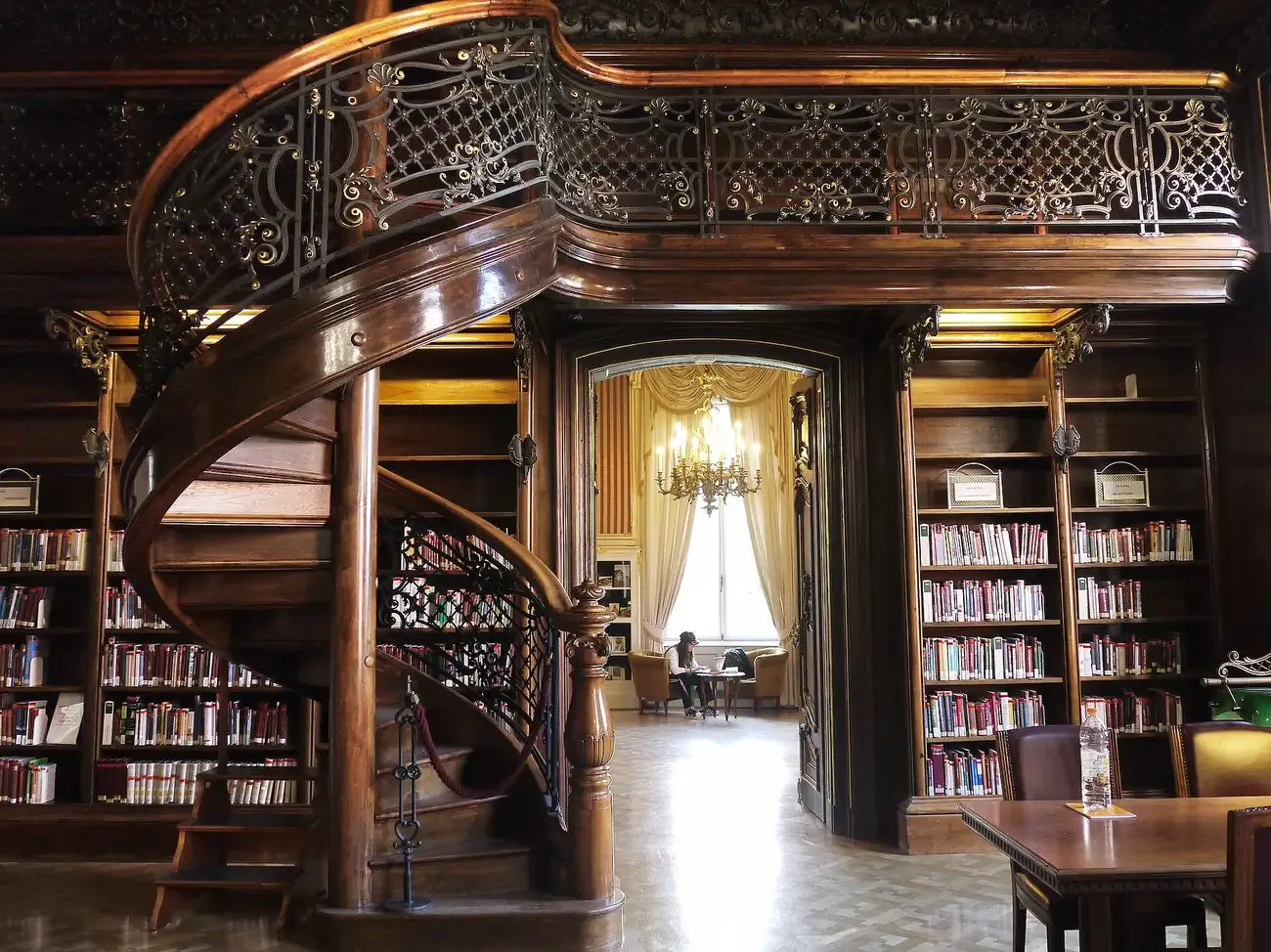
Photo: "Detail of Reading room in the Ervin Szabo Library" by kkmarais (CC BY 2.0).
The Palace District lies in Józsefváros, behind the Hungarian National Museum, on the Pest side. In the second half of the 19th century aristocratic families built their palaces along these streets, and the buildings still set their character. Visitors walk the cobbles of Reviczky Street, browse the used bookstores of Múzeum körút for rare books, maps and manuscripts, and stop for a coffee or a drink on Mikszáth Square, the district's meeting point.
The Metropolitan Ervin Szabó Library has occupied the former Wenckheim Palace since 1931. Its ceremonial halls are reached from Szabó Ervin tér through a wrought-iron triumphal arch, and the library sells day tickets. The Károlyi Garden, one of the oldest parks in Budapest, lies close to Múzeum körút for a quiet break.
- Access: Public space; library with a day ticket
- When: Streets at any time; library Monday to Friday 10:00 to 20:00, Saturday 10:00 to 16:00, closed on Sundays
- Getting there: Kálvin tér, Astoria, Blaha Lujza tér or Corvin-negyed metro stations
- Audio guide: commentary on the Metropolitan Ervin Szabó Library in the Budapest audio guide, an app that works offline on the visitor's own phone.
- More: opening hours of the Central Library
2. Walk Bartók Béla út to Lake Feneketlen
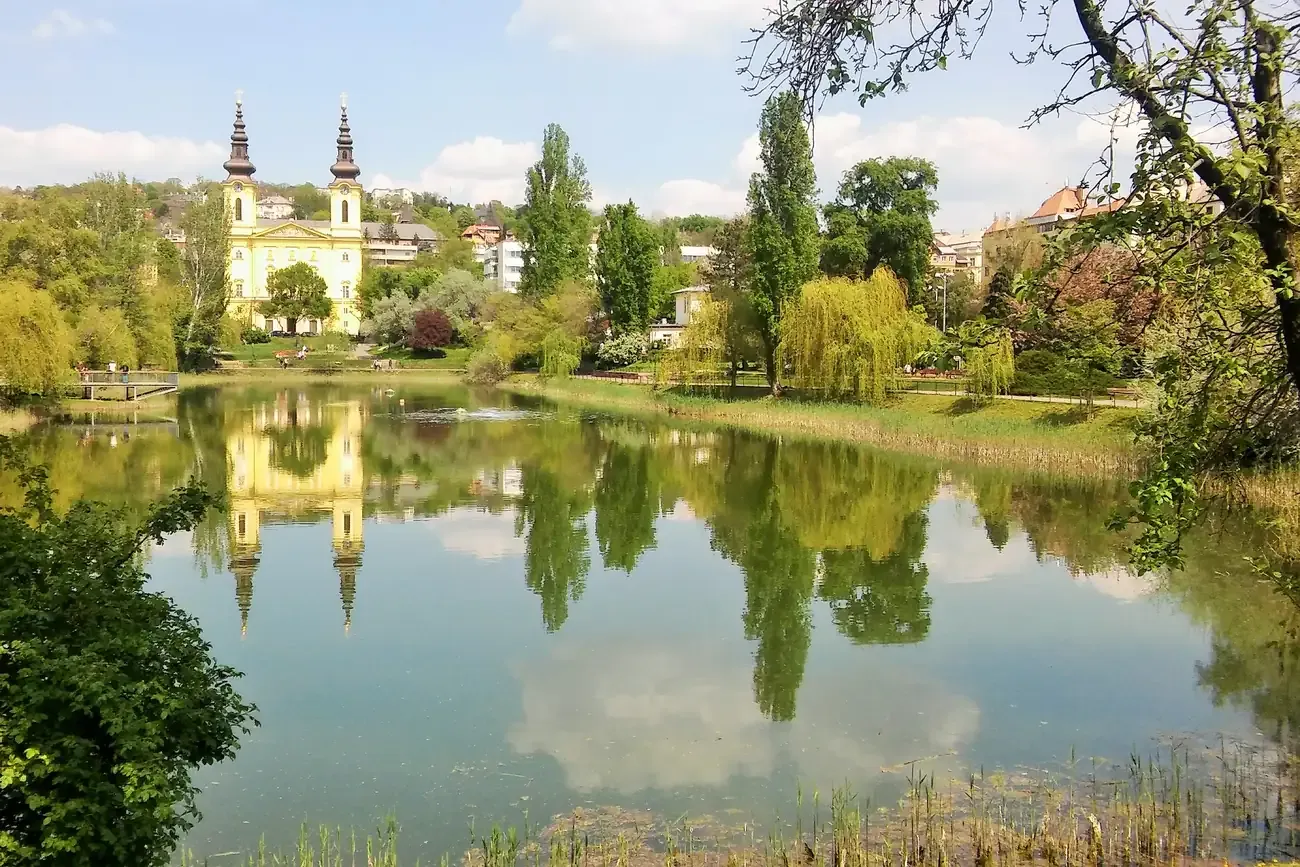
Photo: "Lake Feneketlen in April 2023" by 12akd (CC BY-SA 4.0).
Bartók Béla út, on the Buda side, is a boulevard of galleries, antique shops and cafés, and one of the neighbourhoods locals like best. The walk runs between Szent Gellért tér and Kosztolányi Dezső tér. On Gárdonyi tér the B32 Gallery and Cultural Space holds exhibitions, plays and concerts, and the Figaro Magic Shop has sold to magicians since 1969. The greatest Hungarian writers of the 20th century treated the Hadik Coffee House as almost their home.
Facades with Art Nouveau details line the street, and the Szent Gellért tér metro station has won several international architecture awards. At the far end, the park around Lake Feneketlen has a jogging track and a playground, and frogs and turtles live by the water.
- Access: Public space; cafés free with a drink or meal
- When: Any day; cafés and galleries keep their own hours
- Getting there: Szent Gellért tér metro station, at the start of the walk
- More: Bartók Béla Boulevard on Budapest Info
3. Shop the Batthyány tér market hall and walk Víziváros
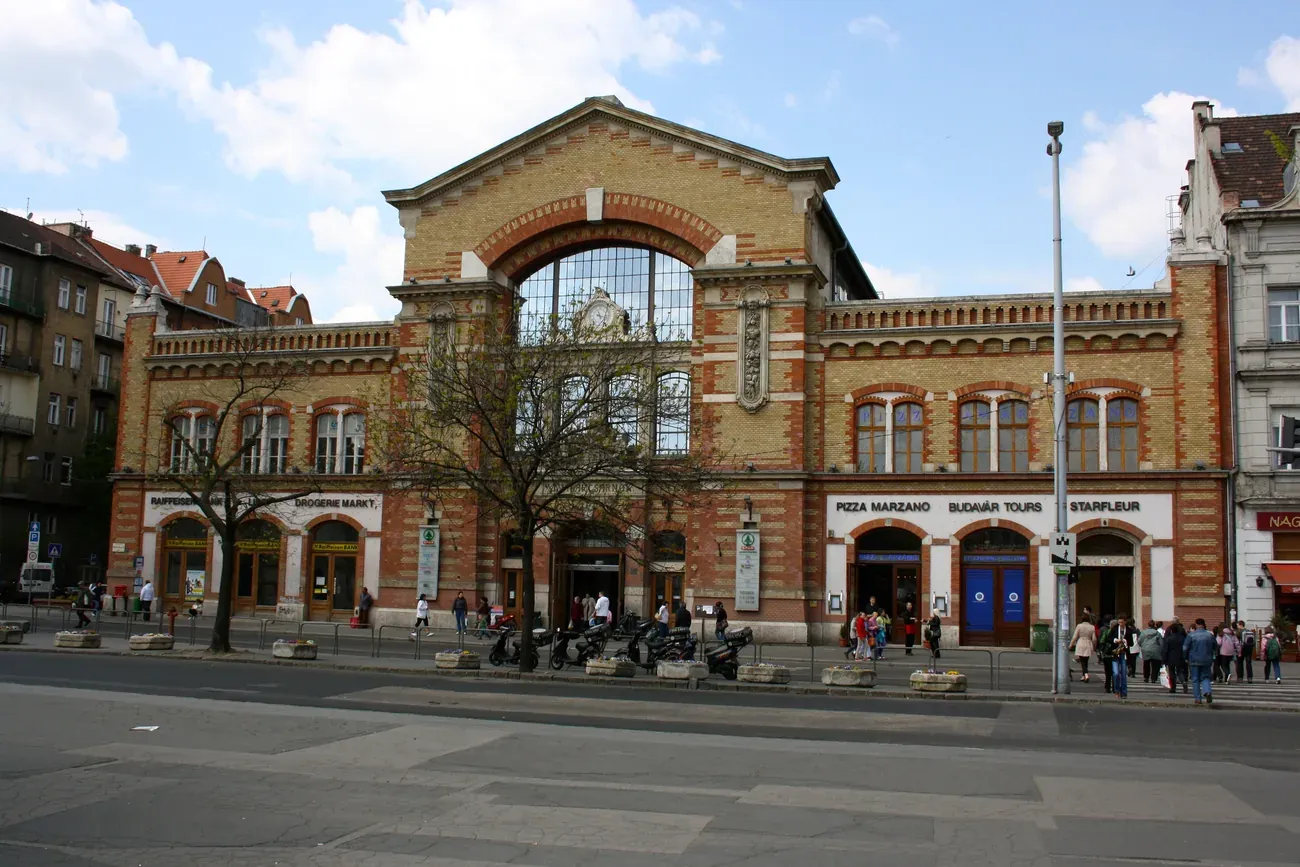
Photo: "Market Hall at Batthyány Square" by Funke (CC BY-SA 3.0).
Batthyány tér, in the Víziváros district of Buda, had a market place centuries before Market Hall No. VI was built, and the hall is still run by the city's market company. Hours vary from shop to shop, and from the hall there is a direct view across the river to the Parliament.
A few steps away, the Reformed church on Szilágyi Dezső tér was built by Samu Pecz from 1893 to 1896. The congregation holds a service every Sunday at 10:00 and an evening service with Taizé songs at 18:00.
- Access: Public space
- When: Market hall hours vary by shop, closed on public holidays; church services on Sundays at 10:00 and 18:00
- Getting there: Batthyány tér (metro line 2, H5 suburban railway, trams 19 and 41)
- Audio guide: commentary on the Szilágyi Dezső Square Reformed Church and the Church of the Stigmatisation of Saint Francis of Assisi in the Budapest audio guide, an app that works offline on the visitor's own phone.
- More: Batthyány tér Market Hall
4. Hunt for socialist relics at the Ecseri flea market
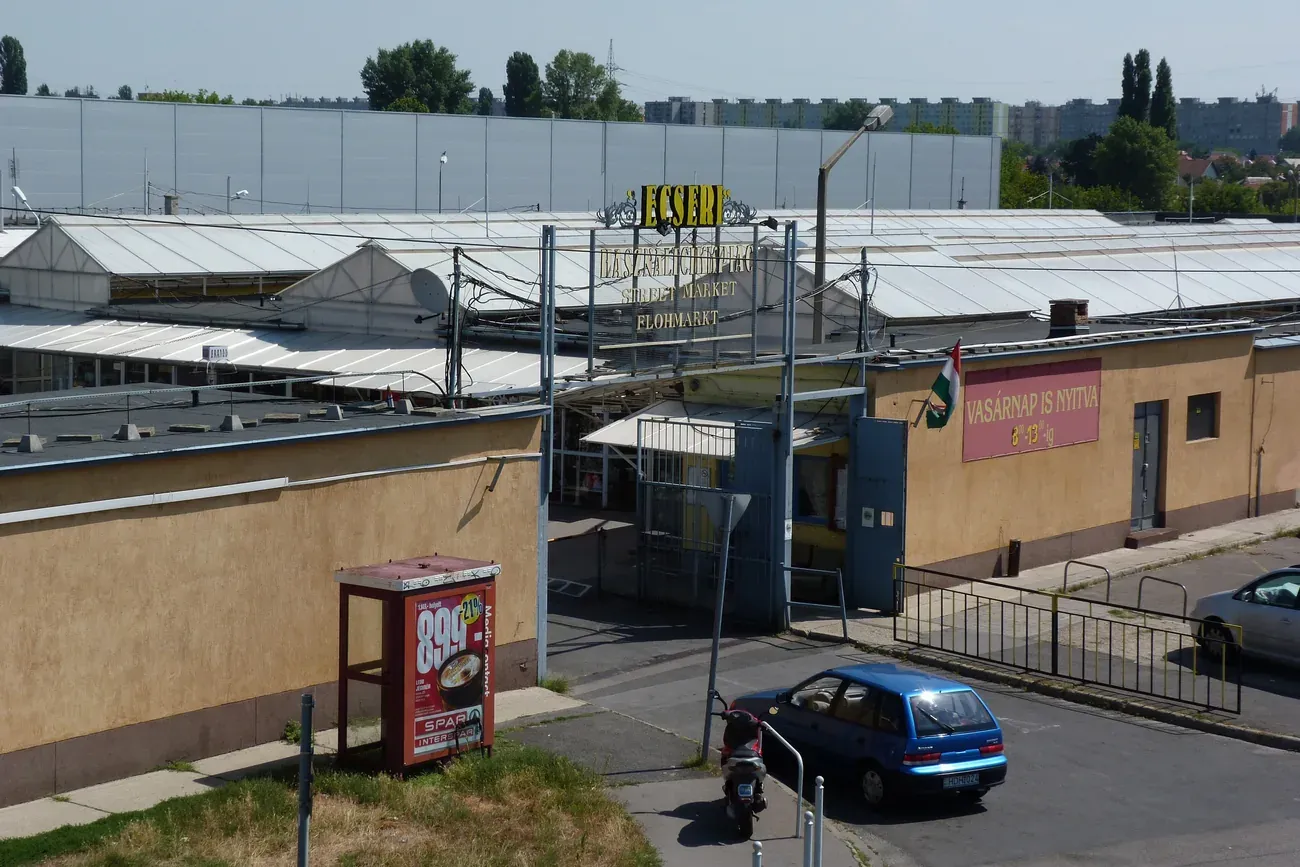
Photo: "Ecseri flea market" by Derzsi Elekes Andor (CC BY-SA 3.0).
The Ecseri flea market is the largest second-hand market in Budapest, on Nagykőrösi út at the edge of Kispest and Pesterzsébet. Socialist relics, furniture and vinyl records fill its stalls. The city's market company runs it, entry is free and it opens every day except public holidays.
The market has a long history of moves. The capital's second-hand market was founded in 1897 on Teleki tér in Józsefváros and stayed there until 1950. It was then moved to Ecseri út, and in 1964 out to Nagykőrösi út, where it still trades under its old name. Saturday is the long day, from 05:00 to 15:00. Sunday trading ends at 13:00, so a weekday or Saturday morning gives the most time among the stalls.
- Access: Free admission
- When: Monday to Friday 08:00 to 16:00, Saturday 05:00 to 15:00, Sunday 08:00 to 13:00; closed on public holidays
- Getting there: Buses 54, 55, 84E, 89E or 294E
- More: opening hours of the Ecseri market
5. Spend an afternoon in the museums of Szentlélek tér in Óbuda
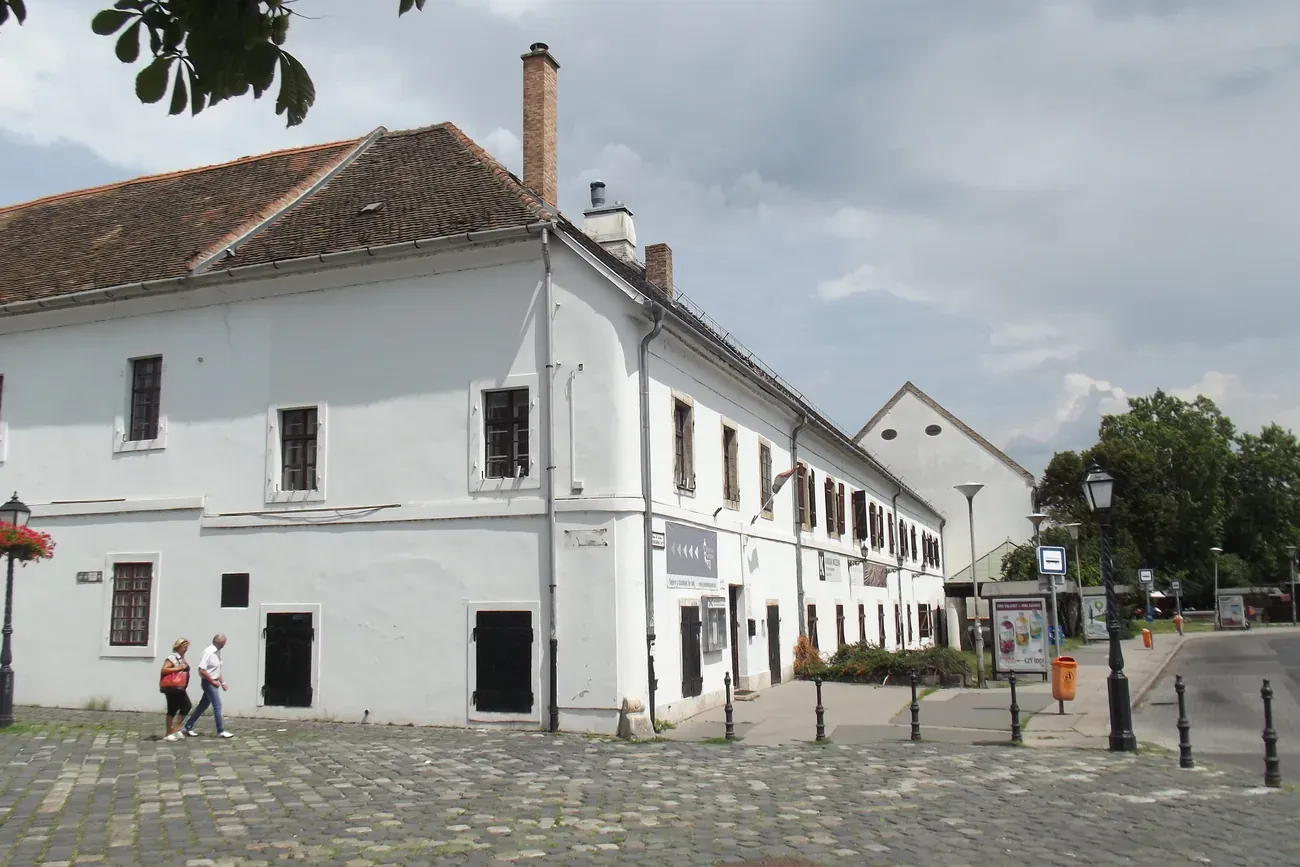
Photo: "Szentlélek tér" by Smiley.toerist (CC BY-SA 4.0).
Óbuda, north of the centre on the Buda bank, keeps a small museum quarter around Szentlélek tér. The Goldberger Textile Collection, the Hungarian Museum of Trade and Tourism and the Vasarely Museum stand close to each other, so two or three can fit into one afternoon.
The Vasarely Museum shows a permanent collection of the work of Victor Vasarely and lends geometric-optical games to play with inside the galleries. The Museum of Trade and Tourism tells the story of Hungarian trade and hospitality, and one exhibition covers cooking at home and professional catering from the late 19th century. The Vasarely is closed on Mondays and Tuesdays, the trade museum only on Mondays.
- Access: Square public; museums ticketed
- When: Vasarely Museum Wednesday to Sunday 10:00 to 18:00; Museum of Trade and Tourism Tuesday to Sunday 10:00 to 18:00
- Getting there: Szentlélek tér (tram 1, H5 suburban railway, buses 106, 118 and 134)
- More: opening hours of the Vasarely Museum
6. Walk the Danube bank at Római part
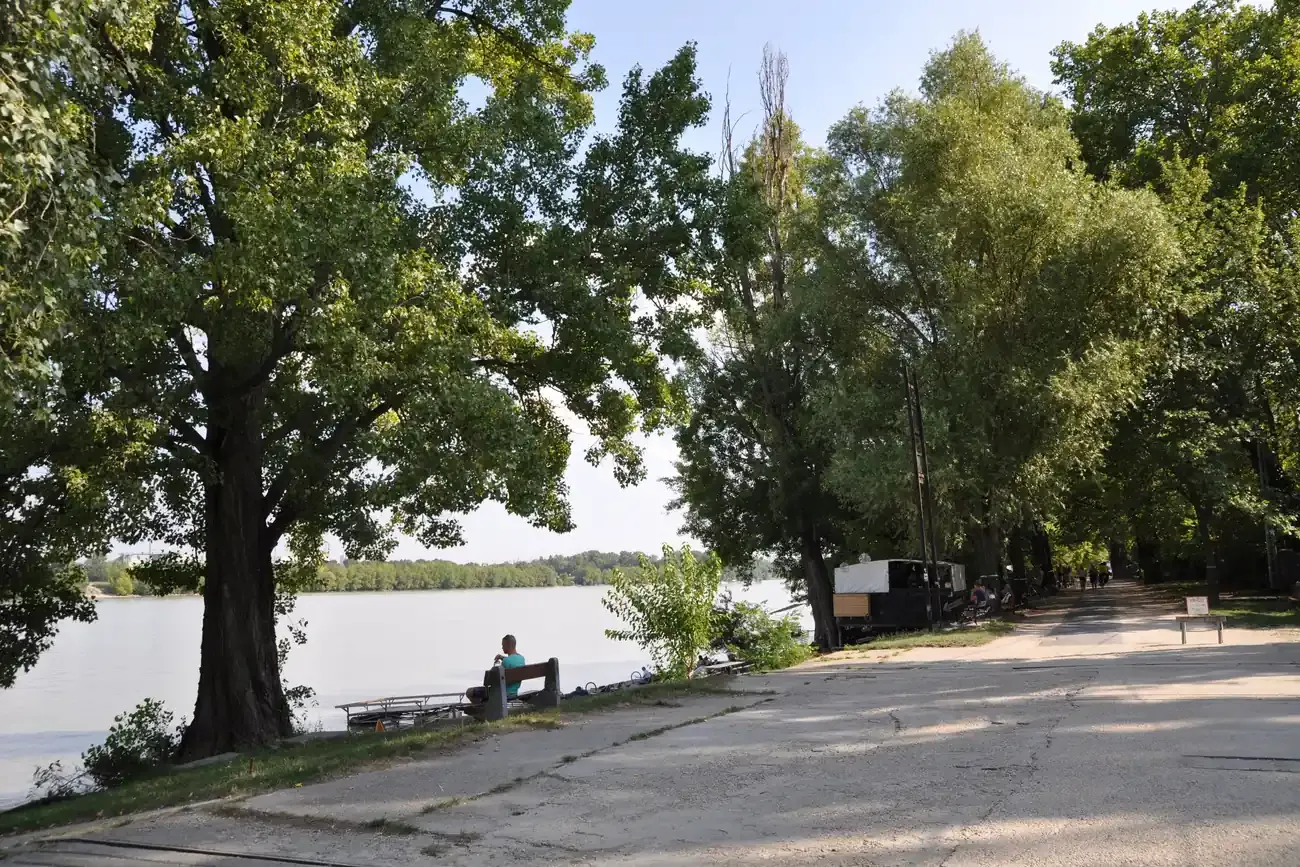
Photo: "Római part" by Christo (CC BY-SA 4.0).
Római part is a stretch of the Danube bank on the edge of the city, a lesser-known spot where locals go to unwind. A promenade runs along the river under shady trees, with striped deckchairs, a sandy shore and food stands where the classic order is a lángos with cheese and sour cream. Restaurants and bars line the bank, among them Fellini Római Kultúrbisztró, which shows film classics outdoors on summer nights.
Rowing has been part of Budapest life for more than 100 years, and Római part is the most classic place for it: from April to October canoes, kayaks and double sculls can be rented to row along the Szentendre branch of the Danube. Every Saturday between 08:00 and 13:00 a farmers' market sets up at Nánási út 47-49, with homemade jam, honey, lángos and strudel.
- Access: Public space
- When: Any day; boat rental from April to October; farmers' market on Saturdays from 08:00 to 13:00
- Getting there: Nánási út 47-49 for the farmers' market
- More: Római part on Budapest Info
More guides to Budapest
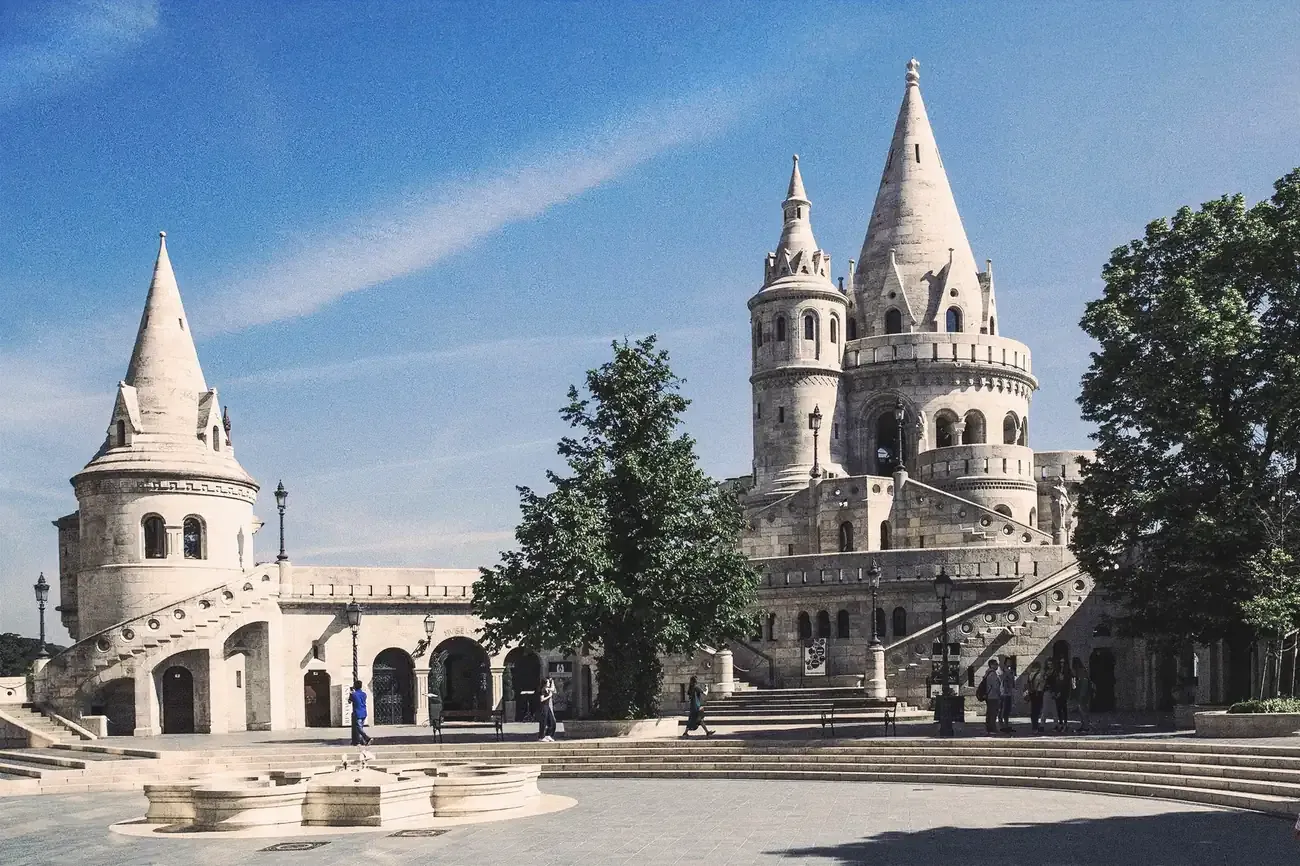
Tourist attractions in Budapest
The guide to tourism in Budapest ranks Buda Castle and the main sights and adds 30 lesser-known places, with tickets and a map.
Budapest tourist map
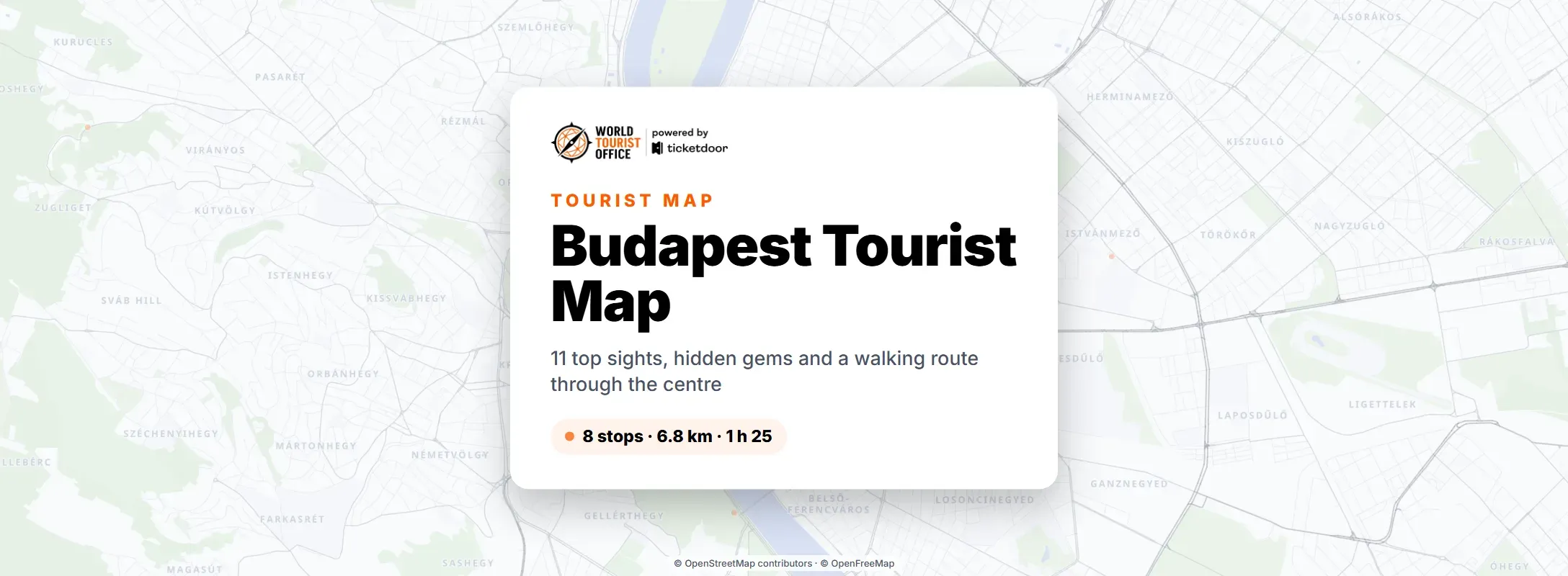
The Budapest tourist map shows the main sights of the city on one map.
Is Budapest expensive for tourists?
What food, hotels and transport cost, in the guide to prices in Budapest.

Budapest tourist tax
How the Budapest tourist tax works and who pays it.

Events in Budapest
Concerts, festivals and exhibitions in the Budapest events calendar.
Budapest tourist office
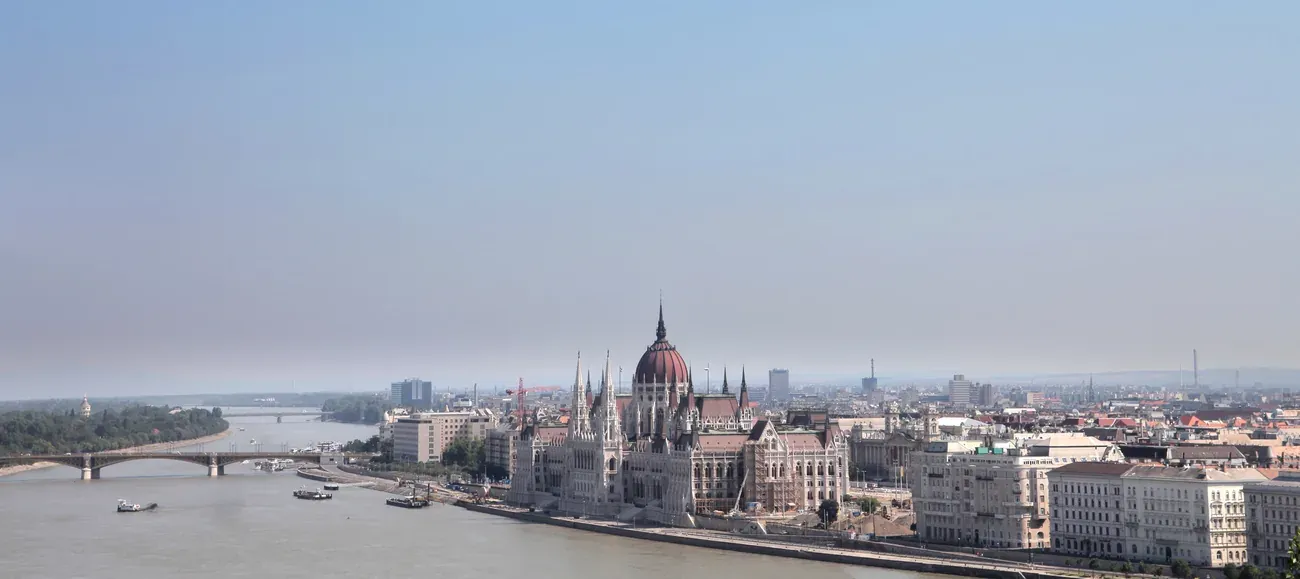
Where the Budapest tourist information points are and the hours they keep.
Tickets and tours in Budapest
7. Spend a slow afternoon at Kopaszi-gát
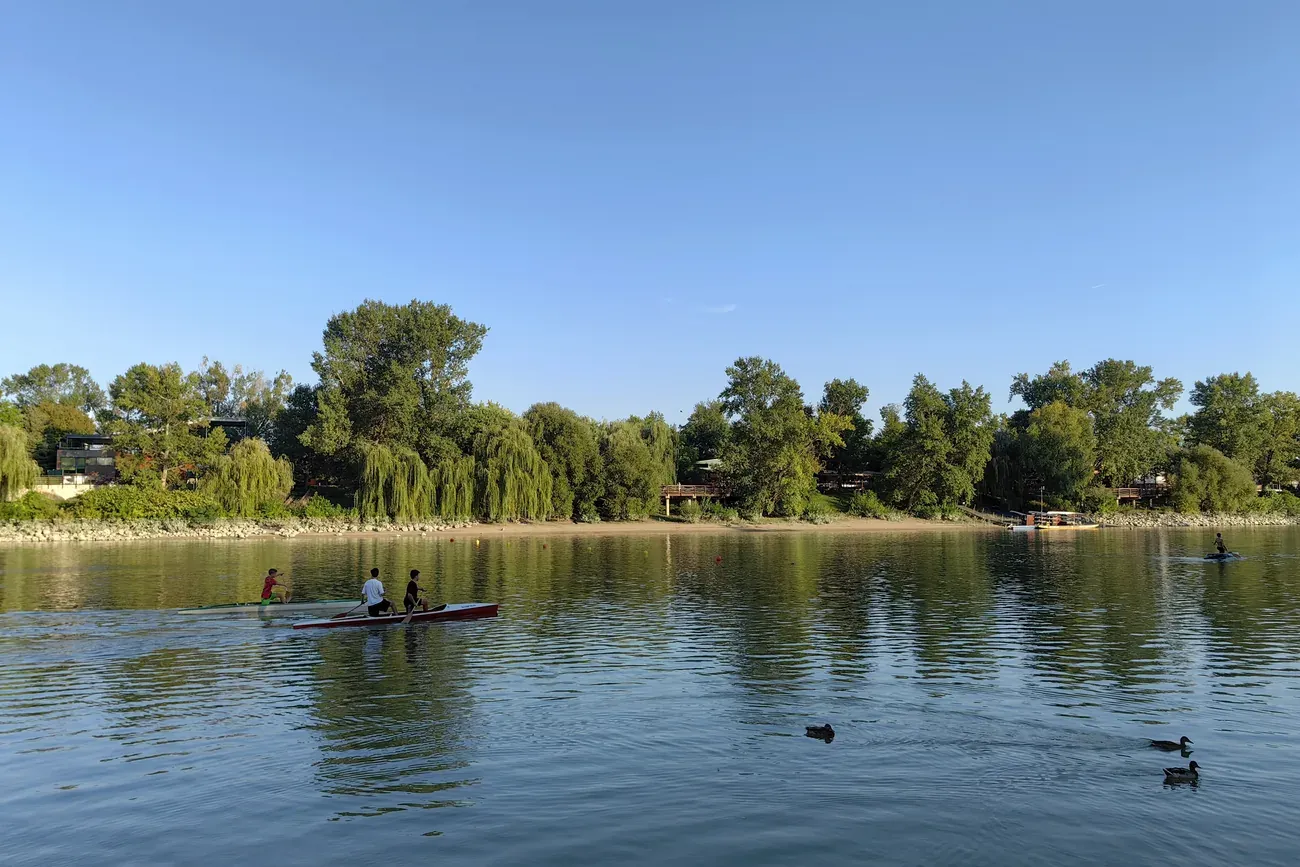
Photo: "Kopaszi-gát" by Christo (CC0).
Kopaszi-gát is a strip of park on the Lágymányos Bay in South Buda, a green spot on the Danube for riverside walks, picnics and meals by the water. Bistros and cafés line the park, and the walk along the river is the main activity.
In summer the calm bay is used for swimming, pedal boats and stand-up paddleboarding, and there is a beach with real sand and sun loungers. Next to the park stands the MOL Campus, at 143 metres the tallest office tower in Hungary, with an observation deck at the top. A MOL Bubi station at the entrance makes it easy to arrive by shared bike.
- Access: Public space; bistros free with a drink or meal
- When: Any day; water activities in summer
- Getting there: A short walk from tram line 1 or buses 107 and 154
- More: Kopaszi-gát on Budapest Info
8. Climb Gül Baba Street to the tomb and rose garden of Gül Baba
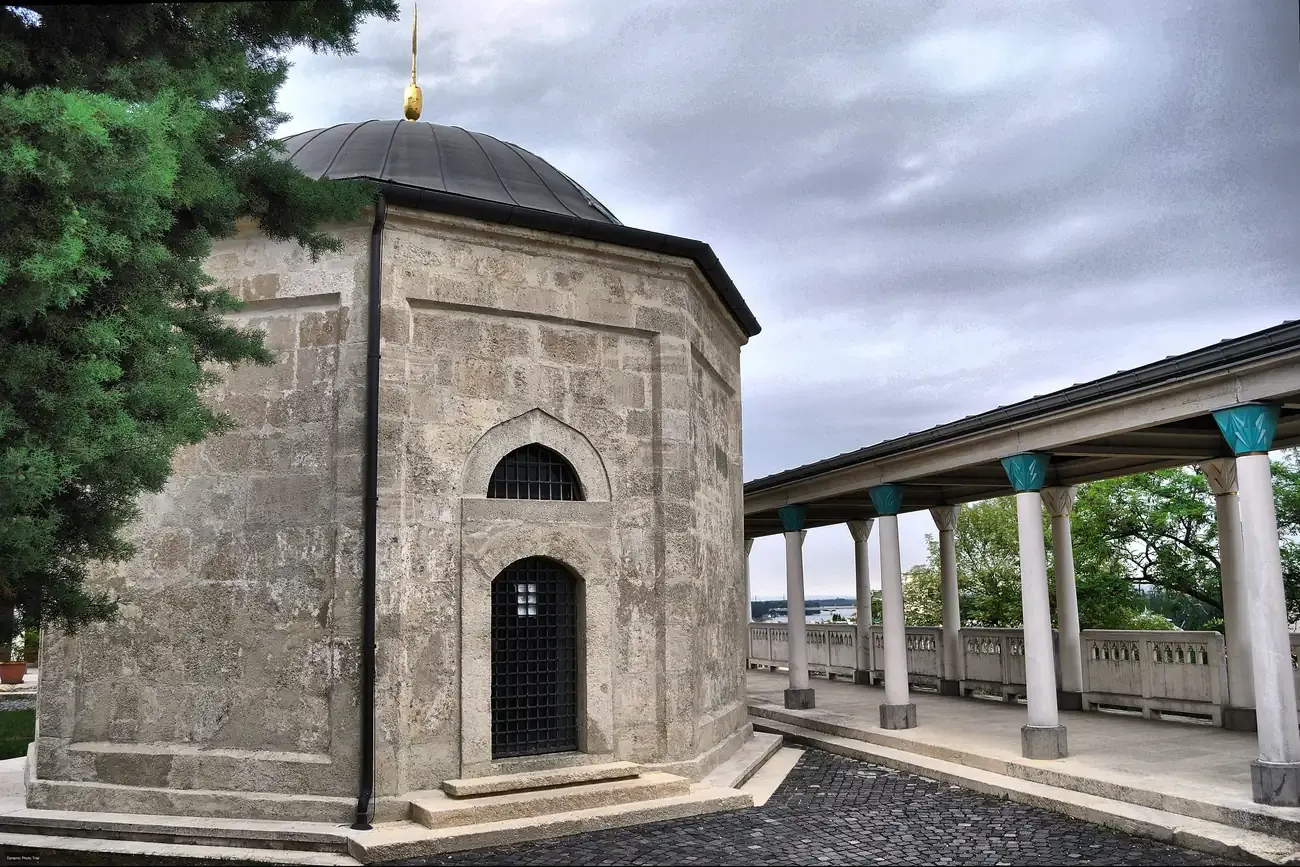
Photo: "The tomb of Gül Baba and the colonnade" by EtelkaCsilla (CC BY-SA 3.0).
The tomb of Gül Baba is one of the most interesting places left from the Ottoman era in Budapest. The türbe, an octagonal mausoleum, holds Gül Baba, the "Father of Roses", a dervish poet of the Ottoman occupation. Visitors reach it up Gül Baba Street, steep and cobbled, one of the most photogenic streets in the city.
Around the tomb a hanging rose garden looks across the Danube to Pest, a view at its best at dusk. The site is also a cultural centre with changing exhibitions, a café and events on the history of the Ottoman period in Hungary. Entry is free for every visitor. The site is closed on Mondays, and the Lukács and Veli Bej baths are nearby.
- Access: Free admission
- When: Tuesday to Sunday 10:00 to 18:00; closed on Mondays
- Getting there: Mecset utca 14, Rózsadomb; Margaret Bridge is nearby
- More: opening hours of Gül Baba's tomb
9. Follow the Gellért Hill trails to the Garden of Philosophy
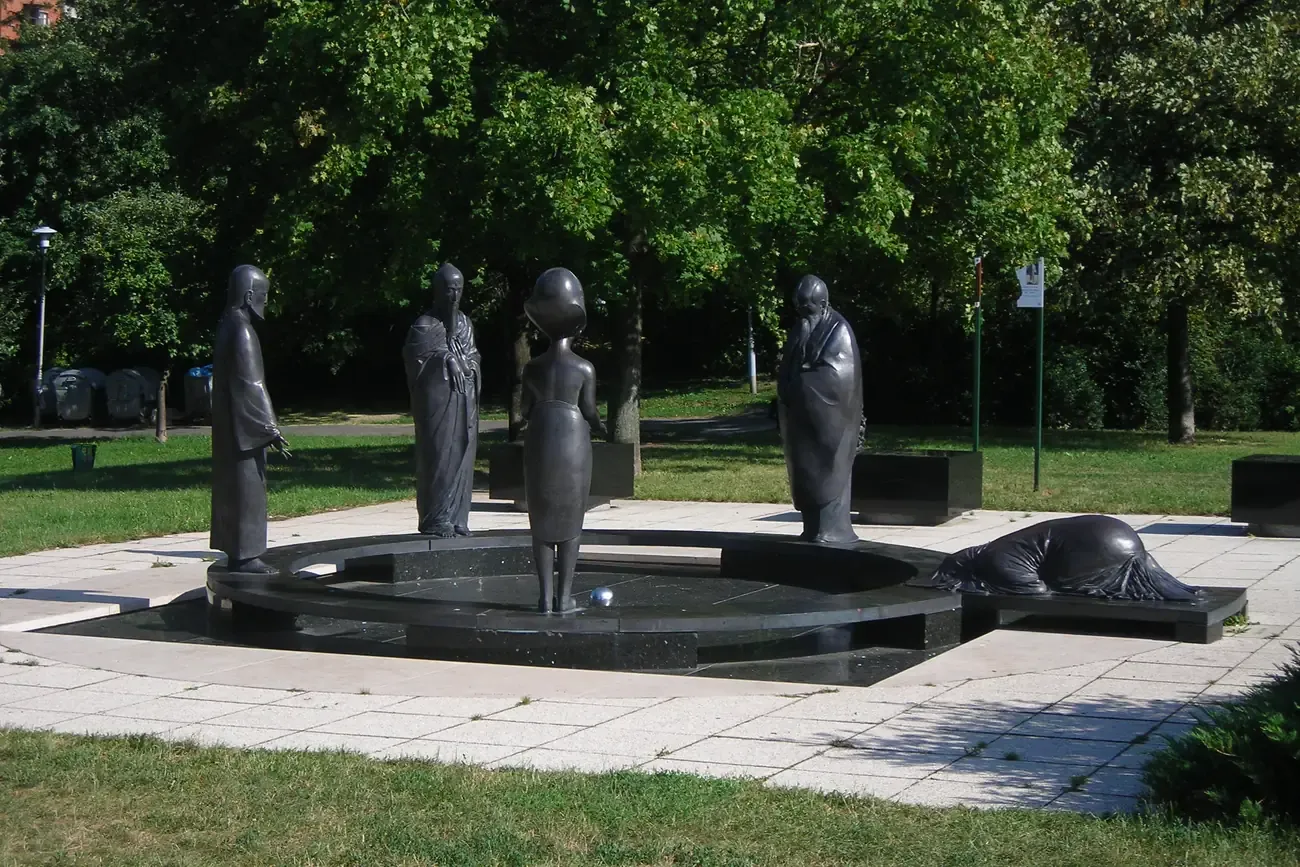
Photo: "The Garden of Philosophy" by Phyrexian (CC BY-SA 4.0).
Gellért Hill rises straight out of the city centre on the Buda side, and for people who live in Budapest it is a place for an outing, with playgrounds and lookout points along its walking trails. The climb starts at Gellért tér. The first viewpoint, beside the Church in the Rock, looks over Liberty Bridge, and further up, by the statue of Saint Gellért, the view opens onto Elizabeth Bridge.
The marked trails lead on to the Garden of Philosophy, and from there the view reaches across to the Buda Palace on Castle Hill. It is a place to stop and take the view slowly before heading back down to the river.
- Access: Public space
- When: Daytime, any day
- Getting there: On foot from Szent Gellért tér
- Audio guide: commentary on the Garden of Philosophy in the Budapest audio guide, an app that works offline on the visitor's own phone.
- More: viewpoints of Budapest on Budapest Info
10. Ride the Children's Railway through the Buda Hills to Normafa
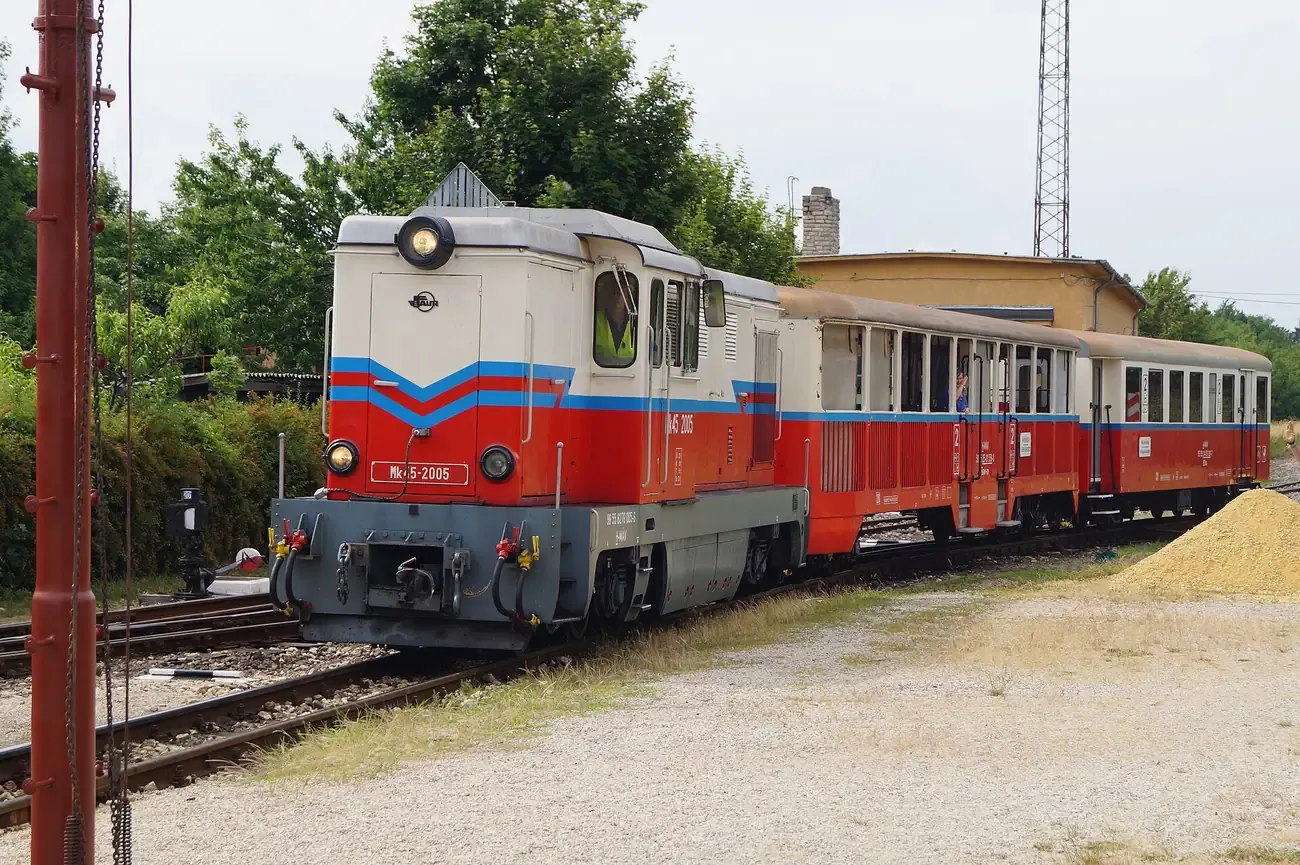
Photo: "Mk45-2005 at the Children's Railway in Budapest" by NearEMPTiness (CC BY-SA 4.0).
The Children's Railway runs for nearly 12 kilometres through the forests of the Buda Hills, and primary school children in uniform do the work: traffic control, ticket checks, the ticket offices and the switching. Built from 1948 and operated by the state railway MÁV from the start, it links Széchenyihegy and Hűvösvölgy, with stops at Normafa and Jánoshegy, the highest point of Budapest. The full journey takes about 40 to 50 minutes.
Around Normafa there are trails of every length and a 2-kilometre accessible path through the forest to the upper station of the chairlift. The Elizabeth Lookout on Jánoshegy is closed for renovation. Trains run every day of the year except Mondays from September to April.
- Access: Train ticketed; the forest is public space
- When: Daily, except Mondays from the beginning of September to the end of April
- Getting there: Széchenyihegy or Hűvösvölgy terminal stations
- More: Children's Railway timetable
11. Squeeze through the passages of Pál-völgyi Cave
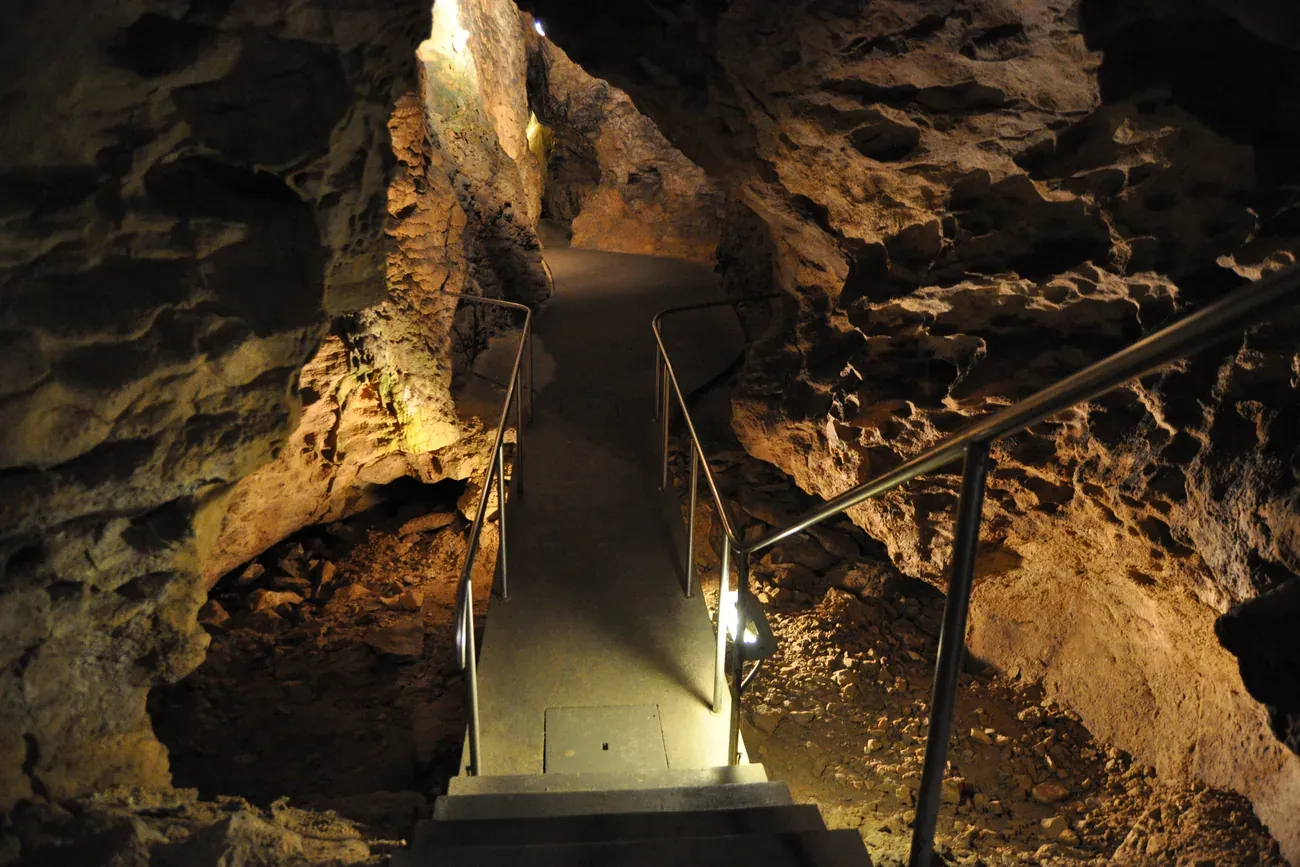
Photo: "Pál-völgyi Cave" by Christo (CC BY-SA 4.0).
Pál-völgyi Cave belongs to the longest cave system in Hungary, almost 32 kilometres of passages under the capital. It was discovered in 1904 and has been open to the public since 1919. The guided tour covers 500 metres of dripstones, glittering calcite crystals, narrow passages and sharp changes of level, and it takes about an hour.
The route has more than 400 stairs and one ladder, and the temperature stays at 11 °C all year, so a warm layer is needed even in summer. The cave is not suitable for children under five or under 115 cm tall, or for people with reduced mobility. Tours start every hour from 10:15 to 16:15, Tuesday to Sunday.
- Access: Ticketed, guided tour only
- When: Tuesday to Sunday, tours every hour from 10:15 to 16:15; closed on Mondays
- Getting there: Bus 65 from Kolosy tér to the Pál-völgyi cseppkőbarlang stop
- More: tour times at Pál-völgyi Cave
12. Soak in the thermal pools of Lukács Bath
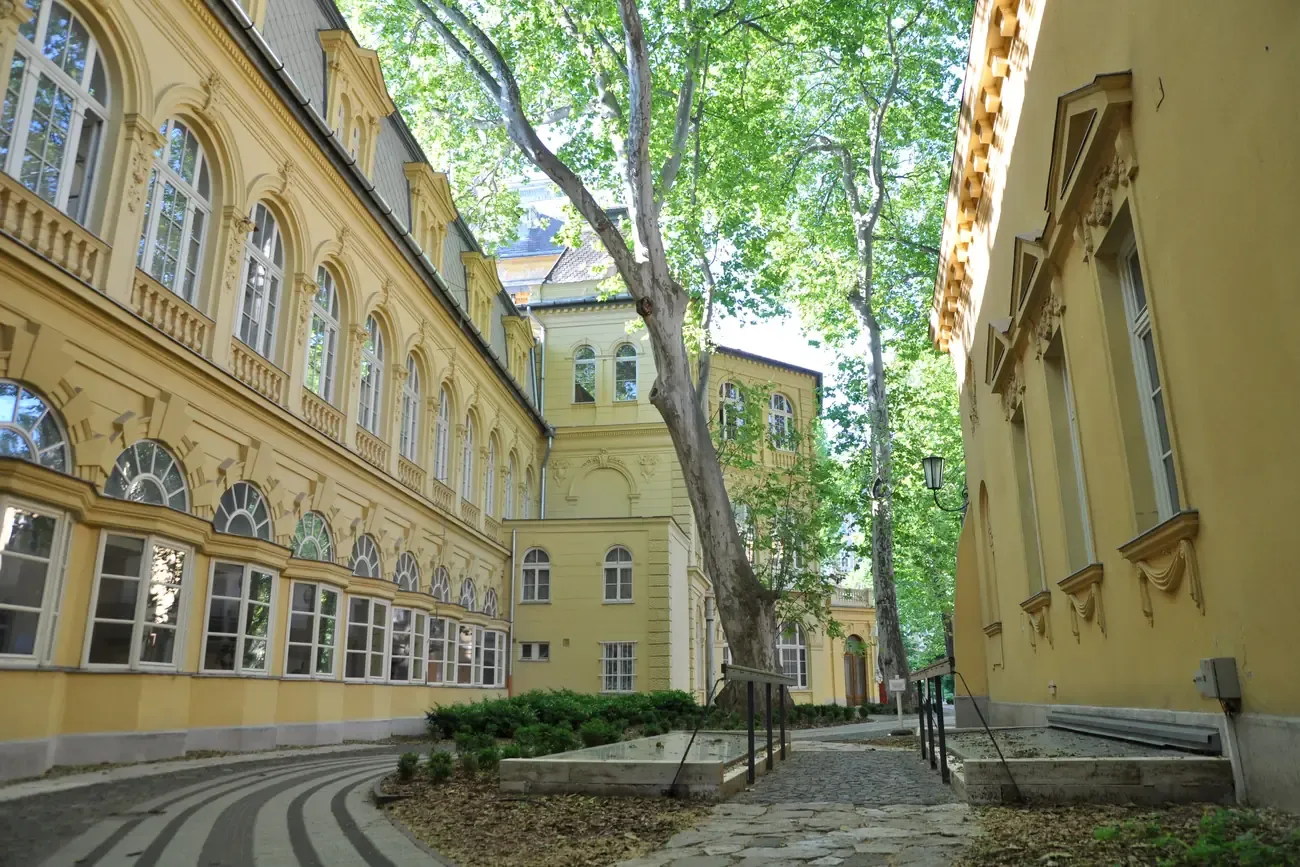
Photo: "Lukács Bath" by Christo (CC BY-SA 4.0).
Lukács is one of the oldest baths in Budapest. The Romans already used the springs here, and in the 12th century the Knights of St John, a nursing order, built a bathhouse next to their monasteries. The water comes from the Molnár János Cave, six kilometres long and 30 metres deep. Grateful patients have left marble plaques of thanks on the walls of the courtyard.
The bath has three hot thermal pools at different temperatures, a small sauna and a steam bath, plus two outdoor pools for swimming. The drinking hall dates from 1937. The bath opens at 7 am every day and stays open until 10 pm on Tuesdays. The Veli Bej Bath and the tomb of Gül Baba are close by.
- Access: Ticketed
- When: Daily 7:00 to 19:00, Tuesday to 22:00
- Getting there: Trams 4, 6, 17 and 19, buses 9 and 109, or the H5 suburban railway to the Margit Bridge stop
- More: opening hours of Lukács Bath
13. Bathe in the Ottoman pools of Veli Bej
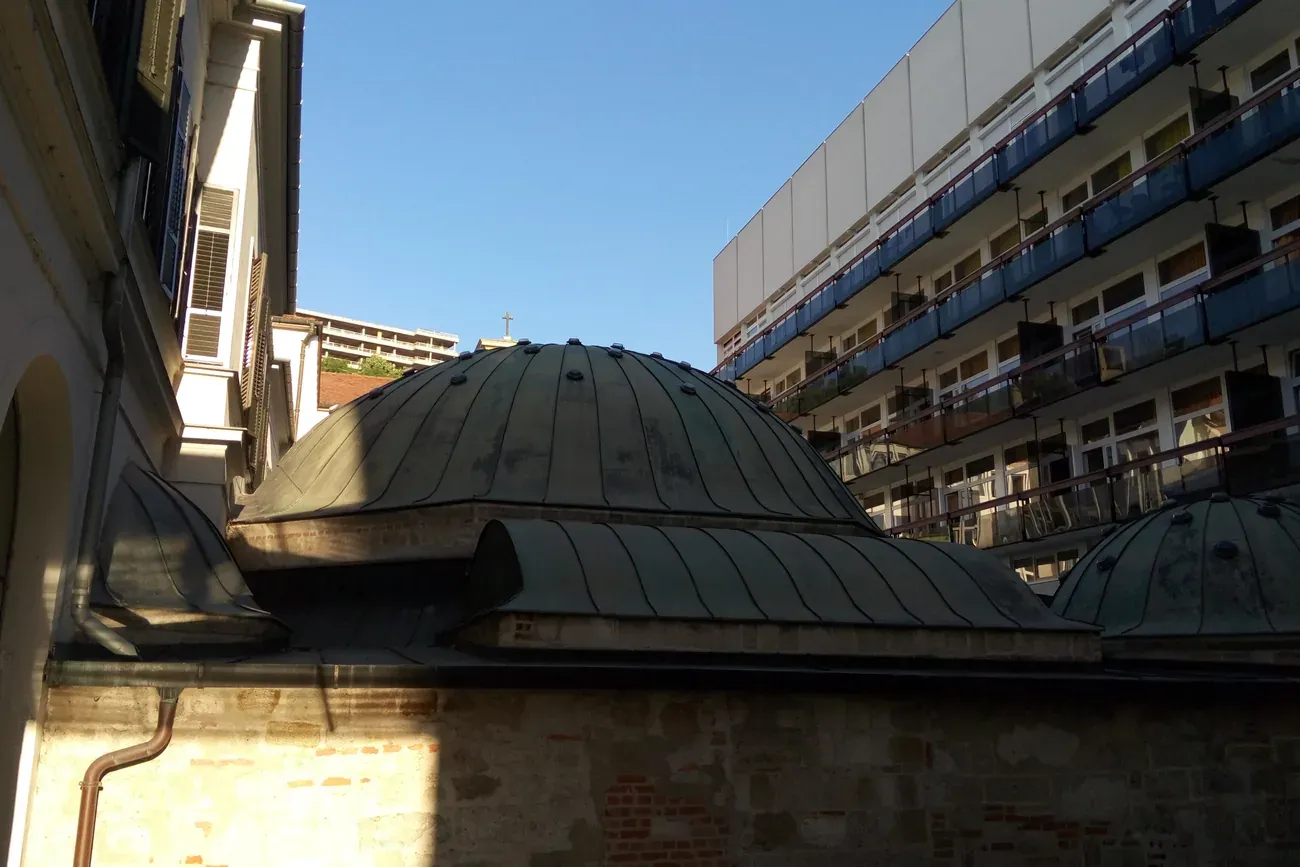
Photo: "Veli Bej Bath" by Christo (CC BY-SA 4.0).
Veli Bej is a Turkish bath built in 1574, opposite Margaret Island and next to Lukács Bath, hidden inside the grounds of the Buda hospital of the Brothers Hospitallers, who run it. Inside there is a large hot pool and four smaller thermal pools, with steam rooms, a Finnish sauna and a Kneipp walking pool added around them.
The number of bathers on the premises is limited, so at busy times visitors may have to wait to be let in. Tickets are sold only at the desk, with no online booking, and children under 14 are not admitted. The bath keeps unusual hours: a morning session from Wednesday to Sunday, an afternoon session every day, and a break at midday while the water is changed.
- Access: Ticketed; tickets at the desk only; no children under 14
- When: Mornings 6:00 to 12:00 Wednesday to Sunday; afternoons 15:00 to 21:00 every day; closed 12:00 to 15:00
- Getting there: Árpád fejedelem útja 7, next to Lukács Bath
- More: opening hours of Veli Bej Bath
14. Visit the Semmelweis Museum of Medical History in the doctor's birthplace
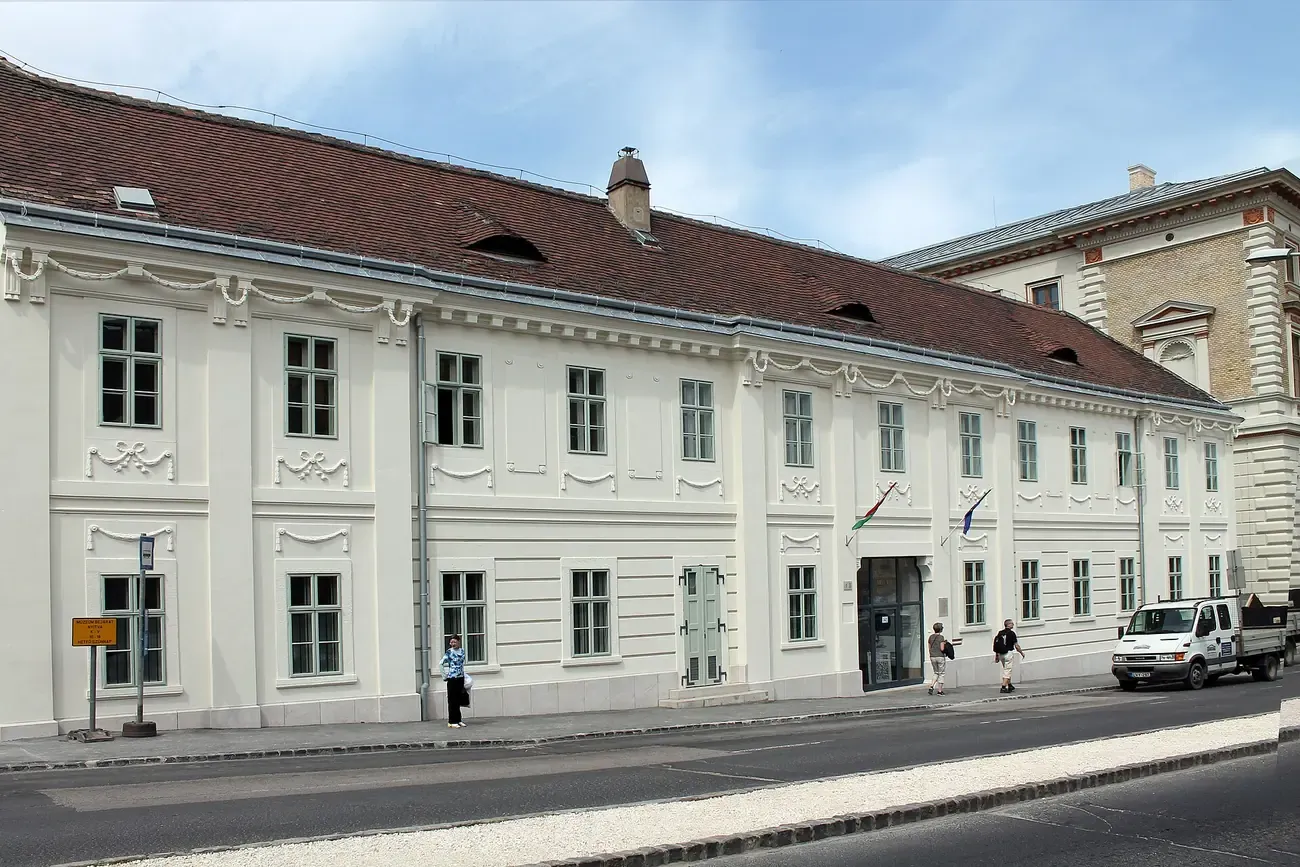
Photo: "Semmelweis Museum of Medical History on Aprod utca" by KovacsDaniel (CC BY-SA 3.0).
The Semmelweis Museum of Medical History stands in the house where Ignác Semmelweis, perhaps the best-known Hungarian doctor, was born. Its permanent exhibition follows Western medicine from ancient Egypt to modern times through instruments, medical books, documents, paintings and sculptures, and gives a large part to the history of Hungarian medicine. A memorial room keeps personal objects of Semmelweis, whose doctrine is part of the UNESCO Memory of the World programme.
The museum is a partner institution of the Hungarian National Museum and also runs the Golden Eagle Pharmacy Museum at Tárnok utca 18. In winter it opens at 10:00 and closes earlier on weekdays than at weekends, and it is closed on Mondays. The permanent exhibition has no step-free access.
- Access: Ticketed
- When: Winter hours: Tuesday to Friday 10:00 to 16:00, weekends and holidays 10:00 to 18:00; summer hours: Tuesday to Sunday 10:00 to 18:00; closed on Mondays
- Getting there: Apród utca 1-3, District I
- Audio guide: commentary on the Semmelweis Medical Museum in the Budapest audio guide, an app that works offline on the visitor's own phone.
- More: opening hours of the Semmelweis Museum
15. Book a free visit to the Money Museum in the Postal Palace
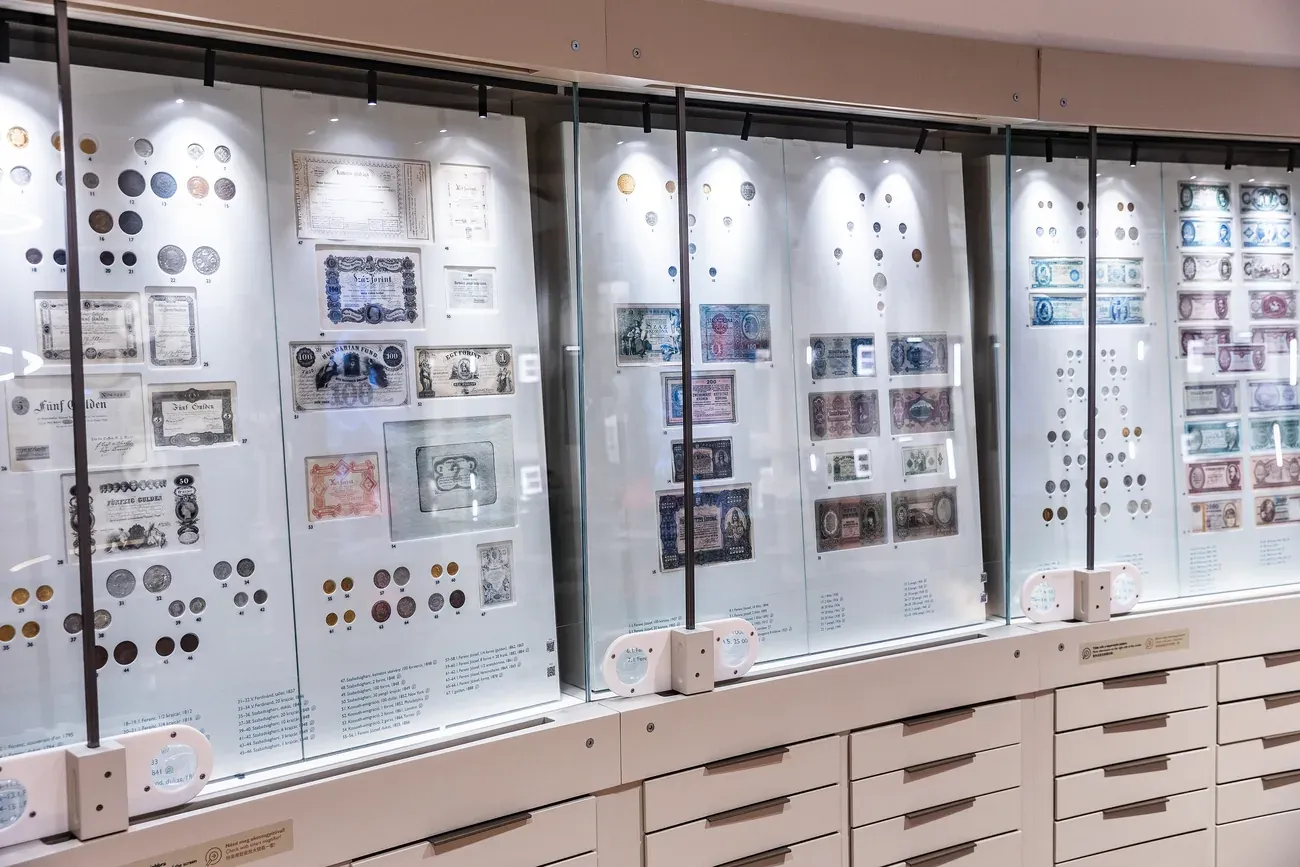
Photo: "The Coin Wall at the Hungarian Money Museum" by EditorPEM2022 (CC BY 4.0).
The castle-like building on Széll Kálmán tér is in fact the Postal Palace, built in the 1920s in an eclectic Art Nouveau style and now owned by the Hungarian National Bank. Inside, the Money Museum sets out its permanent exhibition in five thematic spaces, one for each core function of money, with artefacts and interactive displays in every room. Further sections cover the history of money, the work of central banks, investment and numismatics, and a small temporary show recalls the Postal Palace of Buda itself.
Visiting the permanent exhibition is free, but booking in advance is required. On the roof, the Panorama Terrace has a café and a view over the area. The museum is closed on Tuesdays.
- Access: Free admission, advance booking required
- When: Monday and Wednesday to Friday 8:00 to 17:00, weekends 9:00 to 17:00; closed on Tuesdays
- Getting there: Széll Kálmán tér
- More: opening hours of the Money Museum
16. Ring the bell at the Zoltán Kodály Memorial Museum
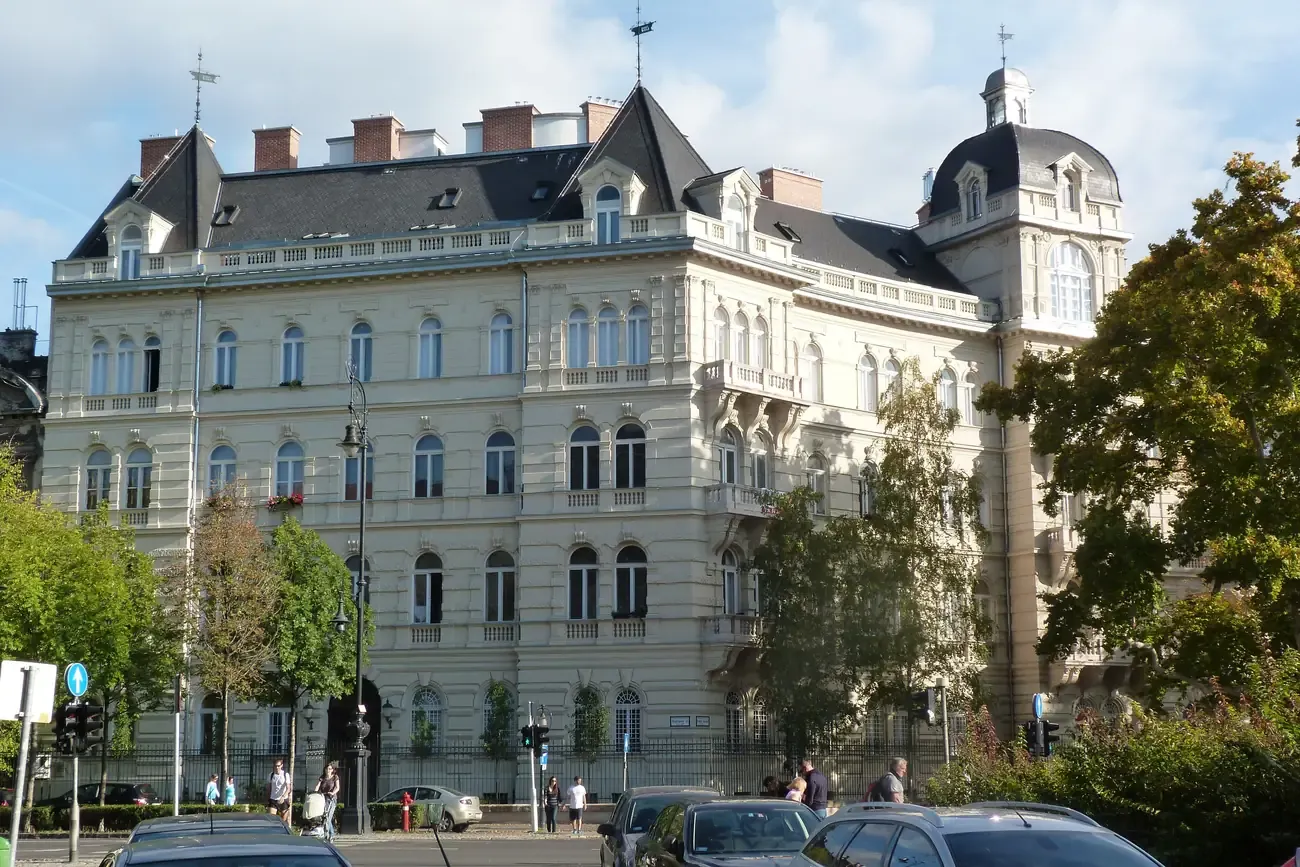
Photo: "Andrássy út 87-89" by Derzsi Elekes Andor (CC BY-SA 3.0).
The composer Zoltán Kodály lived in this flat on the Körönd of Andrássy út from October 1924 until his death in March 1967, and it is the only workshop of Hungarian music history that has stayed as its occupant left it. The museum opened in the spring of 1990. The four front rooms were furnished for use rather than show, decorated with folk ceramics and embroidery brought back from his folk song collecting trips, with statues, laurel wreaths and programmes from performances abroad.
Visitors ring doorbell 30 to get in. The museum is closed on Tuesdays and opens on Saturdays only by appointment, and the staff advise booking on weekdays too to avoid a wait. A video programme runs for individual visitors.
- Access: Ticketed; ring doorbell 30
- When: Monday and Wednesday to Friday 10:00 to 17:00; Saturday 11:00 to 14:00 by appointment; closed on Tuesdays
- Getting there: Andrássy út 87-89, at Kodály körönd
- Audio guide: commentary on the Zoltán Kodály Memorial Museum in the Budapest audio guide, an app that works offline on the visitor's own phone.
- More: visiting the Kodály Memorial Museum
17. Tour the Liszt Academy and stay for a student's mini-concert
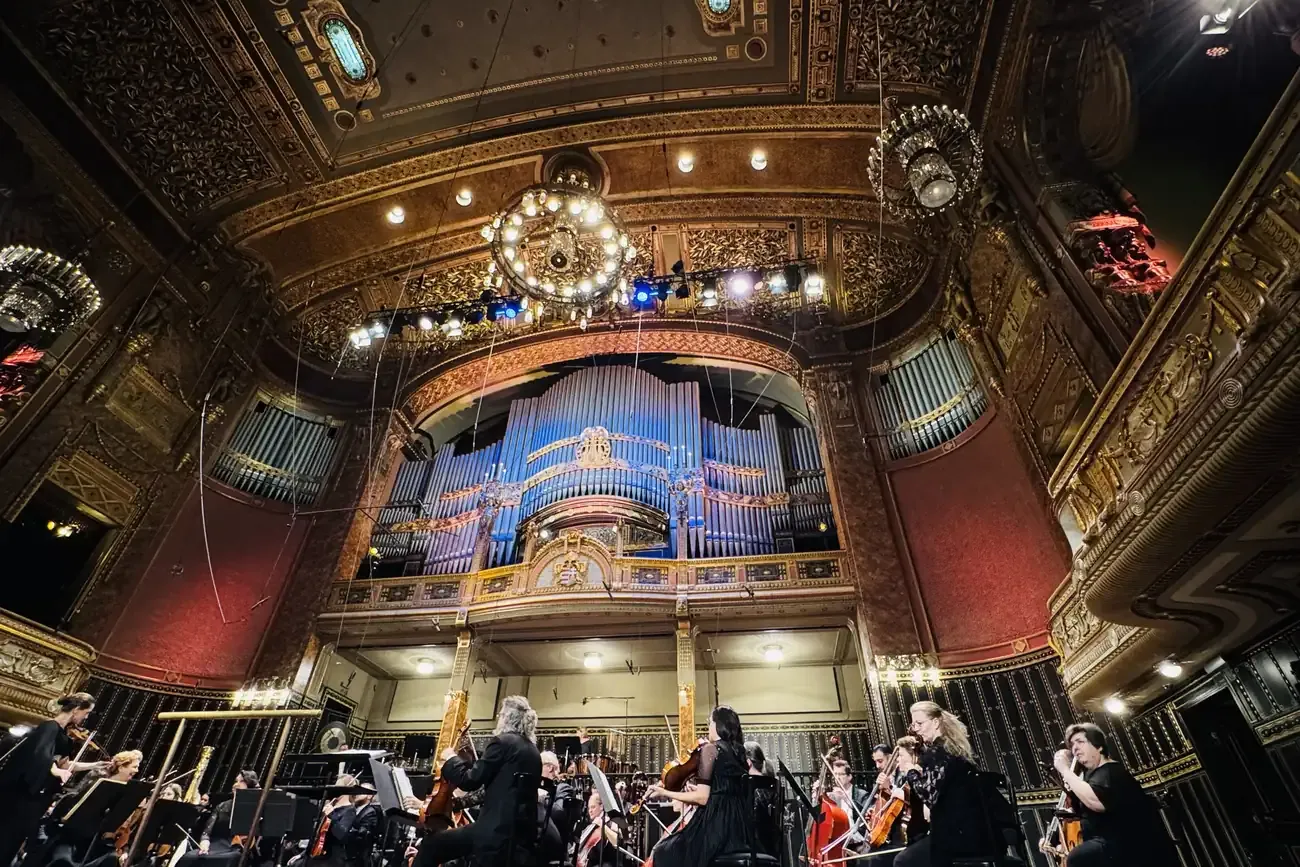
Photo: "Ferenc Liszt Academy of Music interior" by Evgenia Jarabik (CC BY-SA 4.0).
The Liszt Academy, the university of music of Budapest, works in an Art Nouveau building. A refurbishment concluded in 2013 returned every decoration and detail of the concert hall to the condition in which it was built in 1907. The guided tour takes in the Grand Hall, the Small Hall, now the György Solti Chamber Hall, and the fresco Fountain of Art in the upstairs foyer, one of the most important works of Hungarian Art Nouveau.
Tours last 50 minutes, run for individual visitors in Hungarian and English, and end with a mini-concert by a student of the Academy. Tickets are sold at the ticket office or online before the tour starts. The Academy also stages concerts, among them university concerts by its students.
- Access: Ticketed
- When: Guided tours on the days listed in the Academy's programme
- Getting there: Main building of the Liszt Academy, Terézváros
- Audio guide: commentary on the Franz Liszt Academy of Music in the Budapest audio guide, an app that works offline on the visitor's own phone.
- More: guided tours of the Liszt Academy
18. Walk among the mausoleums of the Fiumei Road Cemetery
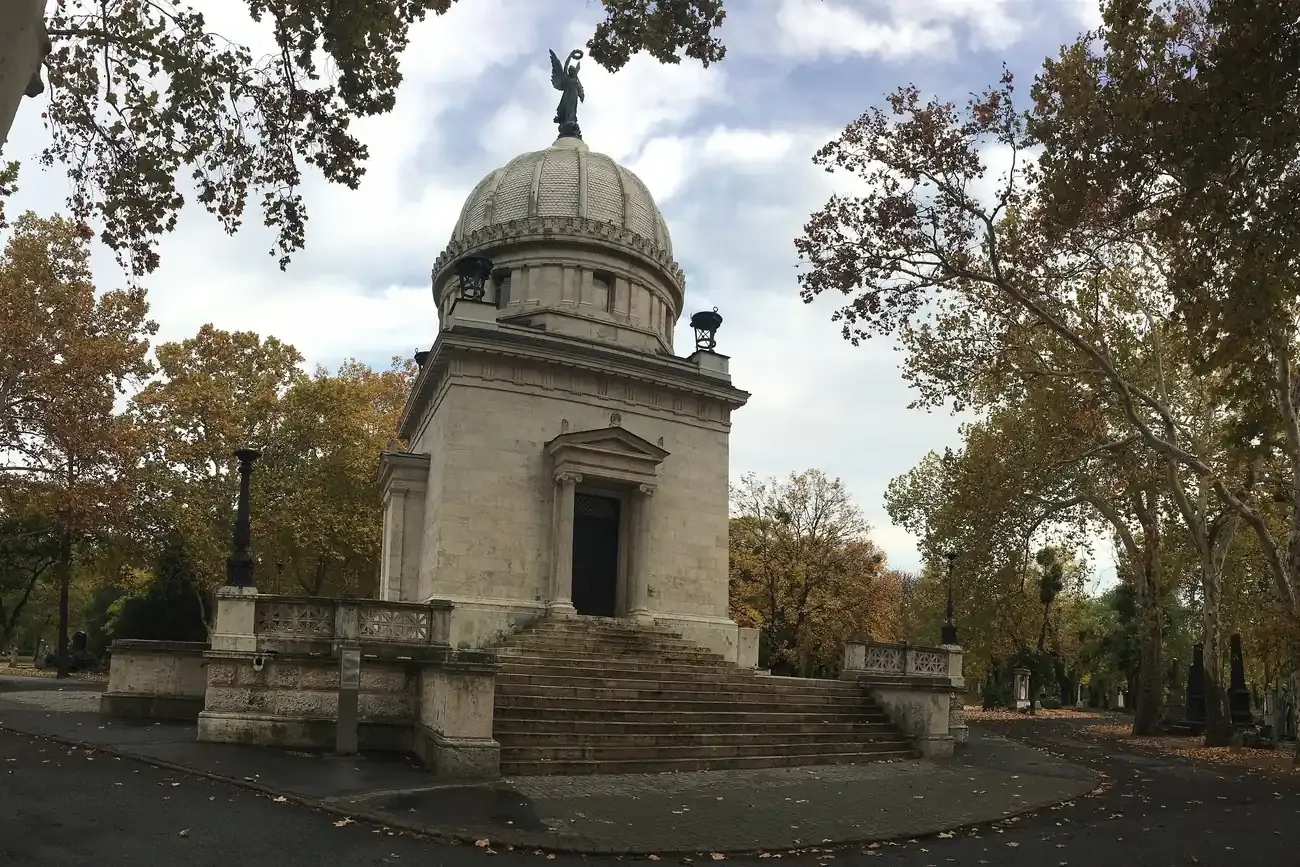
Photo: "Fiumei Road Cemetery, the Deák mausoleum" by Salome mi (CC BY-SA 4.0).
The Fiumei Road Cemetery opened in 1849 as the public cemetery of Pest and is the only cemetery that is a national memorial in its entirety. Its 56 hectares read like an open-air history book: the mausoleums of Lajos Batthyány, Ferenc Deák and Lajos Kossuth, separate plots for artists and for the heroes of 1848 and 1956, and the Apponyi funeral coach on display.
The grounds feel more like a park than a cemetery, with chestnut trees along the paths and grassy clearings. The writer Mór Jókai lies in a rose garden ringed by ivy-covered pillars. Entry is free during opening hours, a free map in English waits at the info point by the main entrance, and the mausoleums open only on guided walks.
- Access: Free admission; mausoleums on guided walks only
- When: Opens at 7:00 or 7:30; closes at 17:00 from October to February and at 20:00 from May to July
- Getting there: Main entrance at Fiumei út 16-18, District VIII
- More: visiting the Fiumei Road Cemetery