Tourist attractions in Positano not to miss
Positano's tourist attractions fit into a single day. Spiaggia Grande, Chiesa di Santa Maria Assunta and MAR Positano anchor the walking itinerary below, with 4 more sights, free things to do and visitor FAQs further down.
What makes Positano worth visiting
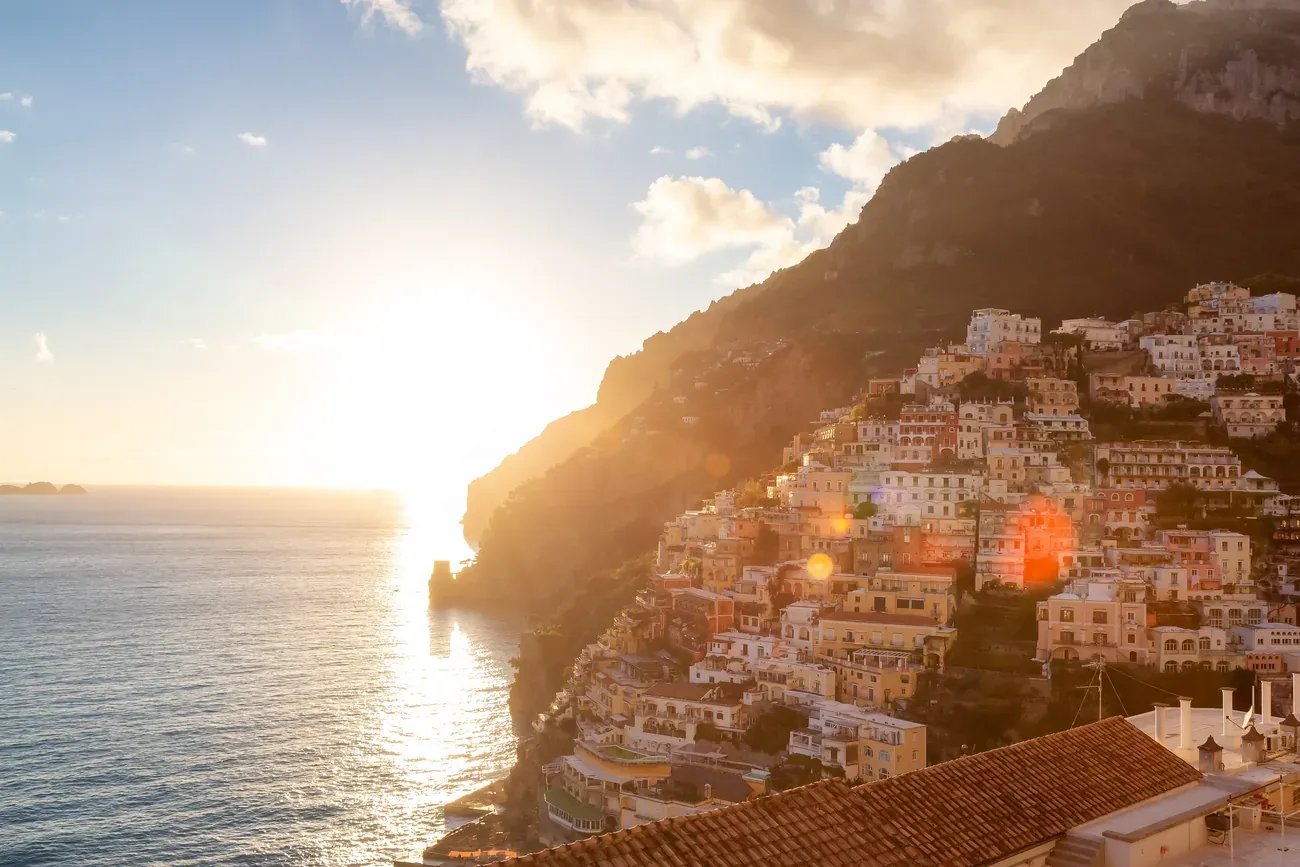
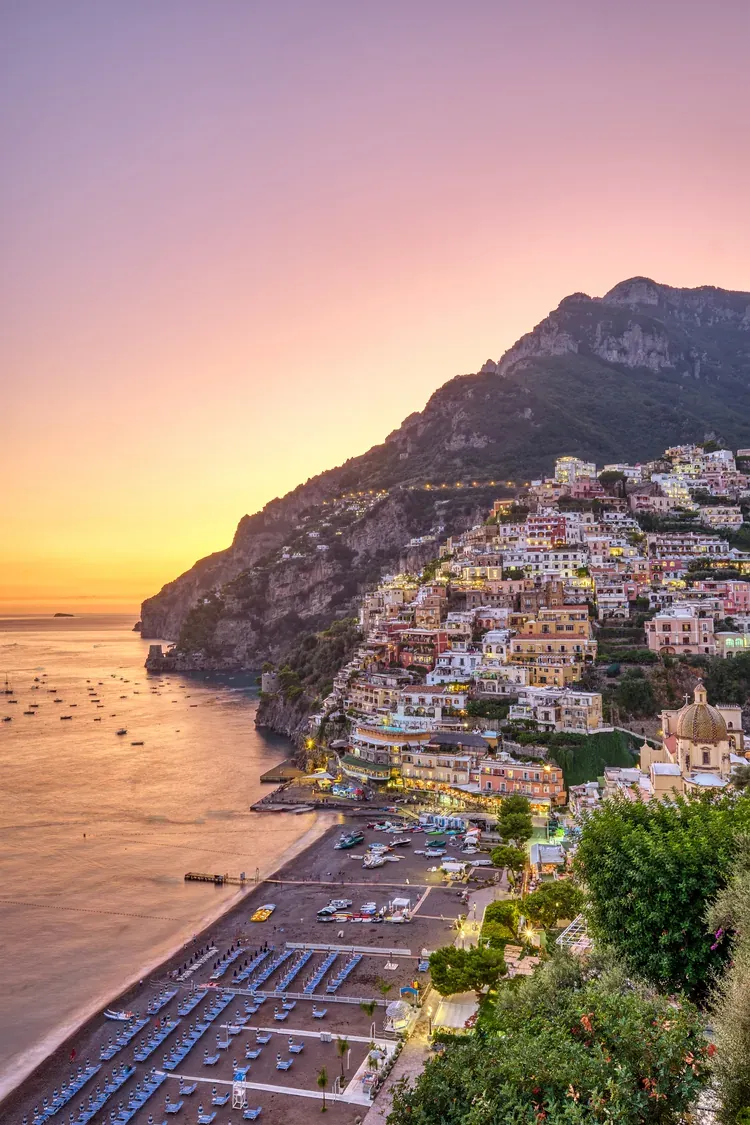
Positano rises in tiers from a cove on the Amalfi Coast, its pastel houses and terraced gardens stacked so steeply up the hillside that stairs, rather than streets, link most of the town. It grew wealthy as a market port between the 15th and 17th century, then declined through the 19th century as many residents emigrated to America. Its modern fame owes much to John Steinbeck, who wrote about the town for Harper's Bazaar in May 1953, and the tourism boom followed over the decades after.
A town without a flat street
Nearly everything sits along the descent from the coast road down to Spiaggia Grande, with Via dei Mulini and Via Pasitea carrying most of the shops and restaurants between them. Above the town, the hamlets of Montepertuso and Nocelle climb higher still, reached by local bus or on foot, both quieter and cooler than the crowded shore below.
When to go and how long to stay
April to June and September to October bring warm weather without the heaviest crowds and heat of July and August. A single day covers the beaches, the church and the shopping streets at an easy pace, and many visitors add a night or two to walk the Path of the Gods or explore the coast further by boat. The Amalfi Coast as a whole ranks among the essential tourist attractions and things to do in Italy, and Positano is among its best known towns.
Getting around
The town is entirely on foot, up and down its stepped lanes, with a local bus covering the steepest climbs to the upper streets and hamlets for a small fare. SITA buses run along the coast road to Sorrento and Salerno, and seasonal boats connect the harbour with Amalfi, Capri and Naples in the warmer months.