
Amsterdam tourist attractions
Known for
Canals, Dutch Golden Age art and cycling culture
Must-see landmarks
The Rijksmuseum, the Van Gogh Museum and Anne Frank House
World Heritage
17th-century canal ring, UNESCO listed since 2010
Best time to visit
April and May, for tulip season
10 must-see tourist attractions in Amsterdam
Here are the tourist attractions in Amsterdam worth planning around, starting with Rijksmuseum, Van Gogh Museum and Anne Frank House. The 10 top sights come first, then 33 hidden gems, free things to do, upcoming events, tickets and visitor FAQs. 9 of the 10 top sights are numbered on the free Amsterdam tourist map with a walking route.
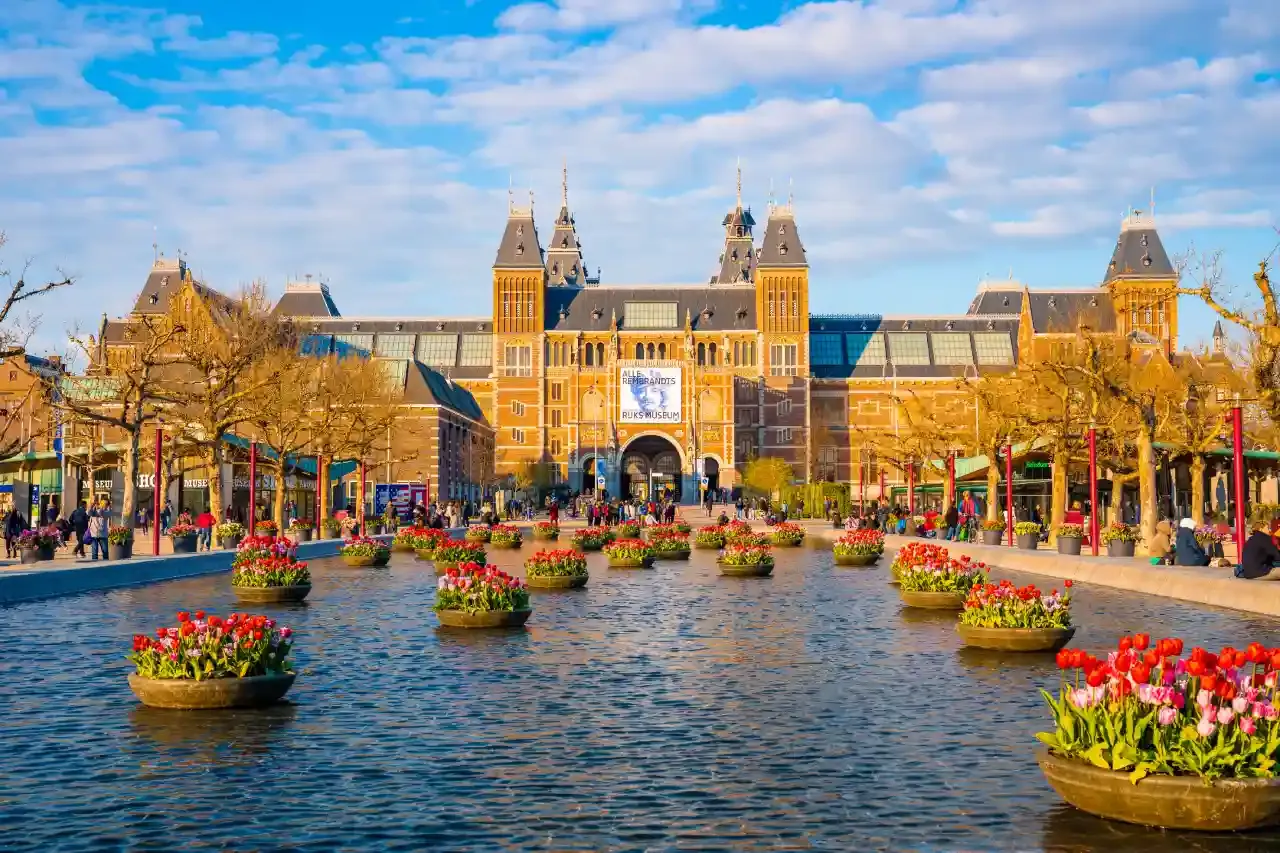
1. Rijksmuseum
The national museum of the Netherlands fills Pierre Cuypers' red brick landmark on Museumplein, which opened in 1885 and still lets cyclists ride through the passage cut beneath it. Inside, the Gallery of Honour builds towards Rembrandt's Night Watch, with Vermeer's Milkmaid, Frans Hals and eight centuries of Dutch art arranged under a glass roofed atrium. Visitors short on time can walk that one corridor and still see the headline works. The Stedelijk, the country's modern art museum, stands on the same square.
Architect: Pierre Cuypers · Opened: 1885
Location: Museumstraat 1, Amsterdam
Access: Timed entry, and everyone has to book a start time · Tickets and tours
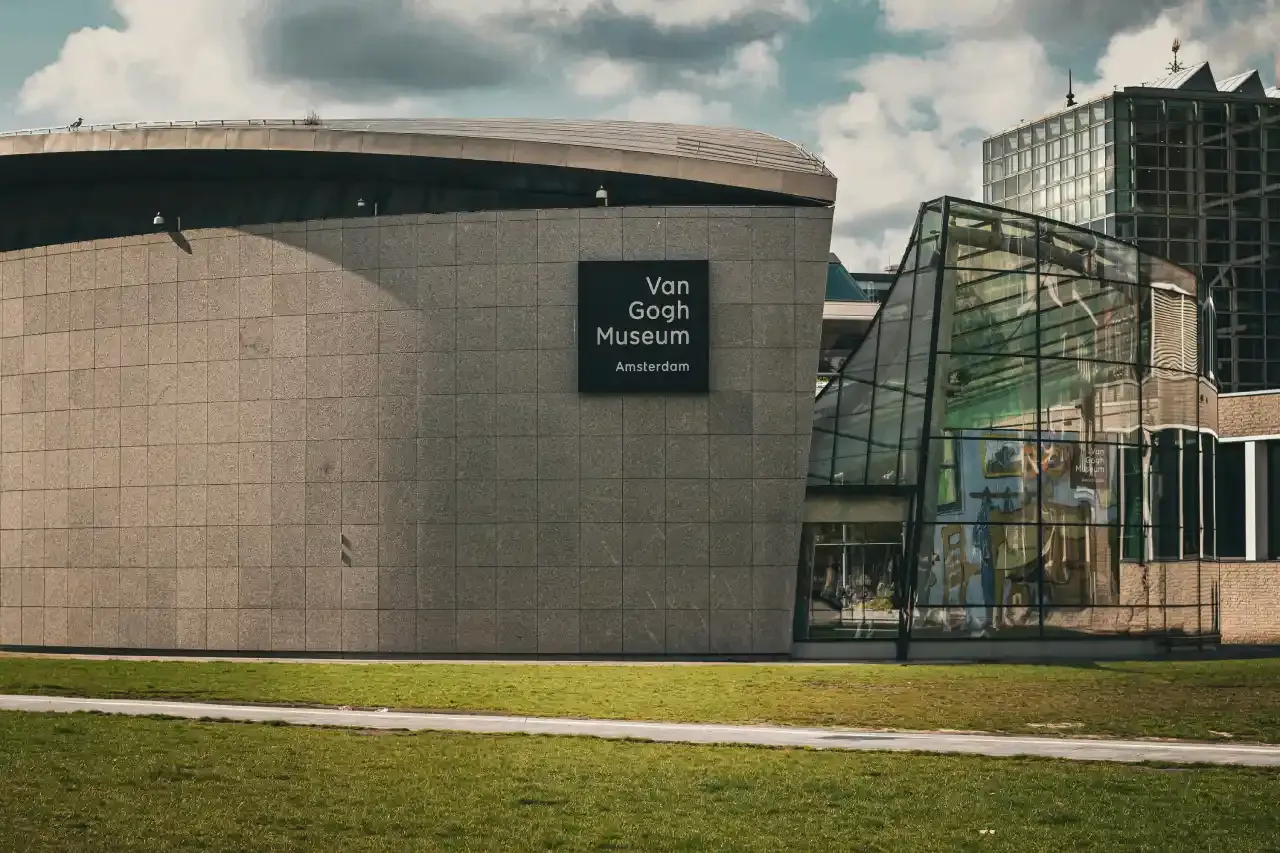
2. Van Gogh Museum
The largest collection of Van Gogh's work anywhere follows a career that lasted barely a decade, from the dark peasant scenes of his Dutch years to the sunflowers and wheatfields painted in the south of France. Letters to his brother Theo run alongside the canvases, and paintings by Gauguin, Monet and other contemporaries place him among the artists he learned from. The permanent display sits in the main building on Museumplein, with temporary exhibitions in the curved wing behind it.
Location: Museumplein 6, 1071 DJ Amsterdam
Access: Timed entry, tickets online only, open daily from 09:00 to 18:00 and Fridays until 21:00 · Tickets and tours
3. Anne Frank House
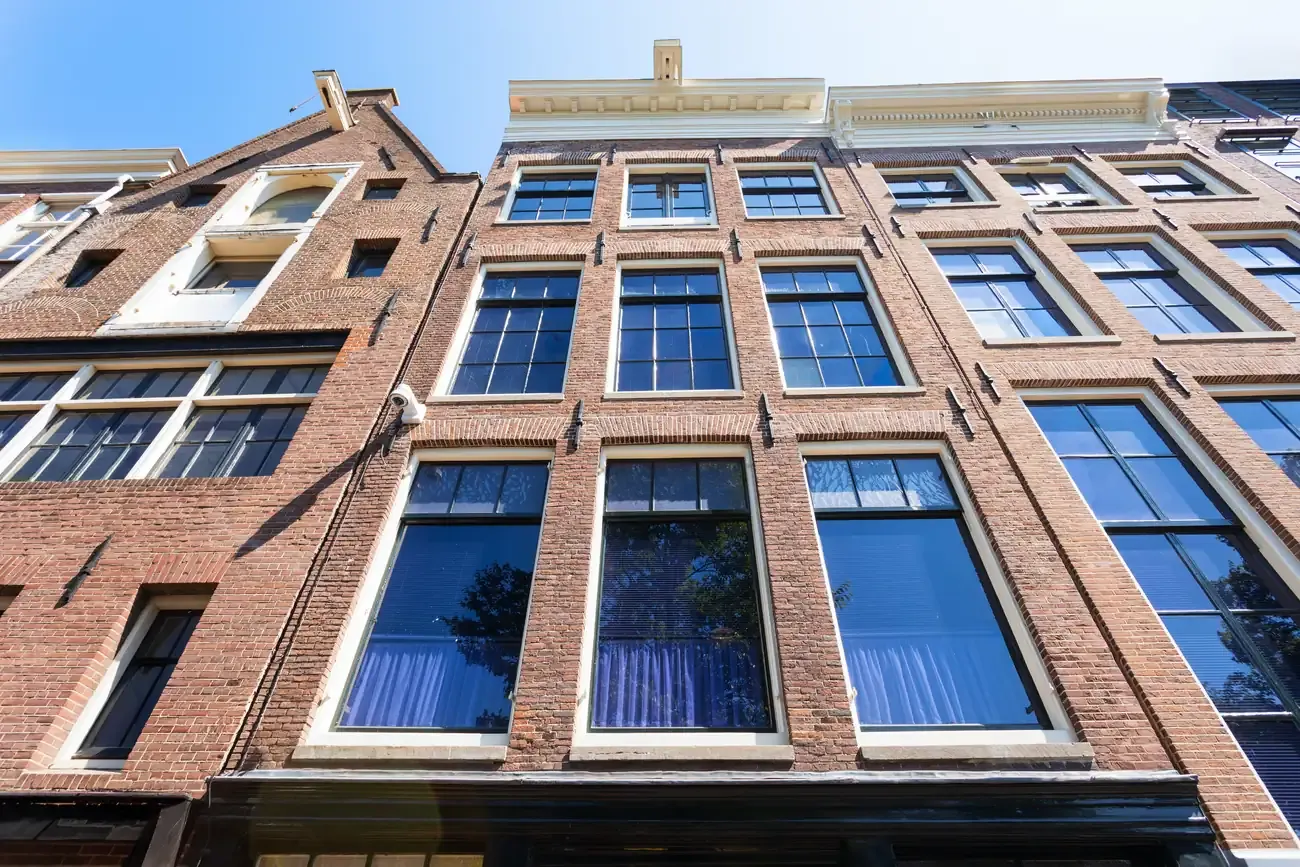
The canal house on the Prinsengracht where Anne Frank, her family and four other people hid for just over two years is preserved as a museum built around the secret annex behind the bookcase. The rooms are left unfurnished, as they were found after the arrest, and the diary itself is on display at the end of the route. Booking takes planning: all tickets for a given date are released on Tuesdays at 10:00 for a visit six weeks later.
Museum opened: 1960
Location: Westermarkt 20, 1016 DK Amsterdam
Access: Timed entry, sold online only and never at the door. No tram stops at the Westermarkt while the Raadhuisstraat is rebuilt.
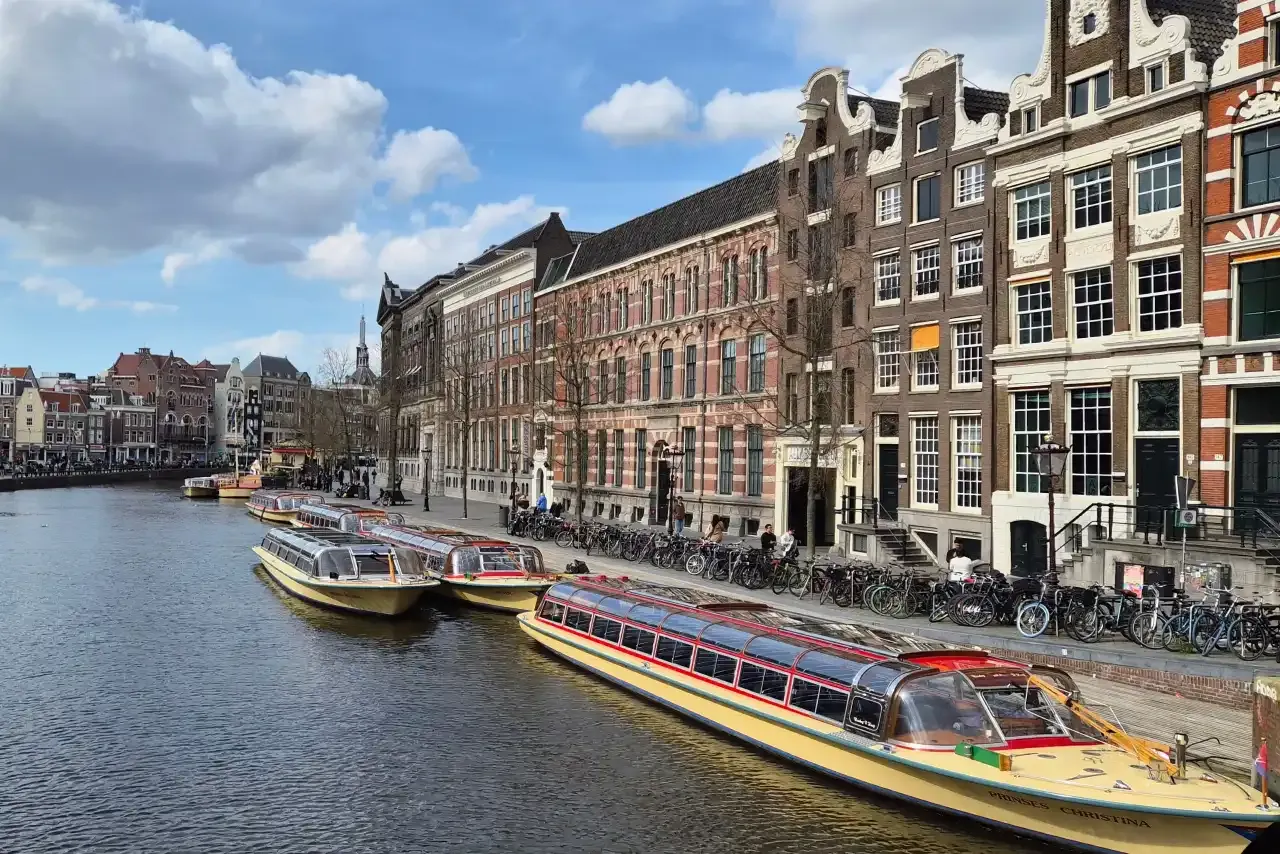
4. Amsterdam Canal Cruises
The ring of canals inside the Singelgracht was dug as a planned expansion at the end of the 16th and start of the 17th centuries, and UNESCO added it to the World Heritage list in 2010. Seen from a boat the district reads the way it was designed to be read, with gabled merchant houses turning their narrow fronts to the water, hoisting beams still fixed under the roofs, and bridges lining up one behind another. Evening departures trade the detail for the reflections.
Heritage: UNESCO World Heritage since 2010
Location: Canal ring inside the Singelgracht, central Amsterdam
Access: Ticketed · Tickets and tours
5. Vondelpark
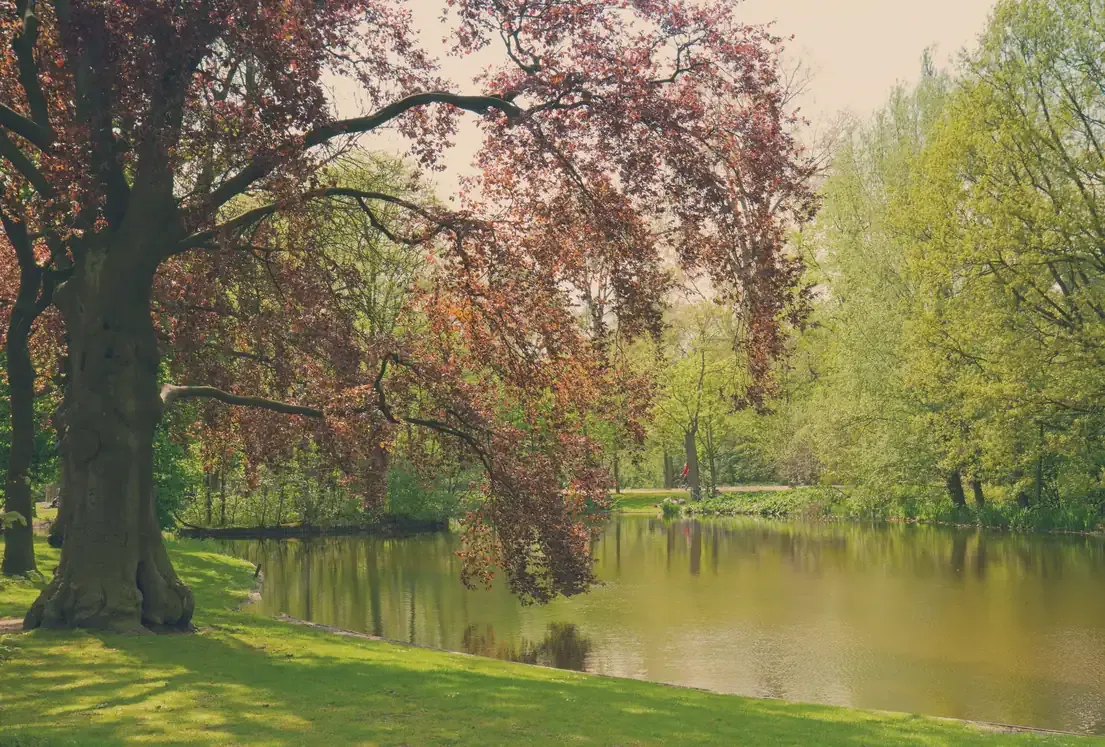
Laid out in 1865 and now protected as a national monument, the city's largest park spreads ponds, lawns and cycle paths across Oud Zuid, a short walk from Museumplein. Amsterdammers treat it as a shortcut, a running track and a picnic ground at once, and the open air theatre puts on a summer programme of music, comedy, dance and theatre at weekends that the city lists as free to attend. Rose garden aside, most of it rewards wandering rather than route planning.
Opened: 1865 · Heritage: Rijksmonument
Location: Amsterdam Oud Zuid
Access: Free, with no gate, ticket desk or closing time.
6. Dam Square
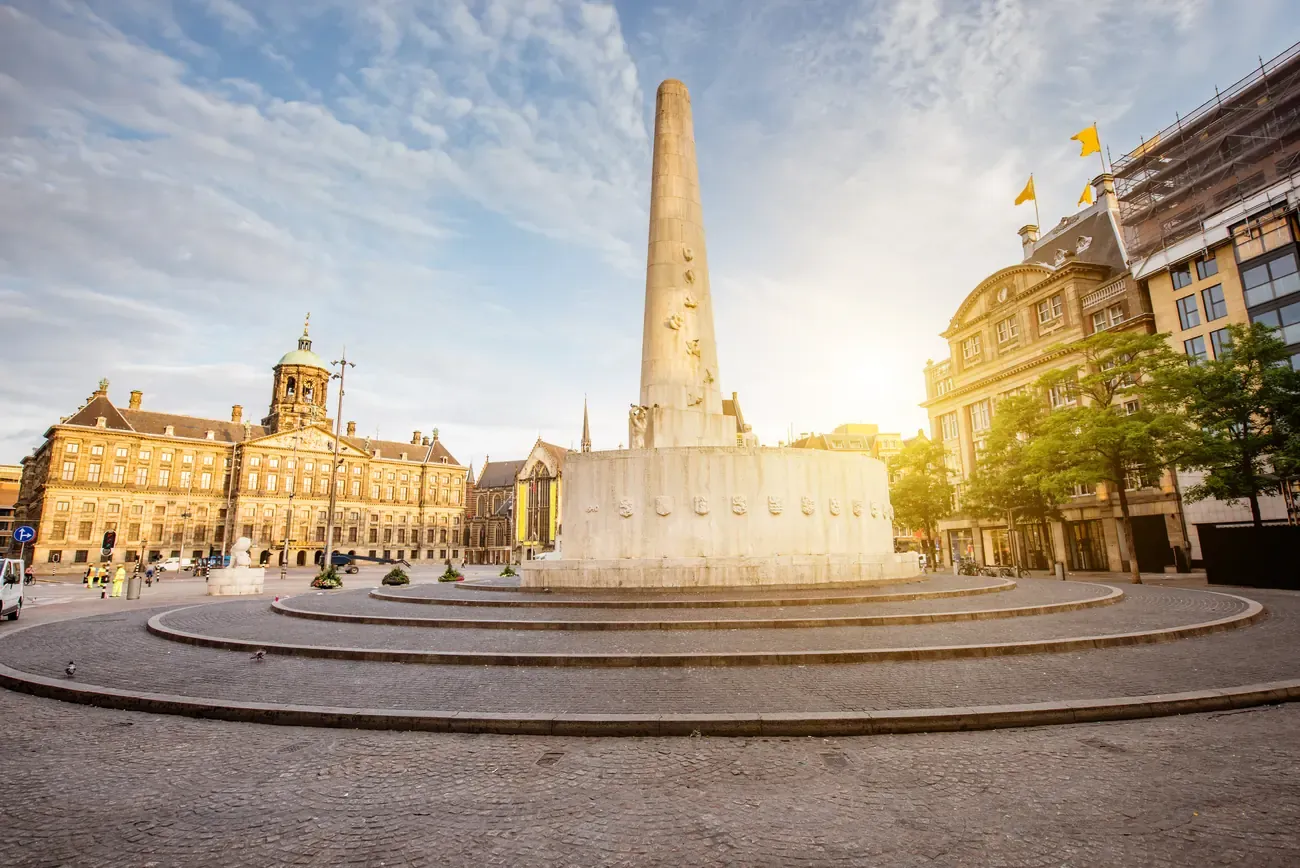
The square takes its name and its position from the dam thrown across the Amstel that gave the city its name, and it still works as the point everything else is measured from. The Royal Palace, which remains the reigning monarch's official reception palace for state visits, faces the Nieuwe Kerk across the open space, and the white stone National Monument to the dead of the Second World War stands at the eastern end. Street performers arrive with the crowds, so early mornings are quieter.
Location: Dam, central Amsterdam
Access: Free and open at any hour. The Royal Palace and the Nieuwe Kerk charge their own admission.
7. Hortus Botanicus Amsterdam
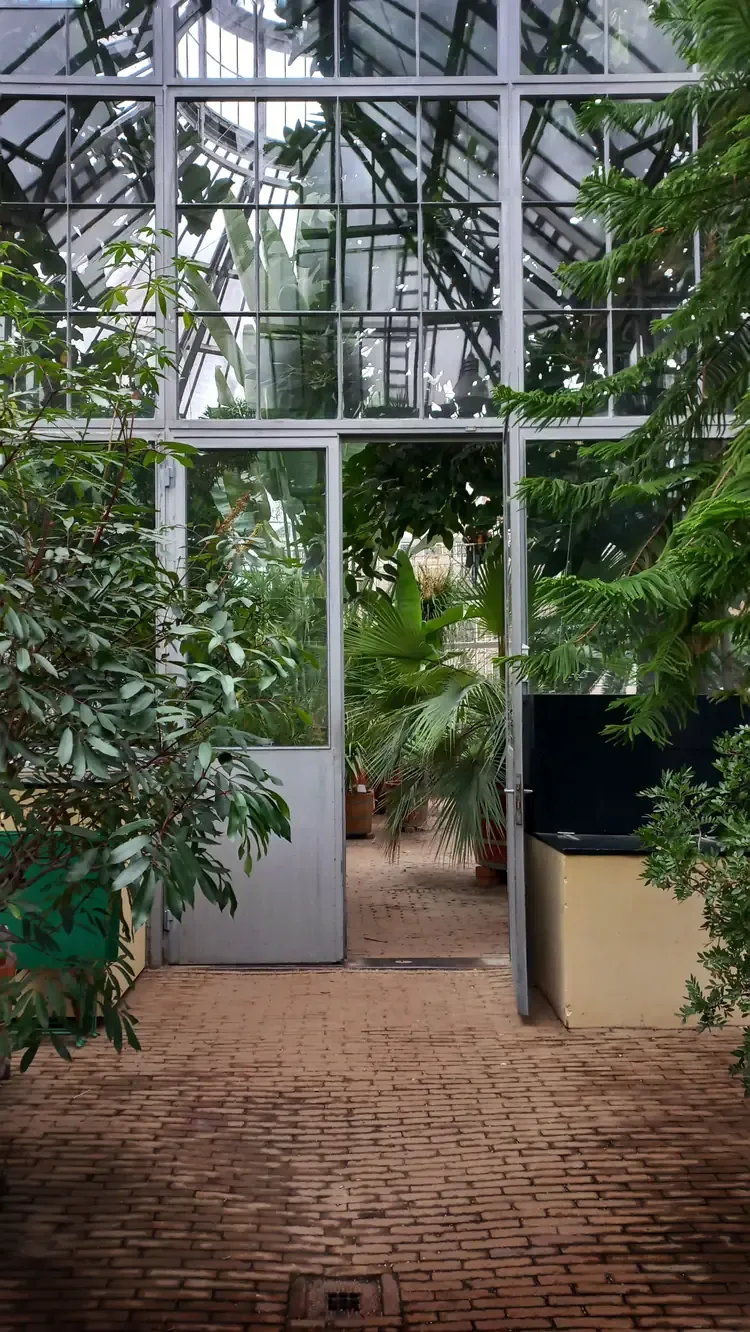
Founded in 1638 as a physic garden where the city's doctors and apothecaries grew medicinal plants, the Hortus has kept its walled plot in the Plantage while the collection outgrew it several times over. Glasshouses hold the tender species, among them the Palm House, and the outdoor beds are planted by family so the layout doubles as a lesson. ARTIS, the city zoo, sits directly next door, which makes the two an easy morning together.
Founded: 1638
Location: Plantage Middenlaan 2A, 1018 DD Amsterdam
Access: Ticketed, open daily from 10:00 to 17:00 and closed on 25 December and 1 January.
8. Heineken Experience
Heineken's oldest brewery stopped producing in 1988, when the operation outgrew the 19th century building on the Stadhouderskade, and the site now runs as a self guided route through the brewing process, the copper kettles, the stables and a century of advertising, ending at a rooftop bar with a view over the south of the city. The pace is set by the visitor rather than a guide, with only the entry slot fixed. Nobody under 18 is admitted, and identification is checked on arrival.
Location: Stadhouderskade 78, 1072 AE Amsterdam
Access: Timed entry, self guided, over 18s only · Tickets and tours
9. Zaanse Schans
Working windmills, green painted wooden houses and craft workshops stand along the Zaan in this open air heritage village, assembled from 1961 with buildings moved here from around the Zaan region to save them. Millers still turn sails to grind pigment, spices and oil, and the coopers, clog makers and cheese makers work in front of visitors rather than behind glass. It sits outside Amsterdam in Zaandam, close enough for a half day trip north of the city.
Created: 1961
Location: Schansend 7, 1509 AW Zaandam
Access: The village is free to walk and most locations open from 09:00 to 17:00. Mills and museums are ticketed · Tickets and tours
10. Keukenhof
Millions of tulips, daffodils and hyacinths are planted in ribbons through woodland and around water at this bulb garden in Lisse, southwest of Amsterdam in the growing region that supplies much of the trade. The beds are replanted every autumn so the display peaks across the short run of the season, and the flower shows under glass carry it through the weeks when the outdoor beds turn over. It opens for roughly eight weeks each spring, from mid March to early May, and stays shut the rest of the year.
Opened: 1950
Location: Stationsweg 166A, 2161 AM Lisse
Access: Ticketed and strictly seasonal · Tickets and tours
Amsterdam attraction tickets and tours
Upcoming events in Amsterdam
Picture This
Picture This plays Melkweg on 2 November at 19:00.

Chad Daniels & Kelsey Cook
Chad Daniels & Kelsey Cook plays Boom Chicago on 2 November at 20:00.
Cheeky Monday: PYTHIUS!
Cheeky Monday: PYTHIUS! plays Melkweg on 2 November at 23:00.

Candlelight: De vier jaargetijden van Vivaldi
Candlelight: De vier jaargetijden van Vivaldi comes to Zuiderkerk on 7 November at 19:00.

Candlelight: Het beste van Ludovico Einaudi
Candlelight: Het beste van Ludovico Einaudi comes to Posthoornkerk on 12 November at 18:45.

Wwe - Road To Royal Rumble
Wwe - Road To Royal Rumble comes to Ziggo Dome on 17 January 2027 at 19:30.
Free attractions to visit in Amsterdam
Begijnhof
An easily missed door on the Spui opens onto this 14th century almshouse court, entered at no cost and without a ticket desk of any kind. People still live around the green, so the unrestricted access carries one condition: stay quiet and skip photographing private windows.
The Nine Streets
Raadhuisstraat to Leidsegracht, these nine cross streets between four canals cost nothing to wander and reward slow browsing over buying. Shop windows, courtyard gardens and canal glimpses make the walk worthwhile even without a single purchase.
Free ferries across the IJ
GVB runs a fleet of free passenger ferries across the IJ river from behind Centraal Station to Amsterdam Noord, open to pedestrians, cyclists and wheelchair users day and night with no ticket needed, and the short crossing gives the easiest first look at the former shipyards and creative spaces on the north bank.
Bloemenmarkt flower market
Amsterdam's floating flower market lines the Singel canal on a row of houseboats and platforms, free to browse daily, with tulip bulbs, seasonal blooms and souvenirs sold from stalls that have traded on the water since 1862.
Albert Cuypmarkt
De Pijp's long street market runs Monday to Saturday from 09:30 to 17:00 and charges no entry, its stalls of fabric, cheese, herring and fresh produce free to browse whether or not anything gets bought. Sunday closing is the one gap in the week.
NEMO rooftop terrace
The stepped rooftop square of the boat-shaped NEMO Science Museum is reachable by the outside stairs without a museum ticket, open most days from 10:00 with a sweeping view over the IJ and the historic centre, weather permitting.
NDSM Wharf street art
Amsterdam Noord's former shipyard is covered in murals, graffiti and public art that cost nothing to see while walking or cycling the site, reached by the free ferry from Centraal. The STRAAT gallery inside one old warehouse is a separate paid museum.
Amsterdam City Archives Treasure Room
The Treasure Room of the Stadsarchief, set in the vaults of the former De Bazel bank building, is a permanent exhibition with free admission, displaying original photographs, maps and documents that trace the city from its medieval charter to the present.
Small and strange museums in Amsterdam
Electric Ladyland
A basement of minerals and art that glow under ultraviolet light, run by the artist who built it.
Location: Tweede Leliedwarsstraat 5, Amsterdam. Wednesday to Saturday afternoons, by appointment only. Website
Nieuwe Spiegelstraat
A street of antique dealers where the window displays run to globes, medical instruments and tribal art rather than souvenirs.
Location: Nieuwe Spiegelstraat, Amsterdam
The Torture Museum
Dimly lit corridors of punishment devices and prints, explaining how justice was administered before prisons existed.
Location: Singel 449, Amsterdam
Cuypers Library
The largest art history library in the country, a galleried reading room of coloured spines and a spiral staircase inside the Rijksmuseum.
Location: Museumstraat 1, Amsterdam
KattenKabinet
A canal house museum of art about cats, founded in 1990 in memory of one. Resident cats included.
Location: Herengracht 497, Amsterdam. Website
Museum Vrolik
The university's anatomical collection, begun by two professors of anatomy in the 18th and 19th centuries and not for the squeamish.
Location: Meibergdreef 15, Amsterdam
Amsterdam Cheese Museum
A shop cellar turned exhibition on how Dutch cheese is made and why Gouda can be produced anywhere.
Location: Prinsengracht 112, Amsterdam
The Hash, Marijuana and Hemp Museum
Open since 1985 on the Oudezijds Achterburgwal, covering hemp as rope and fabric as much as anything smoked.
Location: Oudezijdsachterburgwal 148, Amsterdam
Red Light Secrets
A former working house on the canal, opened as a museum that explains the district's trade from the workers' side.
Location: Oudezijds Achterburgwal 60h, Amsterdam
Museum Tot Zover
A museum of death and funeral custom, set in a 19th century foreman's house inside the city's largest cemetery.
Location: Kruislaan 124, Amsterdam. Website
The Resistance Museum
How the Dutch resistance organised under Nazi occupation, told through forged papers, underground presses and the choices ordinary people faced.
Location: Plantage Kerklaan 61A, Amsterdam
Amsterdam Tulip Museum
A small museum behind a flower shop tracing the tulip from central Asia to the speculative crash of the 1630s.
Location: Prinsengracht 116, Amsterdam. Website
Creatures great and very small in Amsterdam
De Poezenboot
A houseboat on the Singel that has been a sanctuary for stray and abandoned cats since 1966, open to visitors.
Location: Singel 38G, Amsterdam
Micropia
A zoo of microbes, where microscopes and screens put bacteria, fungi and the things living on visitors themselves on display.
Location: Artisplein, Plantage Kerklaan, Amsterdam. Website
In 't Aepjen
One of two surviving wooden houses in the city, a sailors' inn on the Zeedijk whose name recalls the monkeys crews arrived with.
Location: Zeedijk 1, Amsterdam
Churches hidden and repurposed in Amsterdam
Our Lord in the Attic
A complete 17th century Catholic church built into the attics of a canal house, from the years when Catholic worship was pushed out of sight.
Location: Oudezijds Voorburgwal 38, Amsterdam. Website
Oudekerksplein
The square around the city's oldest church, where a bronze tribute to sex workers stands a few steps from the church door.
Location: Oudekerksplein, Amsterdam
Paradiso
A 19th century church by Gerlof Salm that has run as a concert hall since 1968, with the stage set below the rose window.
Location: Weteringschans 8, Amsterdam. Website
Hidden gems in Amsterdam worth the detour
Oudemanhuispoort
A covered passage through the university where secondhand book stalls have traded since the 18th century.
Location: Oudemanhuispoort 1A, Amsterdam
Amsterdam Oersoep
A shopping arcade off the Damrak lined floor to ceiling in Italian glass mosaic, showing fish, coral and a wreck.
Location: Beurspassage 1, Amsterdam
A'DAM Lookout
An observation deck on a 1971 office tower in Amsterdam Noord, with a swing that pushes riders out over the edge.
Location: Overhoeksplein 2, Amsterdam
Café Papeneiland
A brown café of 1642 on the Prinsengracht, panelled and tiled in Delft blue, with a tunnel story attached to its cellar.
Location: Prinsengracht 2, Amsterdam
Theater Tuschinski
An art deco cinema of 1921 by Hijman Louis de Jong, carpeted, painted and organ fitted, still screening films daily.
Location: Reguliersbreestraat 26, Amsterdam. Website
Brouwerij 't IJ
A brewery of 1985 in a former municipal bathhouse, sitting at the foot of the De Gooyer windmill on the eastern edge of the centre.
Location: Funenkade 7, Amsterdam. Website
Beth Haim Cemetery
The oldest Jewish cemetery in the country, its carved Portuguese stones sinking slowly into wet ground at Ouderkerk aan de Amstel.
Location: Kerkstraat 10, Ouderkerk aan de Amstel
Kleine Trippenhuis
The narrowest house front in the city, barely wider than its door, built facing the grand Trippenhuis across the water.
Location: Kloveniersburgwal 26, Amsterdam
Paternoster Lift
A chain of open cabins that never stops moving, one of the last of its kind still running in a working building.
Location: Prins Hendrikkade 108, Amsterdam
The Ritman Library
A collection of manuscripts and early printed books on mysticism, alchemy and philosophy, housed in a canal house museum.
Location: Keizersgracht 123, Amsterdam
The Little Woodcutter
A tiny bronze sawyer at work high in a tree by the Leidsekade, missed by almost everyone who walks underneath.
Location: Leidsekade, near Vondelpark, Amsterdam
Homomonument
Three pink granite triangles set into the Westermarkt since 1987, the first monument anywhere to gay and lesbian people persecuted for who they were.
Location: Westermarkt, Amsterdam. Website
Pizzeria San Marco
A canalside window on the Amstelkanaal that serves passing boats, handing pizza down to anyone who ties up beneath it.
Location: Amstelkade 148a, Amsterdam
City Hall Urinal
A cast iron street urinal that carries national monument status, standing where it always has beside the old city hall.
Location: Oudezijds Voorburgwal 195, Amsterdam
De Waag
A city gate of 1488 turned weigh house and anatomy theatre, now the oldest surviving non religious building in the city.
Location: Nieuwmarkt 4, Amsterdam
What makes Amsterdam special
Amsterdam grew up on water, its Golden Age wealth channelled into a ring of canals that still shapes how the city is read today. More canals cross Amsterdam than Venice, and the 17th century Grachtengordel, a UNESCO World Heritage site since 2010, still frames the historic centre in concentric bands of gabled houses and hump-back bridges. That engineering feat sits alongside a compact museum quarter holding Rembrandt, Vermeer and Van Gogh, and a cycling culture that outnumbers cars on most inner streets.
Neighbourhoods to know
Binnenstad, the medieval core around Dam Square and Centraal Station, gives way to the Grachtengordel, the three main canals ringing the centre. West of the canals, the Jordaan keeps a village feel among its narrower waterways, once a working class quarter and now home to small galleries and cafes. Plantage, to the east, is leafy and spacious around its zoo and botanical garden, while Amsterdam Zuid holds Museumplein and Vondelpark.
When to go and for how long
Amsterdam counts close to a million residents and draws visitors year round. April and May bring the tulip season and milder crowds, while June to August is busiest and warmest. Three to four days cover the canal ring, the main museums and a slower neighbourhood or two, with a fifth useful for a day trip further out.
Getting around
The centre is compact enough to cross on foot in under an hour, and bicycles outnumber cars on most inner streets, with rental shops throughout the Binnenstad. Trams and buses run by GVB link the wider city, free ferries cross the IJ river to Amsterdam Noord day and night, and canal boats offer a waterborne alternative to the trams. That canal ring is one of thirteen UNESCO World Heritage sites across the Kingdom, and the rest are spread within reach of the same rail network on any run of the tourist attractions in the Netherlands.