Haarlem, in the Netherlands' North Holland province, built its wealth on the Golden Age trade in flowers, beer and textiles, and on painters such as Frans Hals and Jacob van Ruisdael who worked in its light. A medieval street plan survives almost intact around the Grote Markt, and the city stays markedly quieter than Amsterdam, a short train ride away.
What makes Haarlem unique
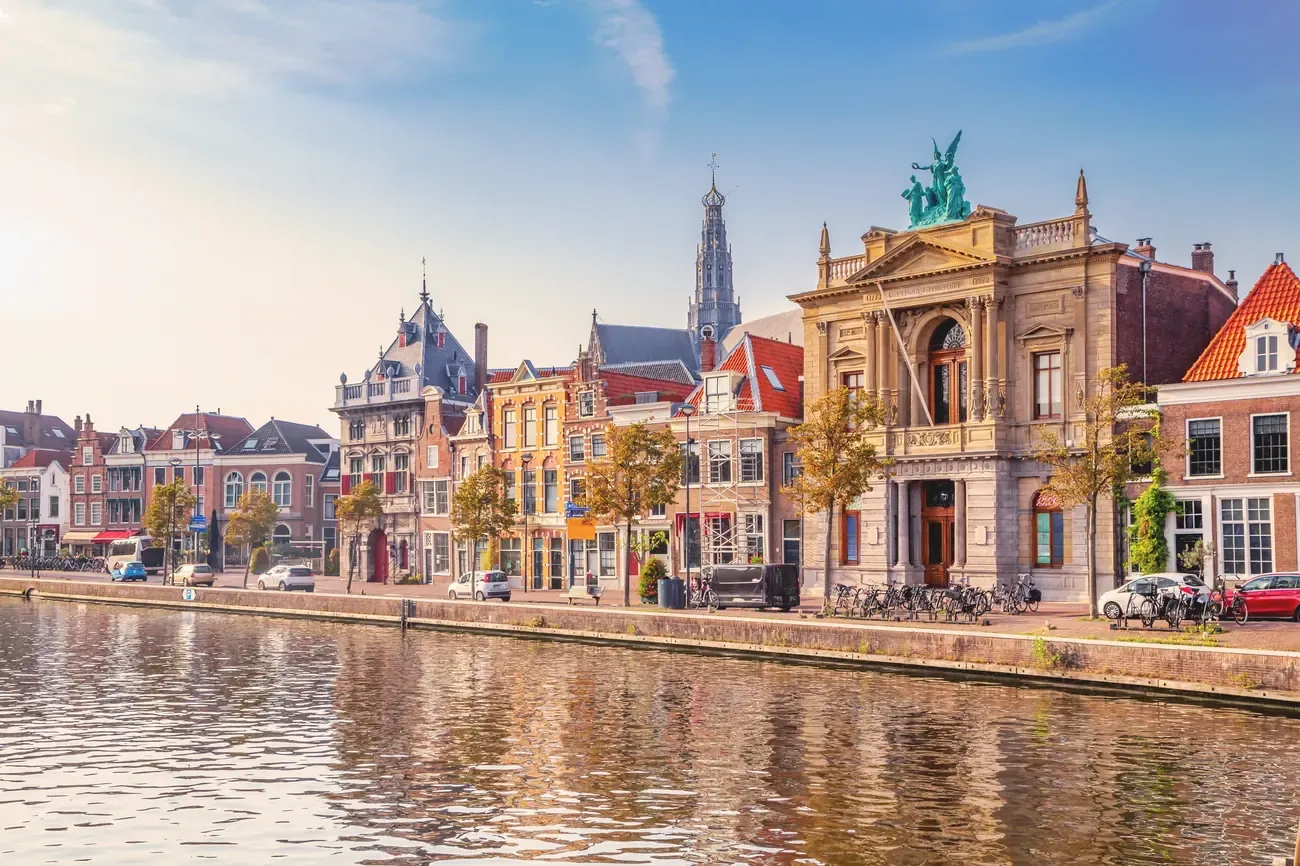
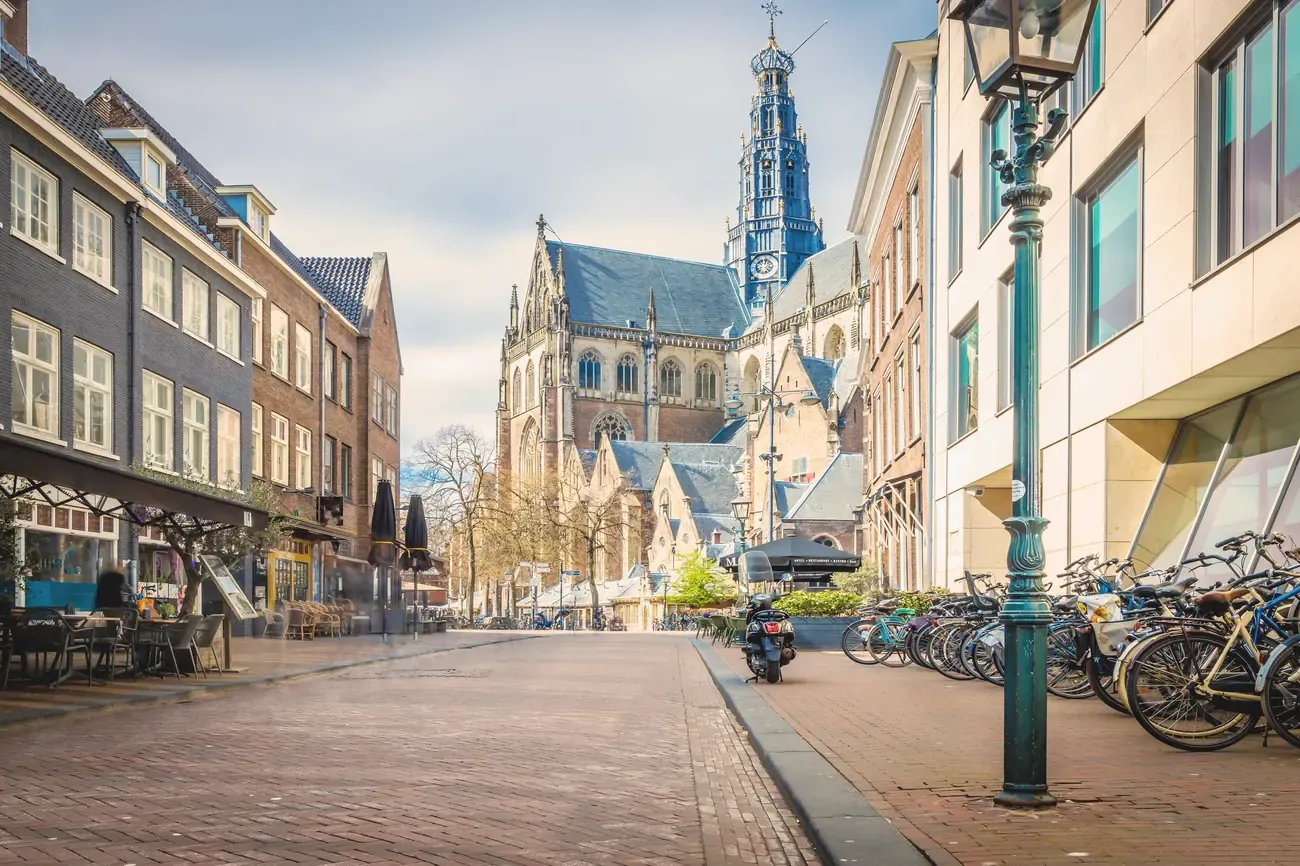
Few Dutch town centres pack this much history into a walkable core: a Gothic church with an organ Mozart played as a boy, a museum inside a 17th-century almshouse, and Teylers Museum, which opened in 1784 as the oldest museum in the Netherlands. Canals and hofjes, sheltered almshouse courtyards, thread the streets in between.
Neighbourhoods and areas
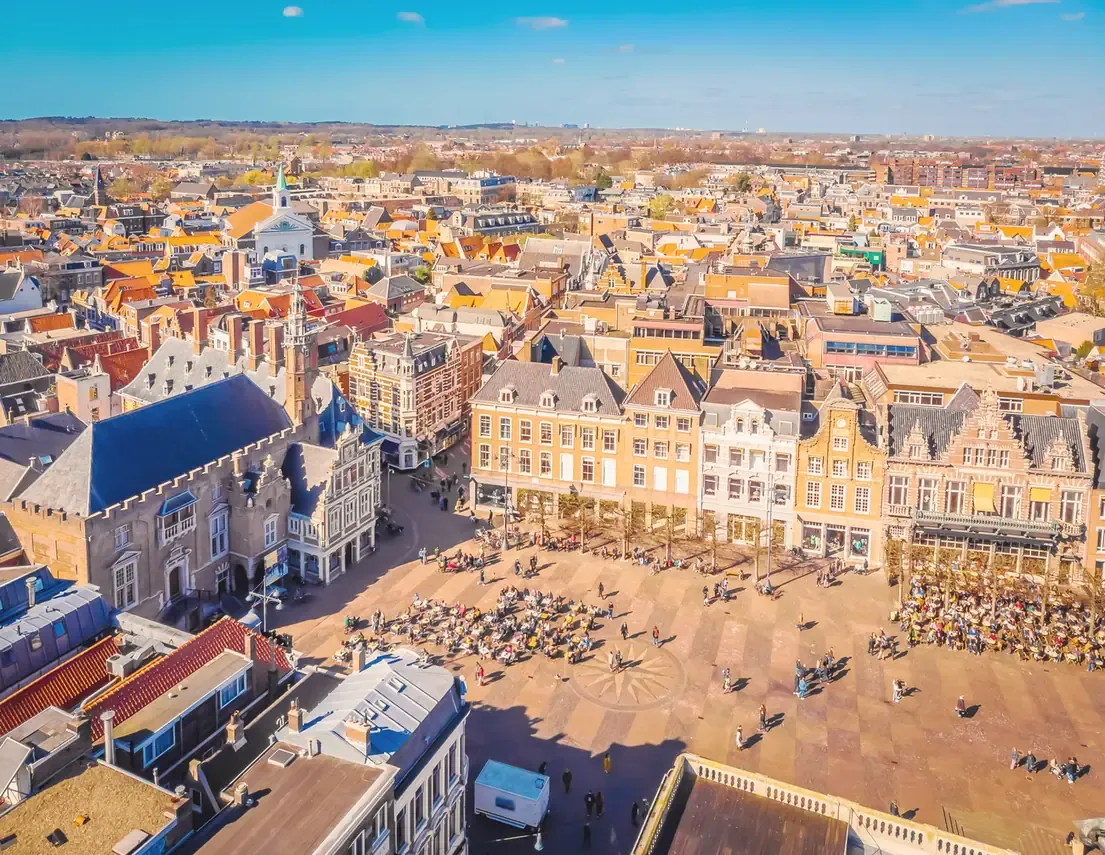
The centre packs almost everything worth seeing inside its old moat line, from the Grote Markt out to the Spaarne waterfront by the Amsterdamse Poort and the windmill. Haarlemmerhout, the wooded park on the southern edge, and the shopping streets around the Grote Houtstraat make an easy extension for a second day.
Day trips and when to go
Spring puts Haarlem within easy reach of the bulb fields and the Keukenhof gardens near Lisse, while summer brings the North Sea coast at Zandvoort into range too. The Dutch capital, Rotterdam and The Hague are all a short train ride away for a longer Dutch itinerary. A single day covers the historic centre; a second allows for a change of pace further afield.
Getting around
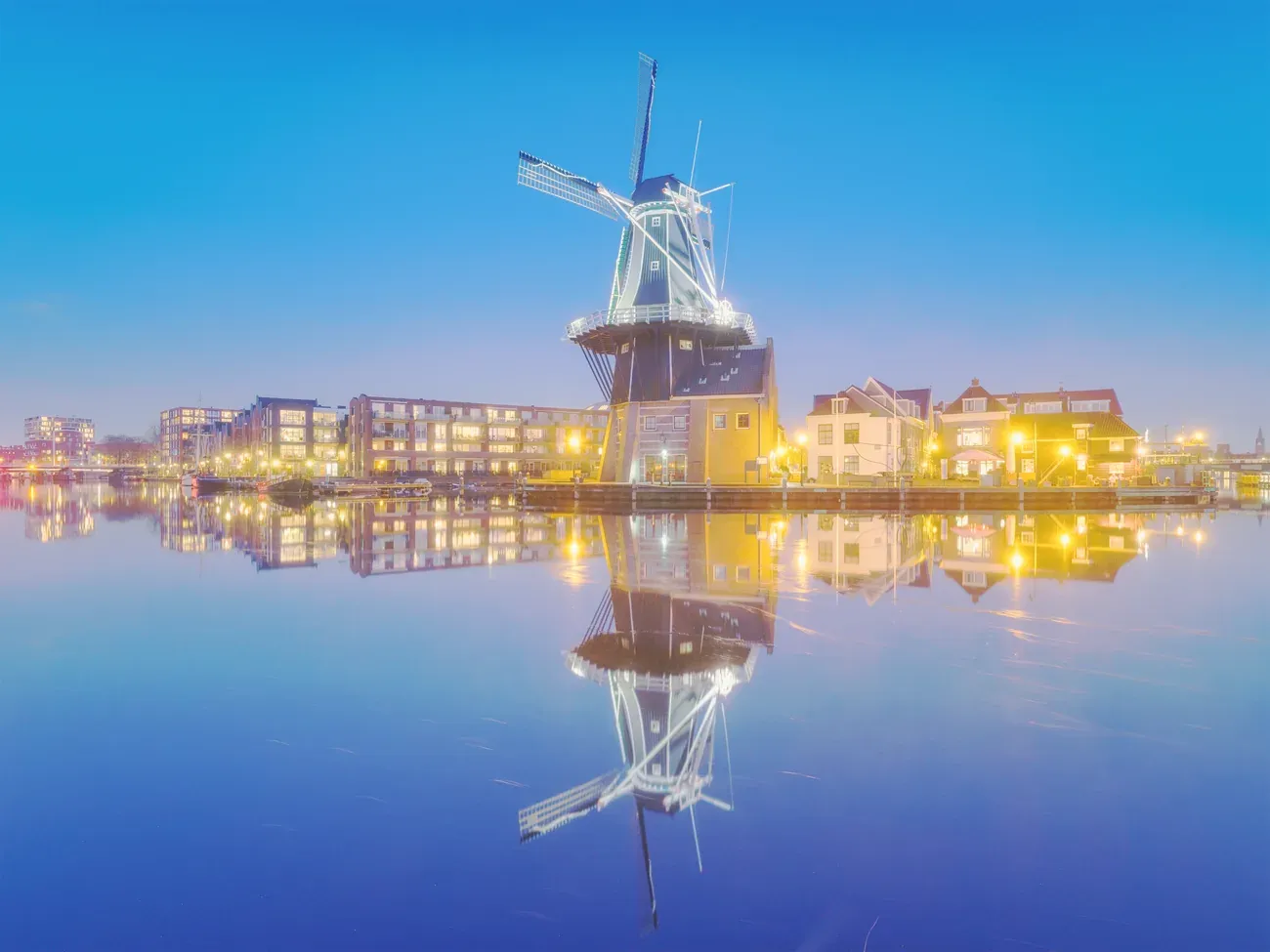
Haarlem's centre is compact enough to cross on foot, with the main sights clustered within easy walking distance of the Grote Markt. Buses fan out from the train station to the edges of town, and the flat streets make cycling, the Dutch default, an easy option too. Molen De Adriaan on the Spaarne, rebuilt in 2002 after a fire in 1932, is a reminder that the windmill landscapes on any list of the main tourist attractions in the Netherlands begin at the edge of town.