Tourist attractions in Leiden not to miss
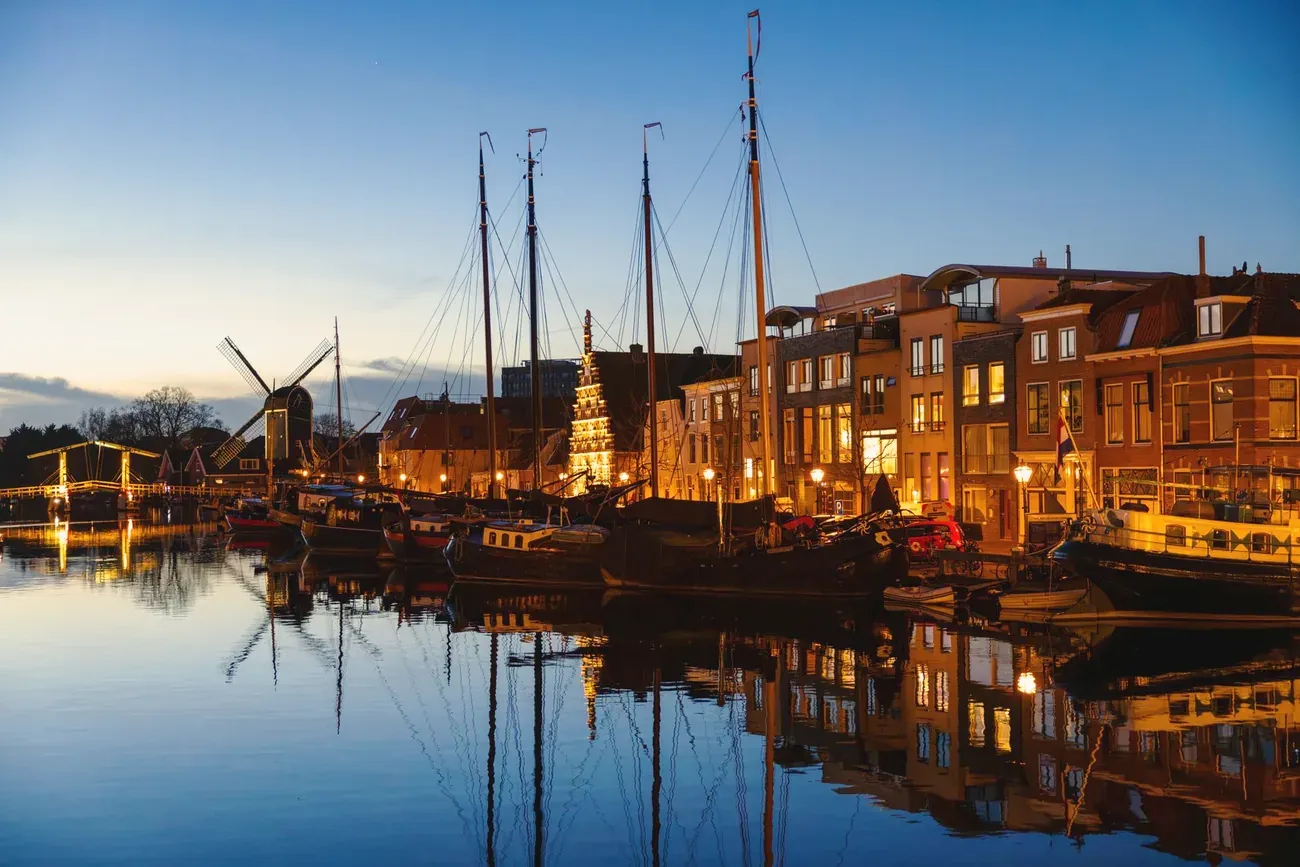
Leiden's tourist attractions fit into a single day. Molen De Valk, Rijksmuseum van Oudheden and Academiegebouw anchor the walking itinerary below, with 8 more sights, free things to do and visitor FAQs further down.
Why Leiden deserves your time
A university city built on discovery
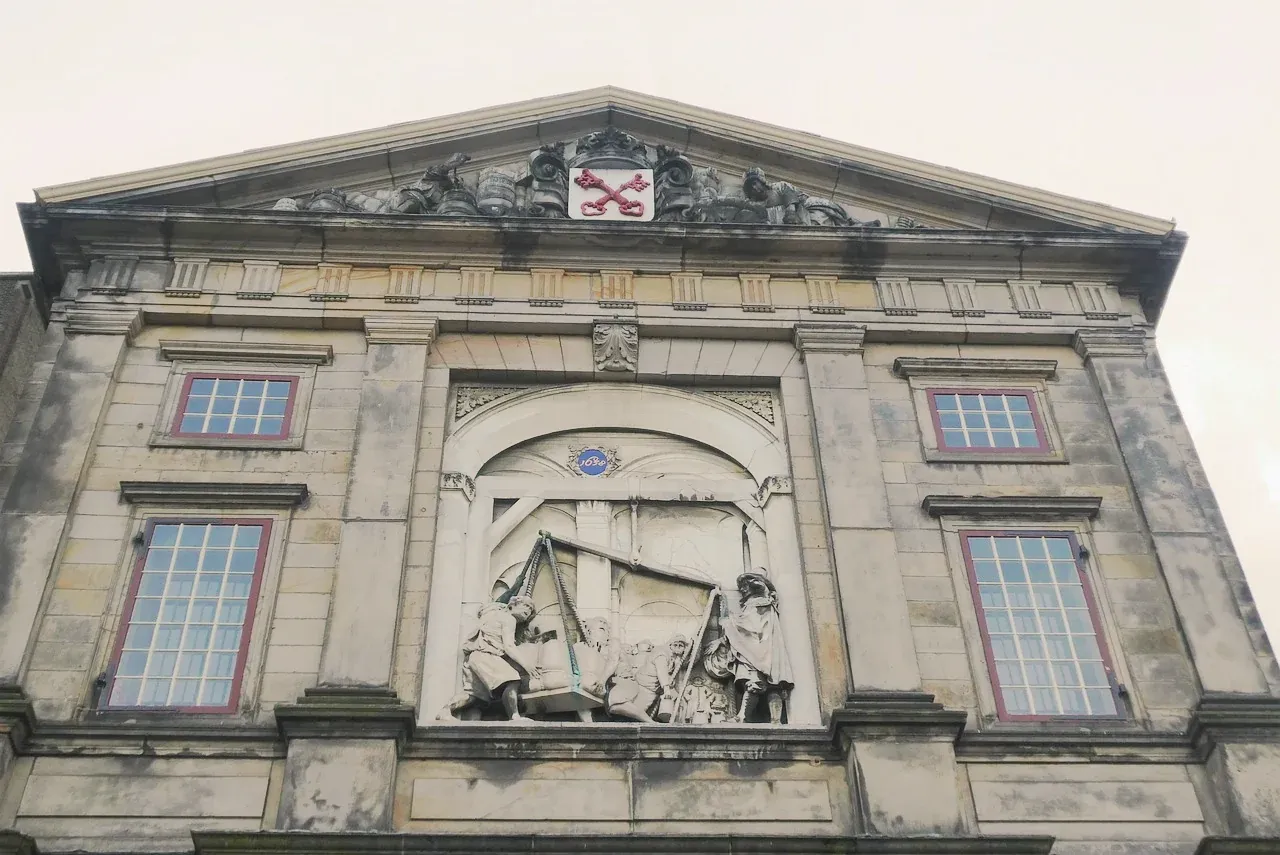
Leiden University, founded in 1575 by William of Orange after the city's resistance during the Spanish siege, calls itself the first university of the Northern Netherlands, and 16 Nobel Prize laureates have passed through it, by the university's own count. Rembrandt was born here in 1606, and the city's silver coat of arms carries two crossed keys, giving Leiden its nickname the Sleutelstad, or City of Keys.
Canals, courtyards and a student pulse
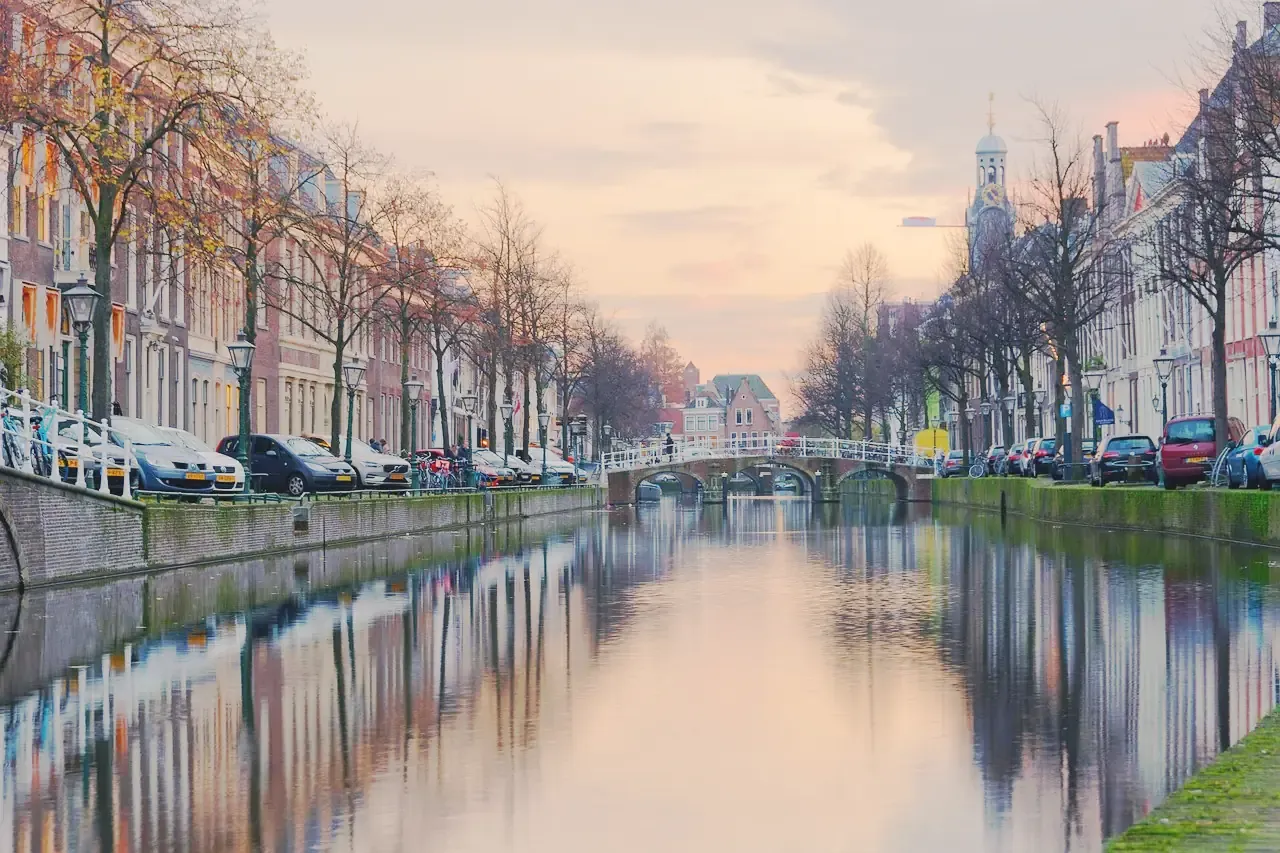
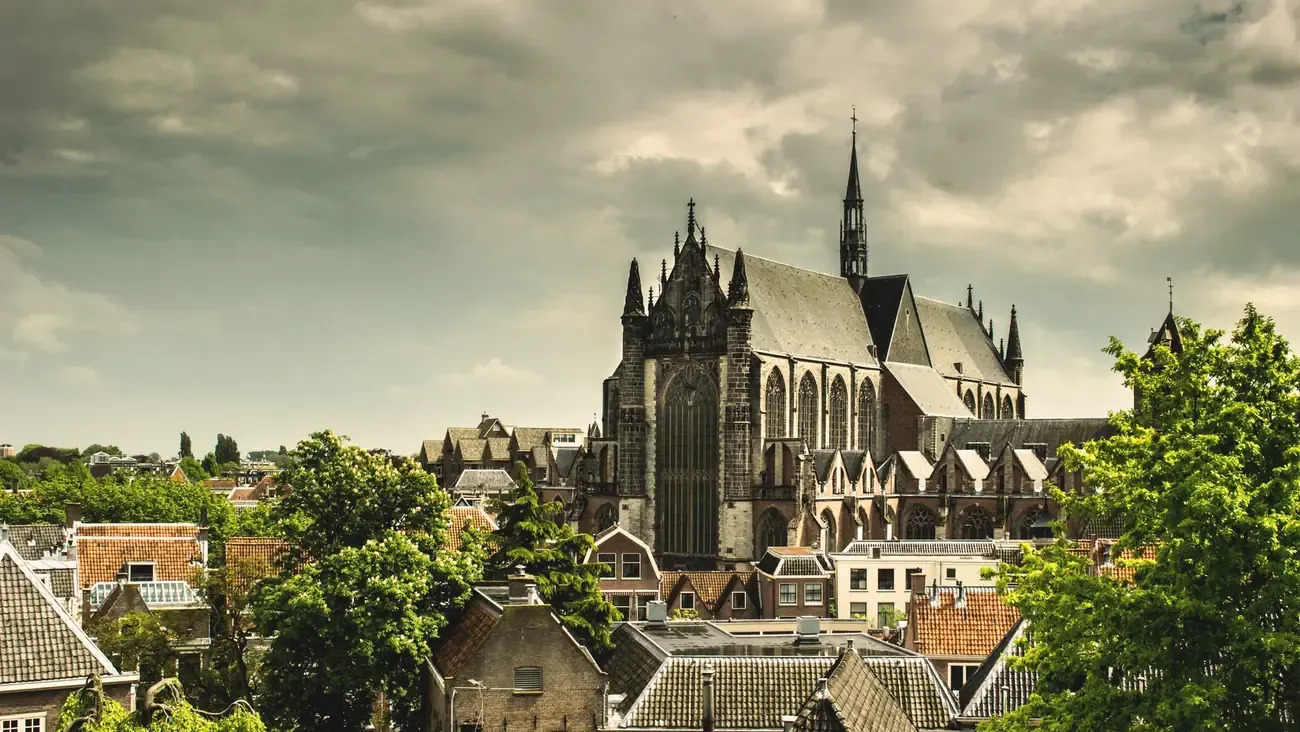
The historic centre spirals out from the Burcht along the Rapenburg and the Oude and Nieuwe Rijn canals, its gabled 17th century houses interrupted by hidden courtyard almshouses called hofjes. A large student population, drawn by the university, keeps the bars and cafes around the Breestraat busy well into the evening. Every 3 October the city marks Leidens Ontzet, commemorating the lifting of the 1574 siege, with a service in the Pieterskerk followed by a market and fair that trace back to the event itself.
When to go and how many days
Spring brings the Hortus Botanicus into bloom alongside the tulip fields at the flower fields of Keukenhof, a short bus ride away near Lisse, which reopens for around eight weeks each year. A single day covers the historic centre's main sights at a steady pace, and two days leave room for a museum or two and a longer wander along the canals.
Getting around and nearby cities
The old centre is entirely walkable, with Leiden Centraal station a short walk from the Burcht and direct trains to Amsterdam, The Hague and Schiphol Airport. Many visitors combine Leiden with a day in The Hague or Delft, both close by train, or fold it into a longer stay based in Amsterdam. That Hortus was laid out in 1590 and is the oldest botanical garden in the country, one more reason to visit the tourist attractions in the Netherlands well beyond the capital.