

Rome tourist information
Rome asks a few things of its visitors. Churches expect covered shoulders, buses a validated ticket and the busiest sights a booked slot. The practical essentials, airport routes, first sights, this month's events and a free map sit together in one guide.
Rome visitor guides in one place
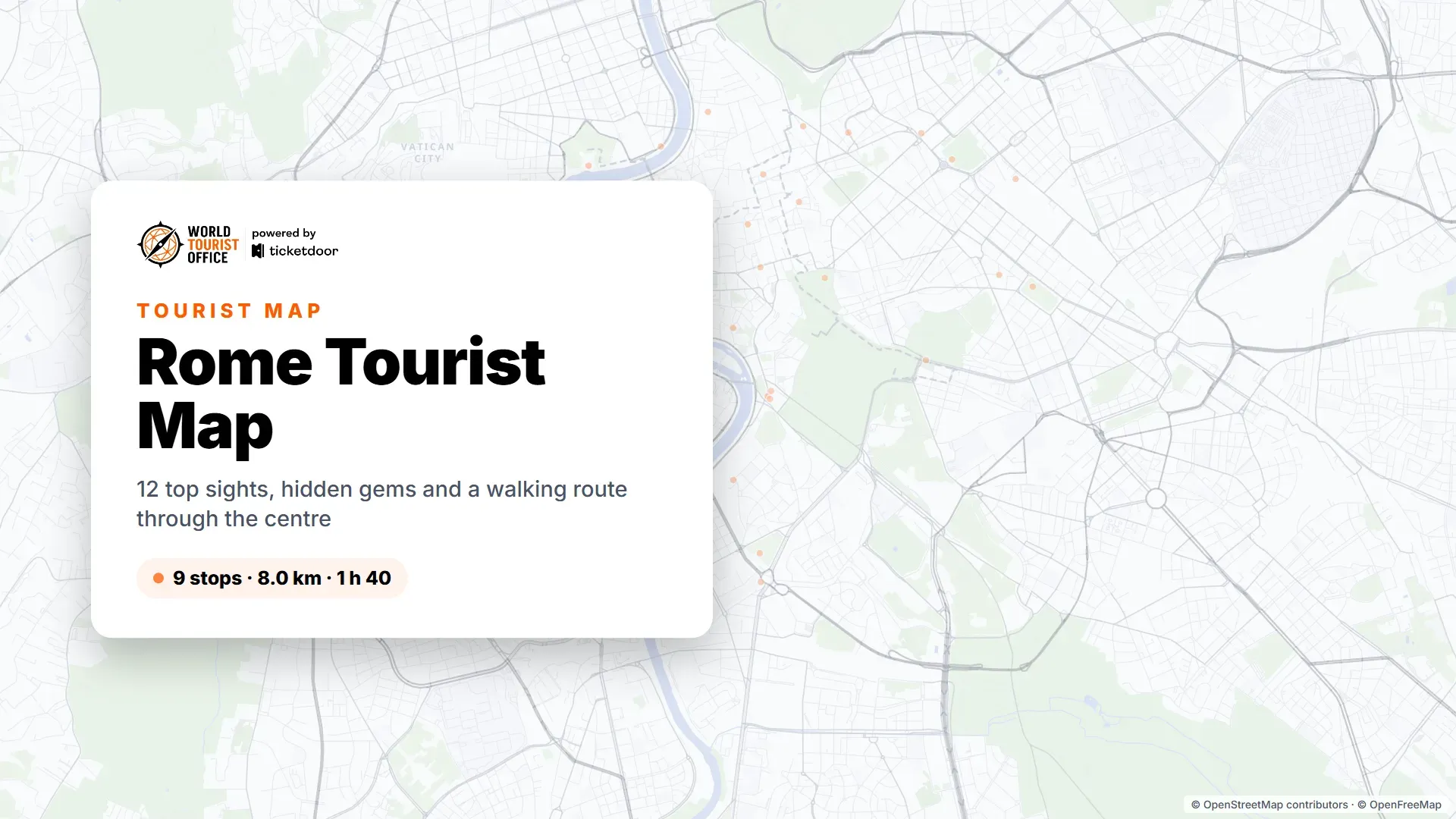
Rome tourist map and free PDF
The free Rome tourist map numbers the 12 top sights and 30 hidden gems and draws an 8.0 km walking route from the Colosseum to Castel Sant'Angelo, ready to print as a PDF.
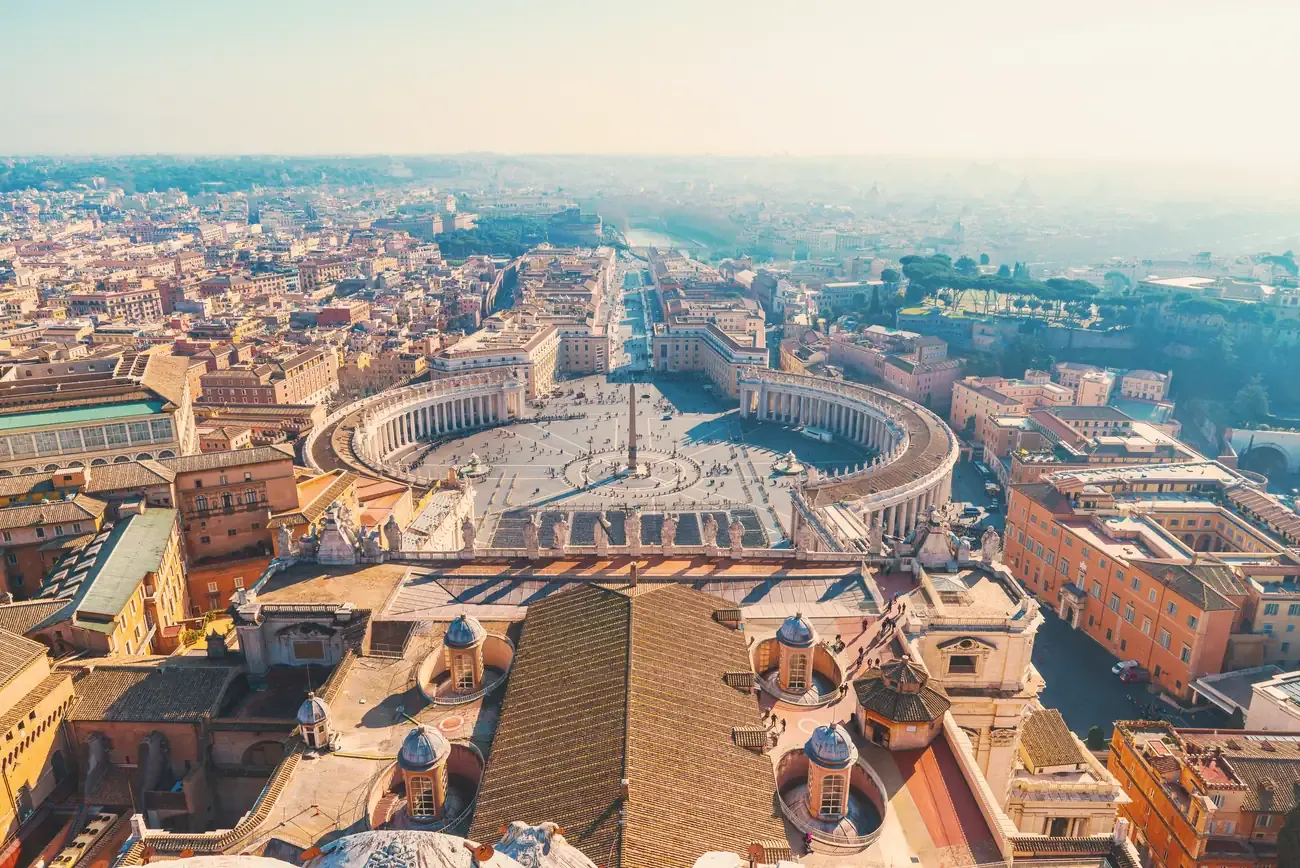
Things to do in Rome
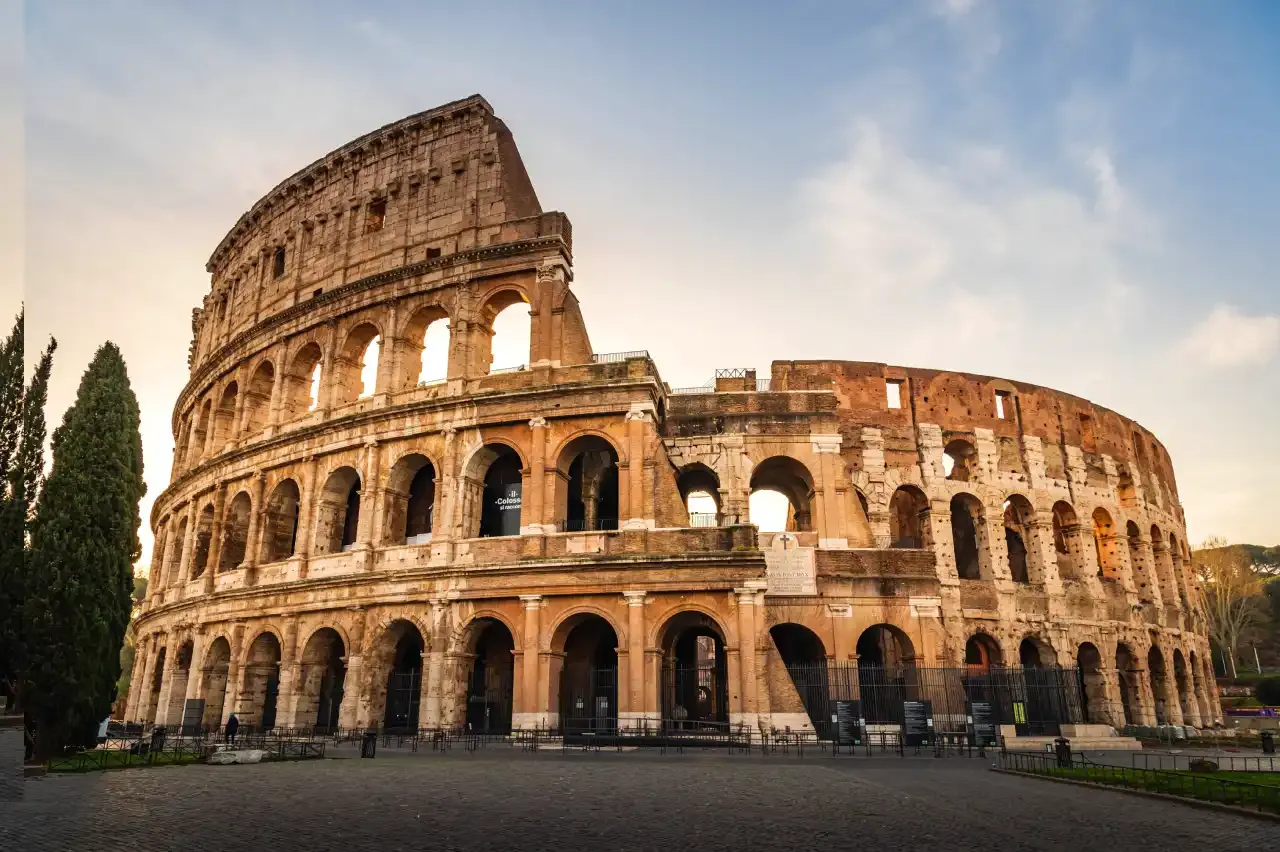
The guide to tourist attractions in Rome ranks the 12 top sights, from the Colosseum to the Basilica di San Clemente, then adds hidden gems, free places and upcoming events.
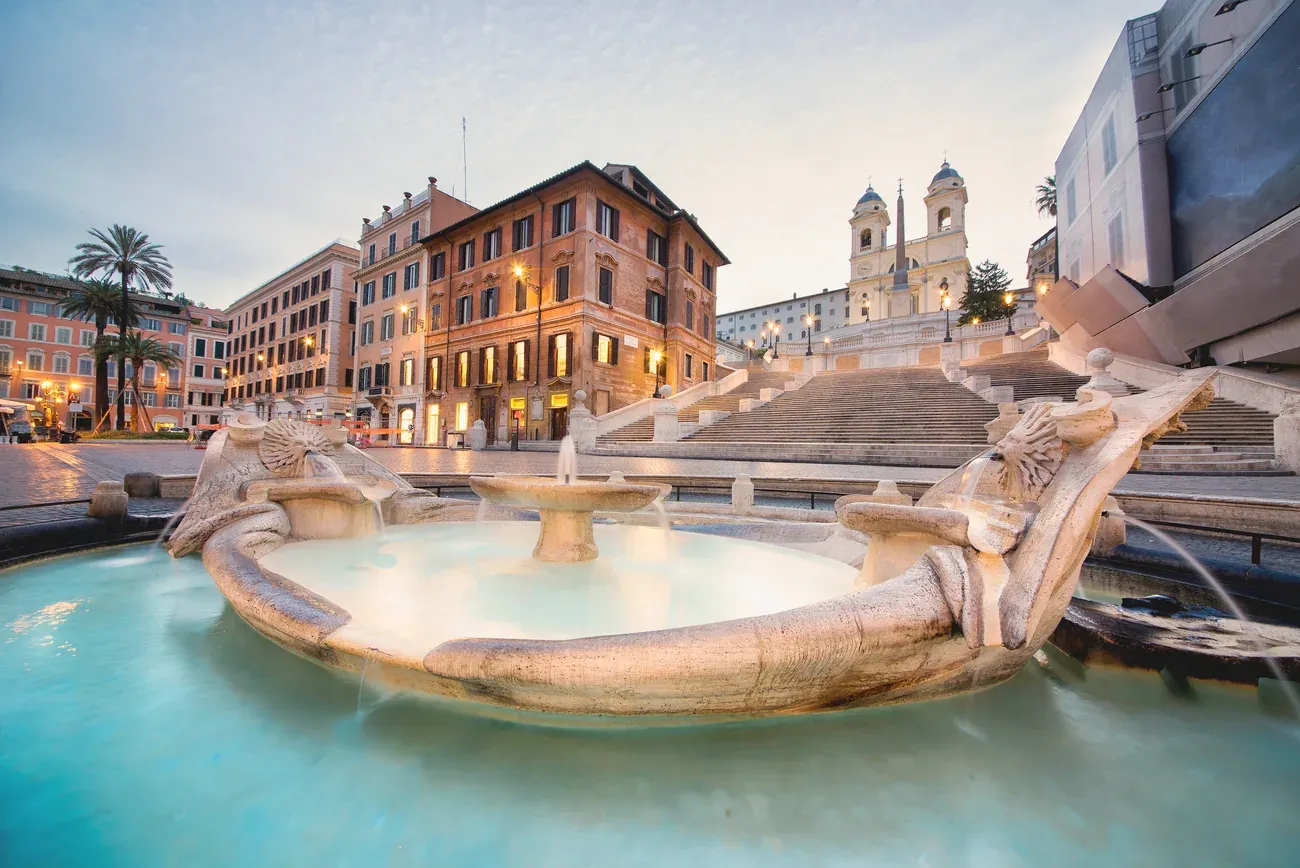
Rome tourist rules
The Rome tourist rules set out what visitors may not do at fountains, monuments and historic steps, the street drinking hours and the dress codes, with the fine for each.
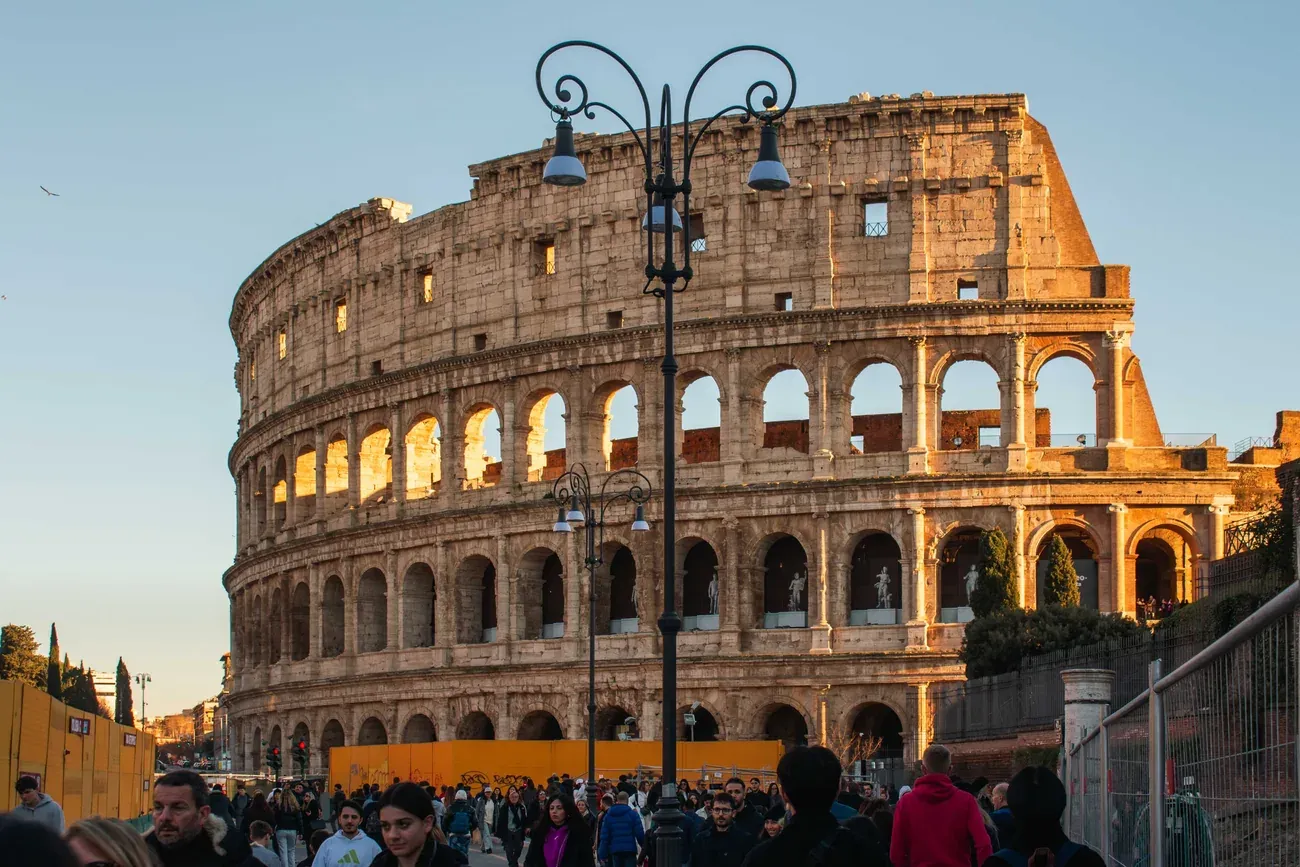
Is Rome safe for tourists?
The guide to whether Rome is safe for tourists compares the travel advisories, shows where pickpockets work and lists the numbers to call in an emergency.
Rome tourist tax
The guide to the Rome tourist tax explains the nightly charge per person by type of accommodation, the limit of 10 nights and who does not pay it.
Rome tourist office
The Rome tourist office guide lists where to ask in person, with the opening hours of the 6 infopoints and 2 reception desks and the public holidays of 2026.
Things to know before you go to Rome
A few local habits, from covering shoulders in church to checking for transport strikes, are worth knowing before the first day in Rome.
- Best time and how long to stay: April to June and September to October bring mild weather and shorter queues, while summer temperatures regularly pass 35 degrees. Four to five full days allow time for the historic centre, ancient Rome and a half day at the Vatican Museums; three days cover only the essentials. The 12 top sights in Rome
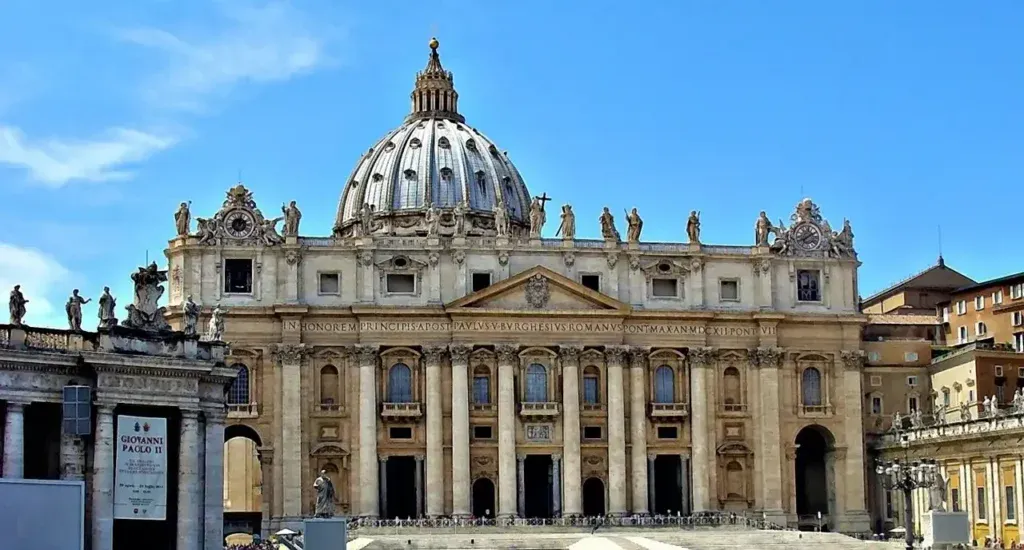
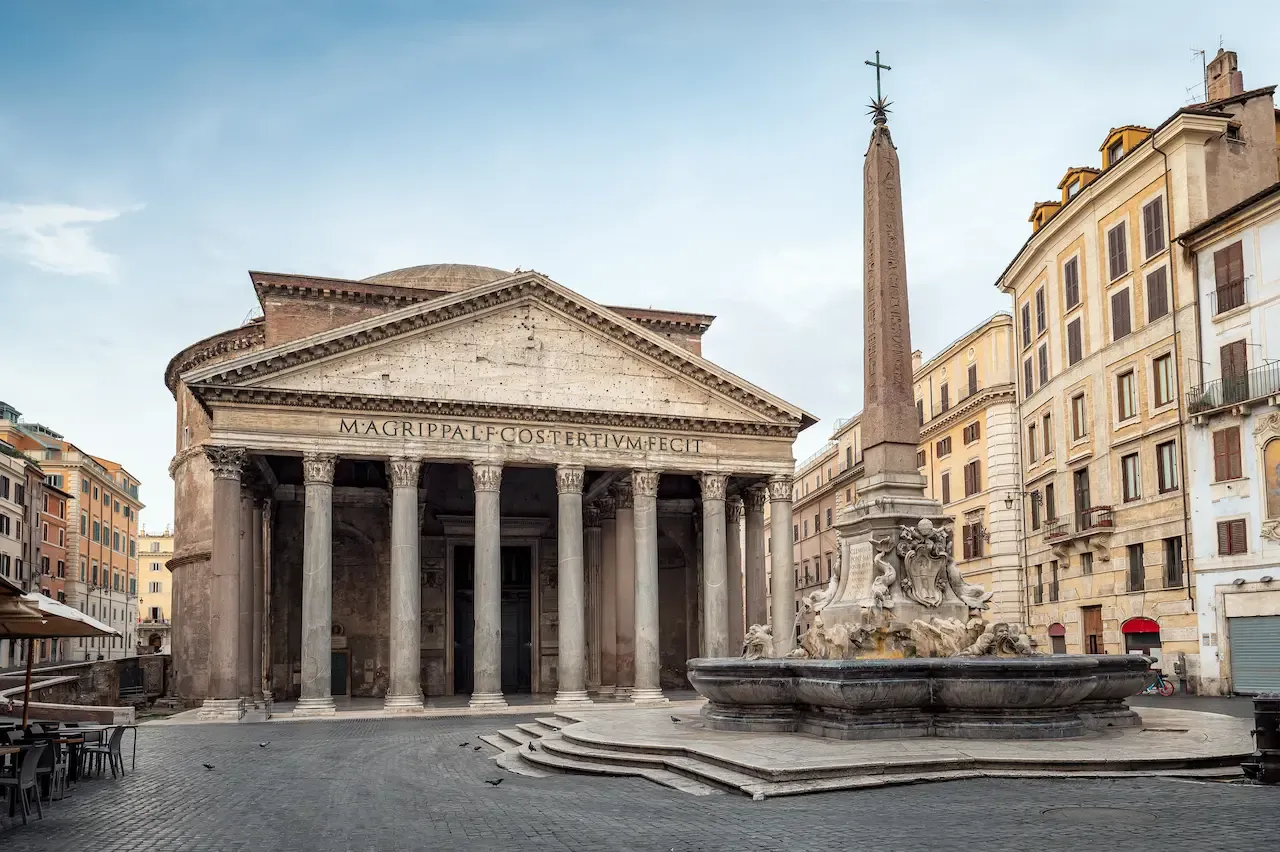
- Booking the big sights: The Colosseum, the Vatican Museums and the Pantheon all sell timed entry, and booking the Colosseum and the Vatican Museums before the trip saves the longest queues, especially in high season. St. Peter's Basilica is free to enter after a security check, while its dome climb is ticketed.
- Money and card payments: Italy uses the euro. Italian law obliges businesses selling goods or services, professionals included, to accept at least one debit card, one credit card and prepaid cards, and fines for refusing have applied since 30 June 2022. The rule on card payments (in Italian)
- City tax: Hotels, B&Bs, holiday lets and campsites charge guests who do not live in Rome a city tax per person per night, set by type and category of accommodation, for up to 10 nights in a row in the same place, or 5 on a campsite. Children under 10 do not pay. How the Rome tourist tax works
- Local rules and fines: Sitting on the Spanish Steps, bathing in or climbing on fountains, dragging a suitcase on historic steps and drinking alcohol in the street from 23:00 to 07:00 in the historic centre and other listed districts all bring city fines, while throwing a coin into a fountain is allowed. Since 2 February 2026 visitors who do not live in Rome need a ticket to enter the basin area of the Trevi Fountain, the part closest to the monument. Rome tourist rules
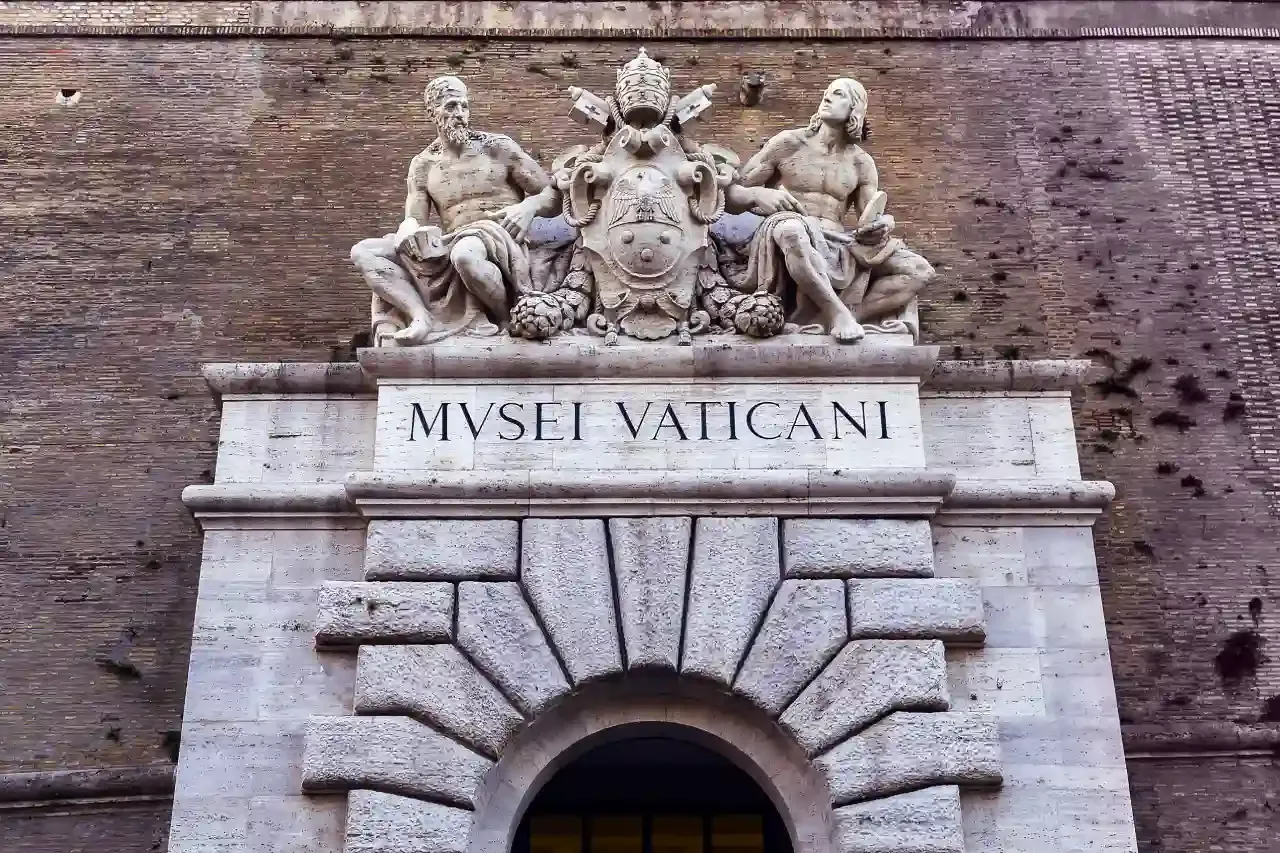
- Dress code in churches and the Vatican: St. Peter's Basilica, the Vatican Museums and the Sistine Chapel, in Vatican City, admit only visitors dressed appropriately, with no sleeveless or low-cut tops, miniskirts, hats or shorts that end higher than the knee. Covering shoulders and knees is wise for any church in Rome. Vatican Museums visitor rules
- Safety and pickpockets: Theft is the main risk: the travel advisories warn of pickpockets and bag snatchers at tourist spots, on public transport and at central train stations, and of distraction tricks by people working in groups. Is Rome safe for tourists?
- Emergency number: 112 is the free European emergency number in Italy, and it is active in Lazio, the region of Rome. It reaches the police, the Carabinieri, the fire brigade, the coastguard and ambulances. The 112 service (in Italian)
- Tap water and nasoni: Rome has more than 3,000 drinking fountains, over 200 of them nasoni in the historic centre, running 24 hours a day. Acea, the company that runs the city's water, says it is the same water that flows from household taps, and a refillable bottle can be topped up at any of them. Acea on the nasoni
- Public holidays: Italy has 12 national public holidays and Rome adds one of its own, 29 June, the feast of Saints Peter and Paul; shops and museums often switch to holiday hours and transport can run a reduced service. The tourist office guide lists the dates of 2026.
- Driving and the ZTL: The historic centre is a limited traffic zone, the ZTL, closed to unauthorised cars on weekdays from 06:30 to 18:00 and on Saturday afternoons, and on Friday and Saturday nights; Trastevere, San Lorenzo and Testaccio have zones of their own. Taxis may enter. ZTL hours from Roma Mobilità (in Italian)
- Transport strikes: Strikes on buses, the metro and trains happen in Italy, but in essential public services Italian law requires at least ten days' notice, so they are announced in advance and worth checking before a travel day. The law on strikes in public services (in Italian)
- Language and entry: Italian is the language of the Republic. Italy is in the Schengen area, so visitors from the UK and other visa-exempt countries can stay up to 90 days in any 180-day period, and the EU Entry/Exit System can register fingerprints and a photo at the border, free and with no action needed before arrival. UK entry advice for Italy
- Free map: The free Rome tourist map numbers the 12 top sights and 30 hidden gems and links 9 of them on an 8.0 km walking route, about 1 h 40 on foot, as a printable PDF.
Rome's must-see attractions
How to get around Rome
ATAC runs Rome's metro and most of its buses and trams, and a contactless bank card, phone or watch tapped at the metro gates pays the fare, as it does at the gates of the airport train from Fiumicino.
From the airport
From Fiumicino, the Leonardo Express runs non-stop to Roma Termini in 32 minutes, with departures every 15 minutes from the station inside the airport; a contactless card tapped at the gate buys the ticket. Leonardo Express on Trenitalia FL1 regional trains link the airport with other Rome stations, Tiburtina among them, every 15 minutes on working days and every 30 at weekends. Fiumicino trains
Ciampino airport has no station of its own. Several companies run buses straight to Termini from the stops opposite International Departures, and other buses go to Ciampino railway station or to Anagnina, at the end of metro line A. Buses from Ciampino The Ciampino Airlink combines a bus every 20 minutes to Ciampino station with a train on to Termini. Ciampino Airlink
Licensed taxis wait outside the arrivals halls of both airports and charge a fixed fare per car, supplements included, to anywhere inside the Aurelian Walls, the historic centre; the ride takes about 40 to 50 minutes from Fiumicino and about 30 from Ciampino. Taxi fares from Roma Mobilità (in Italian)
What's on in Rome this month
Arena concerts at the Palazzo dello Sport frame a candlelit Einaudi tribute and a jazz night, and the full Rome events calendar adds exhibitions and the city's own events.

SHIVA, Tour Palasport autunno
When: 27 November 2026 at 21:00
Where: Palazzo dello Sport
Shiva's autumn arena tour, Tour Palasport autunno, stops at the Palazzo dello Sport.
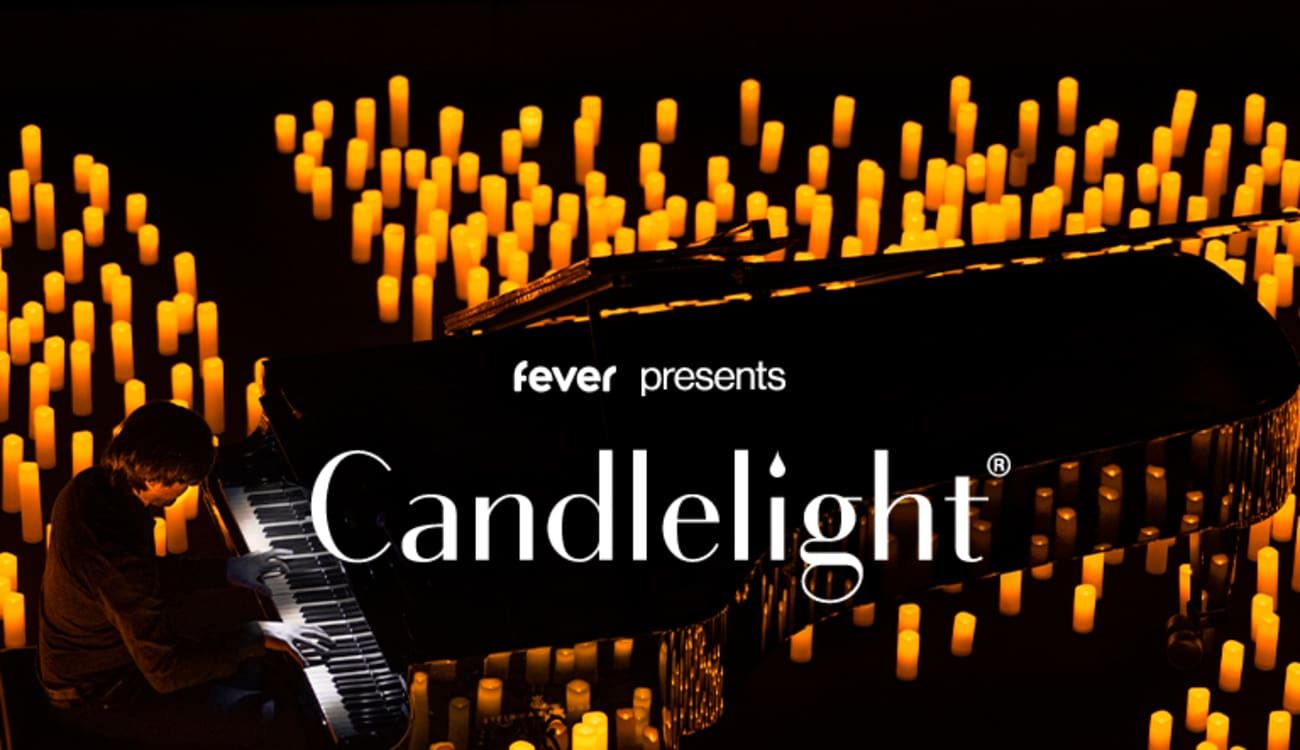
Candlelight: Tributo a Ludovico Einaudi
When: 3 December 2026 at 21:30
Where: Teatro Ghione
A tribute to the music of Ludovico Einaudi, played by candlelight.
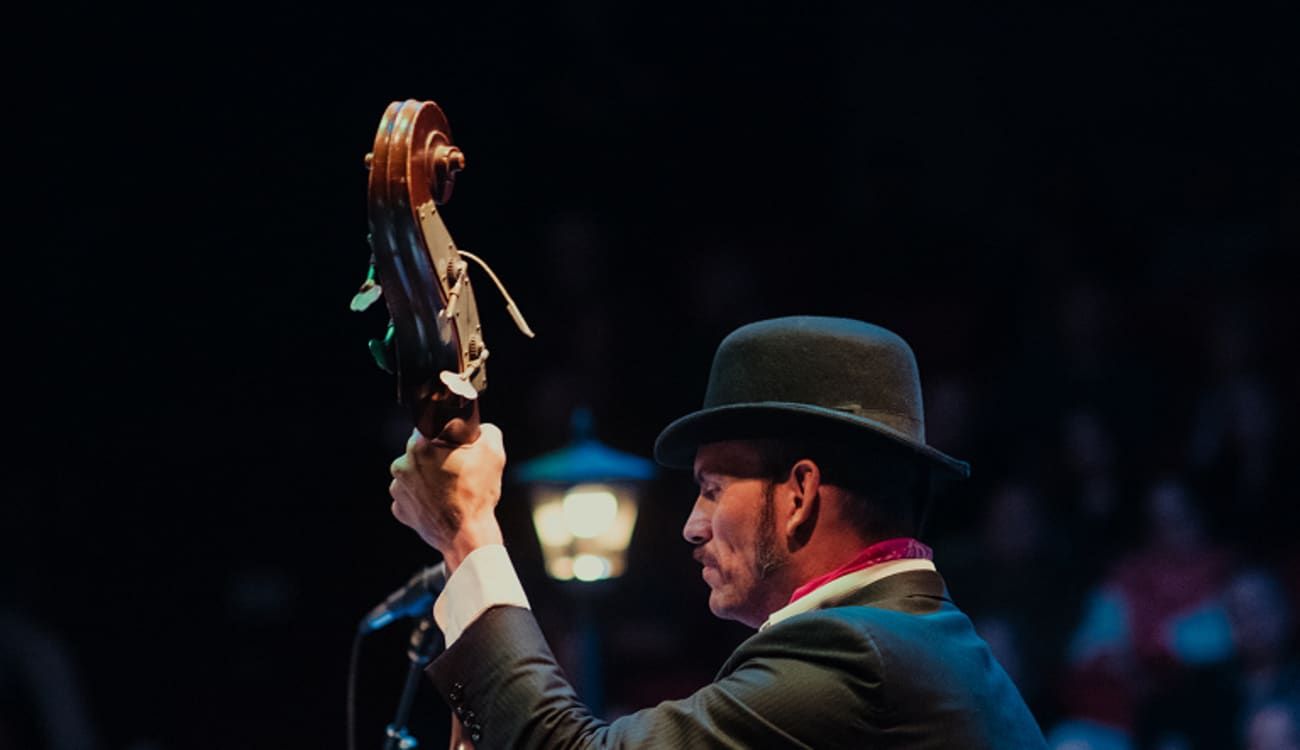
The Jazz Room: omaggio a Frank Sinatra & Louis Armstrong
When: 4 December 2026 at 19:00
Where: Ellington Club
A jazz tribute to Frank Sinatra and Louis Armstrong.
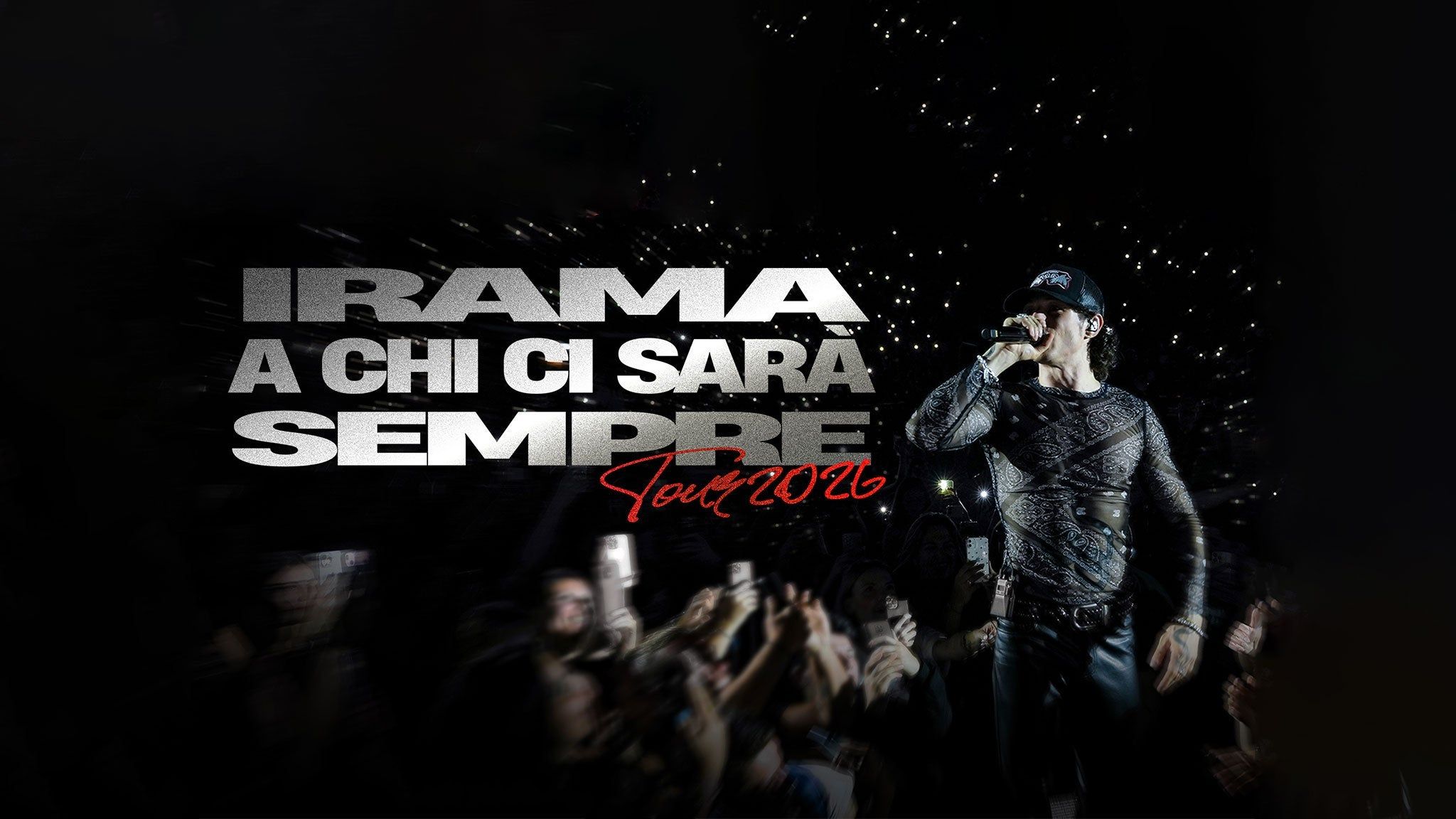
IRAMA: A Chi Ci Sarà Sempre, Palasport
When: 12 December 2026 at 21:00
Where: Palazzo dello Sport
Irama's arena tour, A Chi Ci Sarà Sempre, reaches Rome in December.