
Rome tourist attractions
Known for
Ancient Roman ruins, Renaissance and the seat of the Catholic Church
Must-see landmarks
The Colosseum, the Pantheon and St. Peter's Basilica
Free to visit
St. Peter's Basilica and the piazzas around Pantheon and Trevi Fountain
Days needed
Four to five full days
12 must-see tourist attractions in Rome
The tourist attractions in Rome that matter most, from Colosseum to Roman Forum and Vatican Museum, are ranked here in order. After the 12 top sights come 30 hidden gems, free things to do, upcoming events, tickets and visitor FAQs. The 12 sights are numbered on the free tourist map of Rome, with the hidden gems and a walking route.
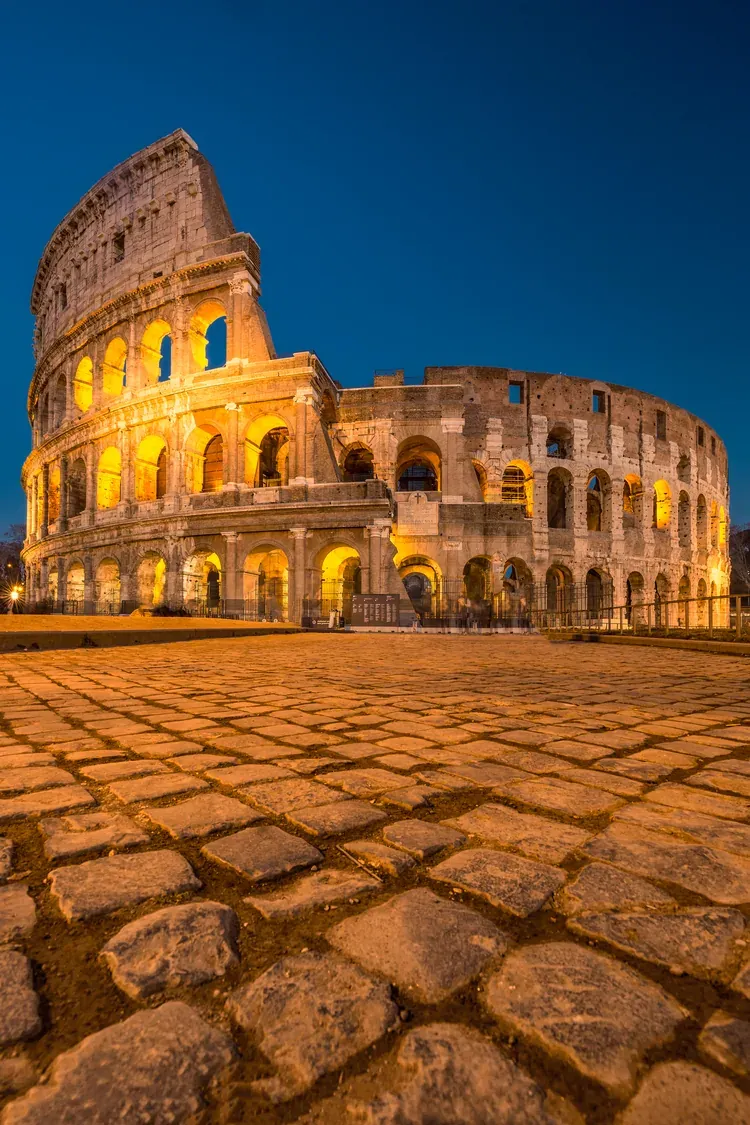
1. Colosseum
The Colosseum is the largest amphitheatre ever built, a four-tiered ellipse of travertine, tufa and brick-faced concrete that once seated tens of thousands. Emperors staged gladiator duels, wild-animal hunts and public spectacles on its wooden arena floor, while a warren of tunnels, cages and lifts known as the hypogeum waited below. Earthquakes and centuries of stone-robbing stripped away much of the outer ring, yet the surviving tiers, arches and underground passages still map out how Roman crowds were funnelled to their seats.
Style: ancient Roman architecture · Opened: around AD 80
Location: Piazza del Colosseo, Rome
Access: Ticketed, timed entry · Tickets and tours
2. Roman Forum
For centuries the Roman Forum was the beating heart of the ancient city, a valley of temples, basilicas, arches and law courts wedged between the Capitoline and Palatine hills. Senators debated, generals paraded in triumph and citizens traded and worshipped among monuments raised over a thousand years. Today it is a field of columns, paved roads and ruined foundations, from the Temple of Saturn to the Arch of Septimius Severus, best read as an open-air record of how Rome governed itself.
Location: Via della Salara Vecchia, Rome
Access: Ticketed; one ticket covers the Roman Forum and the adjoining Palatine Hill.
3. Vatican Museum
The Vatican Museums hold one of the world's largest art collections, a chain of papal galleries, corridors and courtyards assembled by popes over five centuries. The set route runs past classical sculpture, the map-lined Gallery of Maps and Raphael's frescoed Rooms before ending at the Sistine Chapel, where Michelangelo painted the ceiling and, decades later, the Last Judgment behind the altar for two different popes. Crowds are heavy and the walk is long, so a timed slot booked ahead makes the visit far calmer.
Location: Viale Vaticano, Vatican City
Access: Ticketed, timed entry · Tickets and tours
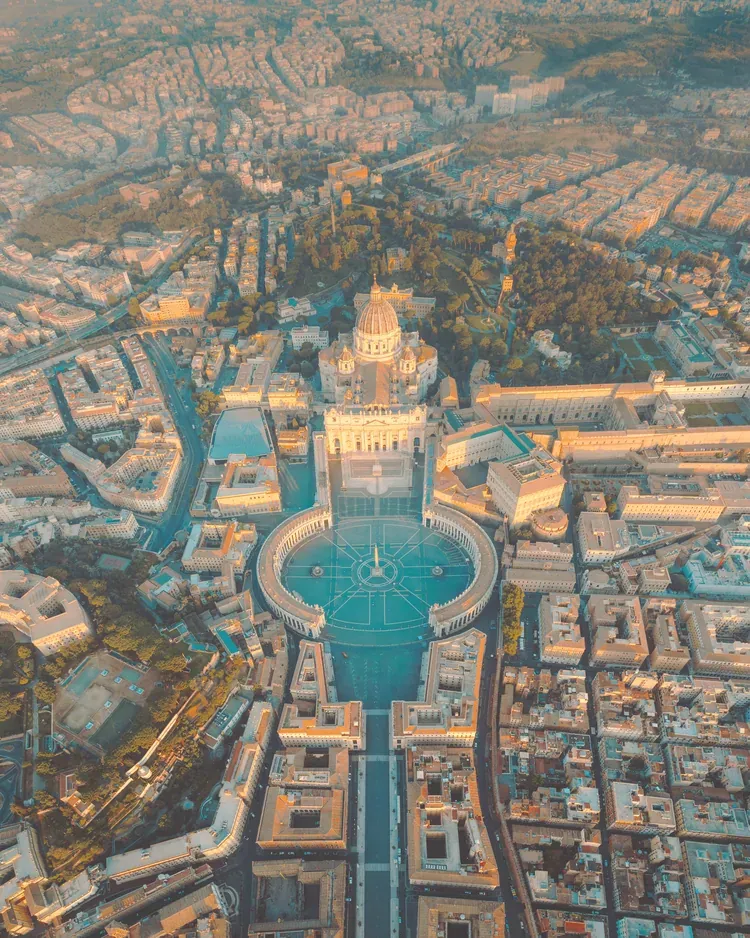
4. St. Peter's Basilica
St. Peter's Basilica is the largest church in the world, raised over the traditional tomb of the apostle Peter and rebuilt across the sixteenth and seventeenth centuries by a roster of Renaissance and Baroque masters. Its nave leads to Bernini's towering bronze baldachin above the papal altar, and Michelangelo's Pieta stands near the entrance. Michelangelo also designed the great dome, whose lantern crowns the Vatican skyline and can be climbed for a view over St. Peter's Square.
Style: Renaissance and Baroque · Architects: Bramante, Michelangelo, Maderno, Bernini
Location: Piazza San Pietro, Vatican City
Access: Free to enter with a security check; the dome climb and treasury are ticketed · Tickets and tours
5. Pantheon
The Pantheon is the best-preserved monument of ancient Rome, a temple of all the gods rebuilt under Hadrian and later consecrated as a church, which spared it from ruin. Its portico of granite columns opens onto a vast domed rotunda whose coffered concrete ceiling is still the largest unreinforced concrete dome ever built. At its centre the open oculus lets in a shifting disc of daylight, and rain, above the tombs of kings and the painter Raphael.
Style: ancient Roman architecture
Location: Piazza della Rotonda, Rome
Access: Ticketed, timed entry · Tickets and tours
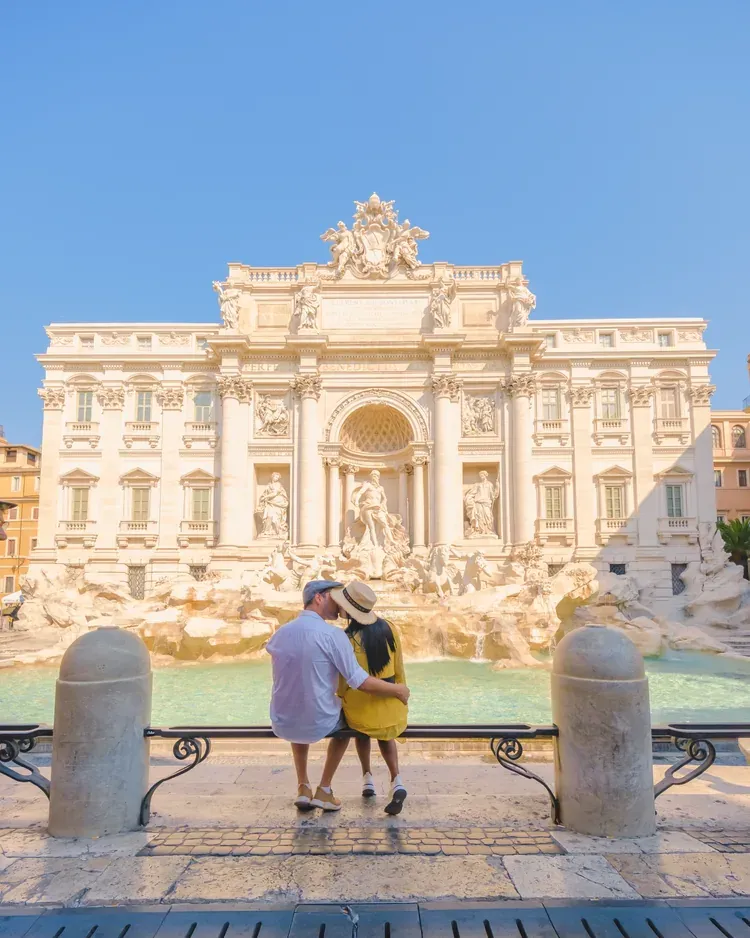
6. Trevi Fountain
The Trevi Fountain is the grandest of Rome's Baroque fountains, a theatrical wall of travertine where the sea god Oceanus rides a shell chariot drawn by tritons and sea horses across a rocky reef. Designed by Nicola Salvi and finished by Giuseppe Pannini, it marks the end point of the restored Acqua Vergine aqueduct, which still feeds its basin. By tradition visitors toss a coin over the left shoulder to ensure a return to Rome, and the collected coins are given to charity.
Style: Baroque · Completed: 1762
Location: Piazza di Trevi, Rome
Access: Free to view from the surrounding square; a timed entry pass is now required to reach the fountain basin.
7. Piazza Navona
Piazza Navona traces the long oval of the ancient Stadium of Domitian, where Romans once watched athletic games, and its arena outline still shapes the square. Bernini's Fountain of the Four Rivers anchors the centre, its four giant figures standing for the Nile, Ganges, Danube and Rio de la Plata beneath an Egyptian obelisk, while Borromini's church of Sant'Agnese in Agone rises alongside. Ringed by cafes, street artists and Baroque palaces, it is one of the liveliest gathering places in the old city.
Style: Baroque · Architects: Bernini, Borromini
Location: Piazza Navona, Rome
Access: Free, open square.
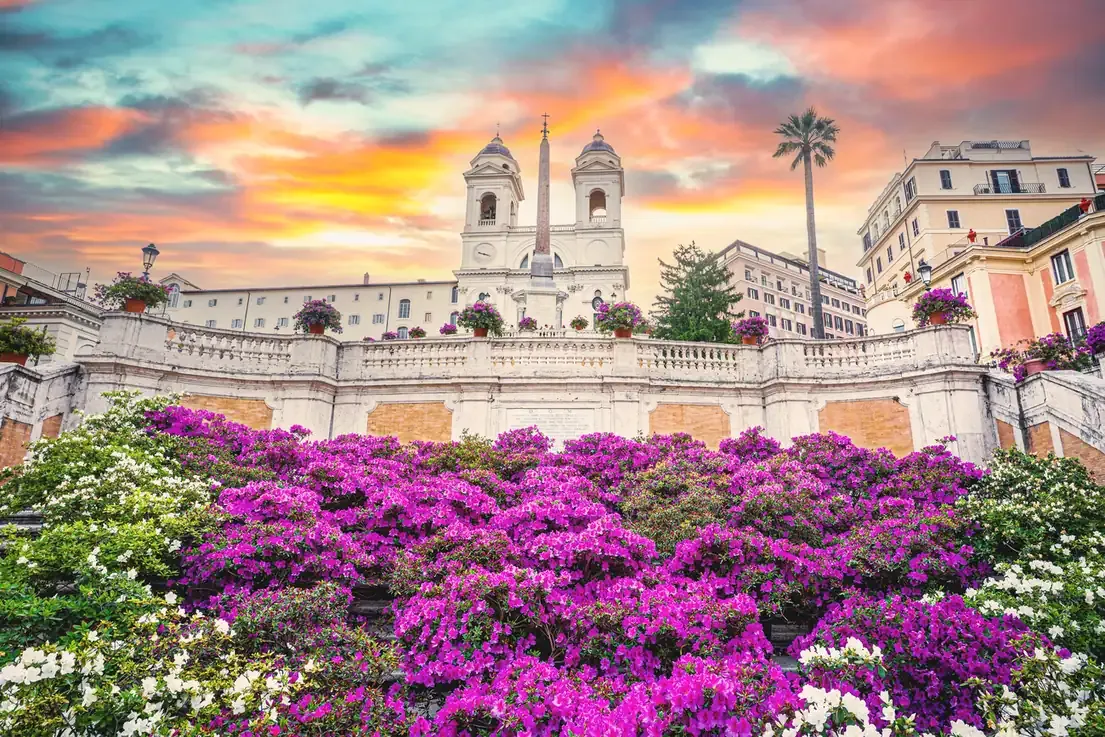
8. Spanish Steps
The Spanish Steps sweep in a wide Baroque cascade of one hundred and thirty-five steps linking Piazza di Spagna to the twin-towered church of Trinita dei Monti above. Designed by Francesco de Sanctis and paid for with French money in the 1720s, the curving flights fan out around terraces that fill with people, and with azaleas each spring. At the foot the boat-shaped Barcaccia fountain by the Bernini family plays, and the house where the poet Keats died looks onto the square.
Style: Baroque · Completed: 1725
Location: Piazza di Spagna, Rome
Access: Free to visit; sitting on the steps is not allowed.
9. Castel Sant'Angelo
Castel Sant'Angelo began as the round mausoleum of the emperor Hadrian before it was turned into a papal fortress, prison and refuge over the centuries. A spiral ramp climbs through its drum to frescoed Renaissance apartments, papal treasure rooms and a rooftop terrace with a sweeping view over the Tiber and the Vatican. The raised Passetto corridor still links it to St. Peter's, an escape route popes used in times of danger, and the bronze angel on top recalls the vision that gave the castle its name.
Location: Lungotevere Castello, Rome
Access: Ticketed · Tickets and tours
10. Campo de' Fiori
Campo de' Fiori is one of Rome's most characterful squares, a market ground by day and a busy meeting place by night. Stalls of produce, flowers and spices fill it most mornings, giving way after dark to crowded bars and restaurants. At its centre stands a brooding statue of the philosopher Giordano Bruno, burned here for heresy in 1600 and now a symbol of free thought, marking the spot where the square once staged public executions rather than trade.
Location: Campo de' Fiori, Rome
Access: Free, open square; a produce market fills it most mornings.
11. Via Appia
The Via Appia, or Appian Way, was the first and most famous of the great Roman roads, begun in 312 BC to carry armies and trade south toward Brindisi. Romans called it the queen of roads, and its long basalt-paved stretch survives on the edge of the city, lined with tombs, catacombs, ruined villas and umbrella pines. Now protected within a regional park, it makes a broad open-air walk where cypress-shaded ruins replace traffic and the ancient paving is still visible underfoot.
Style: ancient Roman road · Begun: 312 BC
Location: Via Appia Antica, Rome
Access: The ancient road is a public route open to walk; individual sites along it, such as the catacombs, are ticketed.
12. Basilica di San Clemente
The Basilica di San Clemente is a layered cross-section of Roman history hidden behind an ordinary facade near the Colosseum. The bright twelfth-century church at street level, rich in gold mosaics, sits above a fourth-century basilica with faded frescoes, and below that a first-century Roman house and a temple to the god Mithras, with an underground spring still running through the lowest level. Descending through the three levels is like walking back through nearly two thousand years of the city in a single building.
Style: Romanesque · Consecrated: 1123
Location: Via Labicana, Rome
Access: The upper church is free; the excavated lower levels are ticketed.
Photo: "Basilica di San Clemente in Laterano 02" by Nicholas Gemini (CC BY-SA 4.0).
Rome tourist attractions tickets and tours
Upcoming events in Rome
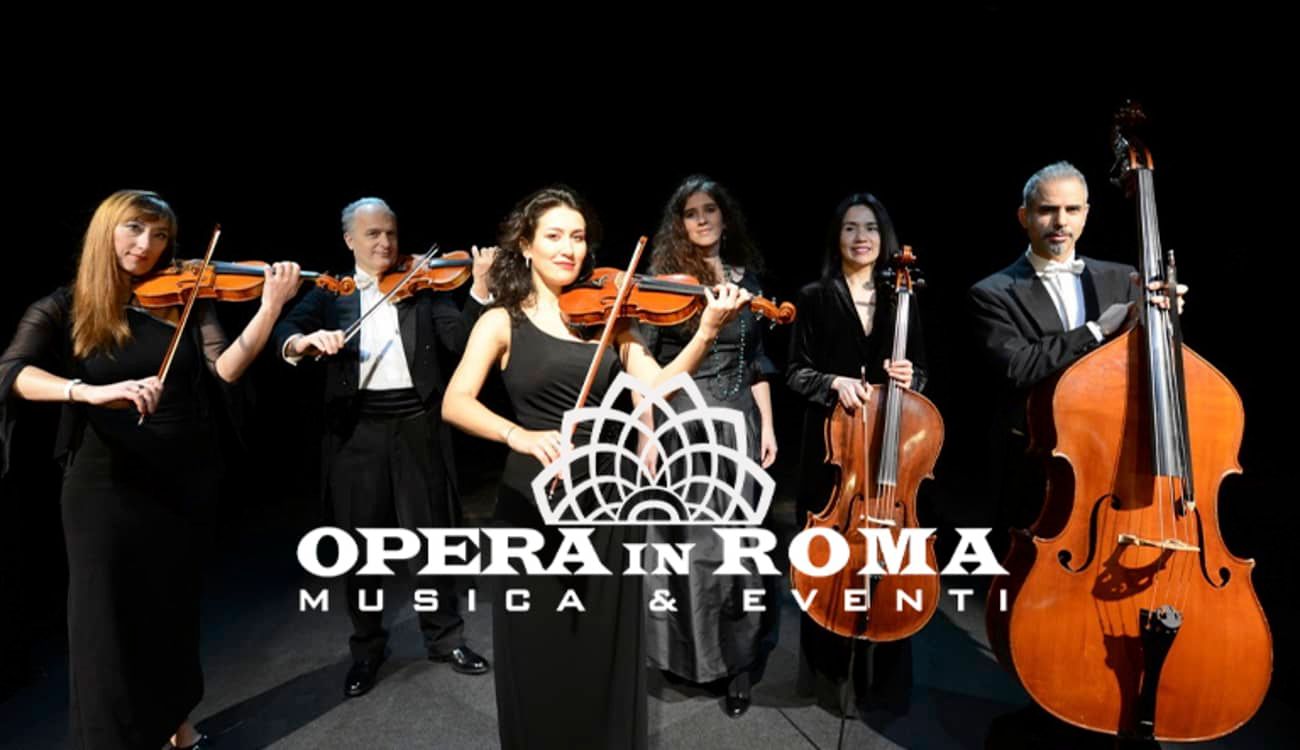
Opera in Roma: Le Quattro Stagioni di Vivaldi
Opera in Roma: Le Quattro Stagioni di Vivaldi comes to Chiesa di San Paolo Entro le Mura on 2 November at 20:30.
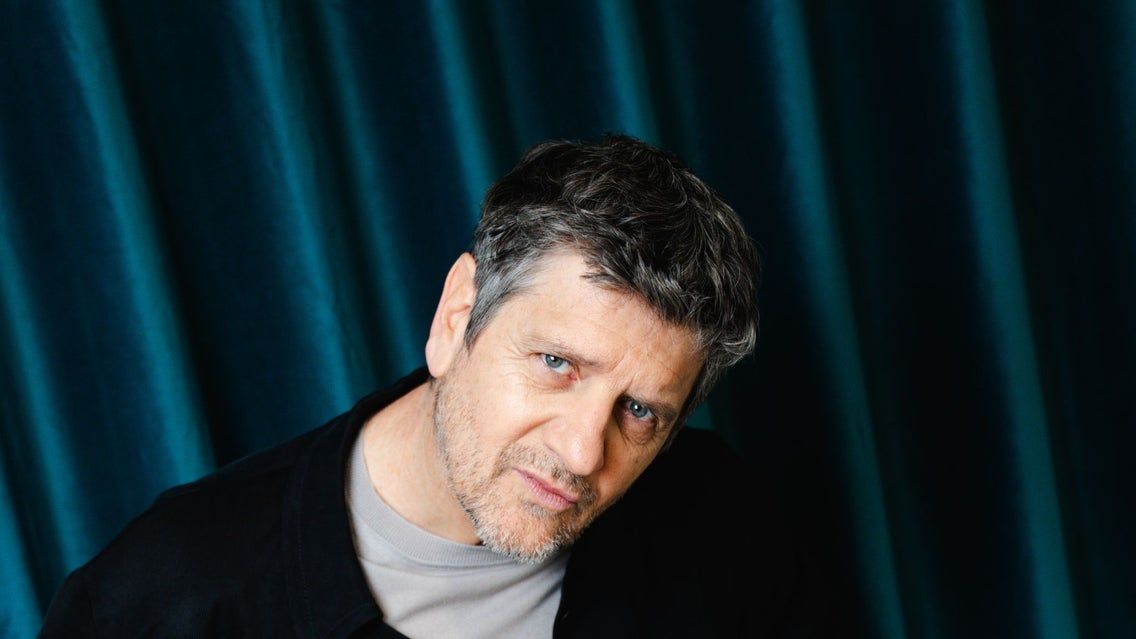
FABIO DE LUIGI - BIOL - In Carne e Ossa Tour
FABIO DE LUIGI - BIOL - In Carne e Ossa Tour plays Teatro Olimpico on 2 November at 21:00.

BukRomance
BukRomance plays Salone delle Fontane on 7 November at 10:30.

nayt: Noi Individui Tour
nayt: Noi Individui Tour plays Palazzo dello Sport on 9 November at 21:00.

Marco Masini - PALASPORT 2026
Marco Masini - PALASPORT 2026 plays Palazzo dello Sport on 13 November at 21:00. · Sold out

Sport Romance Event
Sport Romance Event plays Centro Congressi Auditorium della Tecnica on 14 November at 10:00.
Free things to do in Rome
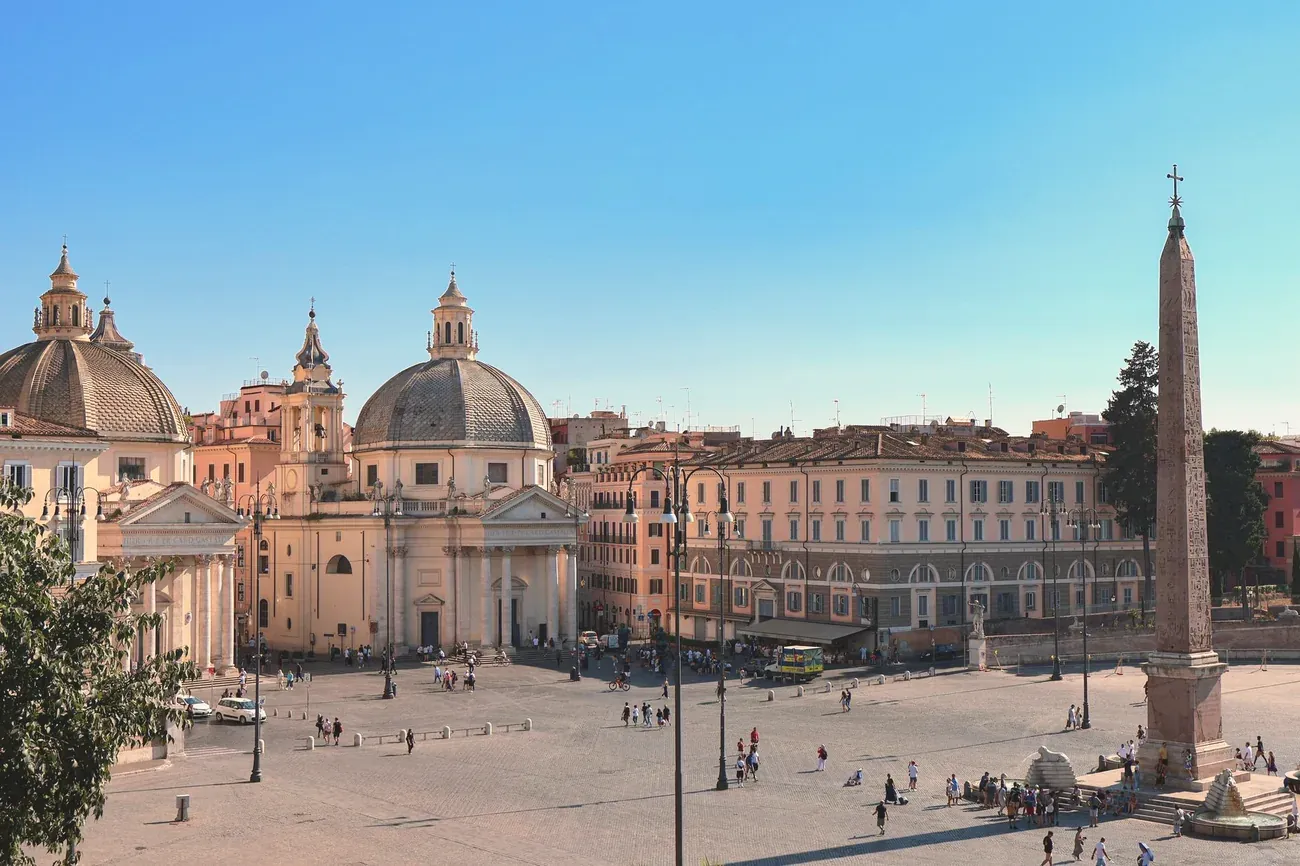
Piazza del Popolo
Piazza del Popolo costs nothing to visit, day or night, as one of Rome's largest public squares. A free staircase on its eastern side climbs to the Pincio terrace in Villa Borghese, one of the city's best free sunset viewpoints. Weekday mornings are quietest.
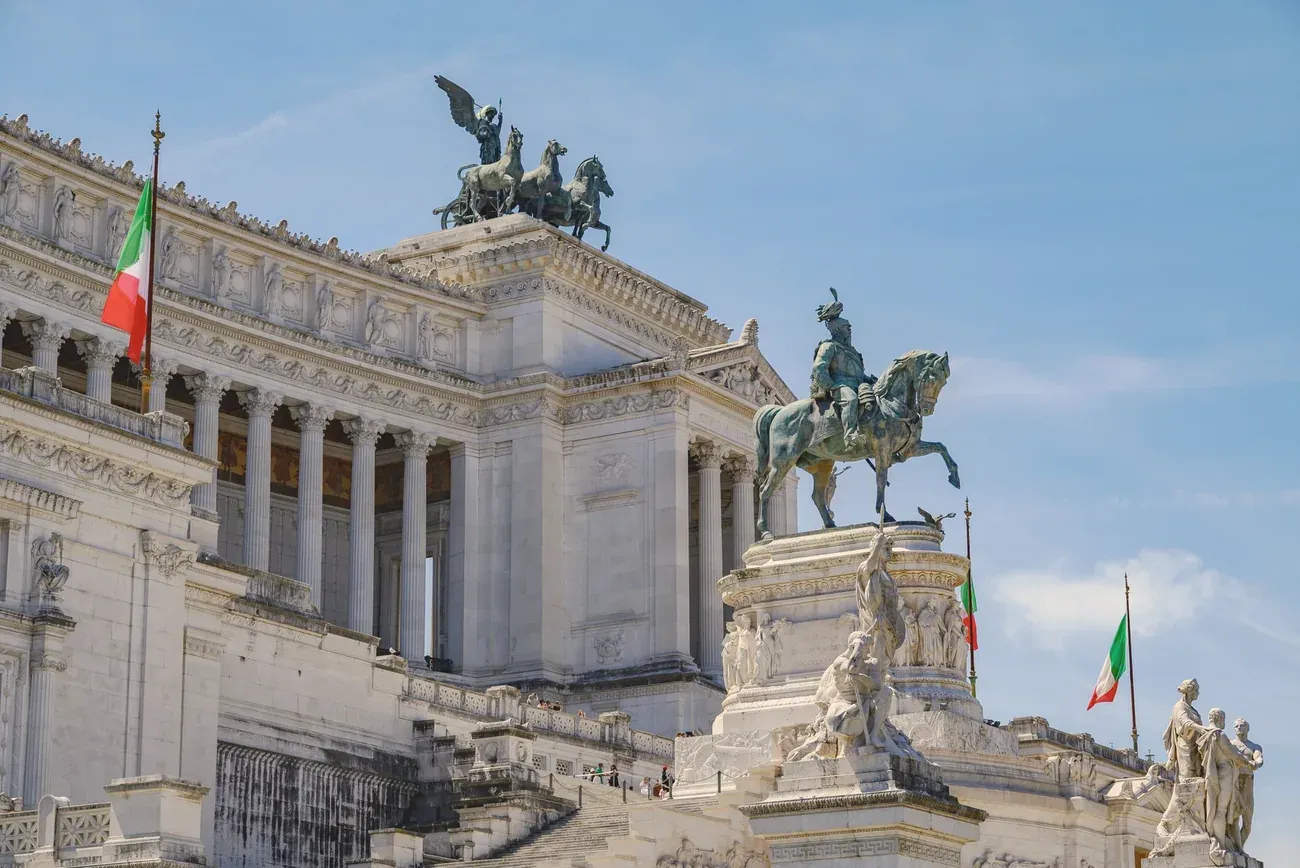
Piazza Venezia
Piazza Venezia and the ground level of the Vittoriano monument cost nothing to visit, including the Shrine of the Unknown Soldier beneath the marble columns. A separate ticket covers the panoramic lift and the Palazzo Venezia galleries. The square is busiest at midday.
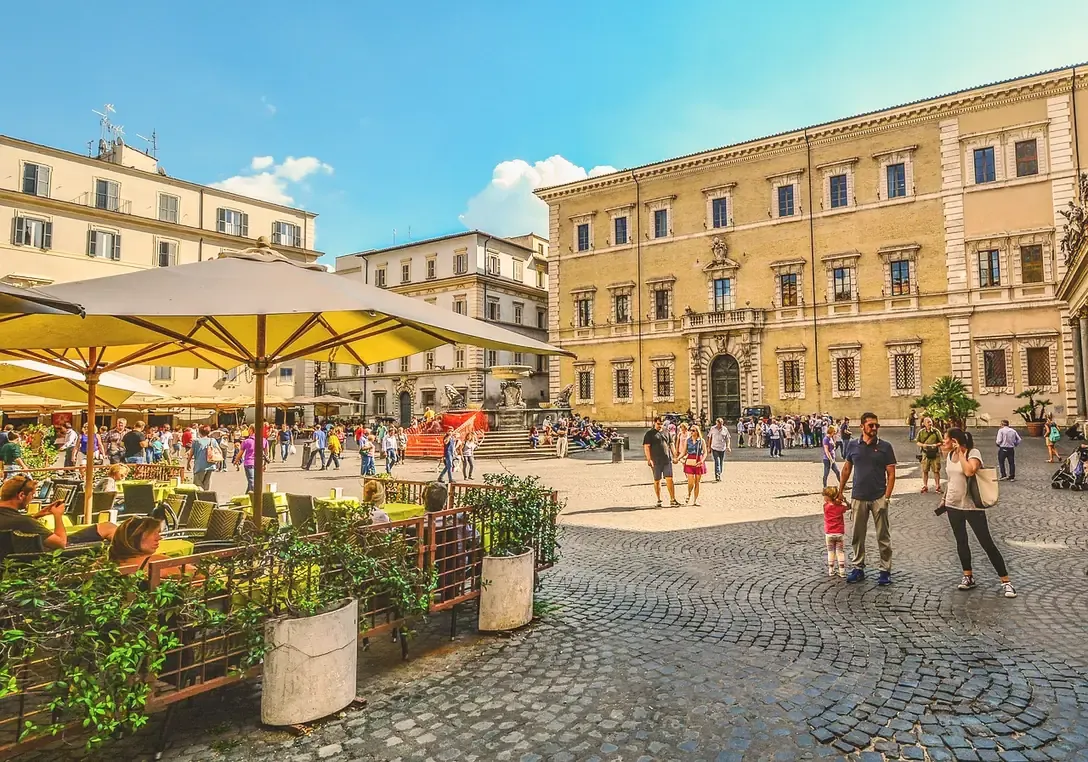
Trastevere
Trastevere itself charges nothing to explore at any hour, and the Basilica of Santa Maria in Trastevere at its centre, with Cavallini's 13th century mosaics, opens daily from 07:30 to 20:30 with no ticket needed. Evenings after the shops close are quietest.
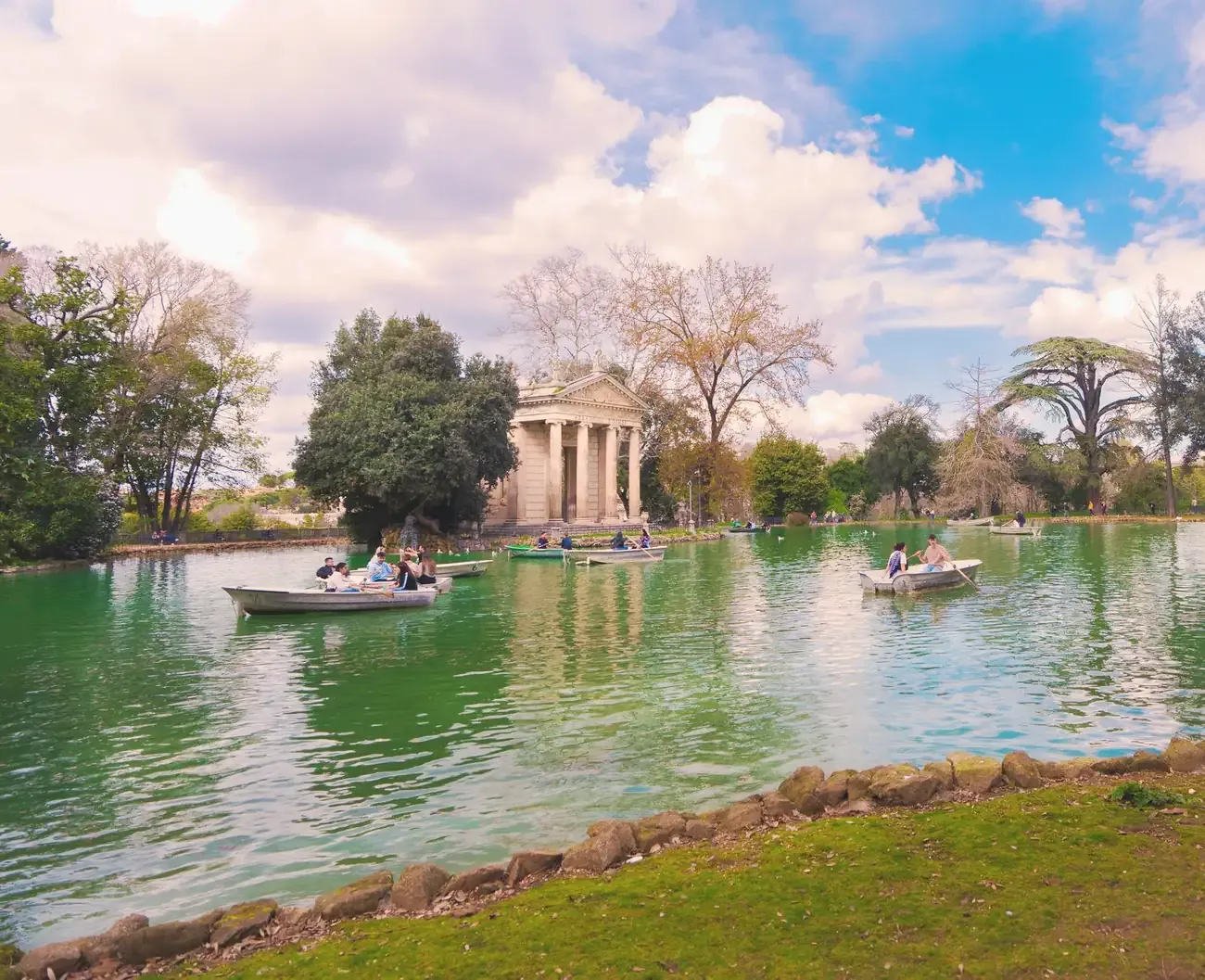
Villa Borghese Gardens
The city's grand landscaped park spreads across the northern hills with a lake, neoclassical temples and shaded avenues, purchased by the Italian state in 1903 and open to the public at no charge. The Galleria Borghese museum and the Bioparco zoo inside charge their own admission.
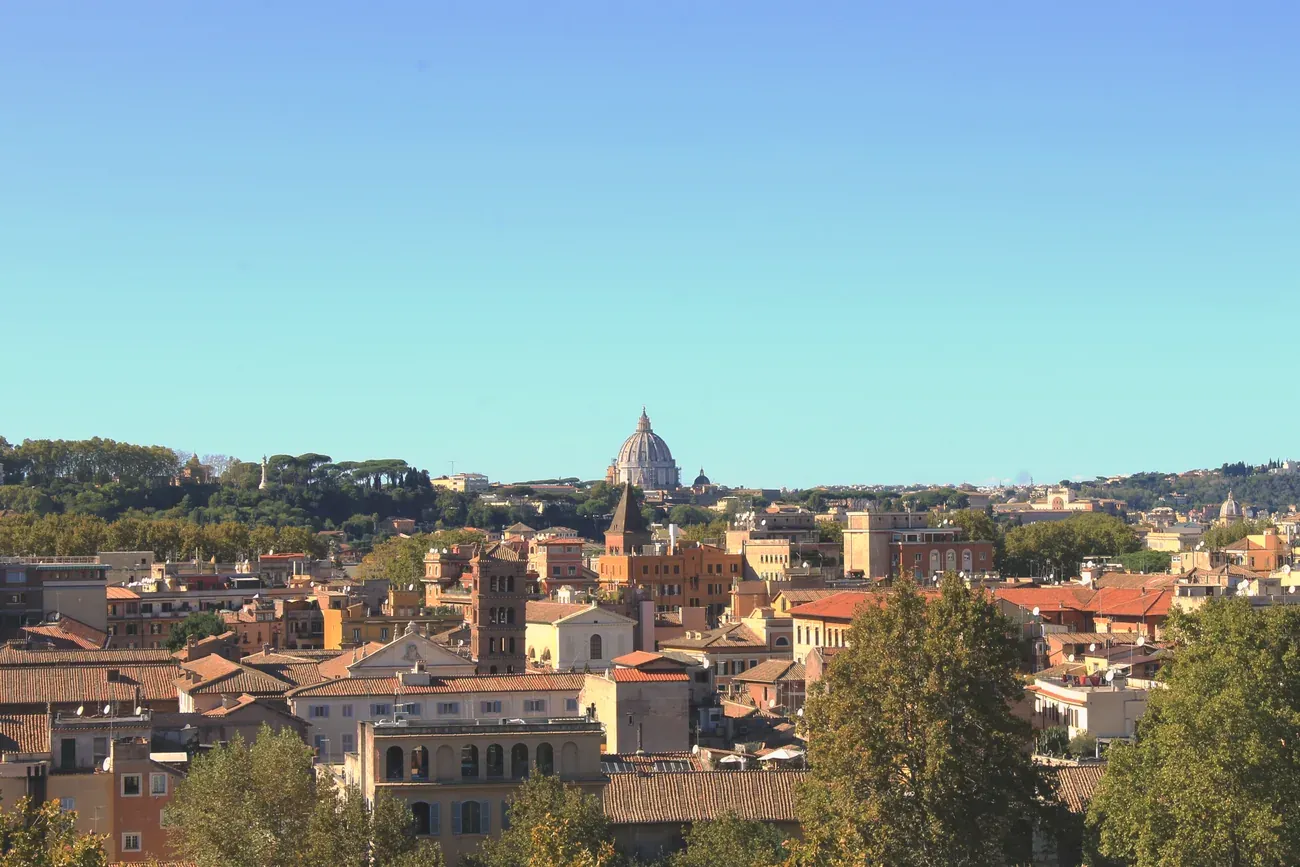
Giardino degli Aranci
A public park on the Aventine Hill planted with bitter orange trees frames one of the city's best free viewpoints, looking across the rooftops and the Tiber toward the dome of St. Peter's. It opens daily with no entrance charge.
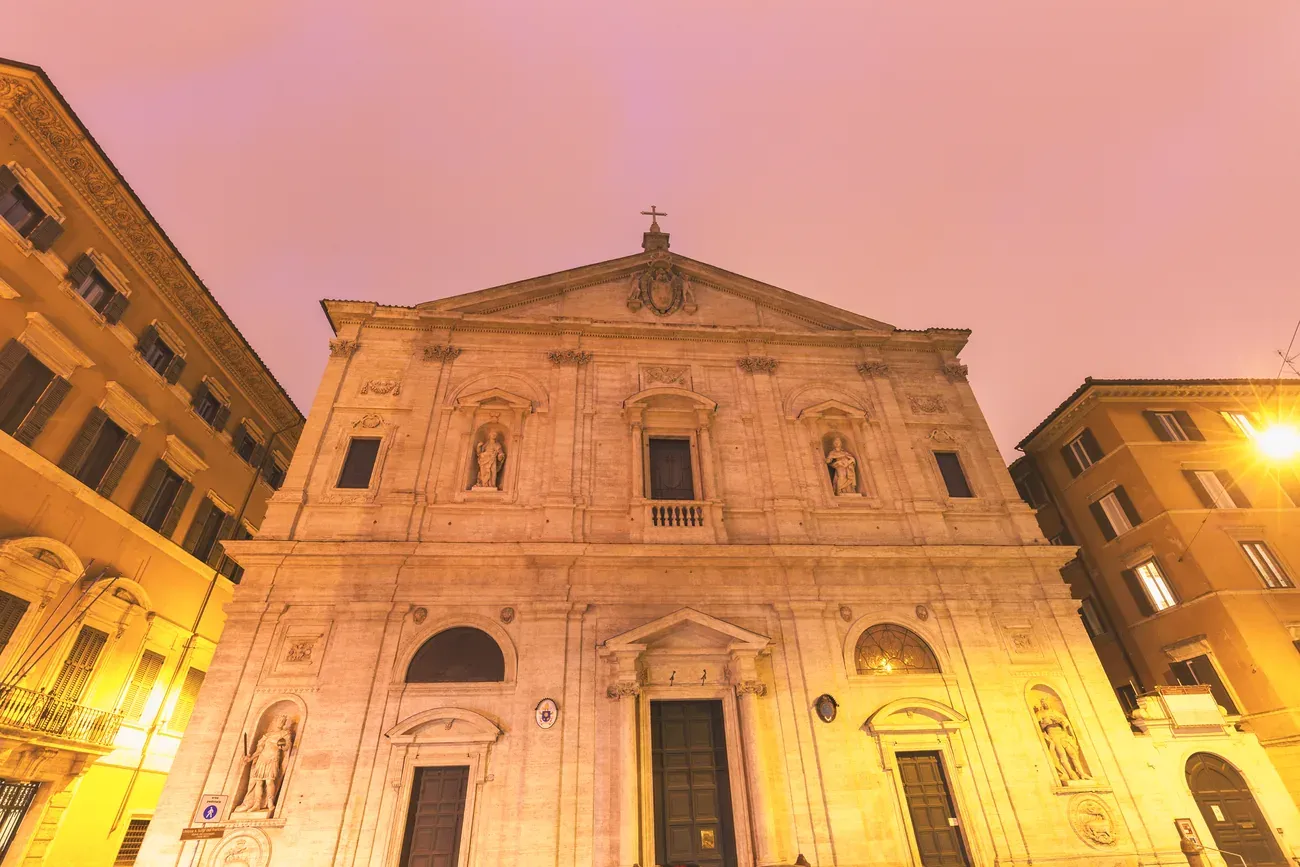
San Luigi dei Francesi
The French national church near Piazza Navona holds Caravaggio's cycle of Saint Matthew in the Contarelli Chapel, free to view during opening hours, typically 09:30 to 12:45 and 14:30 to 18:30 on weekdays.
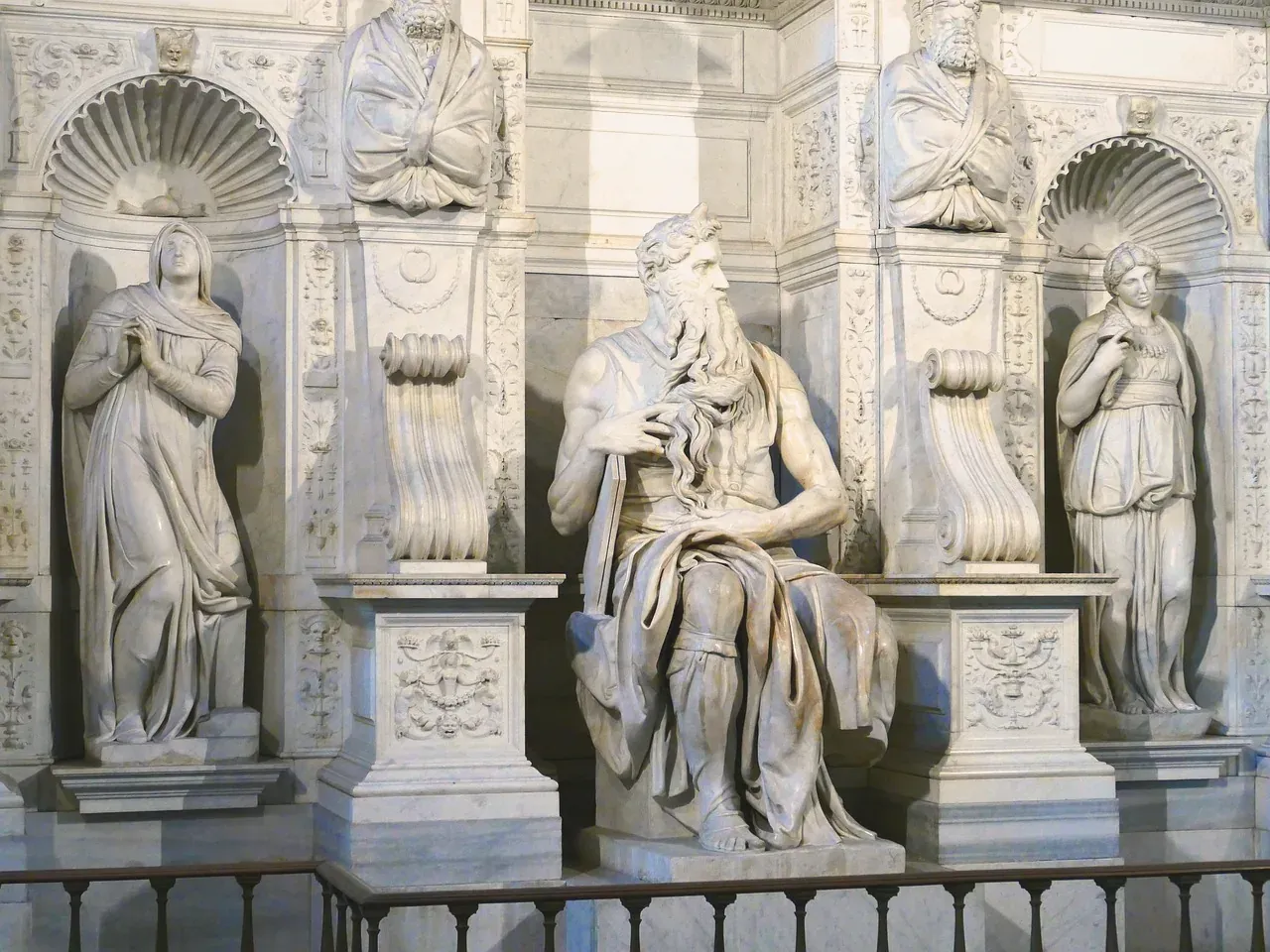
San Pietro in Vincoli
The church built to house the chains of Saint Peter is free to enter and holds Michelangelo's Moses at the centre of Pope Julius II's tomb, open daily except for a midday closure between 12:30 and 15:30.
Ancient Roman ruins across Rome
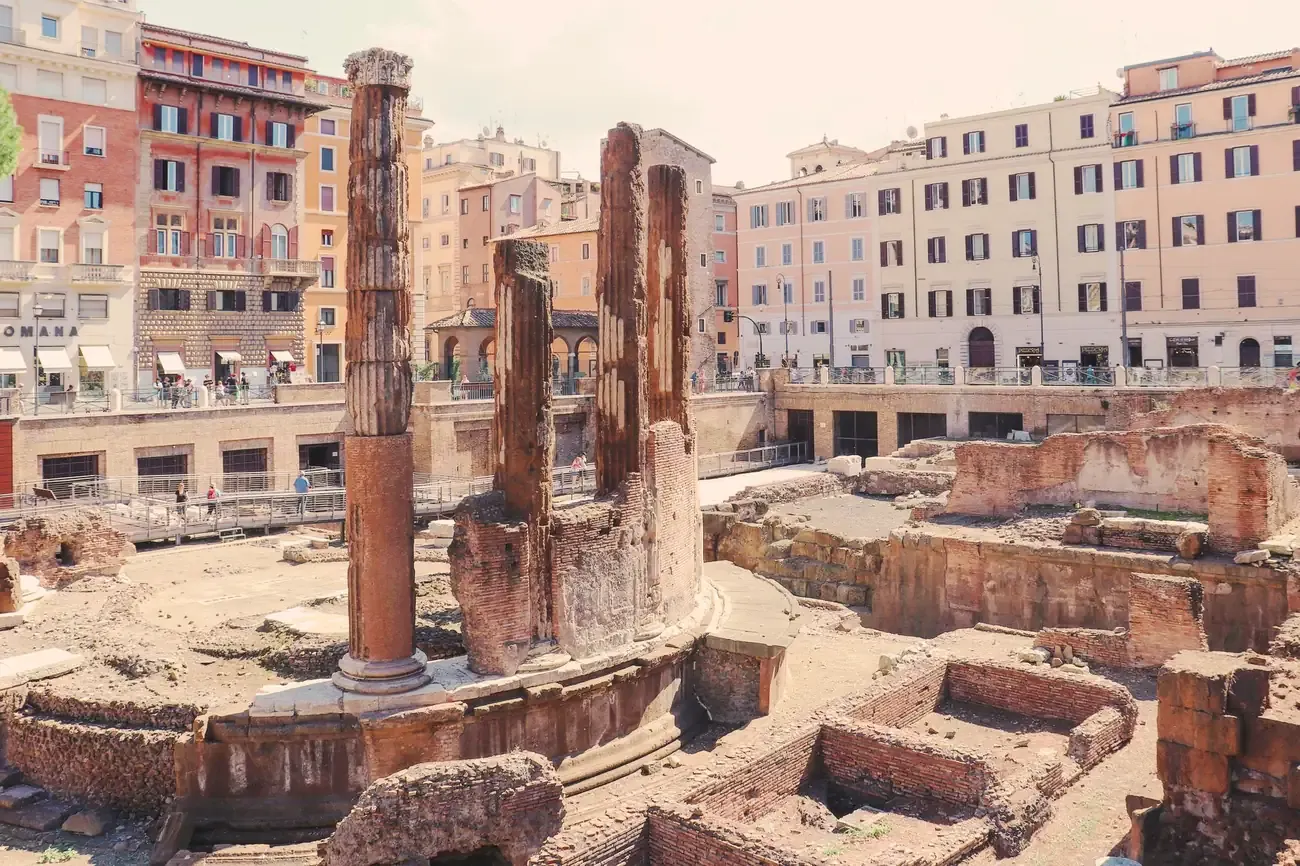
Torre Argentina Cat Sanctuary
Four sunken Republican-era temples where Julius Caesar was assassinated, now shared with a colony of stray cats cared for by volunteers.
Location: Largo di Torre Argentina, Rome
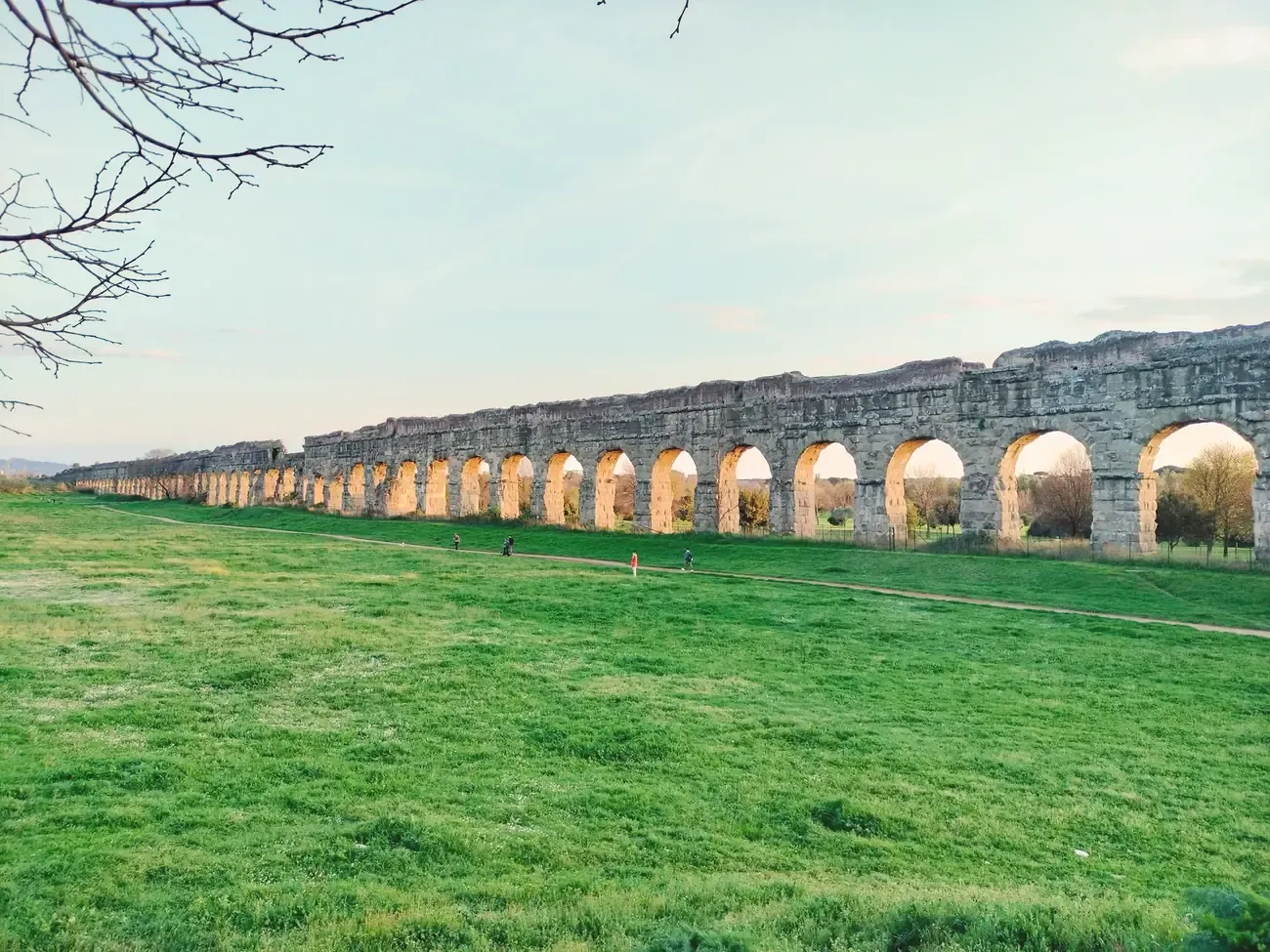
Parco degli Acquedotti
A green swathe of Roman countryside where the arches of several ancient aqueducts still stride across the fields toward the city.
Location: Via Lemonia, Rome
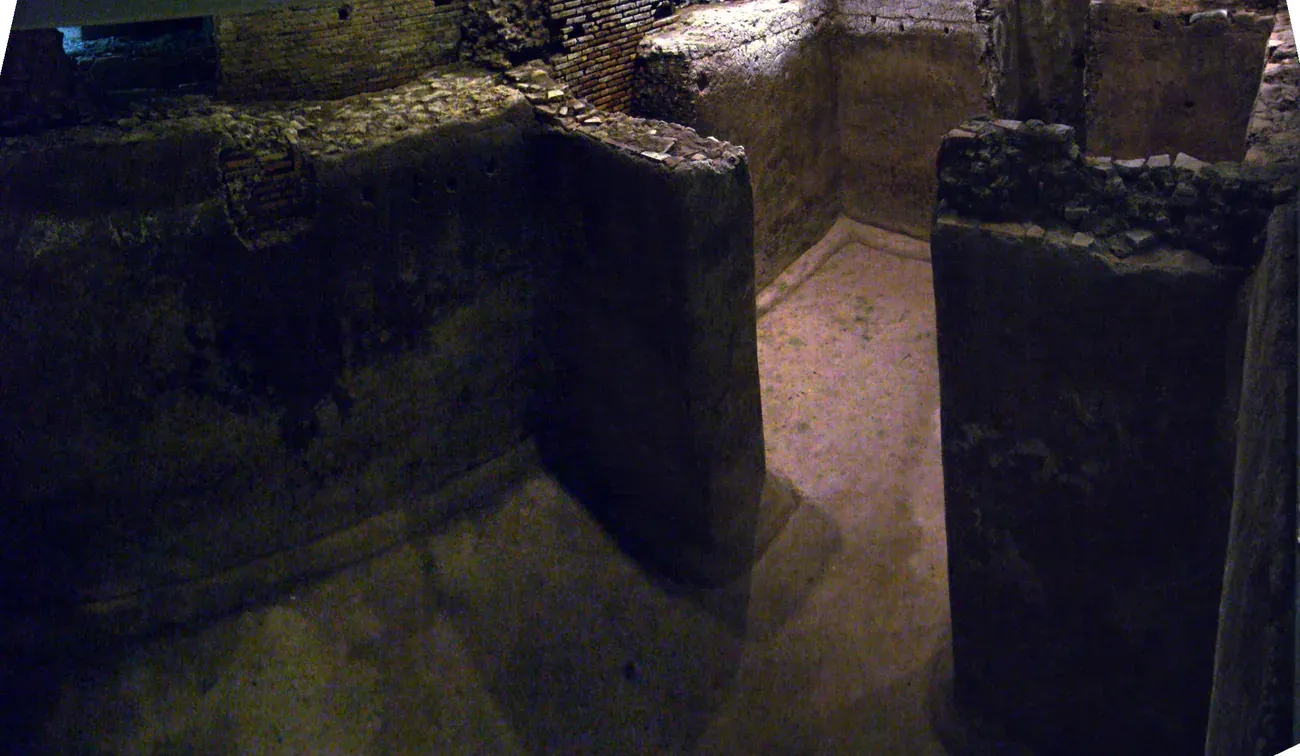
Vicus Caprarius
An excavated Roman house and water cistern hidden in the streets just behind the Trevi Fountain, fed by the same ancient aqueduct.
Location: Vicolo del Puttarello, Rome
Photo: "Trevi - città dell'acqua - serbatoio aqua virgo" by Lalupa (CC BY-SA 3.0).
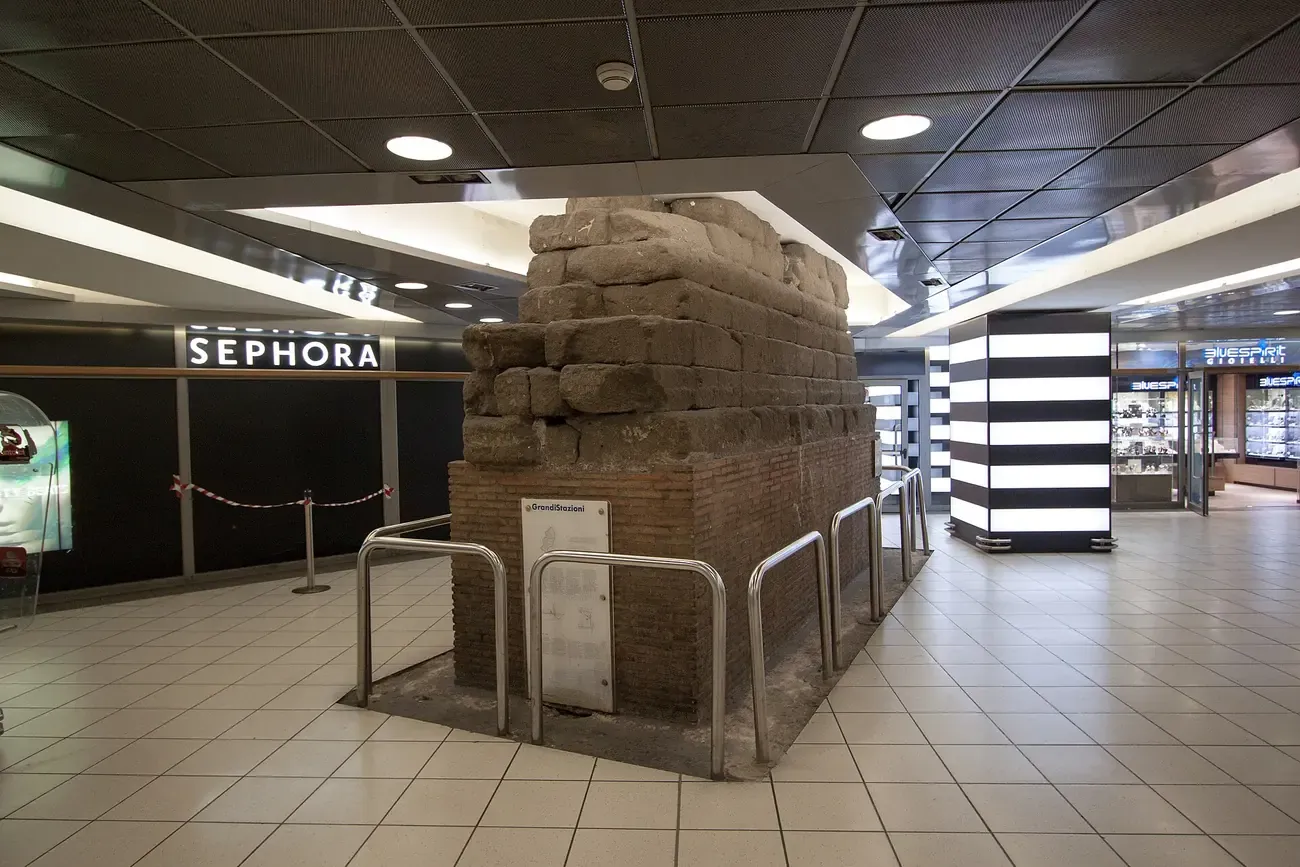
Servian Wall at McDonald's
A section of Rome's oldest defensive wall, built from volcanic tufa in the fourth century BC, displayed inside a fast-food restaurant by Termini station.
Location: Piazza dei Cinquecento, Rome
Photo: "New passenger building - Interior - 1" by Szilas (Public domain).
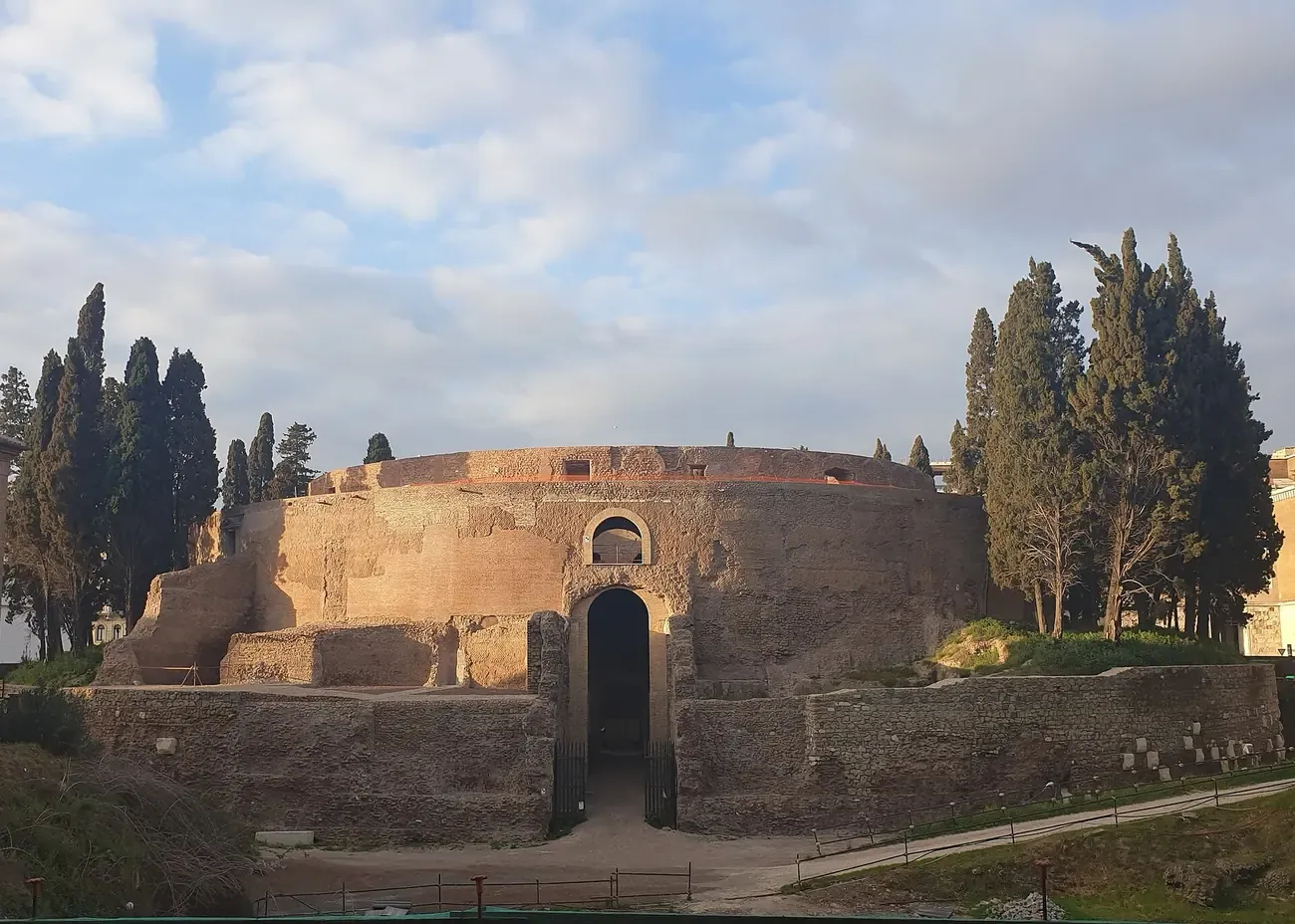
Mausoleum of Augustus
The vast circular tomb the first emperor built for himself and his family, long overgrown and recently restored and reopened to visitors.
Location: Piazza Augusto Imperatore, Rome
Photo: "Photographs of the Mausoleum of Augustus 14 (cropped)" by MumblerJamie (CC BY-SA 2.0).
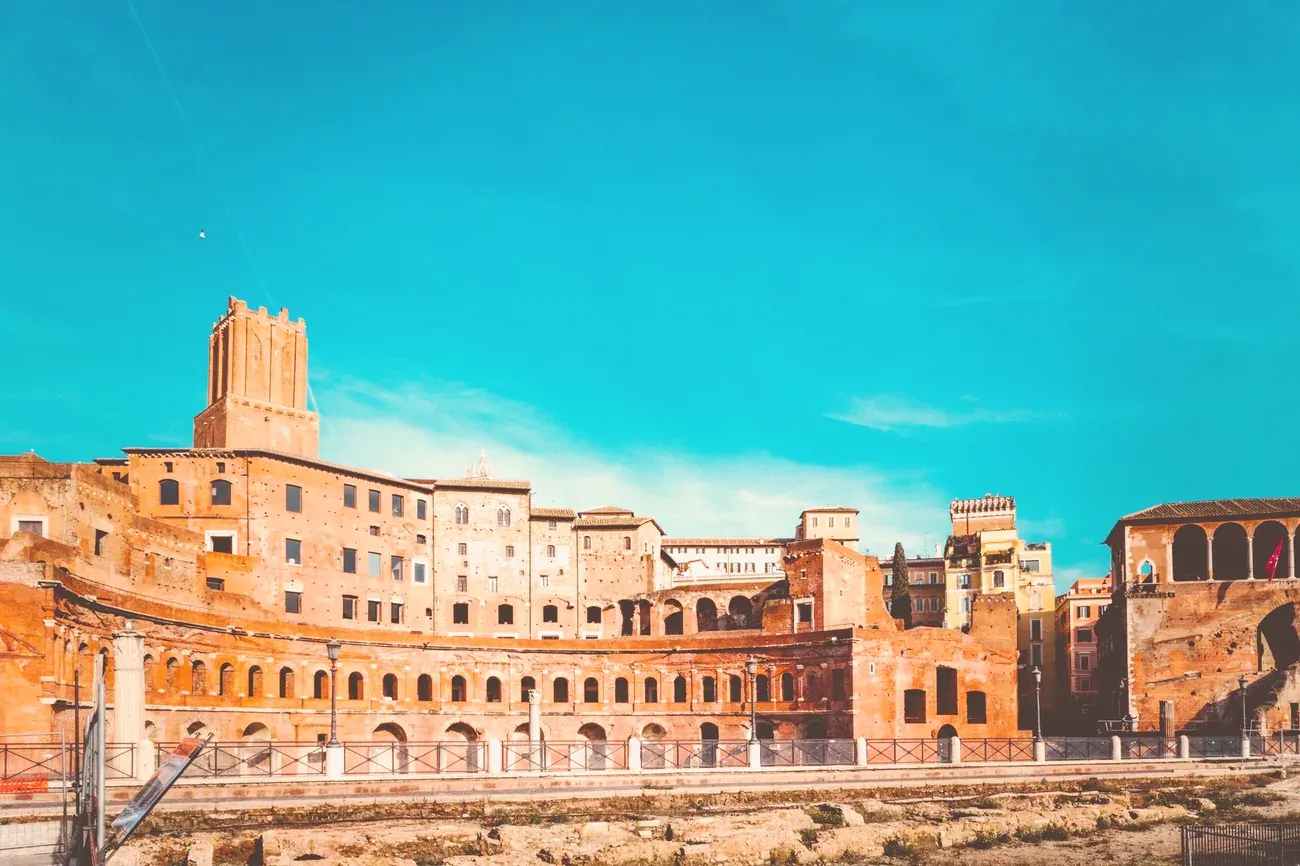
Trajan's Market
A curved, multi-storey complex of brick halls and shops built into the hillside beside Trajan's Forum, often called the world's oldest shopping centre.
Location: Via IV Novembre, Rome
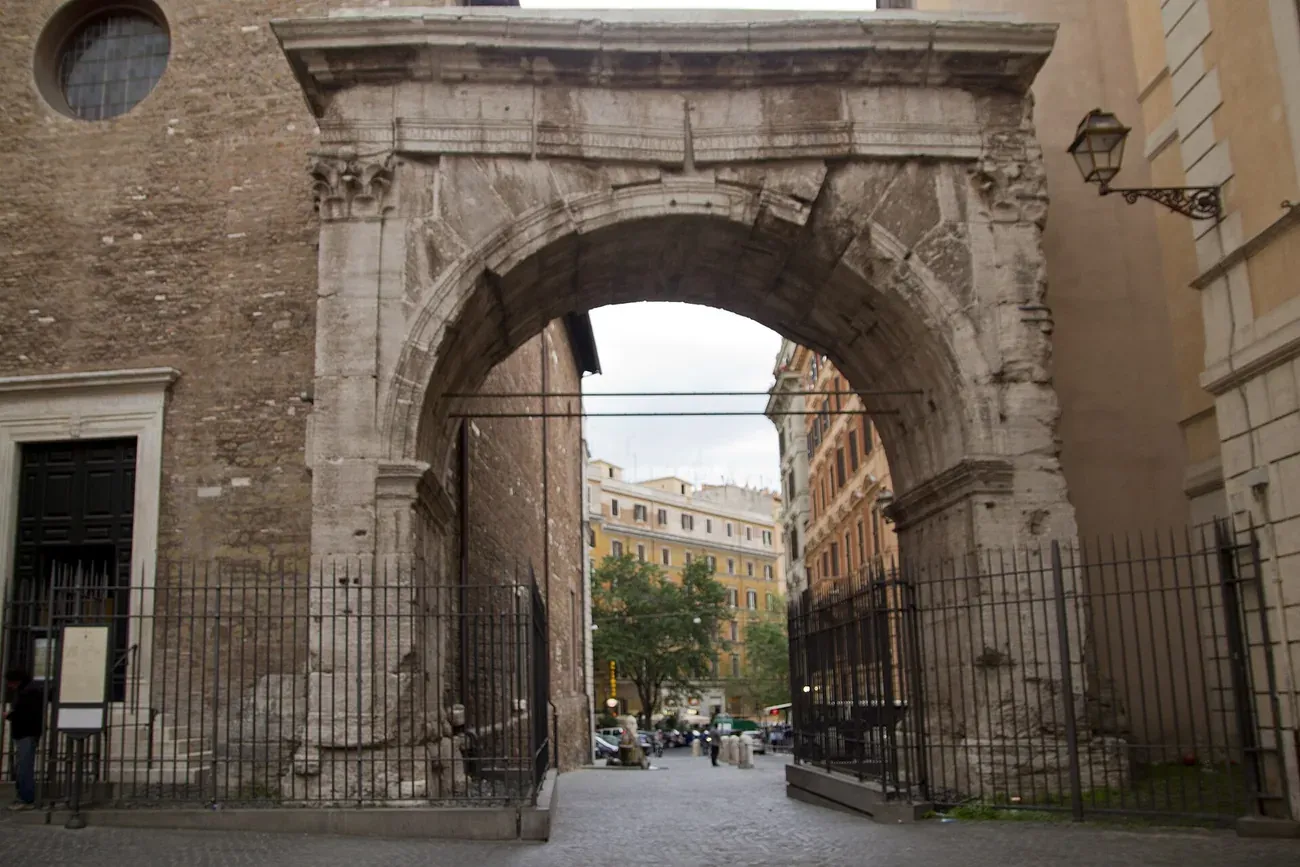
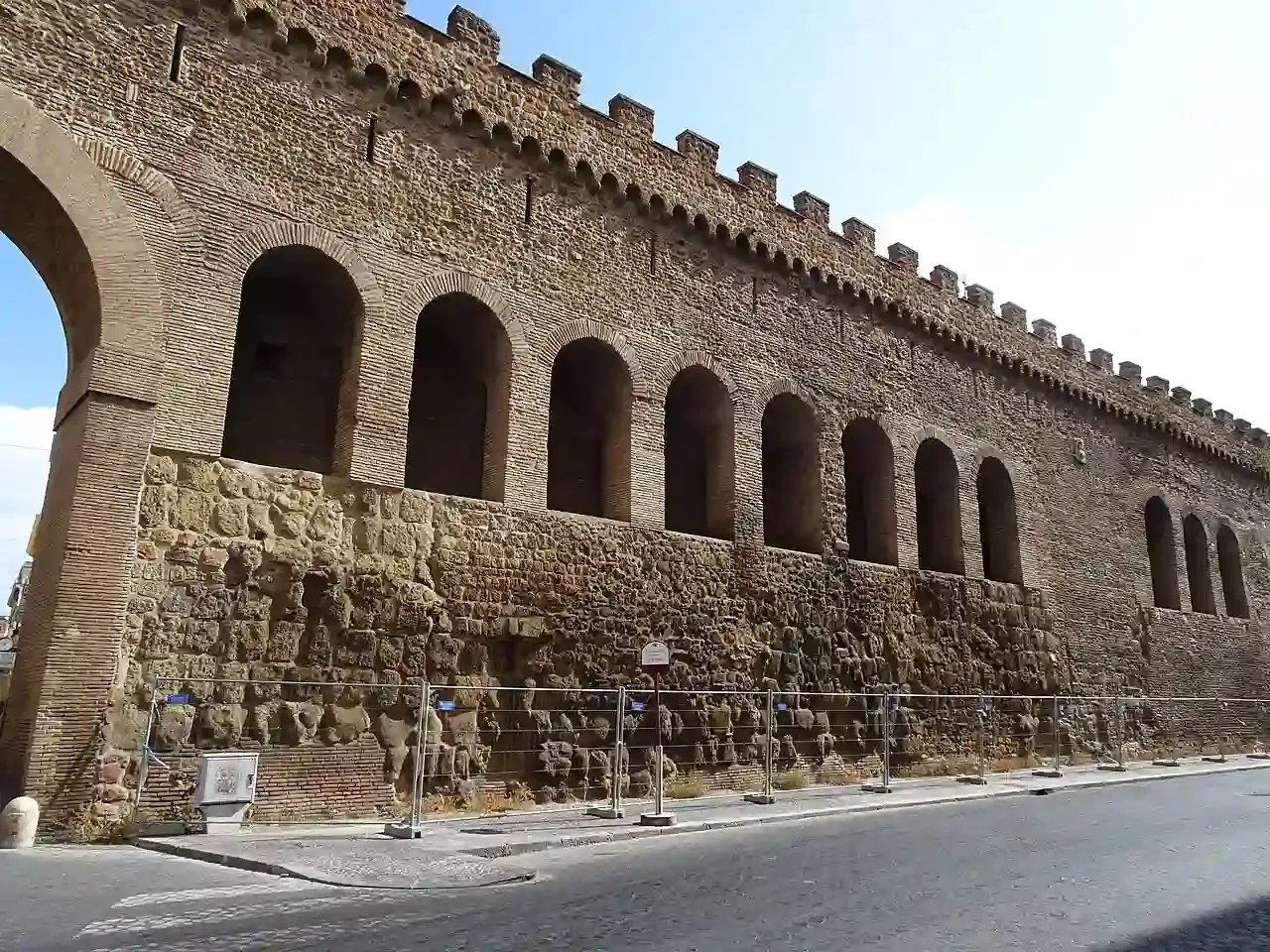
Arch of Gallienus
A plain third-century travertine gate set into an older Republican wall, tucked down a side street beside a small church.
Location: Via di San Vito, Rome
Photo: "Arc of Galliennus - panoramio" by trolvag (CC BY-SA 3.0).
Crypts, tombs and cemeteries in Rome
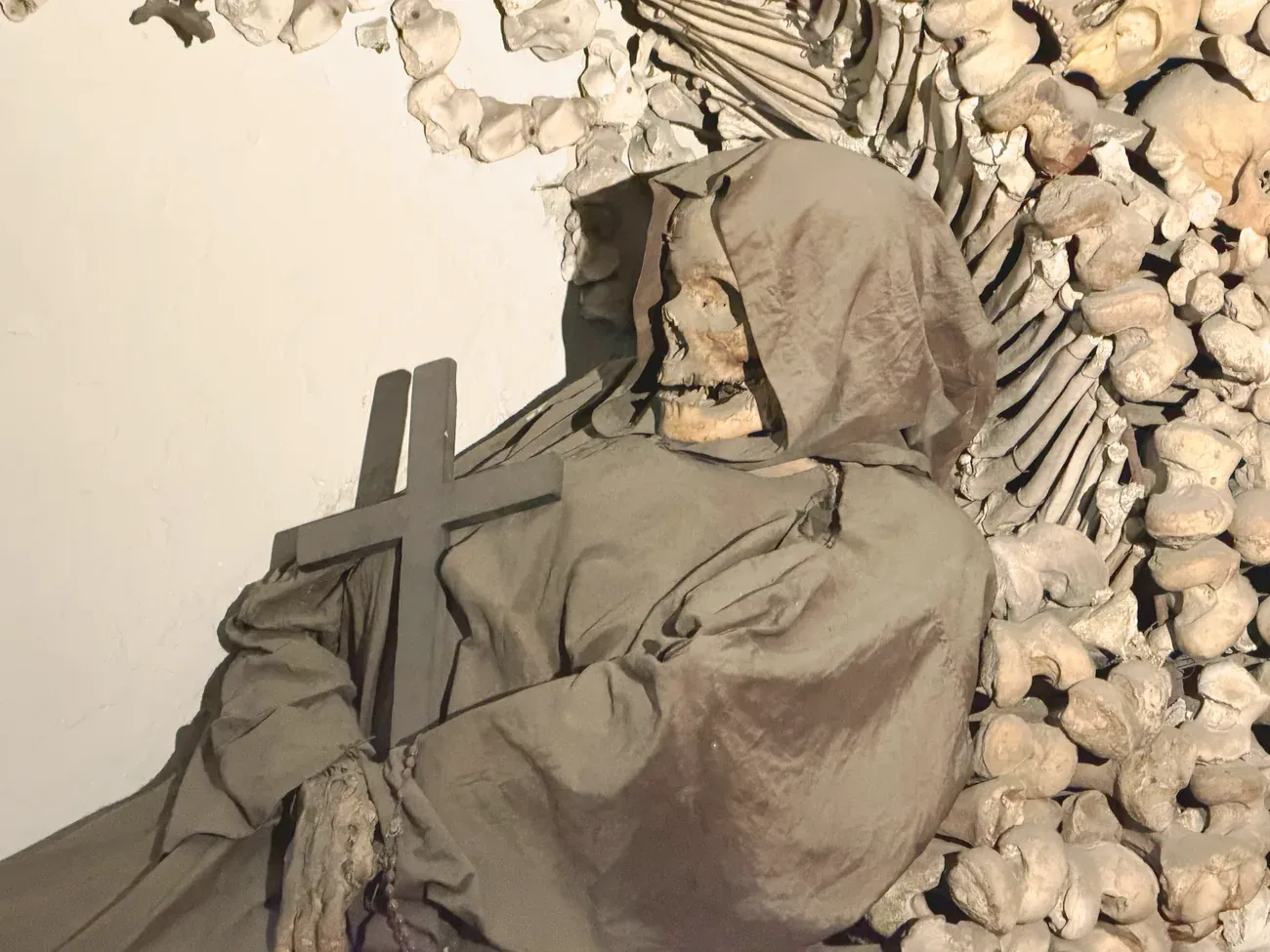
Capuchin Crypt
Underground chapels decorated entirely with the bones of thousands of Capuchin friars, arranged into patterns as a meditation on mortality.
Location: Via Vittorio Veneto, Rome
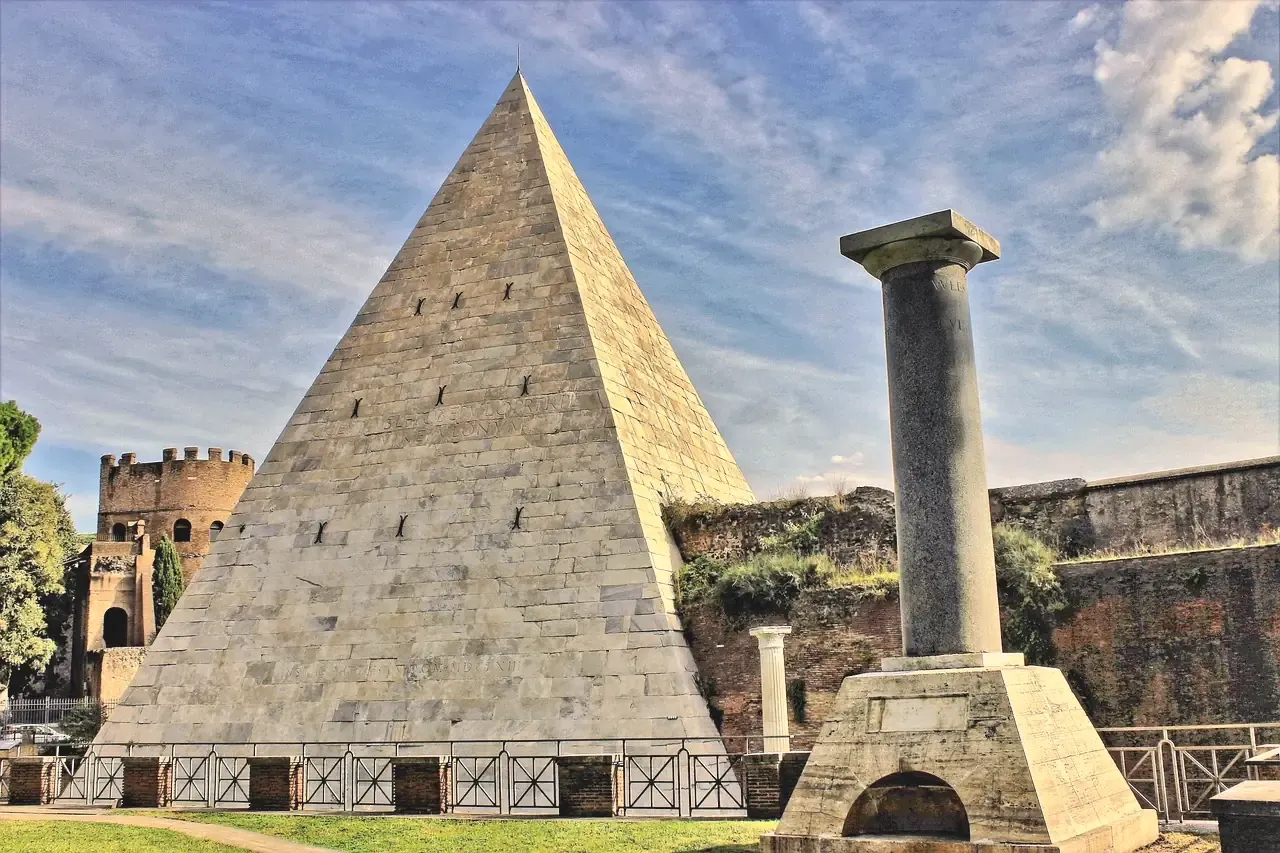
Pyramid of Cestius
A sharp white marble pyramid, tomb of a Roman magistrate, raised during the city's craze for Egyptian style after the conquest of Egypt.
Location: Piazzale Ostiense, Rome
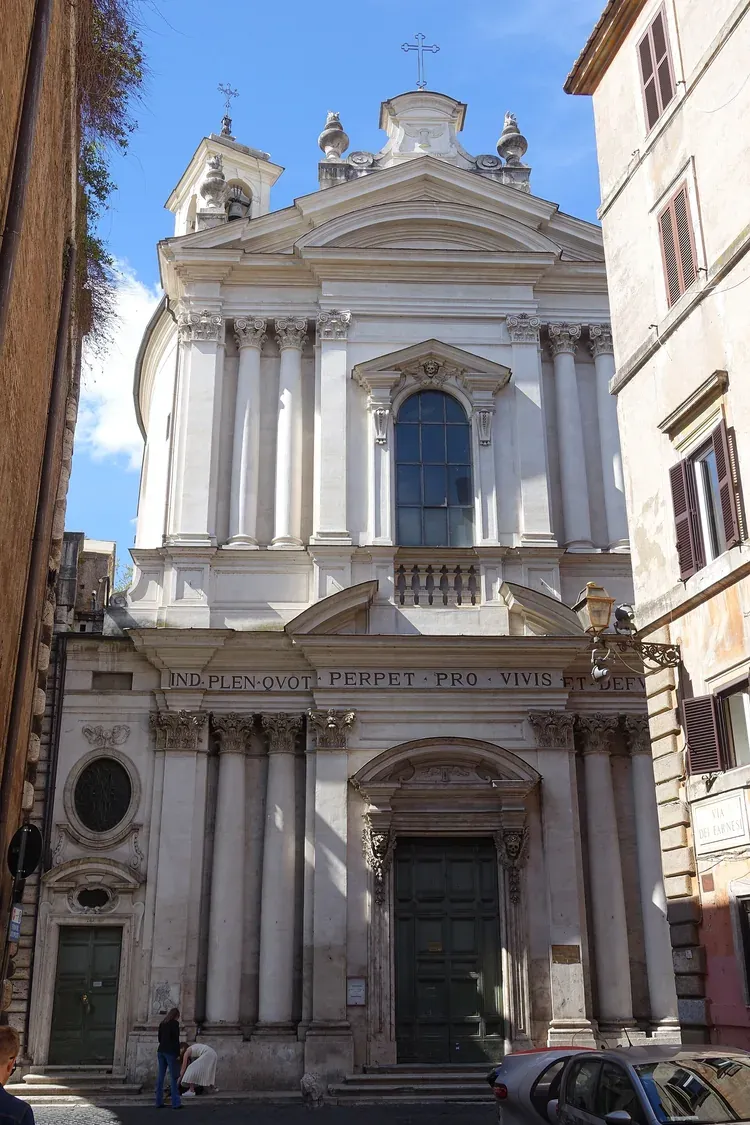
Santa Maria dell'Orazione e Morte
A church of a confraternity that once buried the anonymous dead, its facade carved with winged skulls and a crypt below.
Location: Via Giulia, Rome
Photo: "Santa Maria dell'Orazione e Morte - Rome, Italy - DSC01683" by Daderot (Public domain).
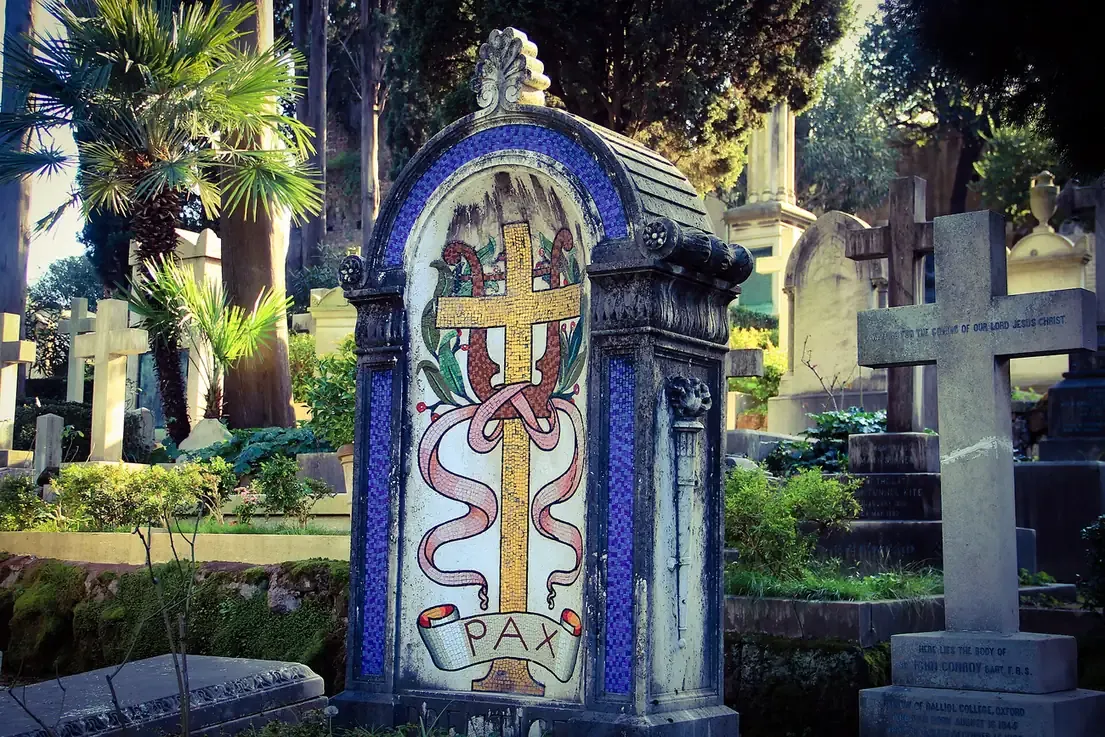
Protestant Cemetery
A quiet cypress-shaded burial ground for non-Catholics beside the Pyramid of Cestius, resting place of the poets Keats and Shelley.
Location: Via Caio Cestio, Rome
Photo: "Roma Cimitero Acattolico di Testaccio" by Gidipa (CC BY-SA 4.0).
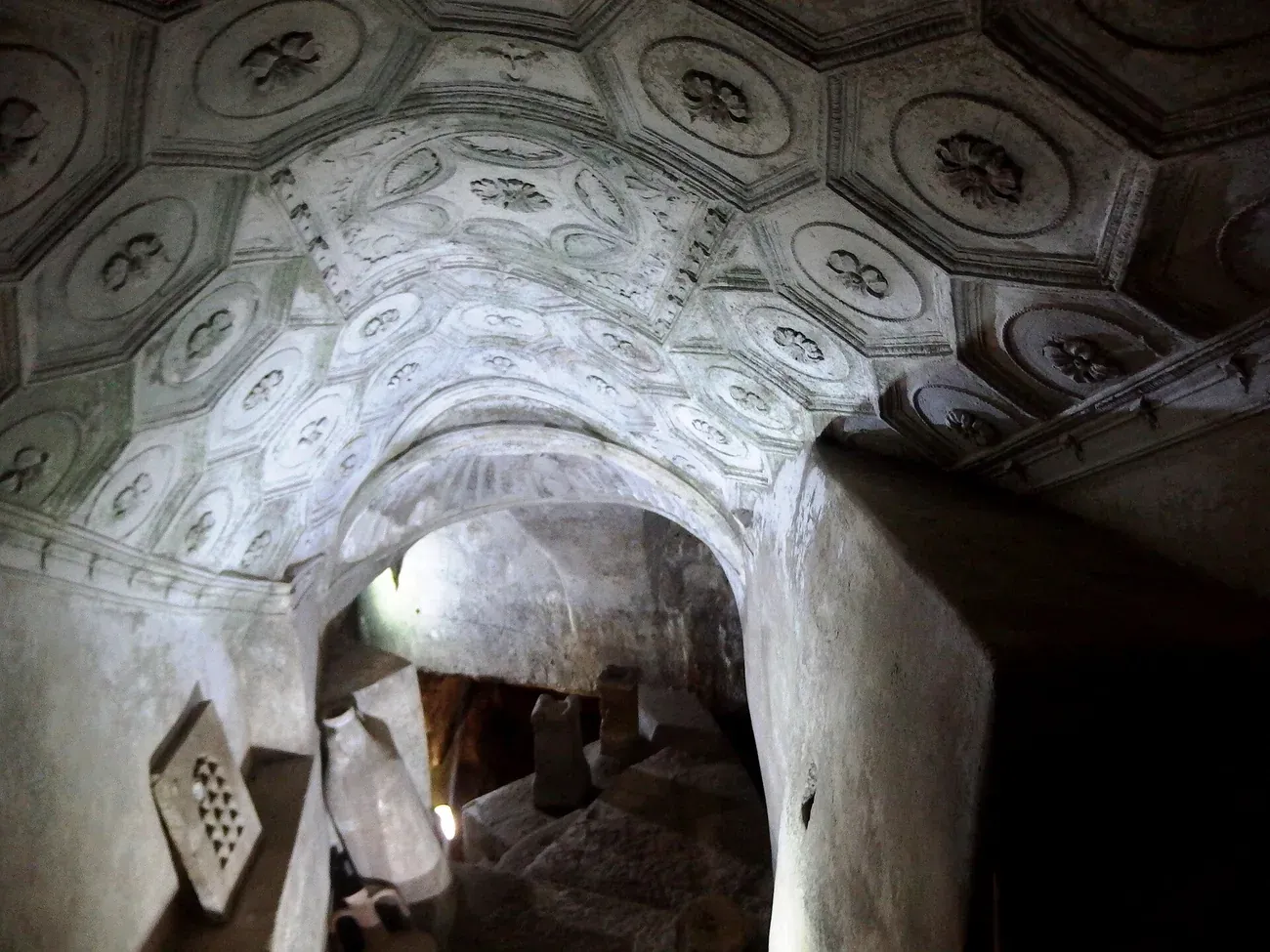
Catacombs of San Sebastian
Miles of early Christian burial galleries carved into soft rock beneath the Appian Way, among the first sites to be called catacombs.
Location: Via Appia Antica, Rome
Photo: "Roma, Catacombe di San Sebastiano (4)" by Palickap (CC BY-SA 4.0).
Strange relics in Rome's churches
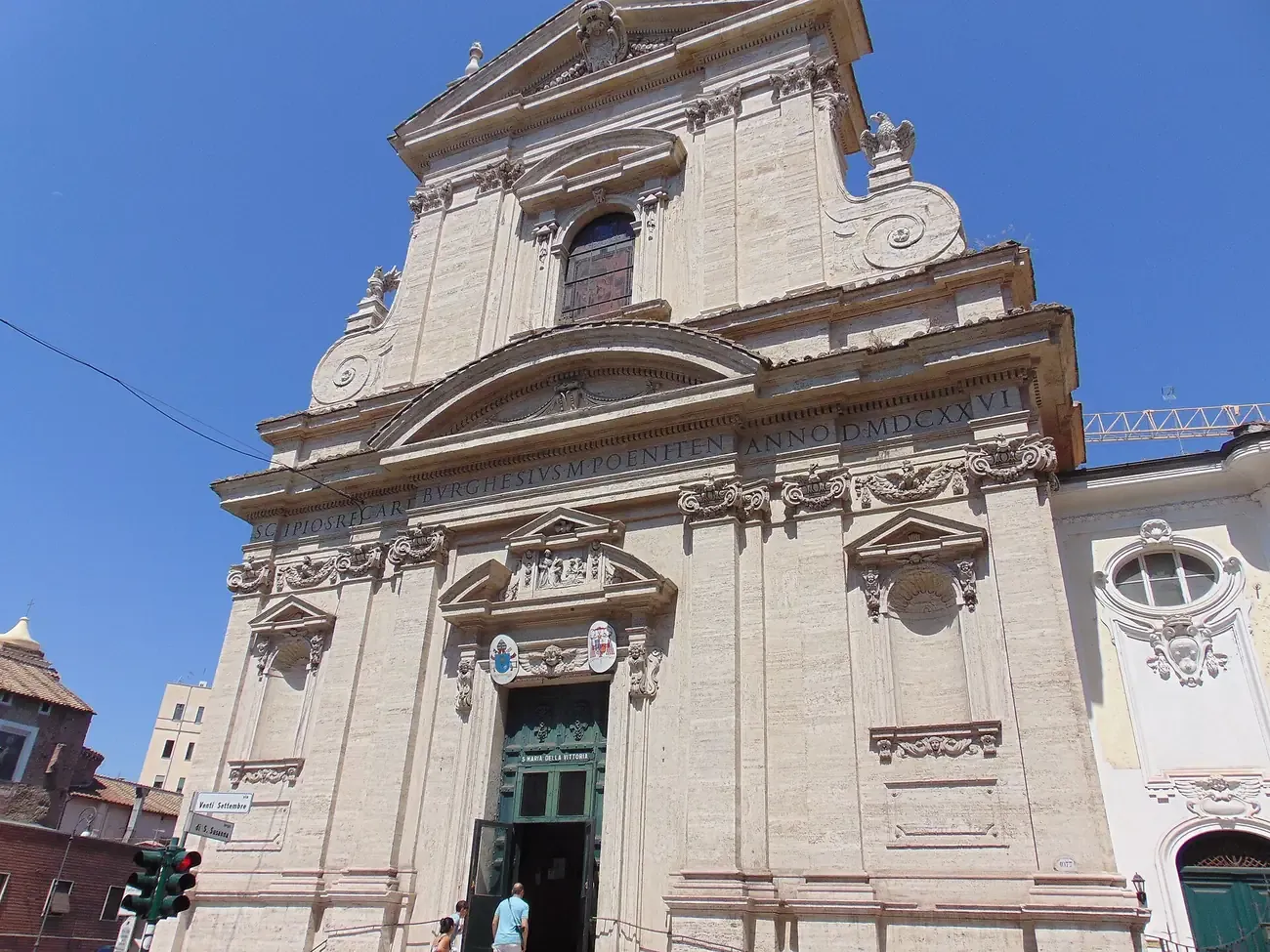
Saint Victoria's Incorruptible Body
The reclining, wax-covered remains of an early Roman martyr displayed beneath an altar in the church of Santa Maria della Vittoria.
Location: Via XX Settembre, Rome
Photo: "Chiesa di Santa Maria della Vittoria (Roma) 11" by Nicholas Gemini (CC BY-SA 4.0).
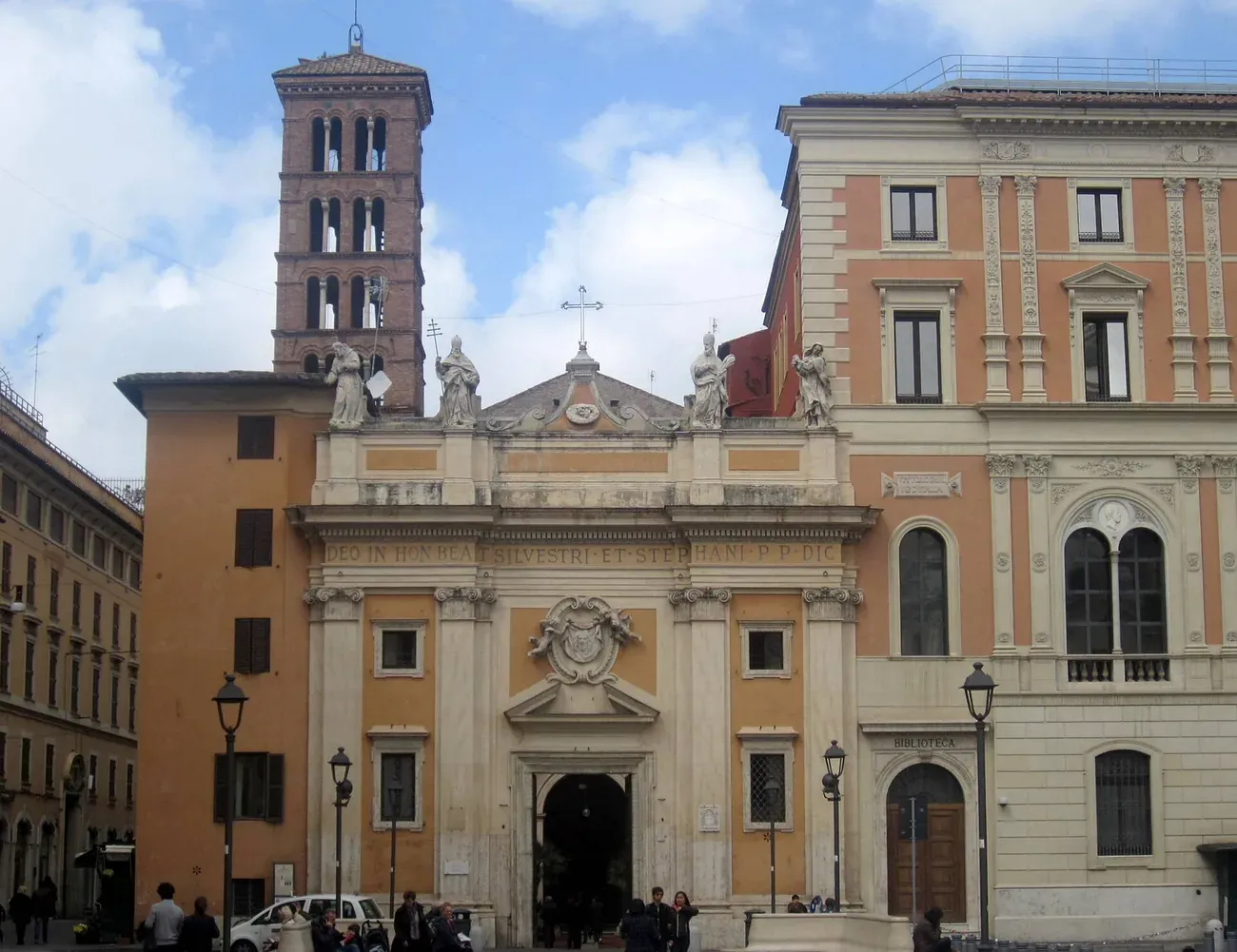
Head of St. John the Baptist
A church that claims to hold the skull of John the Baptist, one of several sites around the world making the same relic claim.
Location: Piazza di San Silvestro, Rome
Photo: "Roma - Chiesa di San Silvestro" by Luca Aless (CC BY-SA 3.0).
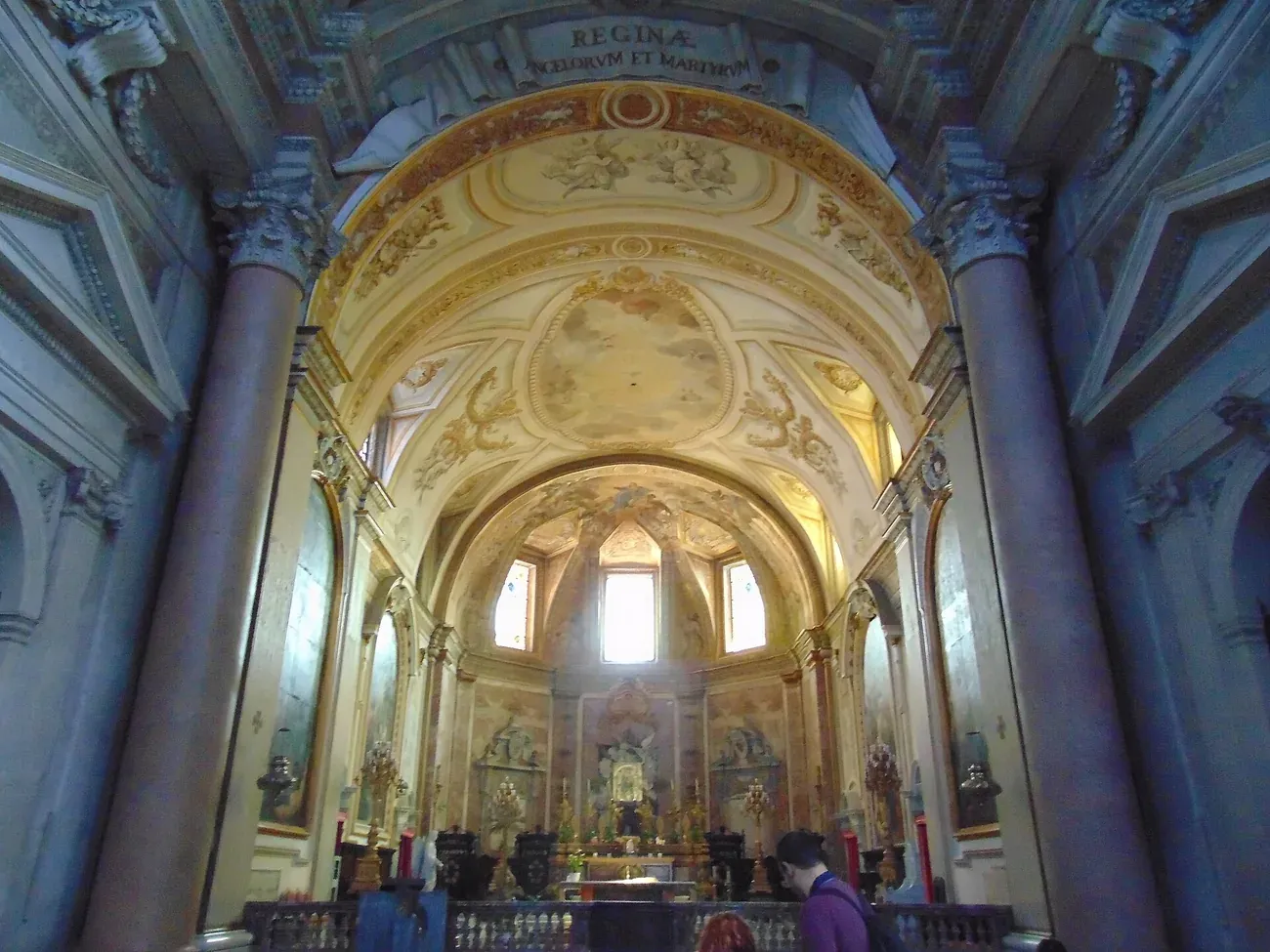
Meridian Line at Santa Maria degli Angeli
A brass sundial line set into the floor of a Michelangelo-designed basilica, once used to check the calendar and mark solar noon.
Location: Piazza della Repubblica, Rome
Photo: "Basilica di Santa Maria degli Angeli e dei Martiri 30" by Nicholas Gemini (CC BY-SA 4.0).
Offbeat corners of Rome
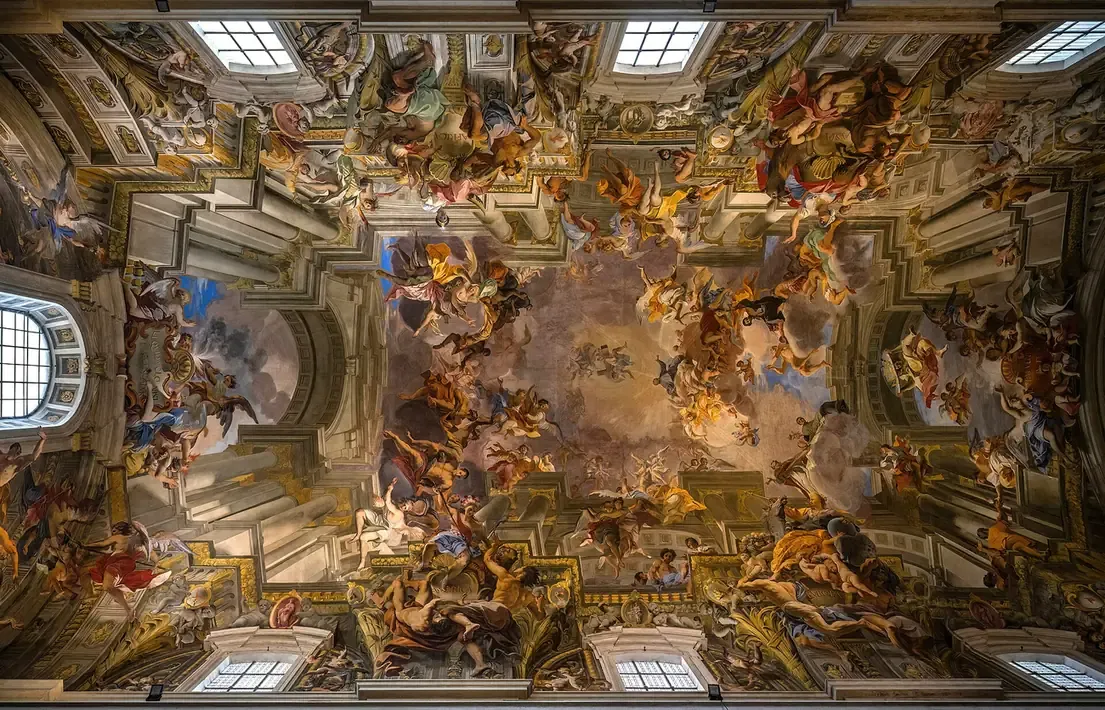
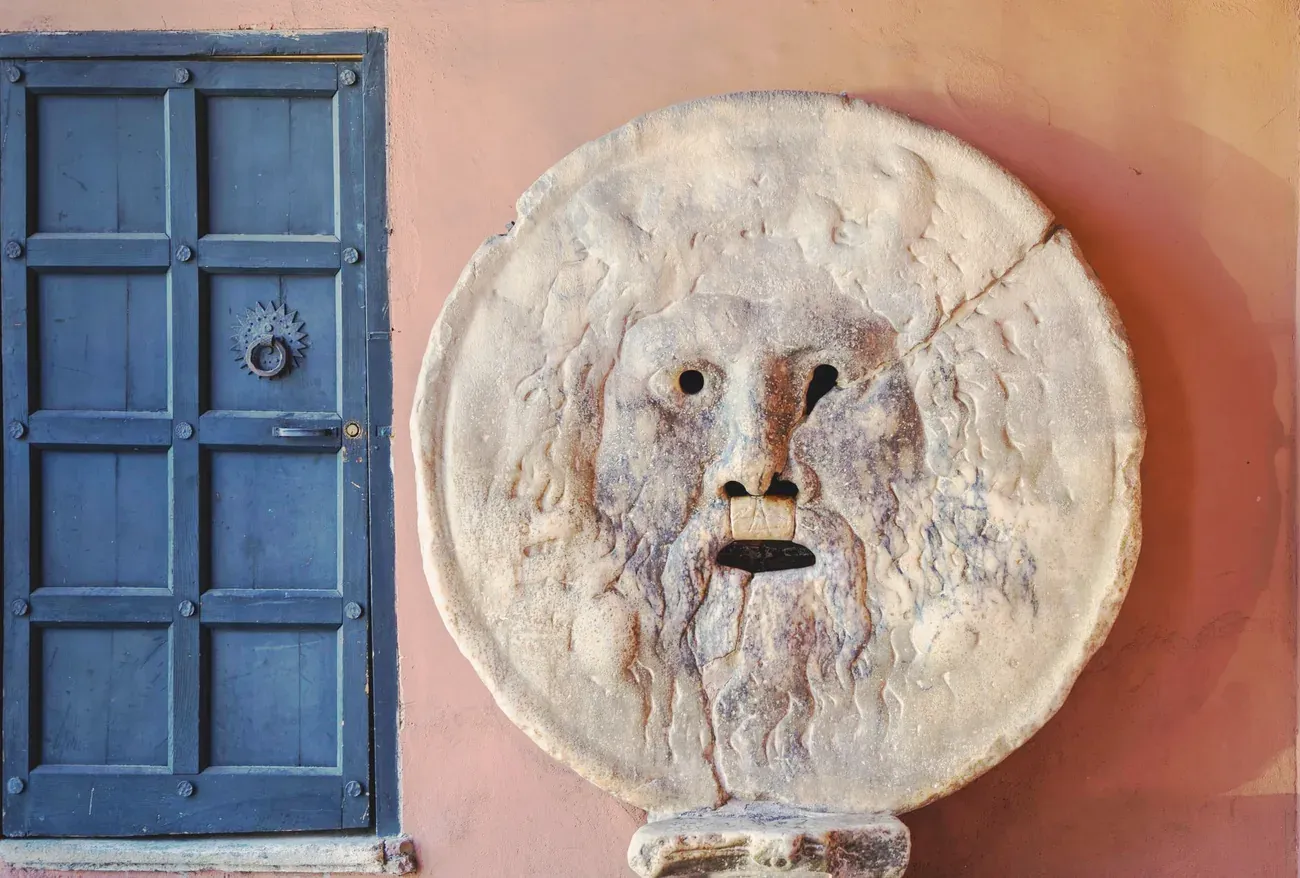
The Mouth of Truth
An ancient marble mask in a church portico said to bite the hand of any liar who dares place it inside its open mouth.
Location: Piazza della Bocca della Verita, Rome
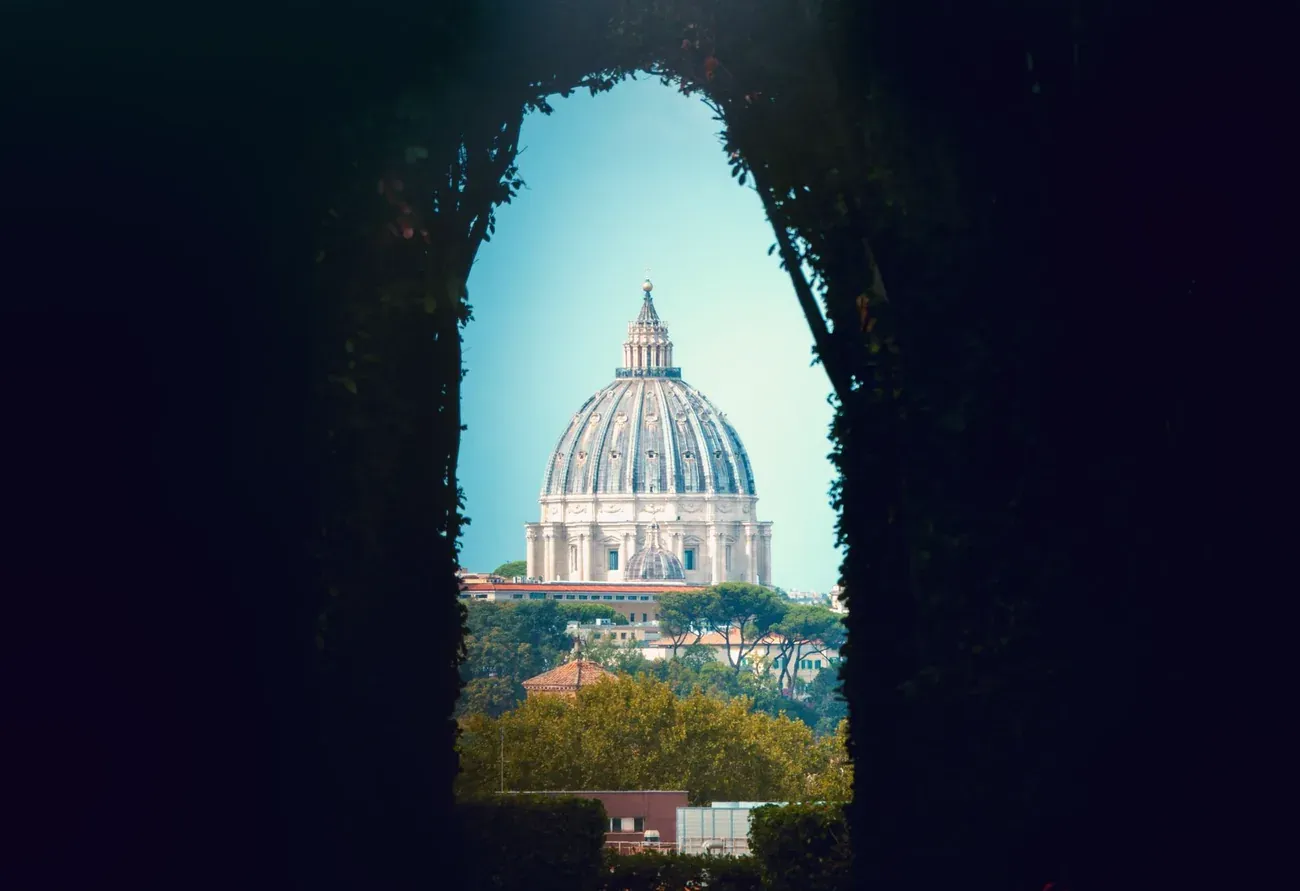
The Aventine Keyhole
A humble green door on the Aventine Hill whose keyhole frames a perfect distant view of St. Peter's dome down a hedged garden path.
Location: Piazza dei Cavalieri di Malta, Rome
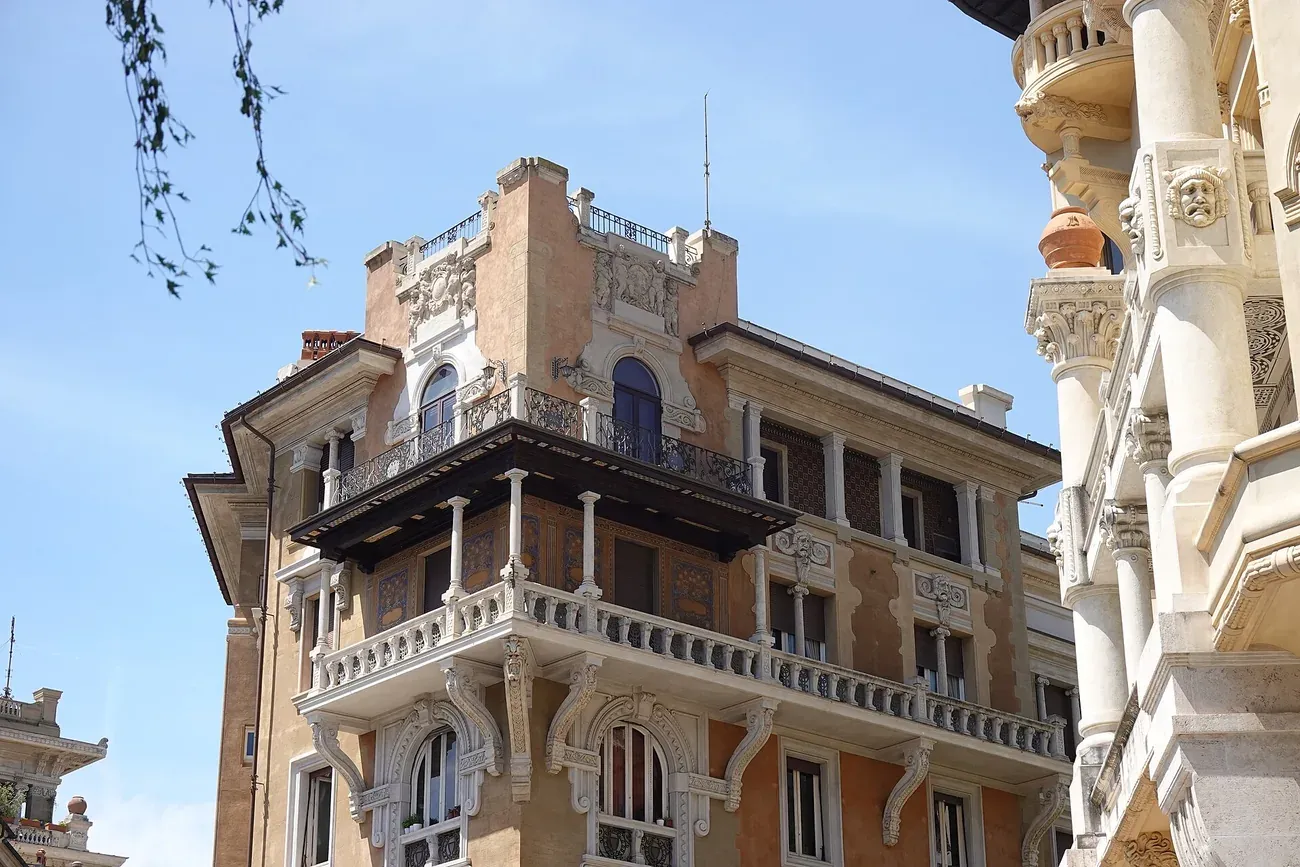
Quartiere Coppede
A small, dreamlike district of fanciful mansions mixing Art Nouveau, medieval and Baroque motifs around a fairy-tale fountain and arch.
Location: Piazza Mincio, Rome
Photo: "Coppede Rom 002" by Edelmauswaldgeist (CC0).
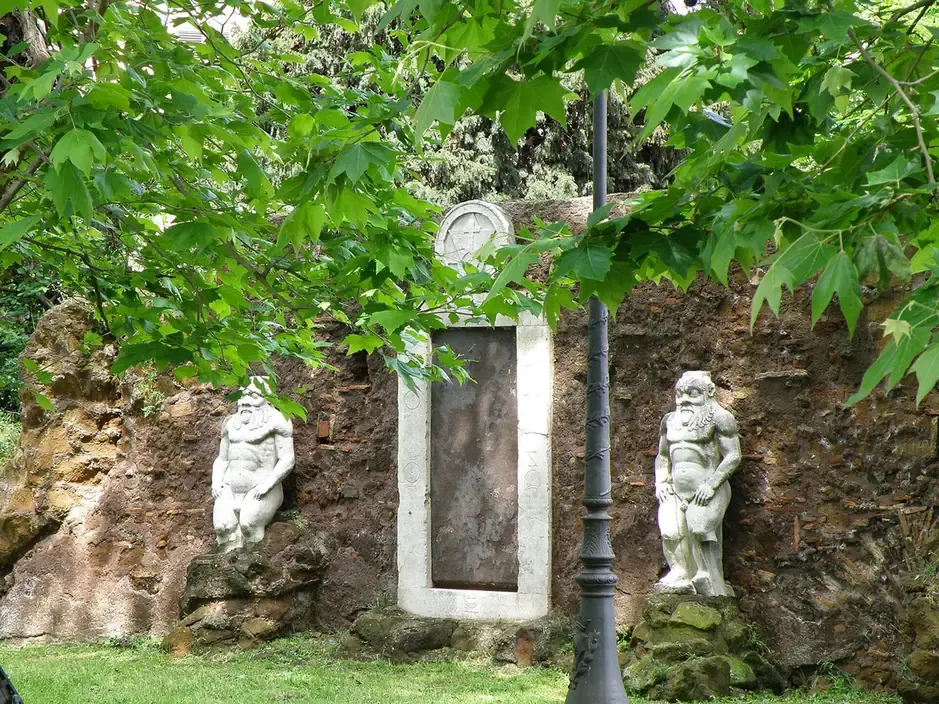
Porta Alchemica
A lone seventeenth-century doorway carved with alchemical symbols and formulas, all that survives of a nobleman's villa in a public park.
Location: Piazza Vittorio Emanuele II, Rome
Photo: "Rione XV Esquilino, Roma, Italy - panoramio (32)" by Mikhail Malykh (CC BY 3.0).
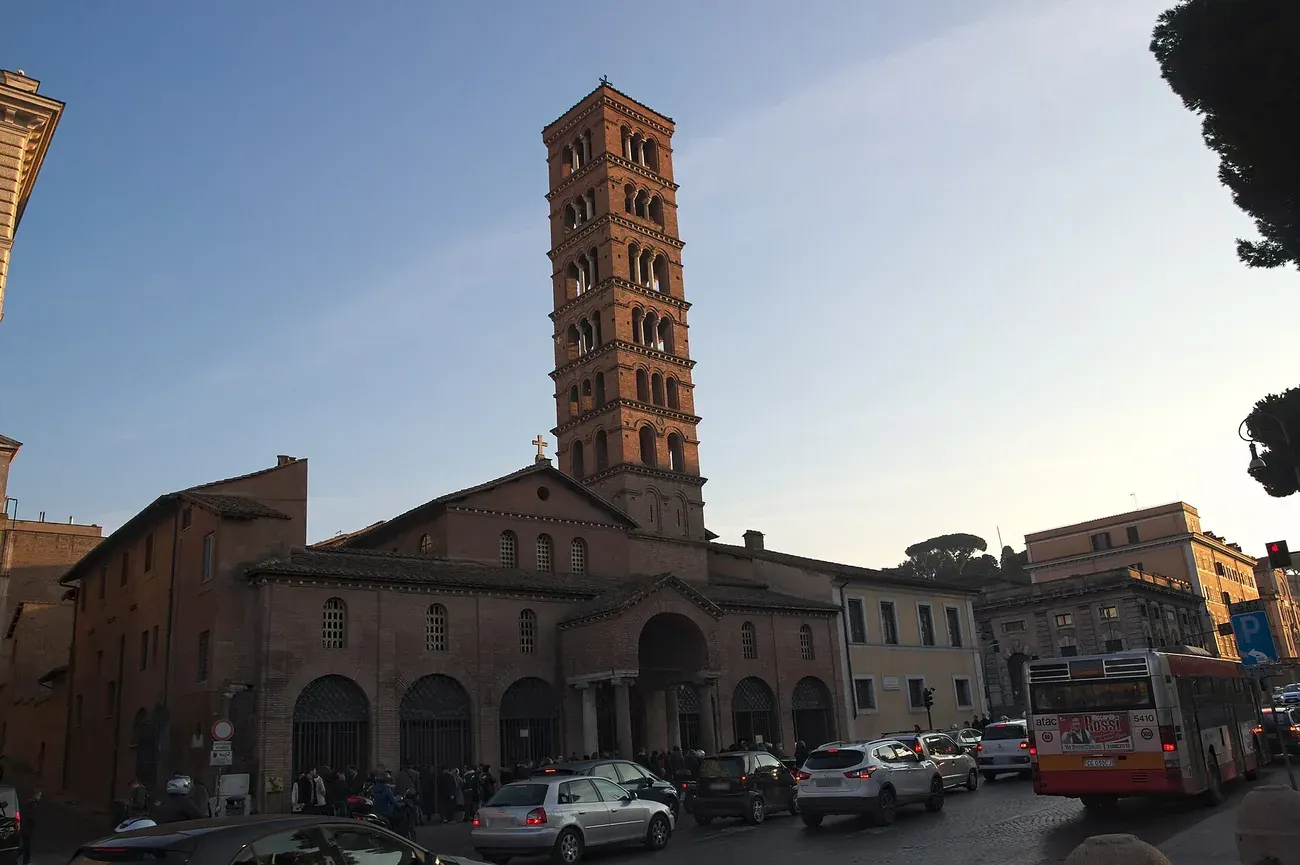
St. Valentine's Skull
A flower-crowned skull labelled as the patron saint of lovers, kept in a glass reliquary inside the church of Santa Maria in Cosmedin.
Location: Piazza della Bocca della Verita, Rome
Photo: "Roma - Iglesia de Santa Maria in Cosmedin - 001" by Xosema (CC BY-SA 4.0).
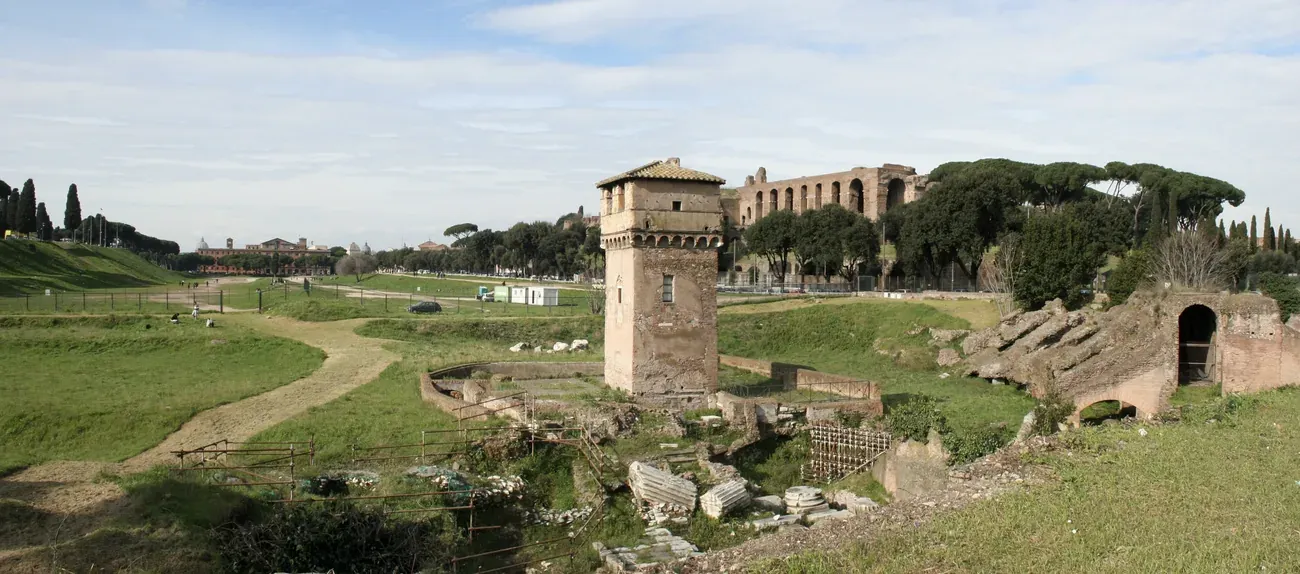
Mithraeum at Circus Maximus
A large underground temple to the mystery god Mithras, hidden beneath a former warehouse next to the Circus Maximus chariot track.
Location: Piazza Bocca della Verita, Rome
Photo: "Circus Maximus - panorama view" by Peter Clarke (CC BY-SA 3.0).
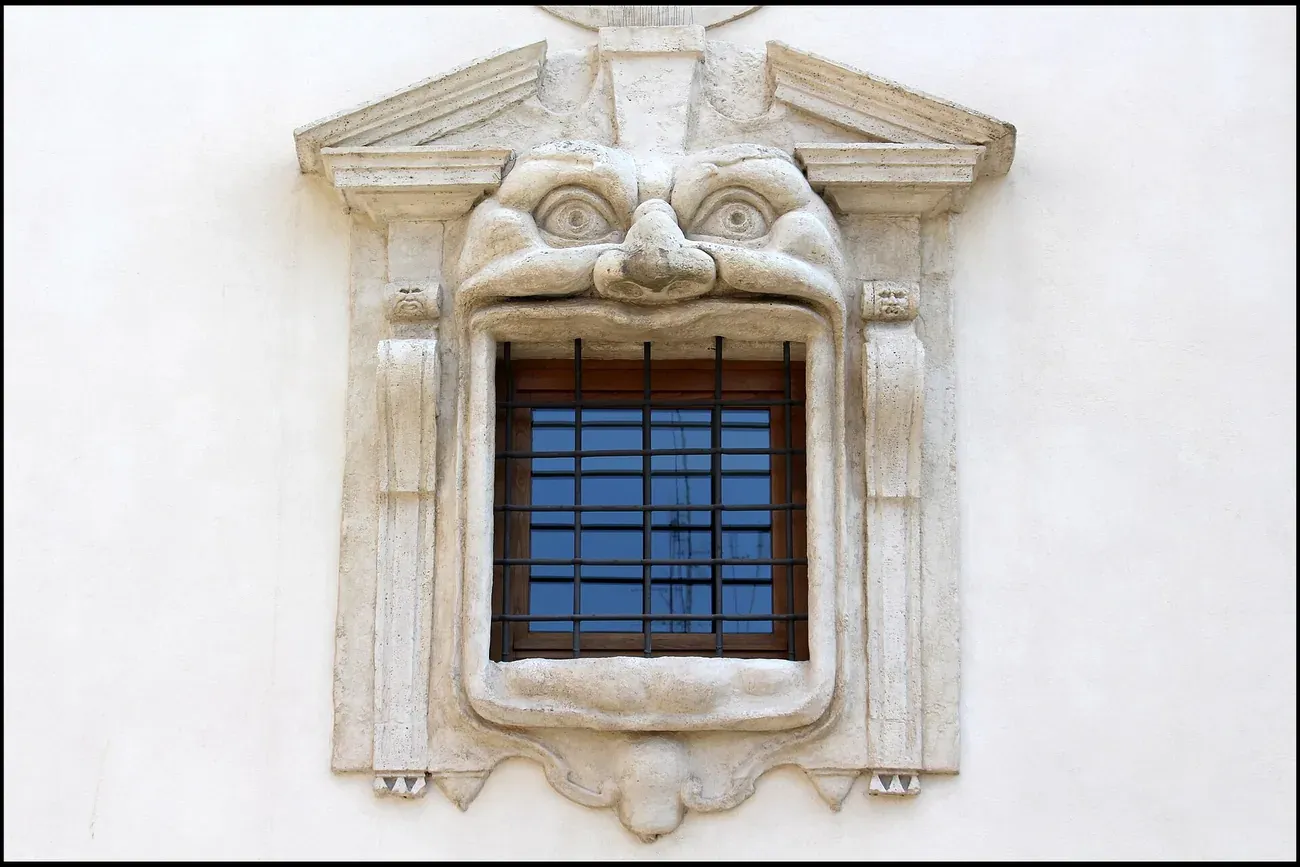
Palazzo Zuccari
A Mannerist artist's house near the Spanish Steps whose door and windows are framed as the gaping mouths of grotesque stone monsters.
Location: Via Gregoriana, Rome
Photo: "Roma - Bibliotheca Hertziana Palazzetto Zuccari (41995843175)" by Fred Romero (CC BY 2.0).
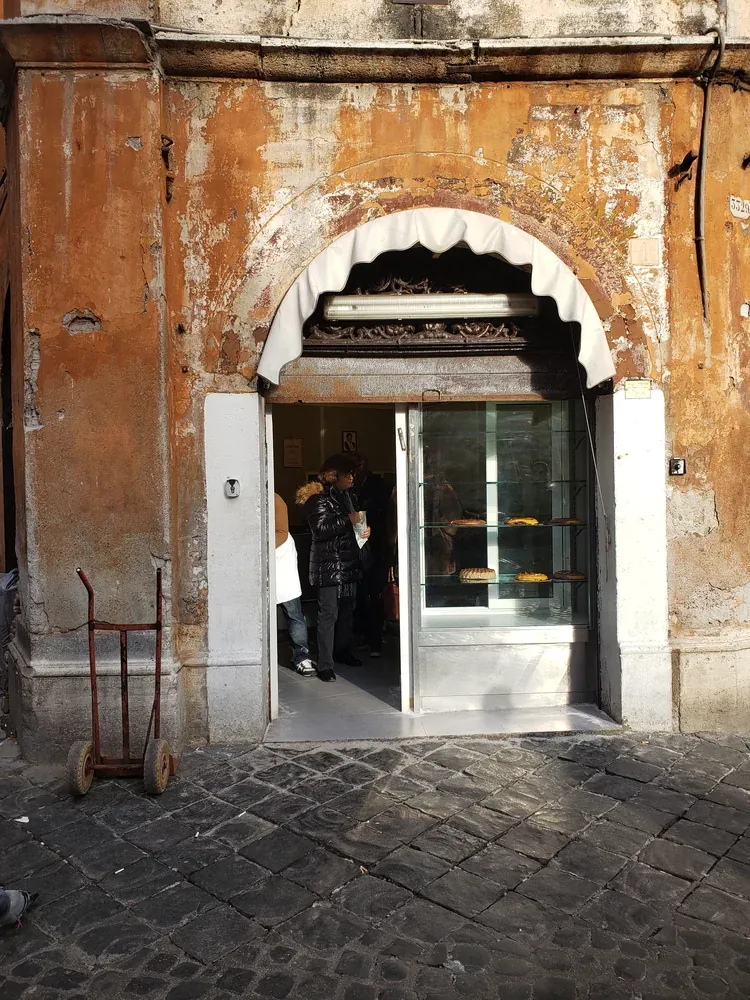
Pasticceria Boccione
A tiny, sign-less Jewish bakery in the old Ghetto famous for its burnt-looking ricotta and cherry tart, often sold out by afternoon.
Location: Via del Portico d'Ottavia, Rome
Photo: "Boccione Bakery" by JSFarman (CC BY-SA 4.0).
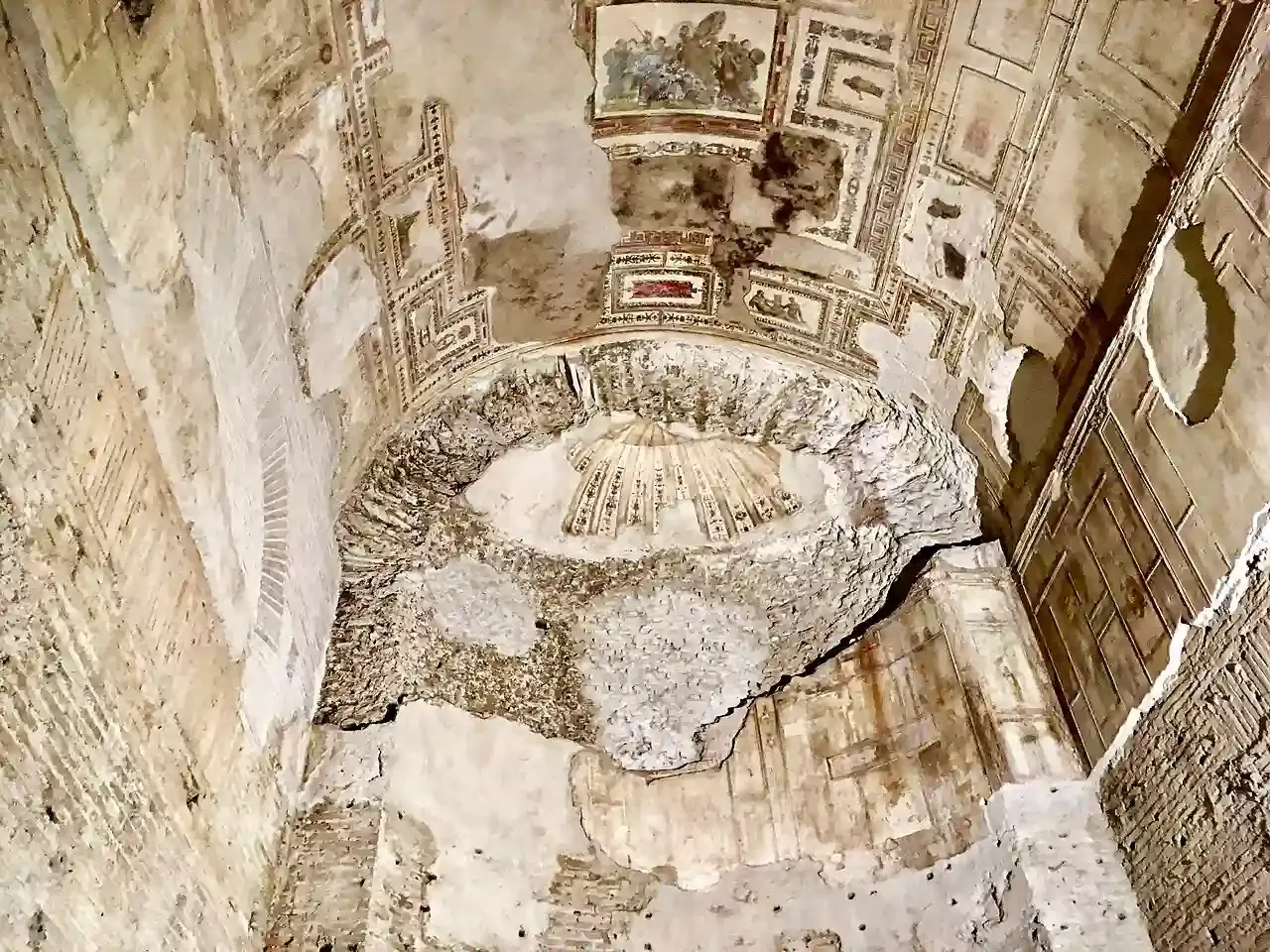
Domus Aurea
The buried remains of Nero's sprawling golden palace, explored on guided visits with projections that rebuild its frescoed halls.
Location: Via della Domus Aurea, Rome
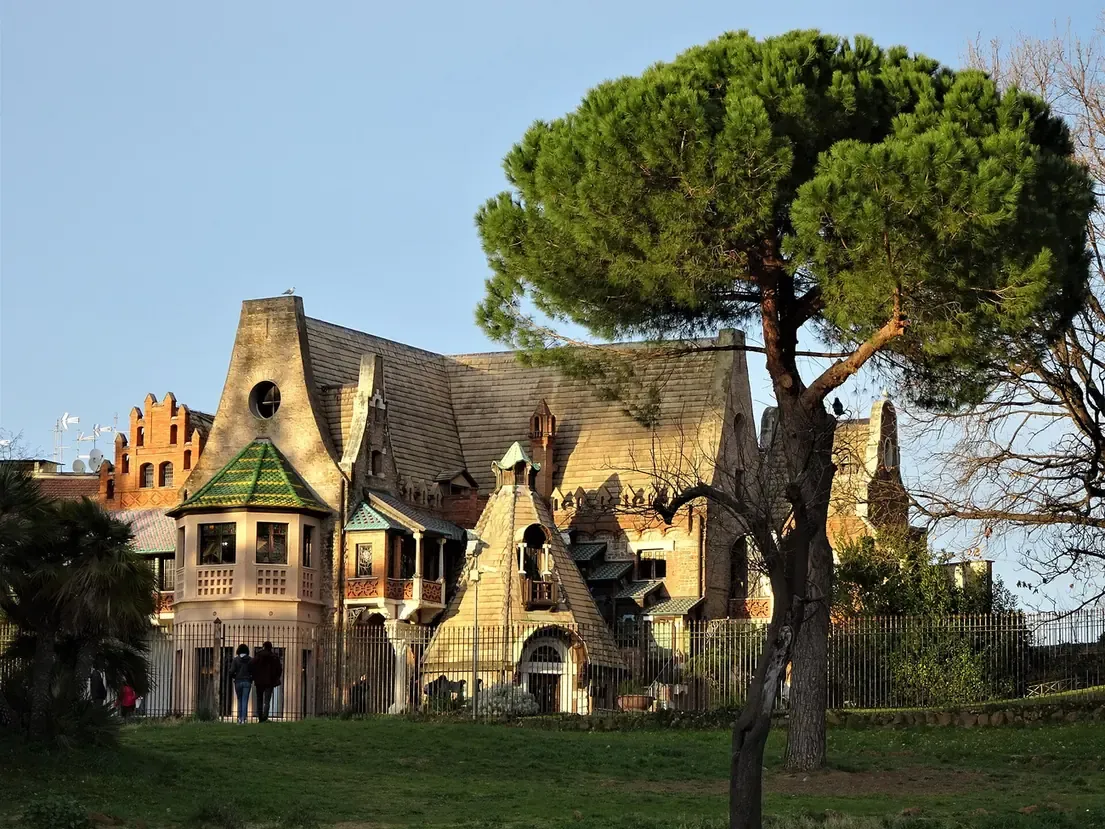
Casina delle Civette
A whimsical House of the Owls in the Villa Torlonia park, rich in stained glass, owl motifs and storybook turrets.
Location: Via Nomentana, Rome
Photo: "Casina delle Civette" by Hugo DK (CC BY-SA 4.0).
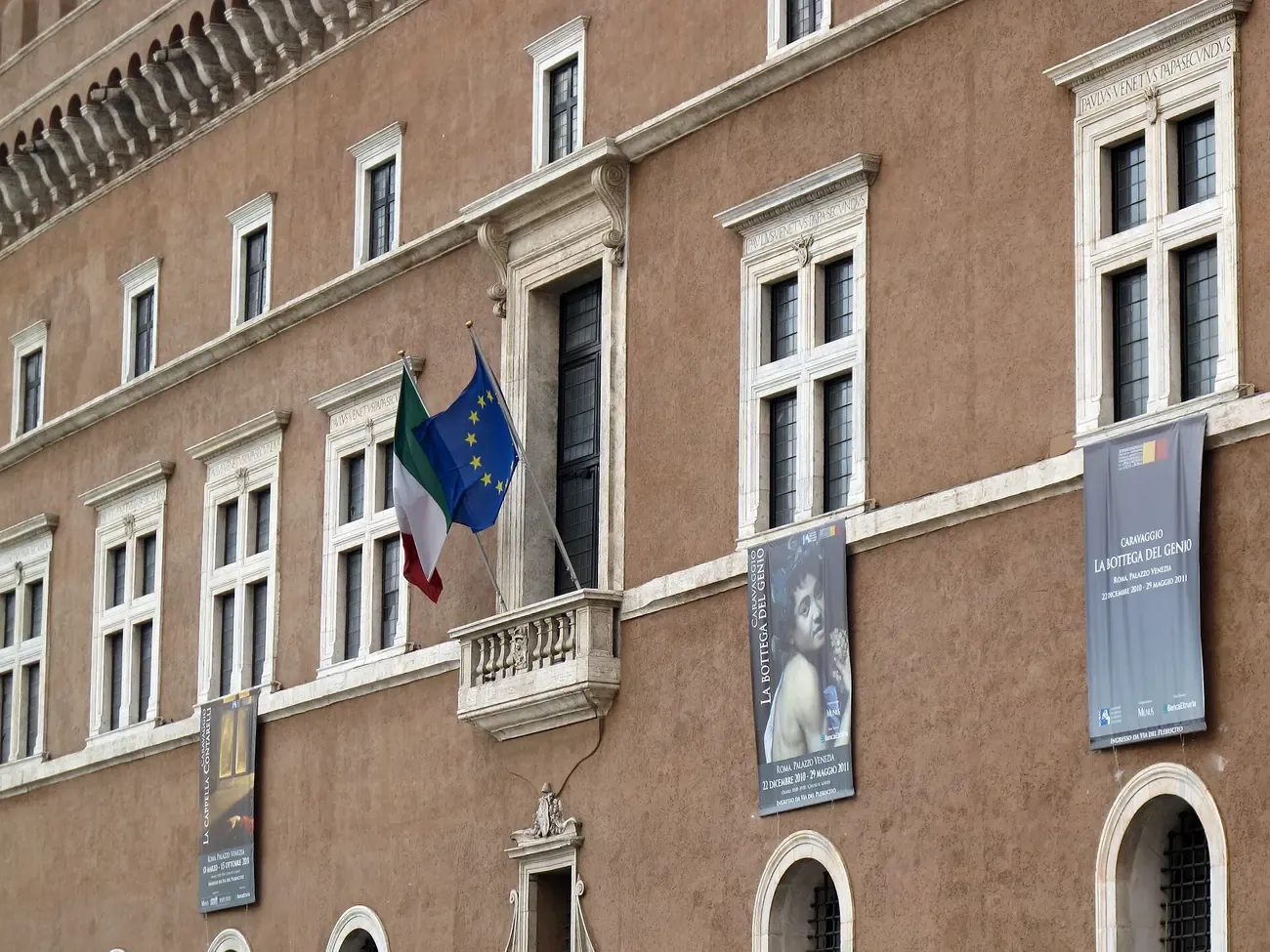
Mussolini's Balcony
The balcony of Palazzo Venezia from which the dictator harangued crowds packed into the square below during the Fascist years.
Location: Piazza Venezia, Rome
Photo: "Celebre balcone - panoramio" by pietro scerrato (CC BY 3.0).
Passetto di Borgo
A raised fortified corridor along the top of a wall linking the Vatican to Castel Sant'Angelo, once an emergency escape route for popes.
Location: Borgo, Rome
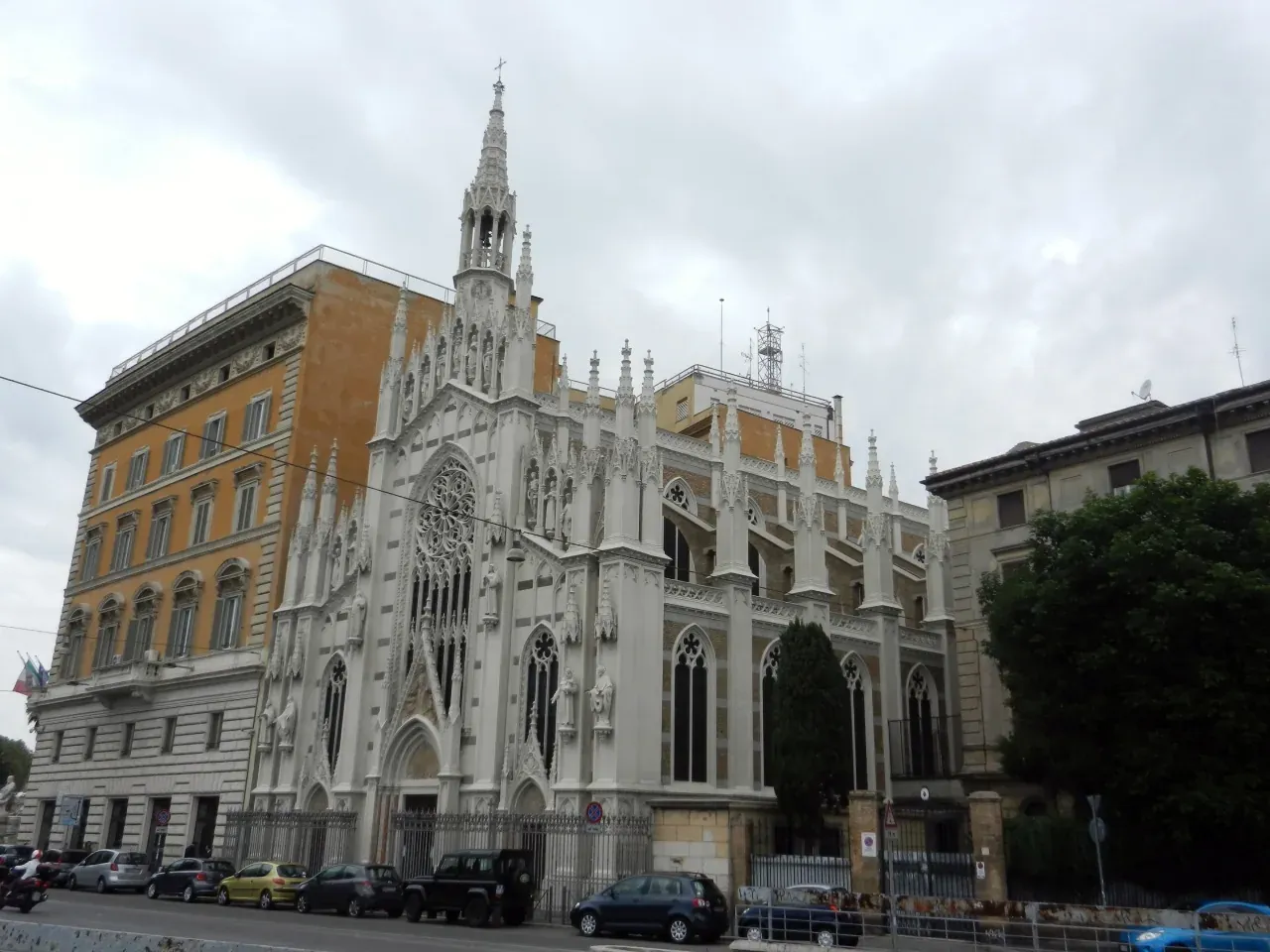
Museum of the Holy Souls in Purgatory
A single glass case in a riverside church holding scorched books and cloth said to bear the handprints of souls in purgatory.
Location: Lungotevere Prati, Rome
Photo: "5594RomaSCuoreSuffragio" by Geobia (CC BY-SA 4.0).
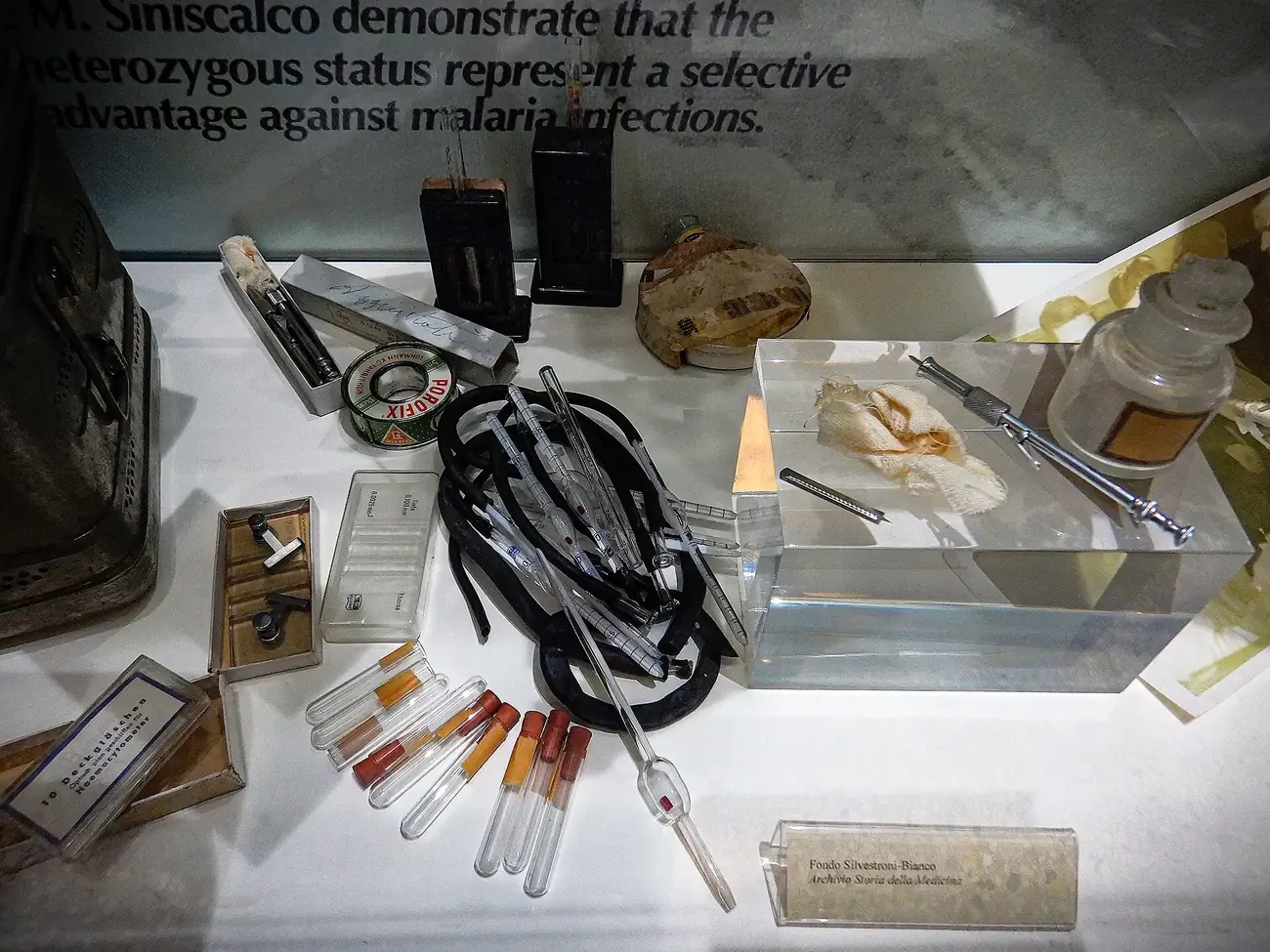
Museum of the History of Medicine
A former anatomical theatre near the Vatican crammed with antique surgical tools, wax models and specimens tracing centuries of medicine.
Location: Lungotevere in Sassia, Rome
Photo: "Roma - Museo di storia della medicina - 20 - 2024-09-25 18-42-30 001" by Albarubescens (CC BY-SA 4.0).
Why visit Rome
Rome layers three thousand years of history into a single walkable centre, where ancient temples share a street with Renaissance palaces and Baroque fountains. The city ruled an empire that spanned the Mediterranean, then became the seat of the Catholic Church, and both identities still shape its skyline side by side, from the Colosseum to the dome of St. Peter's. It is also where most longer routes through the country begin; see tourist attractions to visit in Italy for what lies beyond the capital.
Neighbourhoods to know
The centro storico around the Pantheon and Piazza Navona holds the densest concentration of sights and stays lively into the evening. Trastevere, across the Tiber, keeps a medieval street plan, ivy-covered facades and a strong restaurant scene. Monti, behind the Roman Forum, mixes vintage shops with quiet piazzas, while the Vatican side of the river forms its own self-contained district around St. Peter's Square.
When to go and for how long
April to June and September to October bring mild weather and shorter queues than the peak of summer, when temperatures regularly pass 35 degrees. Four to five full days allow time for the historic centre, ancient Rome and a half day at the Vatican Museums; three days cover only the essentials at a rushed pace.
Getting around
The historic centre rewards walking, with most major sights within a couple of kilometres of each other. Three metro lines, A, B and C, run out from the centre but cross it only at a few points, since further tunnelling regularly turns up archaeological finds. Buses and trams fill the gaps, and taxis or rideshares cover the distance to the Vatican or Trastevere quickly outside rush hour.