
Tourist attractions in Florence
Known for
Renaissance art, Michelangelo's David and the Medici family
Must-see landmarks
The Duomo, the Uffizi Gallery, the Accademia Gallery and Ponte Vecchio
Best time to visit
April to June and September to October
Days needed
Three full days for the main sights
The main tourist attractions in Florence, ranked
For a first visit, the tourist attractions in Florence come down to Florence Cathedral (Duomo), Uffizi Gallery, Accademia Gallery and 7 more sights ranked below, plus 35 hidden gems, free things to do, upcoming events, tickets and visitor FAQs. The 10 sights are numbered on the free Florence tourist map with a walking route, with the hidden gems.
1. Florence Cathedral (Duomo)
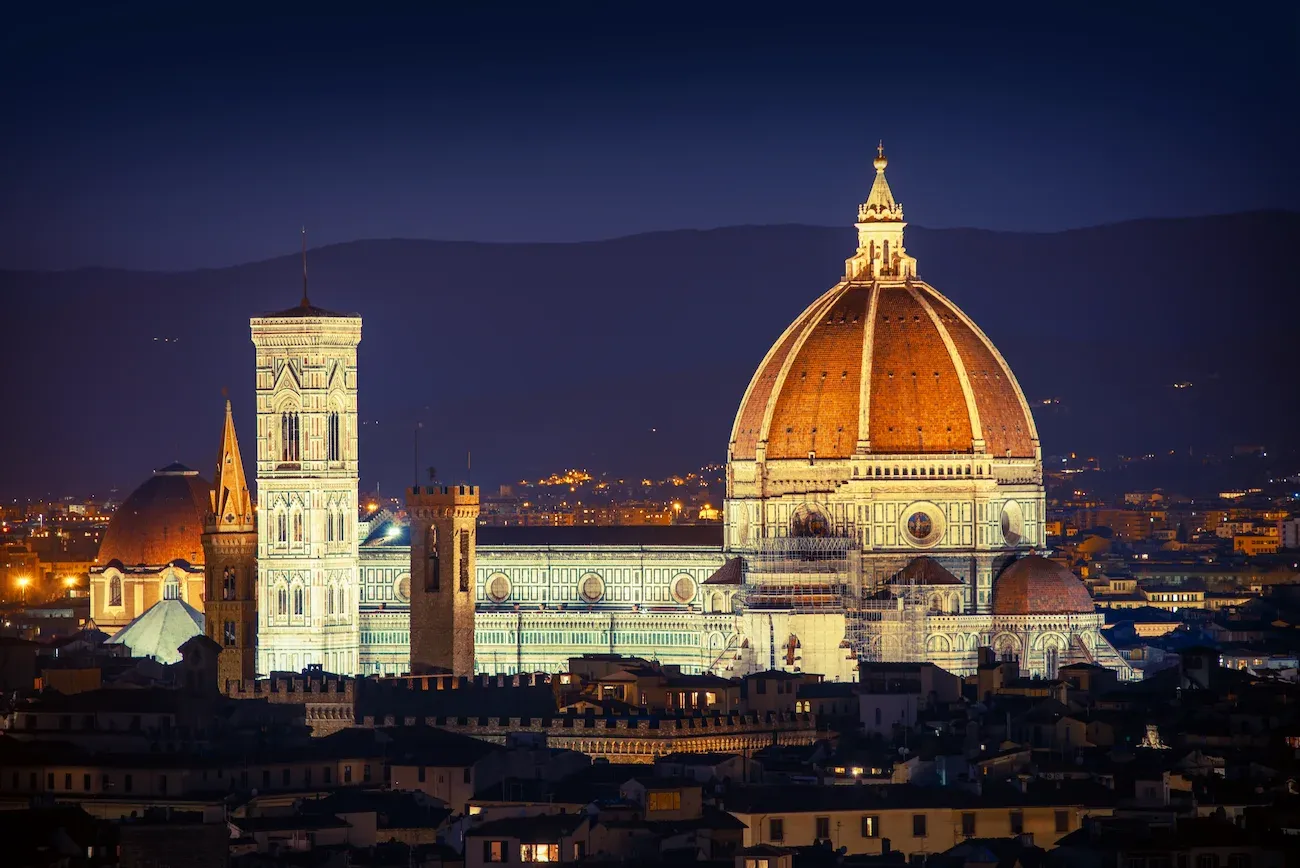
Santa Maria del Fiore was begun in 1296 to Arnolfo di Cambio's design and stood unfinished for over a century, until Filippo Brunelleschi closed it with his octagonal dome in 1436. The marble front came much later, a 19th century work by Emilio De Fabris. Inside, the nave is deliberately austere, which makes Vasari's Last Judgement under the dome all the more startling.
Architect: Arnolfo di Cambio, Filippo Brunelleschi · Style: Gothic and Renaissance
Location: Piazza del Duomo, Florence
Access: Free to enter the nave, Monday to Saturday; the dome, bell tower, baptistery, Santa Reparata and the Opera del Duomo Museum need one of the Opera's passes · Tickets and tours
2. Uffizi Gallery
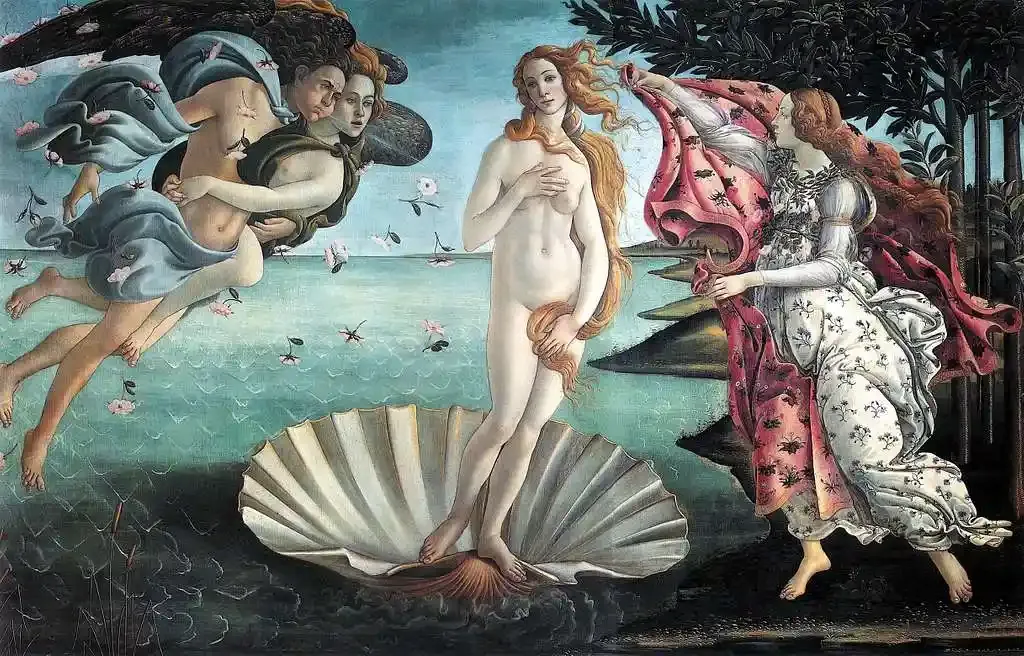
Giorgio Vasari raised this long U of offices for Cosimo I from 1560, and the Medici filled the upper floor with the family collection. The rooms run through Botticelli's Birth of Venus and Primavera, Leonardo's Annunciation, Titian and Caravaggio, while the corridor windows frame the Arno and Ponte Vecchio between one century and the next.
Architect: Giorgio Vasari · Style: Renaissance
Location: Piazzale degli Uffizi 6, Florence
Access: Timed entry, closed on Mondays; booking is strongly advised · Tickets and tours
3. Accademia Gallery
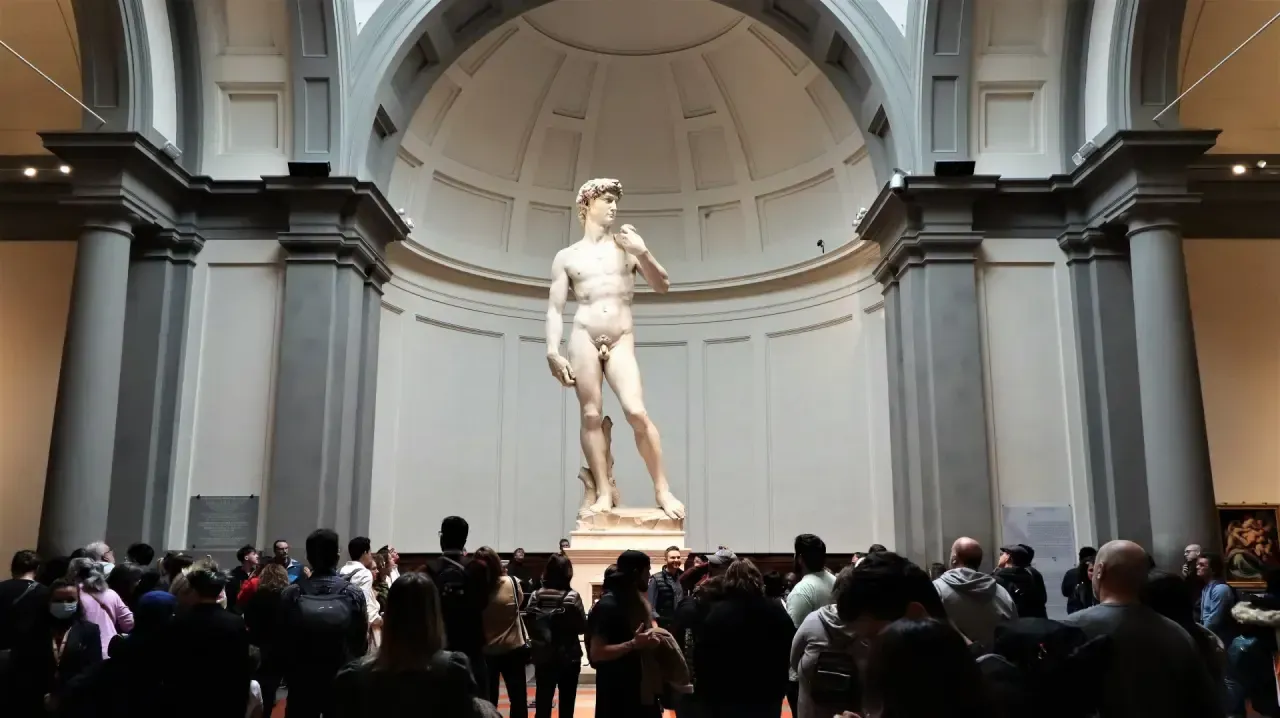
Michelangelo carved the David between 1501 and 1504 for the cathedral, and since 1873 it has stood here under a tribune built to shelter it. The corridor leading up to it is lined with his unfinished Prisoners, figures still half buried in their blocks. Beyond them the museum keeps Florentine gold ground painting, a hall of plaster models and a collection of Medici musical instruments.
Location: Via Ricasoli 58/60, Florence
Access: Timed entry, booking strongly advised; a combined ticket links it with the Bargello museums · Tickets and tours
4. Ponte Vecchio
The bridge was rebuilt in 1345 after a flood carried the previous crossing away, and its three low arches have held shops ever since. Butchers and tanners worked here until 1593, when Ferdinando I moved them out in favour of goldsmiths, whose successors still trade behind the wooden shutters. Above the row runs the Vasari Corridor, and the open midpoint gives the long view along the Arno.
Architect: Neri di Fioravante
Location: Ponte Vecchio, between Via Por Santa Maria and Via de' Guicciardini
Access: Free, open at all hours; the Vasari Corridor above is ticketed separately
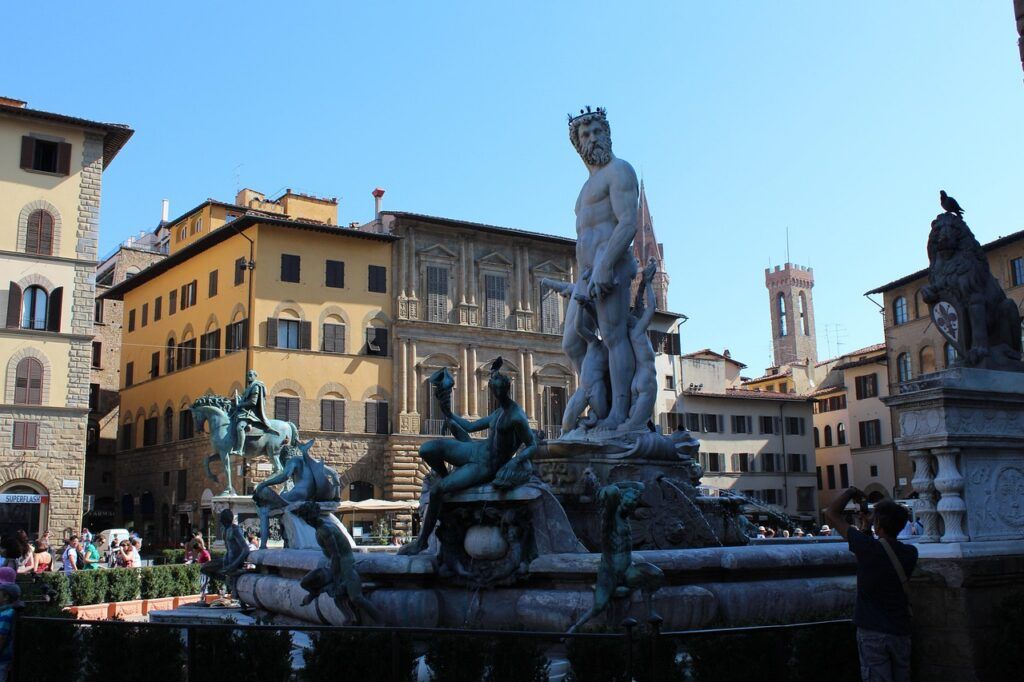
5. Piazza della Signoria
Florence has argued its politics in this square since the 13th century, and the sculpture standing in it reads as a record of those arguments: Ammannati's Neptune fountain, Giambologna's Cosimo I on horseback and a copy of the David on the spot the original held until 1873. The open arcade at the south corner keeps Renaissance bronzes and marbles out in the weather, free to anyone crossing the square.
Location: Piazza della Signoria, Florence
Access: Free, open at all hours
6. Palazzo Vecchio
Arnolfo di Cambio began the town hall in 1299 and the city council still meets in part of it. Visitors cross the Salone dei Cinquecento, a hall the width of the building that Vasari painted with Medici battles, and pass Michelangelo's Genius of Victory and Donatello's Judith and Holofernes. The Arnolfo tower ladders up to a walkway over the rooftops.
Architect: Arnolfo di Cambio · Style: Gothic
Location: Piazza della Signoria, Florence
Access: Ticketed, with the tower climb sold separately · Tickets and tours
7. Pitti Palace and Boboli Gardens
Luca Pitti built the palace across the Arno in the 15th century; Eleonora di Toledo bought it in 1550 and the Medici made it their residence, stretching the front until it ran the length of the square. The Palatine Gallery hangs Raphael and Titian in dense rows above apartments kept as the grand dukes left them, and behind the building the Boboli hillside climbs through avenues, fountains and grottoes.
Location: Piazza de' Pitti 1, Florence
Access: Ticketed, closed on Mondays; palace and garden are sold separately or together · Tickets and tours
8. Piazzale Michelangelo
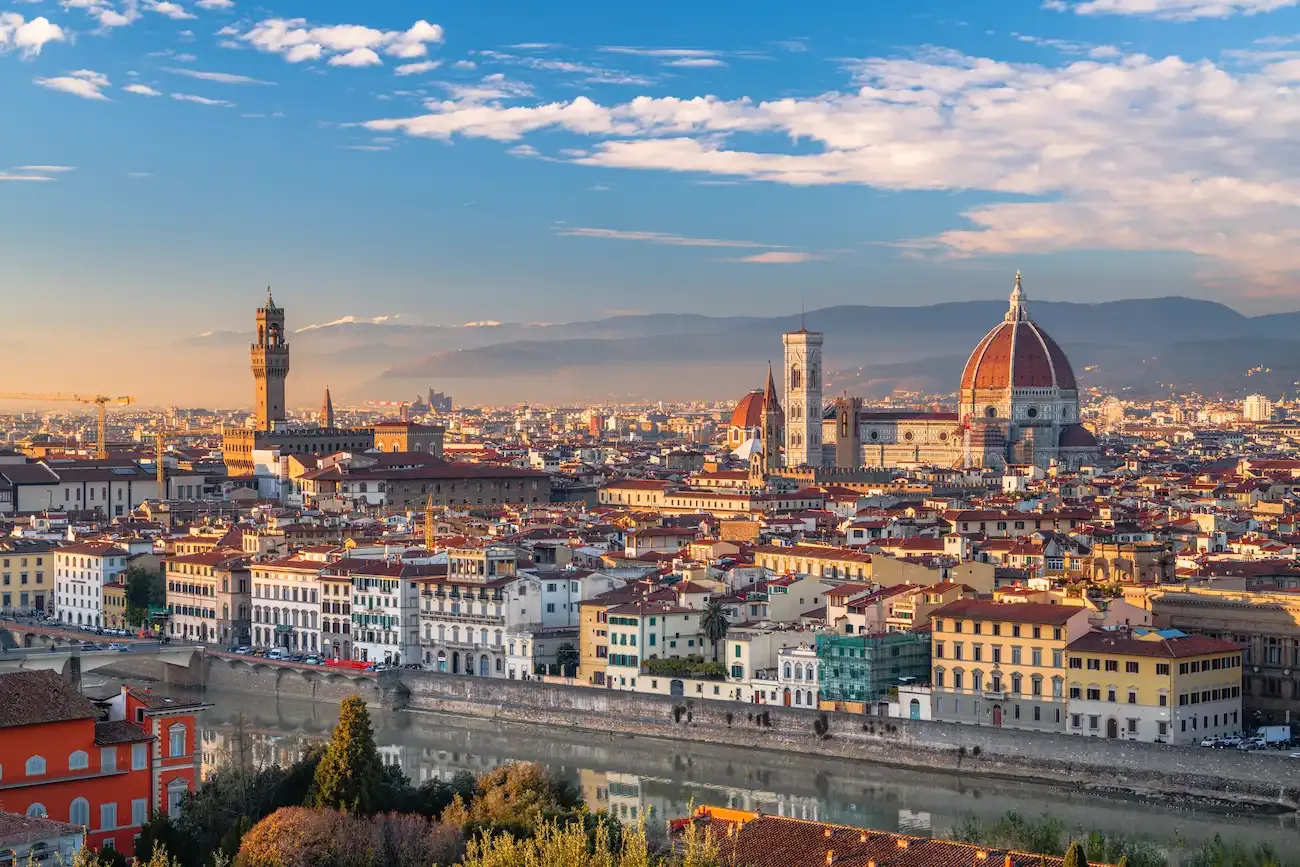
Giuseppe Poggi laid out this terrace in 1869, when Florence was briefly the capital of Italy and its walls were coming down for ring roads. The result is one long balcony: the Arno and its bridges below, the dome and the tower of Palazzo Vecchio ahead, the hills behind. A bronze copy of the David stands at the centre. Sunset draws the crowds, so early morning is the quiet hour, walked up by the ramps from Porta San Niccolò.
Location: Piazzale Michelangelo, Florence
Access: Free, open at all hours
9. Medici Chapel
The mausoleum of the Medici sits behind San Lorenzo and is entered from its own door at the back. Michelangelo designed the New Sacristy and carved the allegories of Dawn, Dusk, Night and Day reclining on the tombs. Next to it the Chapel of the Princes does the opposite: an octagon lined from floor to dome in porphyry, granite and inlaid stone, worked on by the grand ducal stone workshop for generations.
Architect: Michelangelo
Location: Piazza di Madonna degli Aldobrandini 6, Florence
Access: Ticketed, part of the Bargello museum group · Tickets and tours
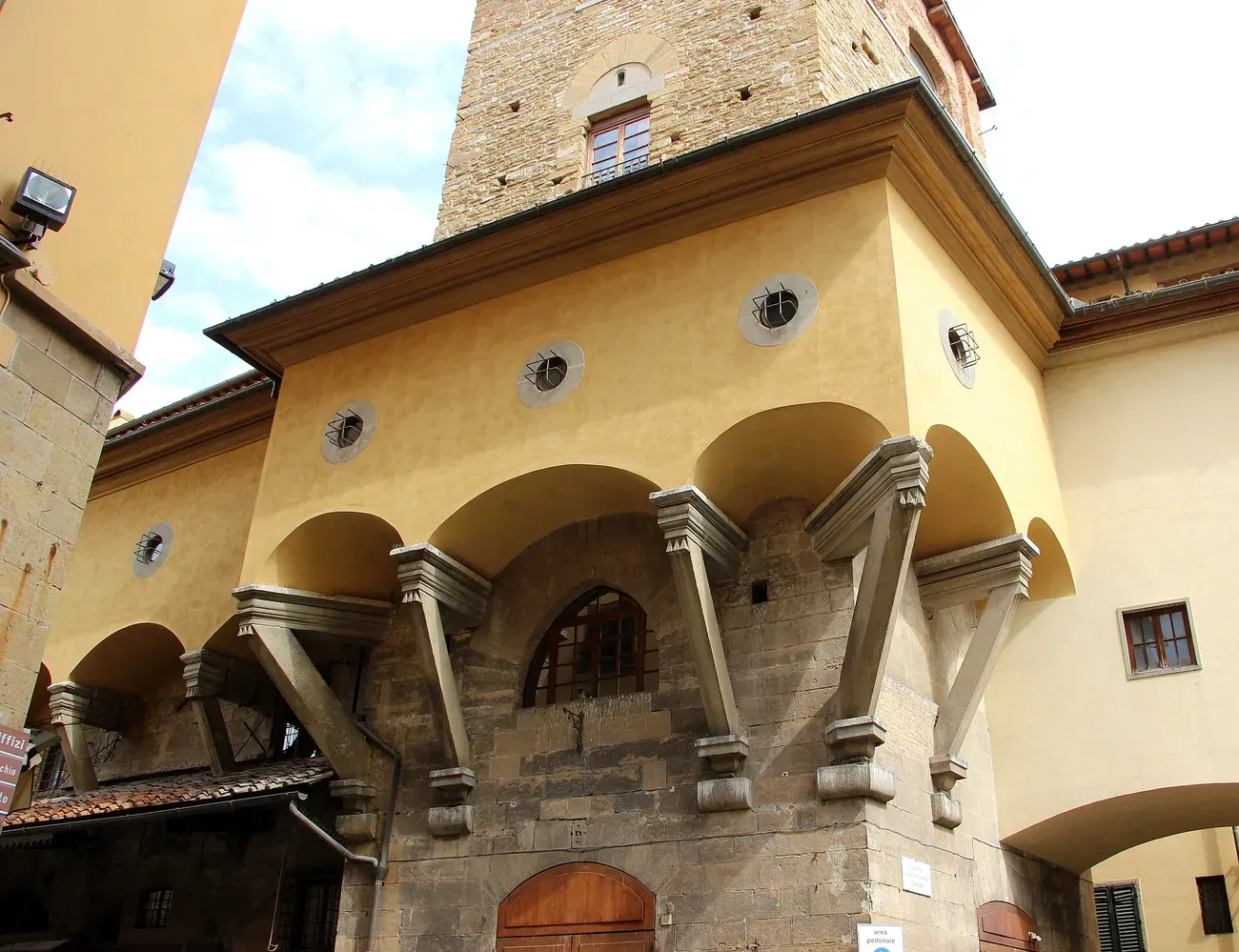
10. Vasari Corridor
Cosimo I had Giorgio Vasari build this covered passage in 1565 so the family could cross the city without meeting it, running from Palazzo Vecchio through the Uffizi, over Ponte Vecchio and on to Pitti. It closed in 2016 and reopened after a long restoration, walked now as a bare gallery of white walls and river windows rather than the old hanging of portraits.
Architect: Giorgio Vasari · Style: Renaissance
Location: Entered inside the Uffizi Gallery, Piazzale degli Uffizi
Access: Timed entry, Tuesday to Sunday, on a booked slot with a combined Uffizi ticket
Photo: "The Vasari Corridor passage beside the Ponte Vecchio, Florence" by Sailko (CC BY 3.0).
Book Florence attractions and tours
Upcoming events in Florence
Aiello
Aiello plays Teatro Cartiere Carrara (ex Tuscany Hall) on 11 November at 21:00.

Anna
Anna headlines Mandela Forum on 02 December at 21:00, bringing the Million Dollar Babe tour to Florence.

Giuse The Lizia
Giuse The Lizia plays the smaller stage of Otel Firenze on 05 December at 21:00, a club night in the city's live music circuit. · Sold out

Luca Ravenna, Flamingo
Comedian Luca Ravenna brings his Flamingo show to Teatro Cartiere Carrara on 23 February at 21:00, a stand up night in the same theatre district as the city's touring concerts.
What to do in Florence for free
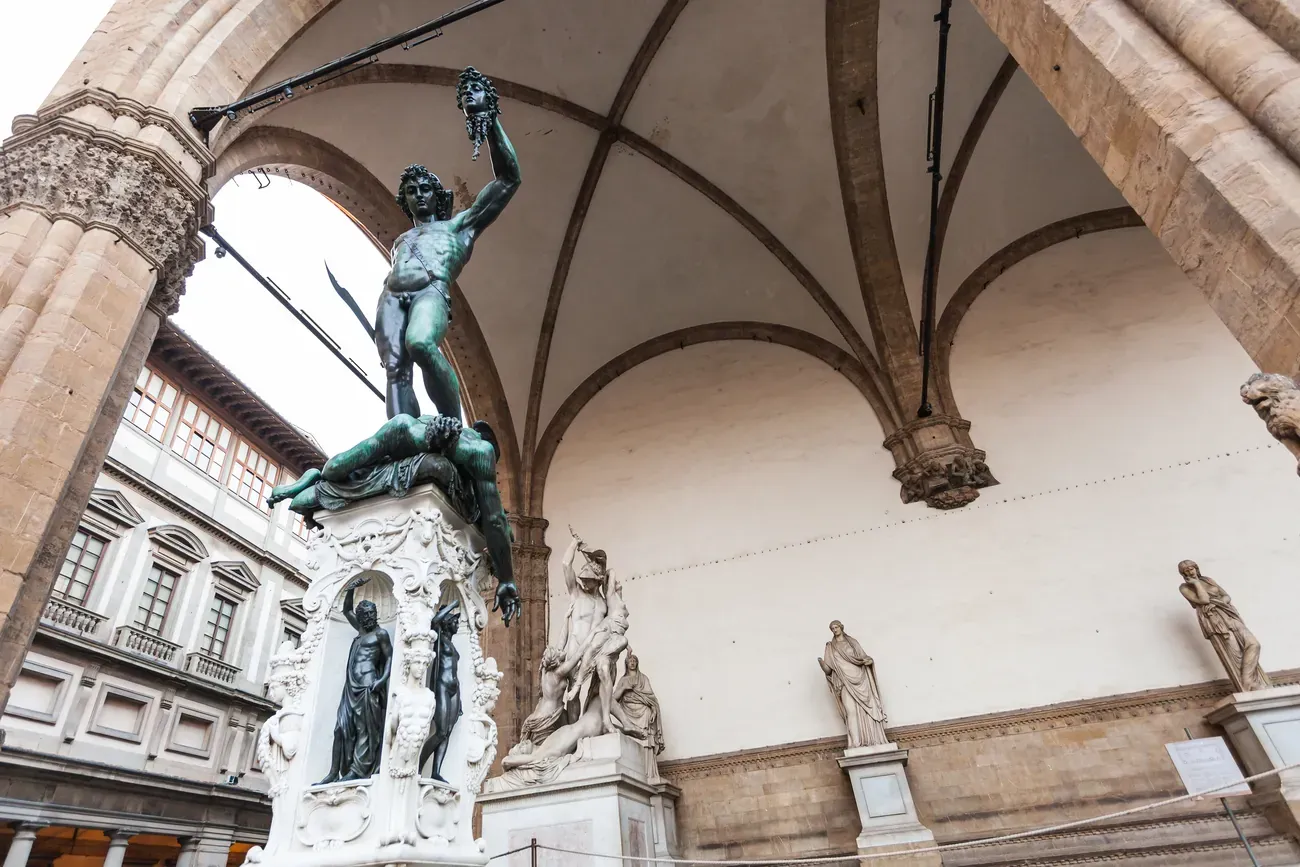
Loggia dei Lanzi
The open air gallery beside Palazzo Vecchio has stood unticketed on Piazza della Signoria since the 14th century, its arches sheltering Renaissance and Roman statues including Cellini's Perseus and Giambologna's Rape of the Sabine Women.
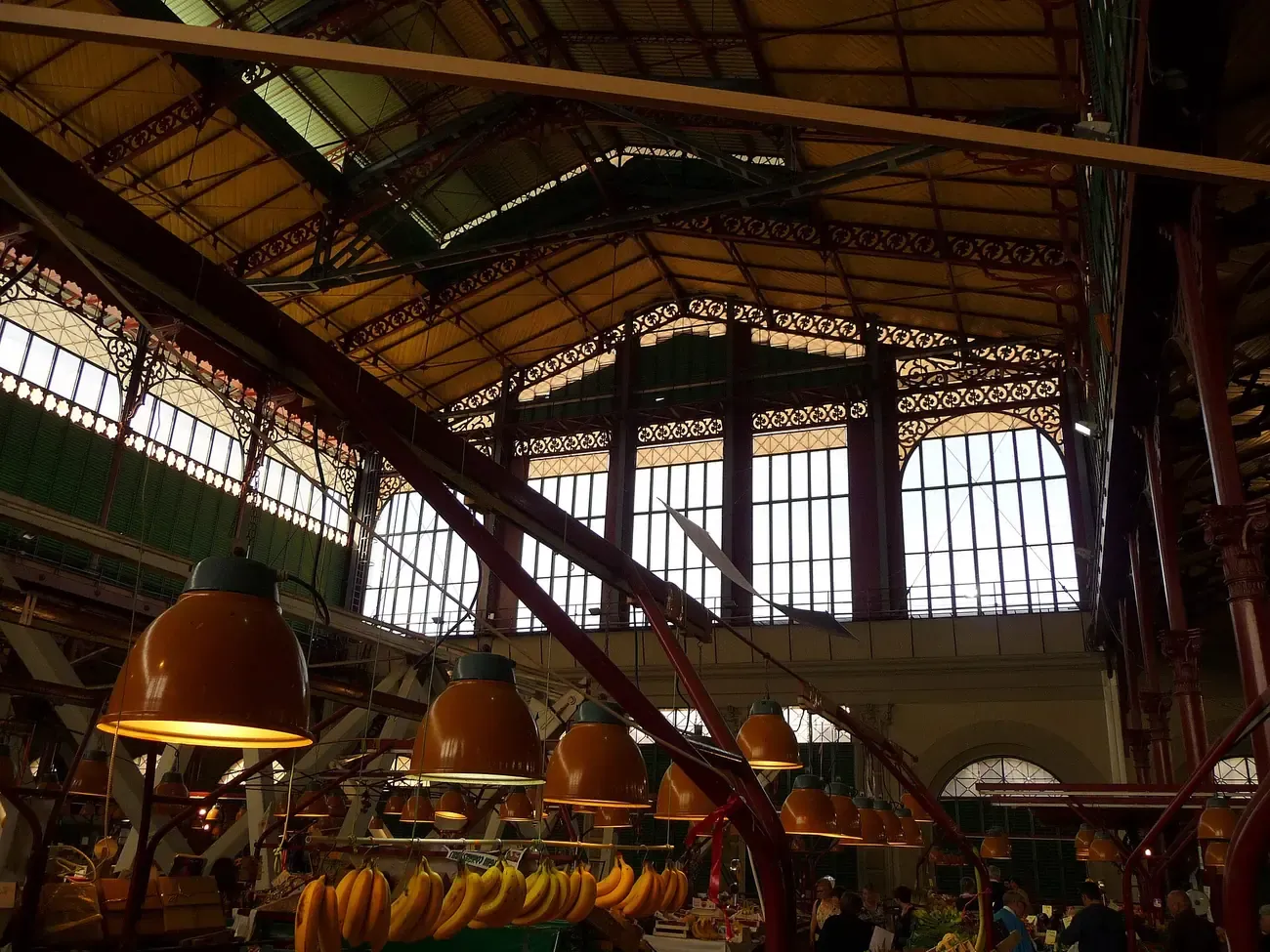
Mercato Centrale
Walking through the market and browsing the stalls costs nothing at any hour it stays open, with no ticket needed at the ground floor produce hall or the food counters upstairs. Payment is only for what a visitor chooses to eat or buy.
Photo: "Mercato Centrale, Florence, interior" by Warburg (CC BY-SA 3.0).
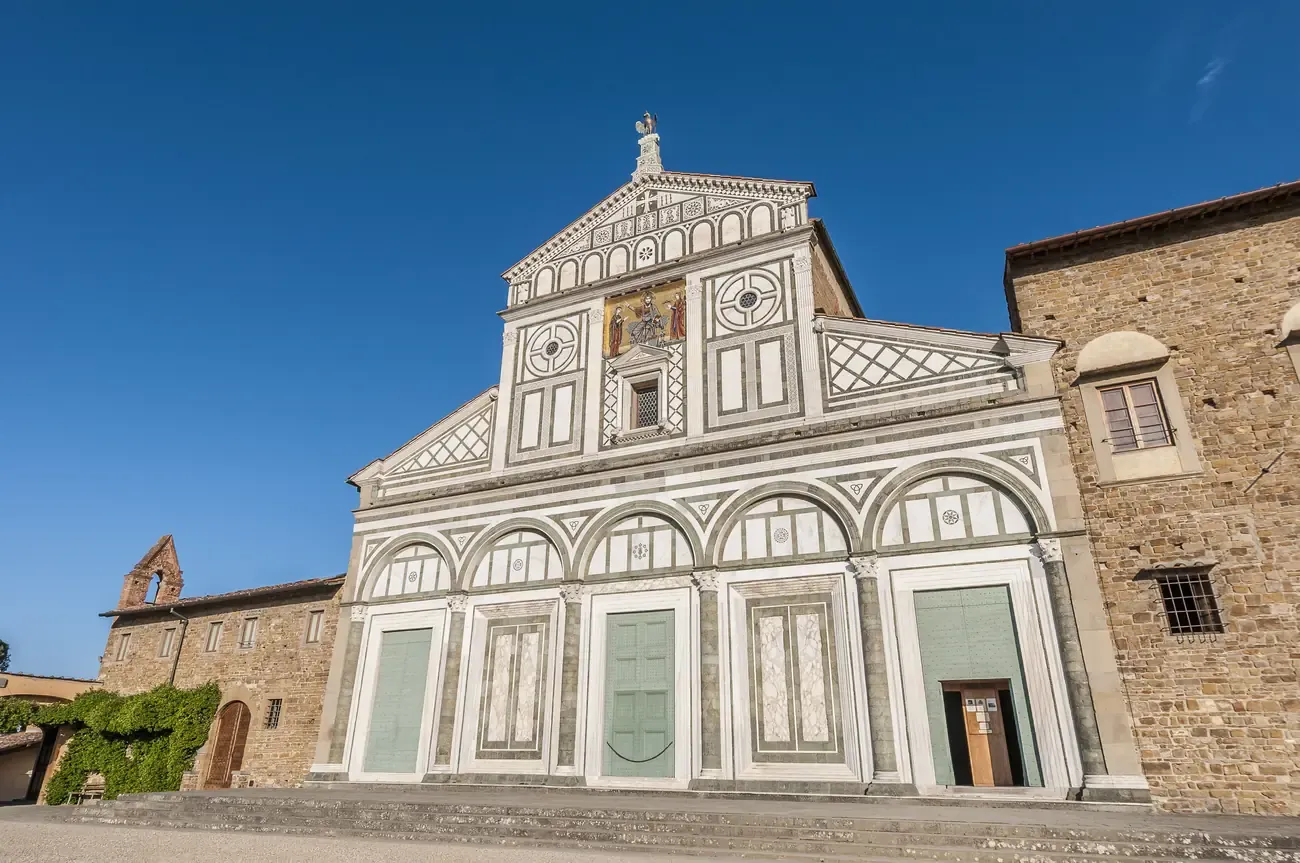
San Miniato al Monte
The Romanesque basilica on the hill above Piazzale Michelangelo has free admission and no booking needed, its 12th century mosaic facade and marble floor set above a quiet cemetery with sweeping views over the city.
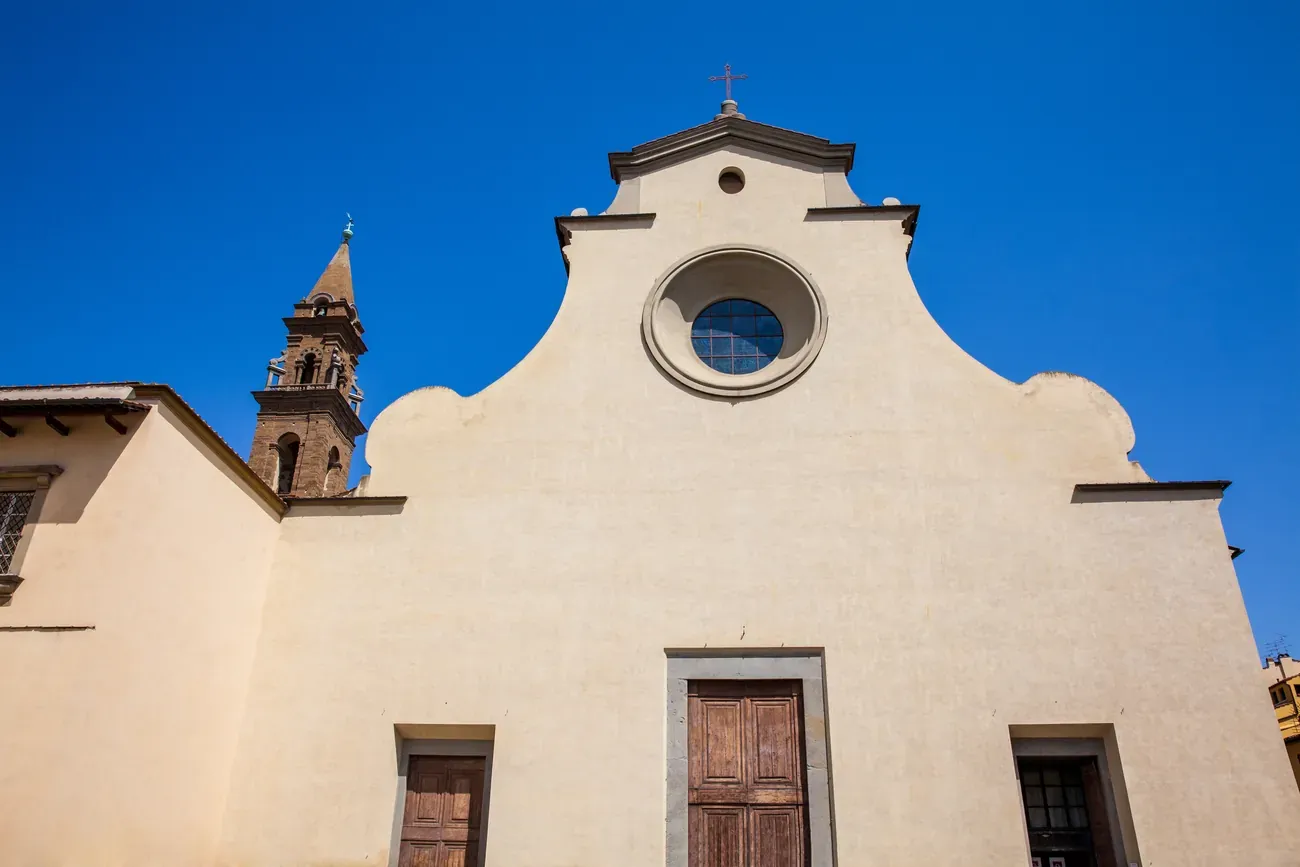
Basilica of Santo Spirito
Brunelleschi's plain facade in the Oltrarno hides a serene Renaissance interior, and admission to both the basilica and its sacristy, home to a small wooden crucifix by Michelangelo, costs nothing. It closes on Wednesdays and during services.
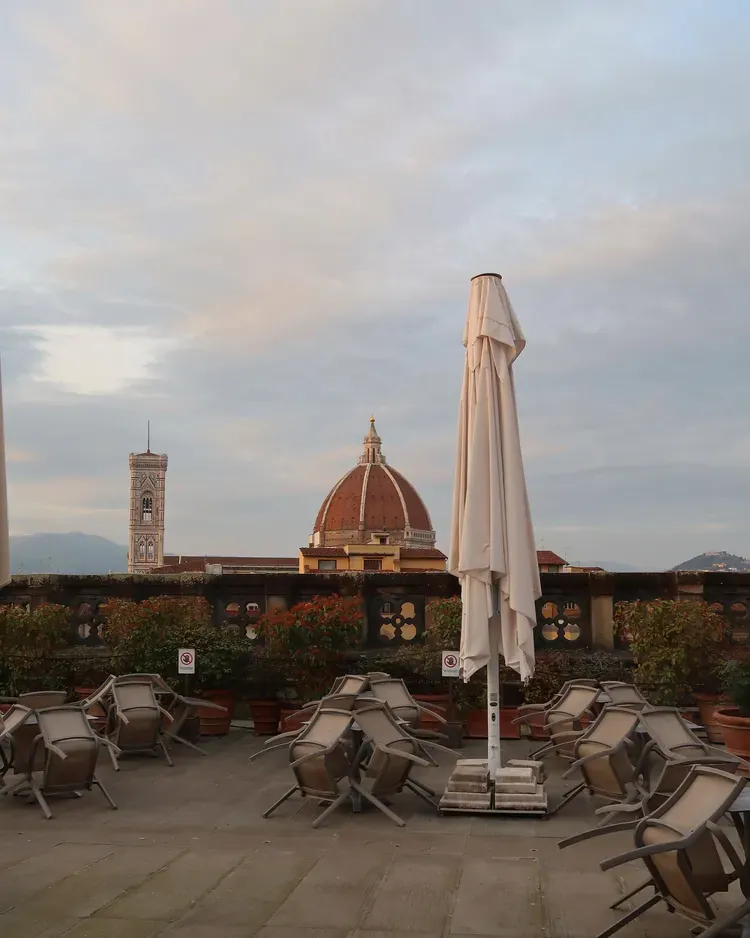
Oblate Library Terrace
The public library behind the Duomo has a panoramic terrace open to anyone at no charge, looking straight across the rooftops to Brunelleschi's dome, with a cafe for those who want to linger over the view.
Museums and collections worth the detour in Florence
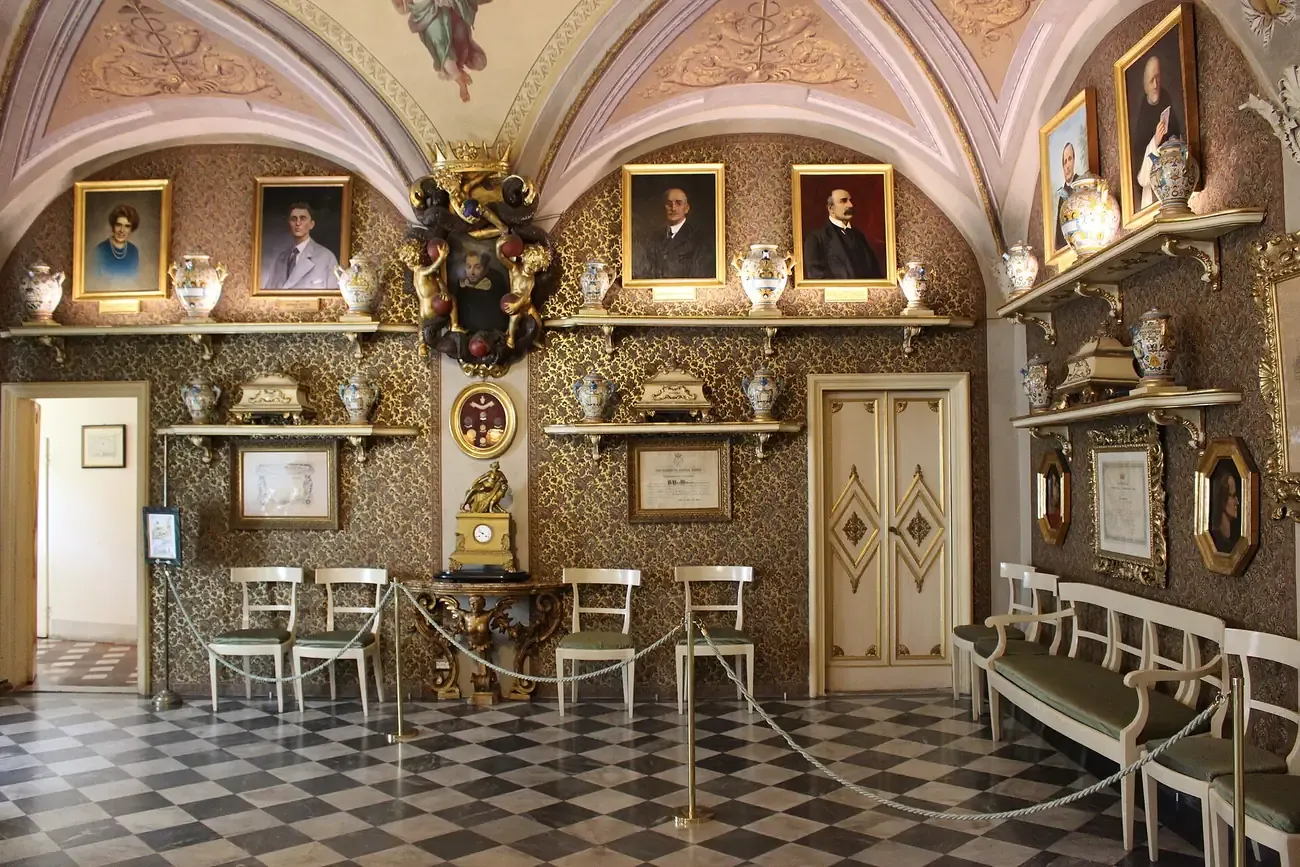
Santa Maria Novella Pharmacy
Dominican friars distilled remedies here from the 13th century; the frescoed rooms still sell soaps, waters and elixirs over the counter.
Location: Via della Scala 16, Florence
Photo: "Green Room of the Officina di Santa Maria Novella" by Moon rabbit 365 (CC BY-SA 4.0).
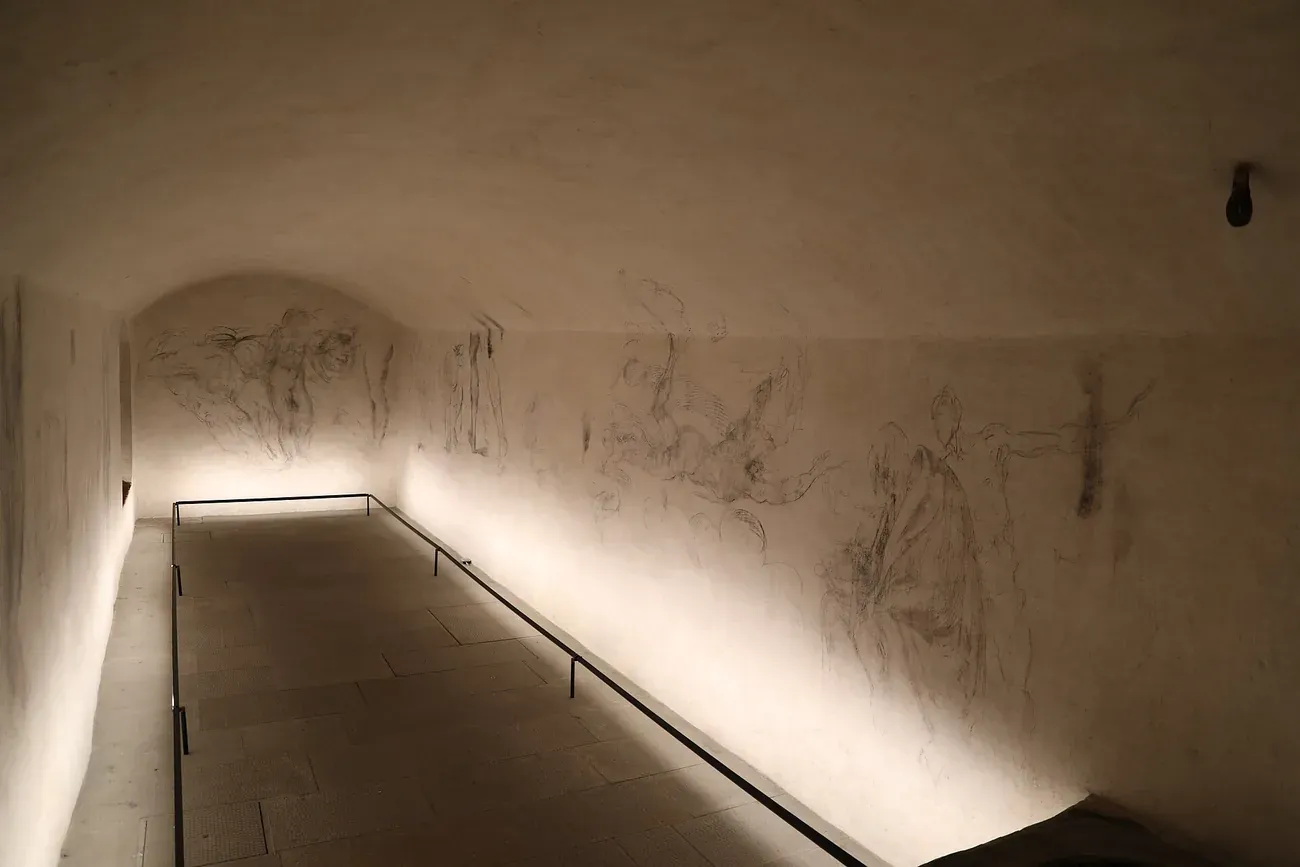
Michelangelo's Hidden Drawings
Charcoal figures cover a small room under the New Sacristy, found in 1975 and attributed to Michelangelo, shown on limited guided visits.
Location: Piazza di Madonna degli Aldobrandini, Florence
Photo: "Michelangelo's secret room under the New Sacristy, San Lorenzo" by Francesco Bini (CC BY-SA 4.0).
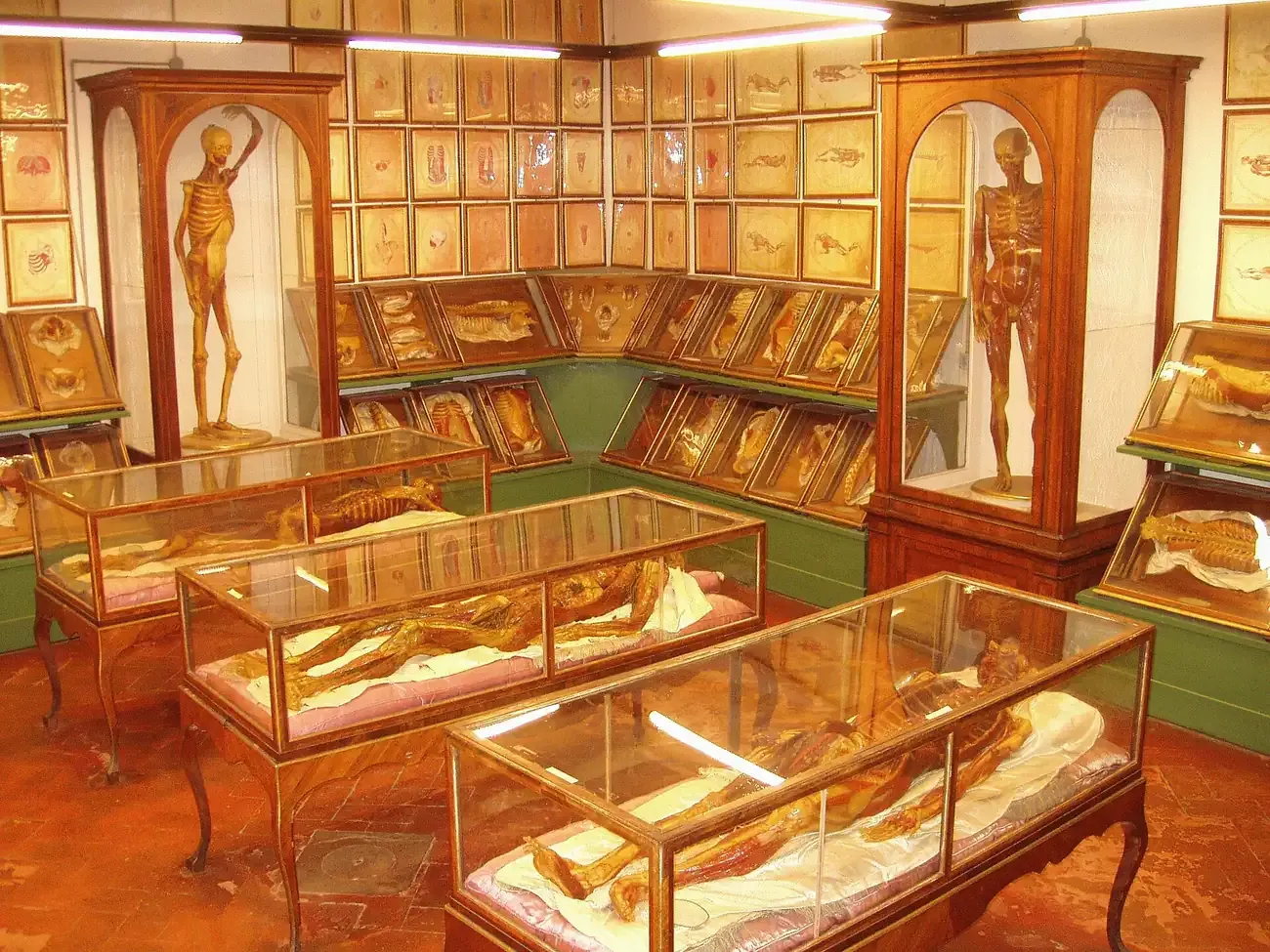
La Specola Anatomical Waxes
Eighteenth century wax bodies, modelled so anatomy could be taught without dissection, fill the older halls of the university science museum.
Location: Via Romana 17, Florence
Photo: "Anatomical wax models at La Specola, Florence" by Daderot (CC BY-SA 3.0).
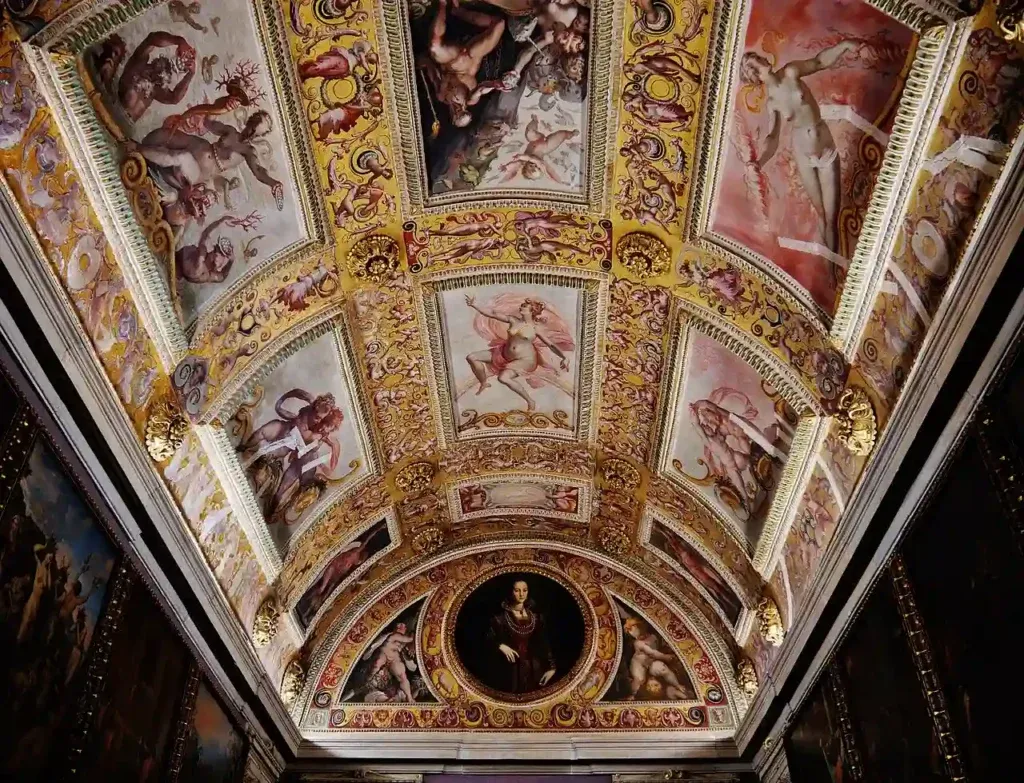
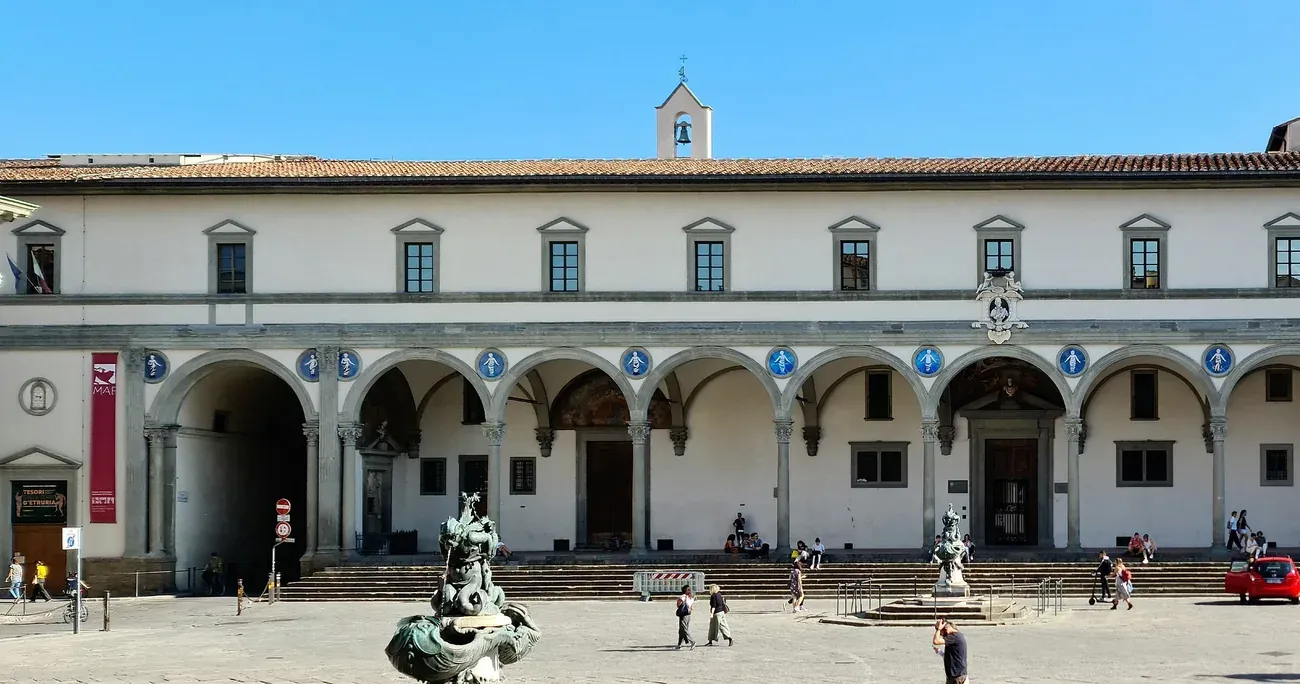
Ospedale degli Innocenti
Brunelleschi's arcaded foundling hospital of 1419, its della Robbia roundels above the loggia and a museum below on the children left here.
Location: Piazza della Santissima Annunziata, Florence
Photo: "Ospedale degli Innocenti, Florence" by Ricardalovesmonuments (CC BY-SA 4.0).
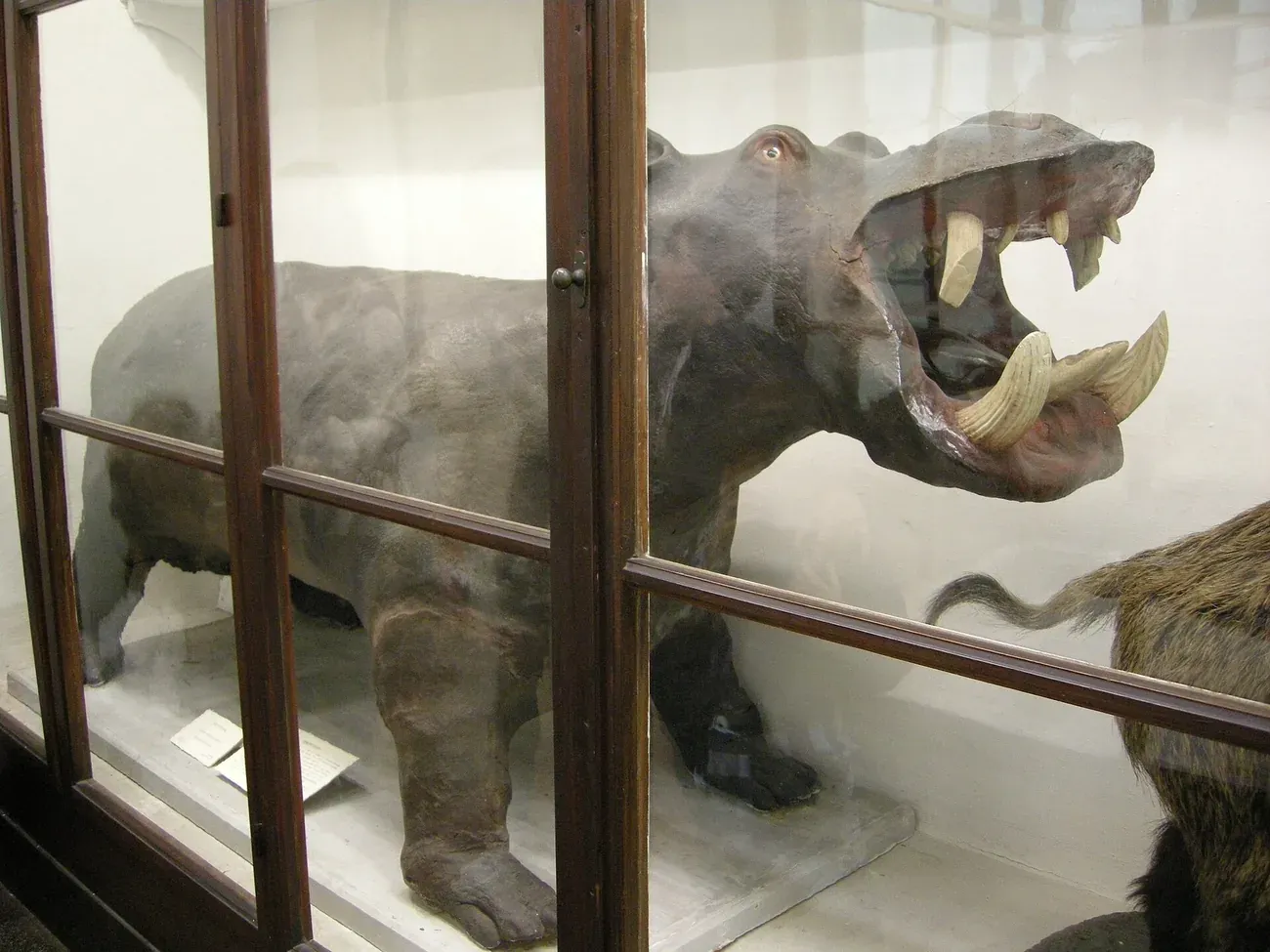
La Specola Zoological Museum
The zoological halls keep grand ducal taxidermy, including a hippopotamus that once lived in the menagerie of the Boboli Gardens.
Location: Via Romana 17, Florence
Photo: "The Boboli hippopotamus at La Specola" by sailko (CC BY-SA 3.0).
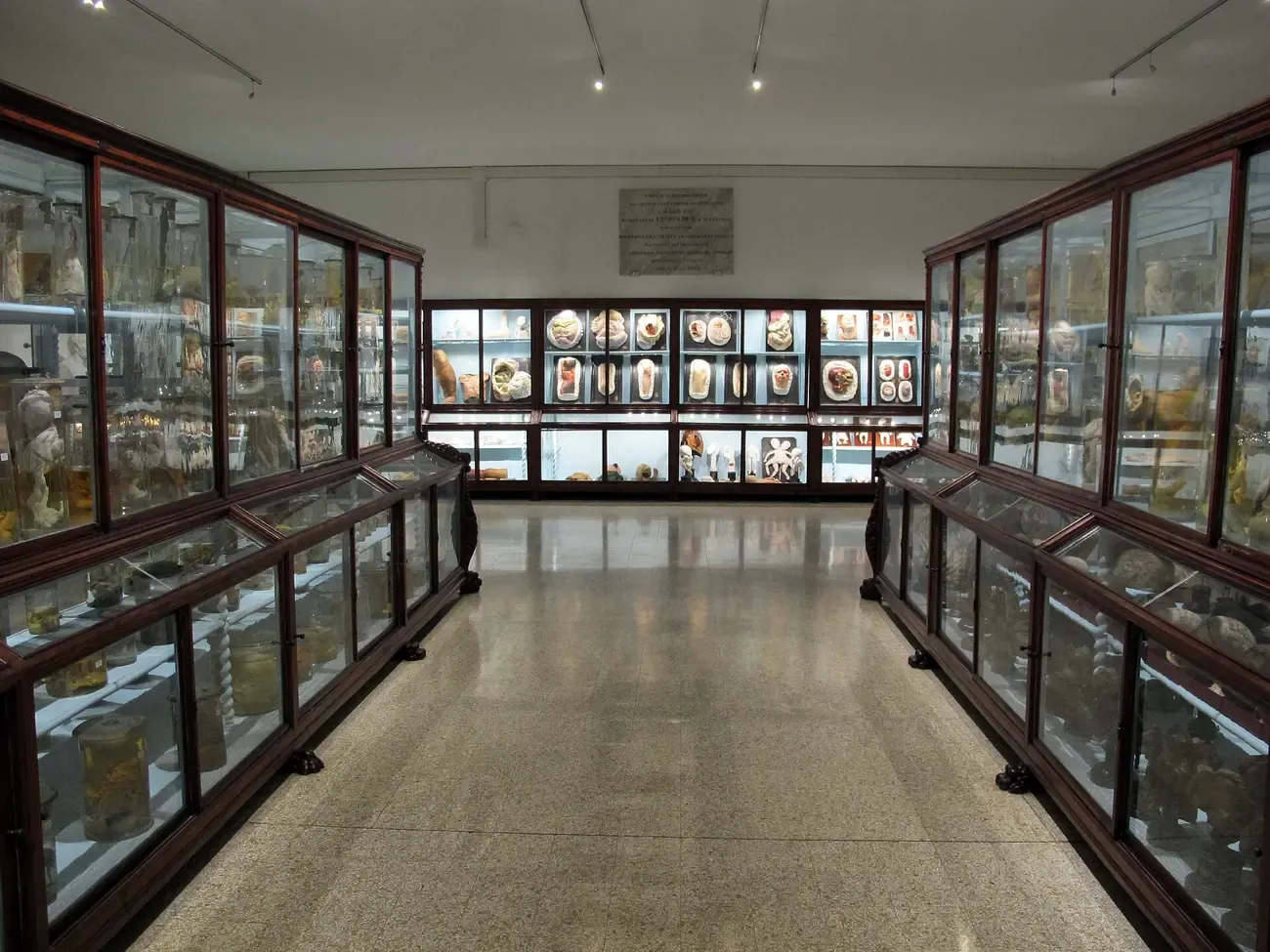
Museum of Pathological Anatomy
The university keeps 19th century teaching specimens and wax models of disease here, opened to visitors by appointment rather than daily.
Location: Via Giovanni Battista Morgagni 85, Florence
Photo: "Display cases in the Museum of Pathological Anatomy" by sailko (CC BY-SA 3.0).
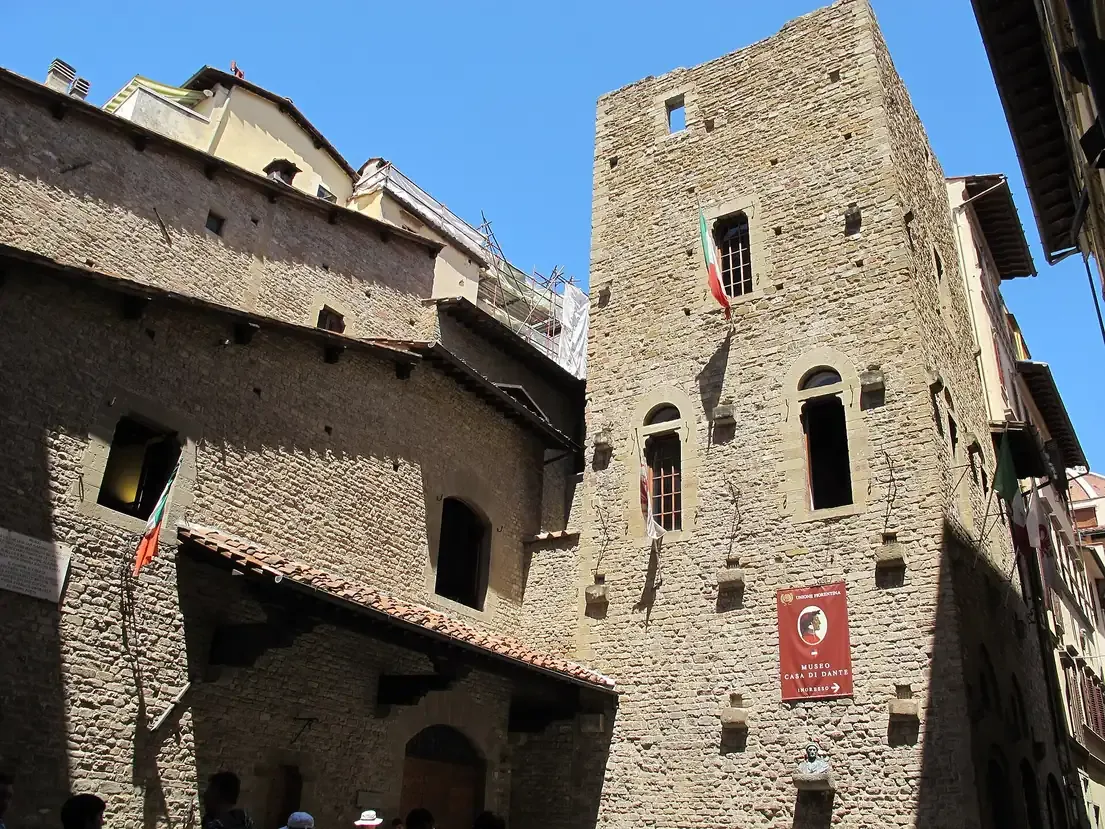
Dante's Dagger
The house museum on the site of the poet's family home shows arms of his era, among them a dagger long tied to Dante himself.
Location: Via Santa Margherita 1, Florence
Photo: "Museo Casa di Dante, Florence" by sailko (CC BY-SA 3.0).
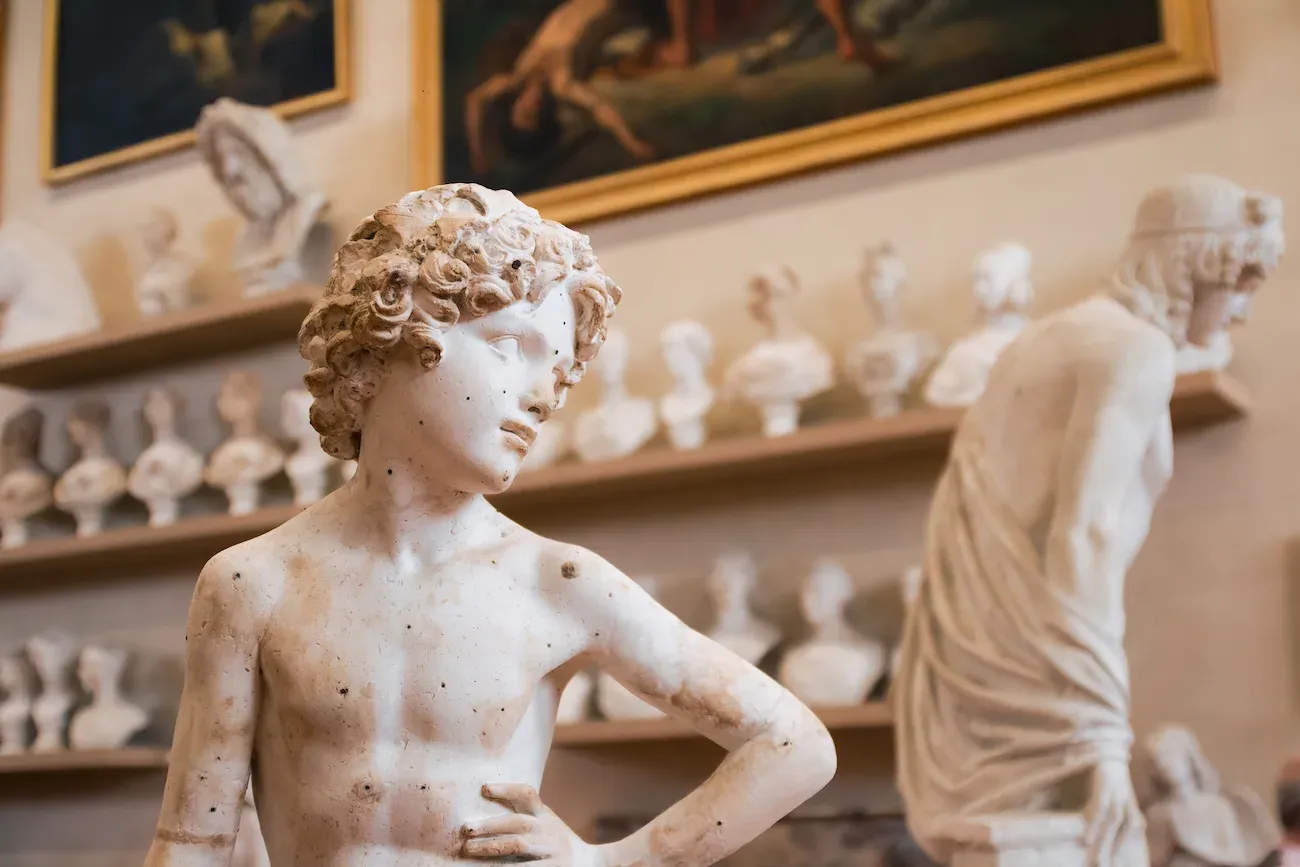
Gipsoteca Bartolini
Hundreds of plaster models by Lorenzo Bartolini and Luigi Pampaloni crowd a long hall of the Accademia, the working stage before the marble.
Location: Via Ricasoli 58/60, Florence
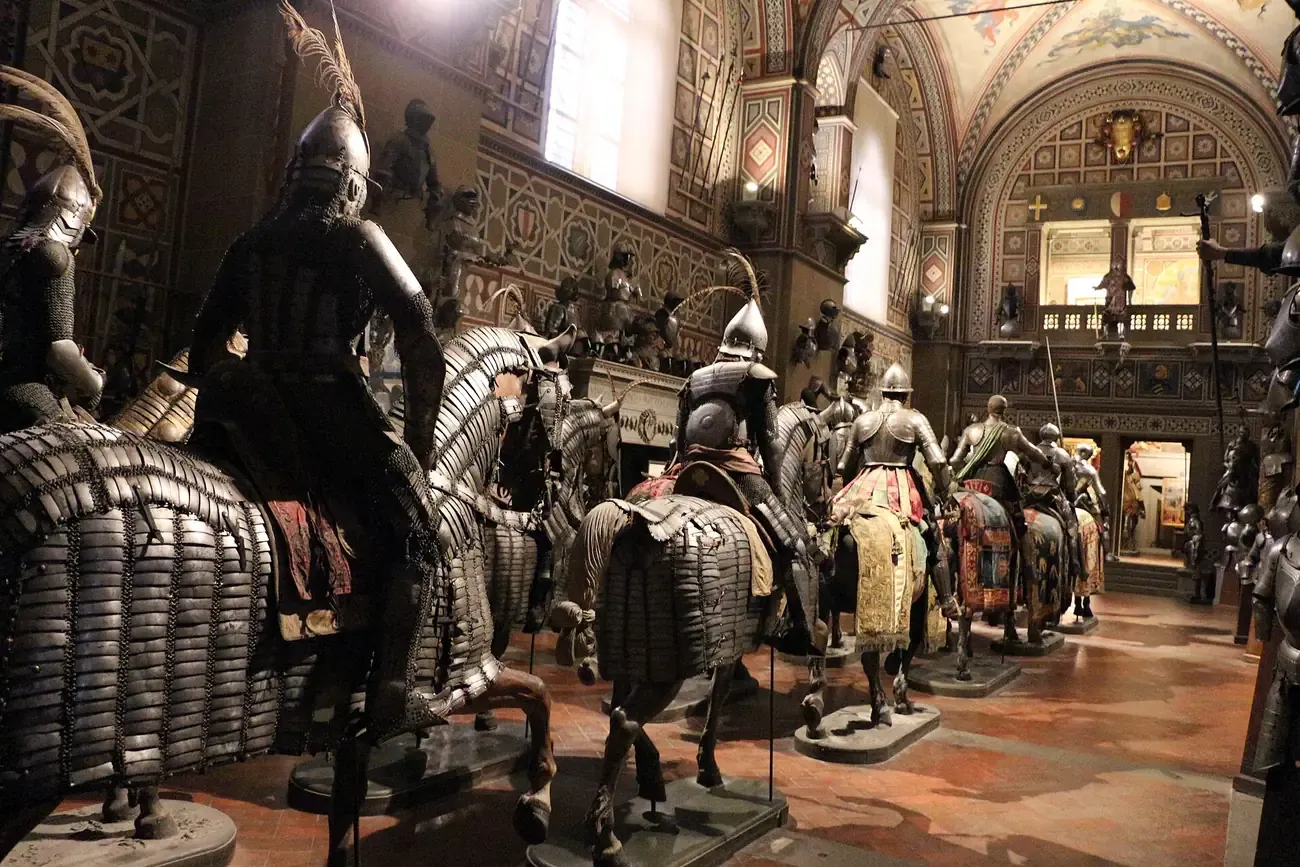
Stibbert Museum
Frederick Stibbert arranged his armour as a cavalcade of mounted knights, European and Japanese, inside a villa in a park north of the centre.
Location: Via Federigo Stibbert 26, Florence
Photo: "Sala della Cavalcata, Stibbert Museum" by Francesco Bini (CC BY-SA 4.0).
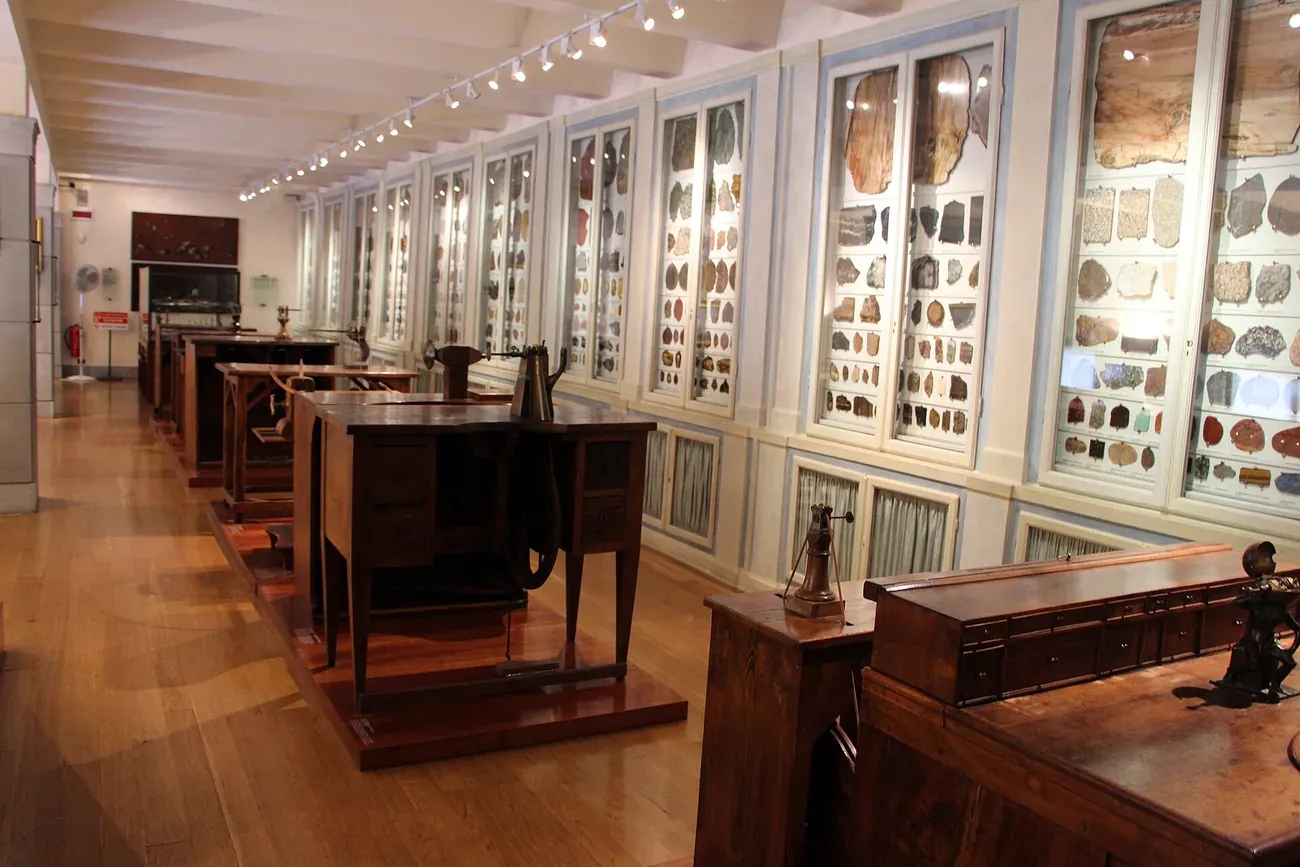
Opificio delle Pietre Dure
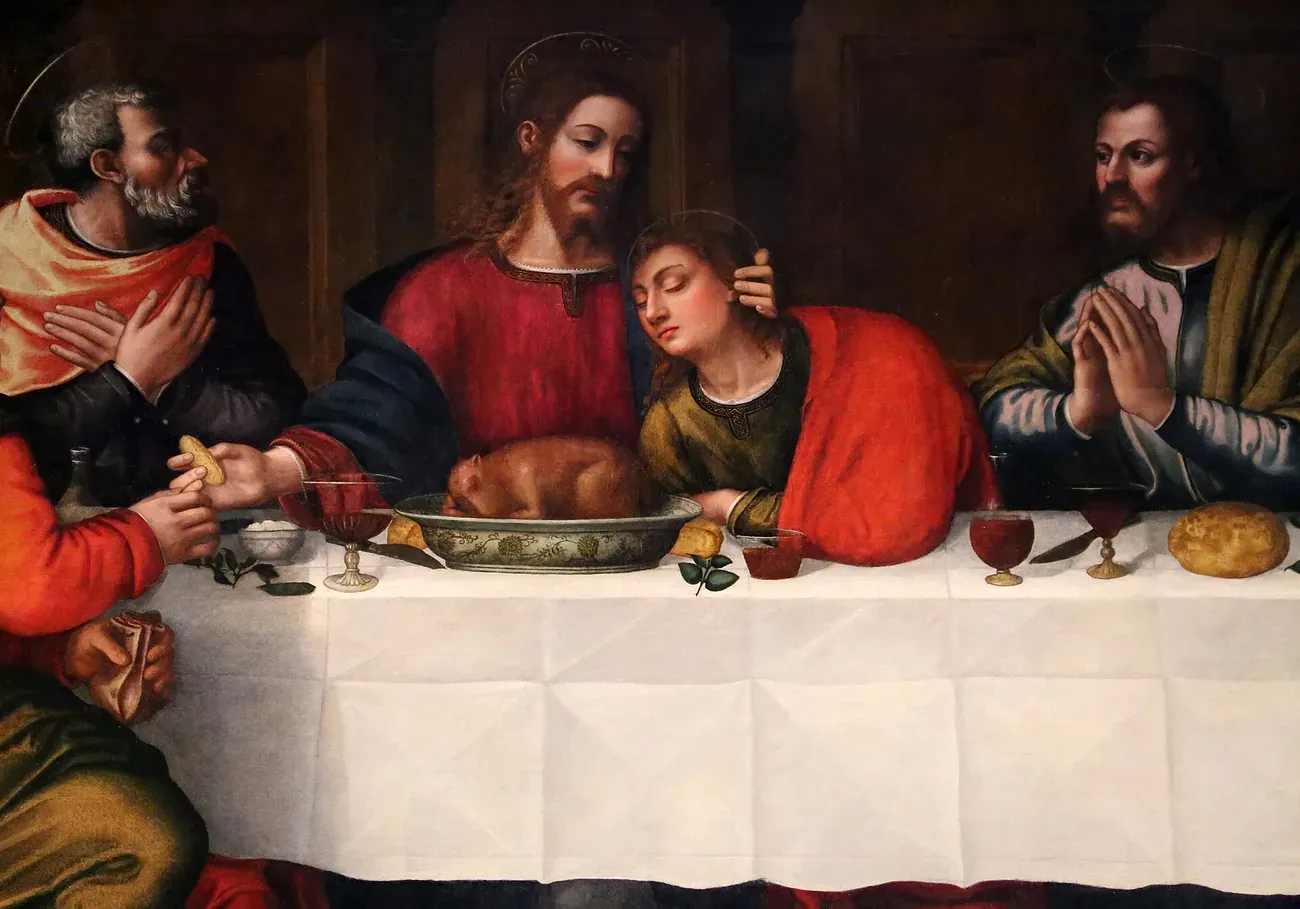
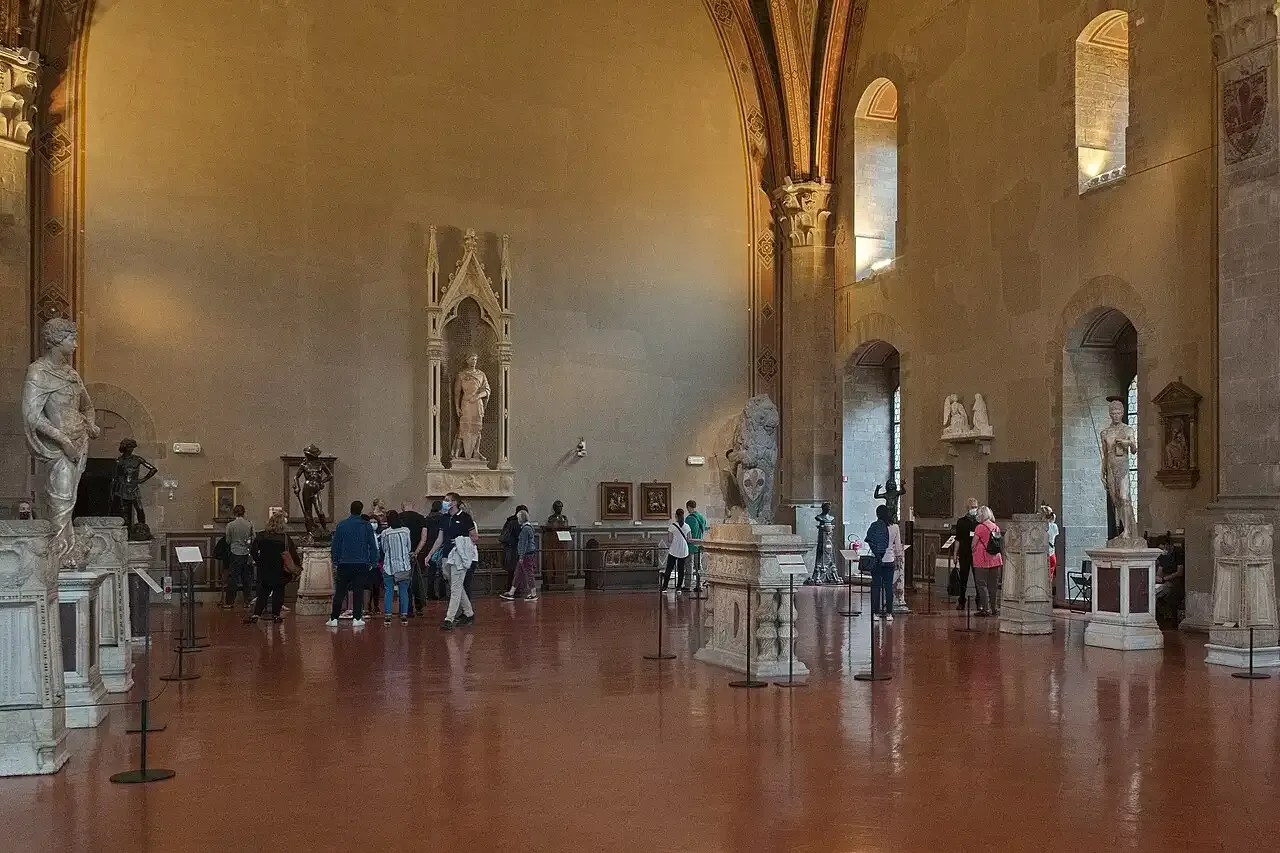
Bargello Museum
The city's oldest public building, once barracks and prison, now holds Donatello's bronze David and Michelangelo's early marbles under vaults.
Location: Via del Proconsolo 4, Florence · Website
Photo: "Sala di Donatello, Bargello (detail)" by Armin Kleiner (MenkinAlRire) (CC BY-SA 4.0).
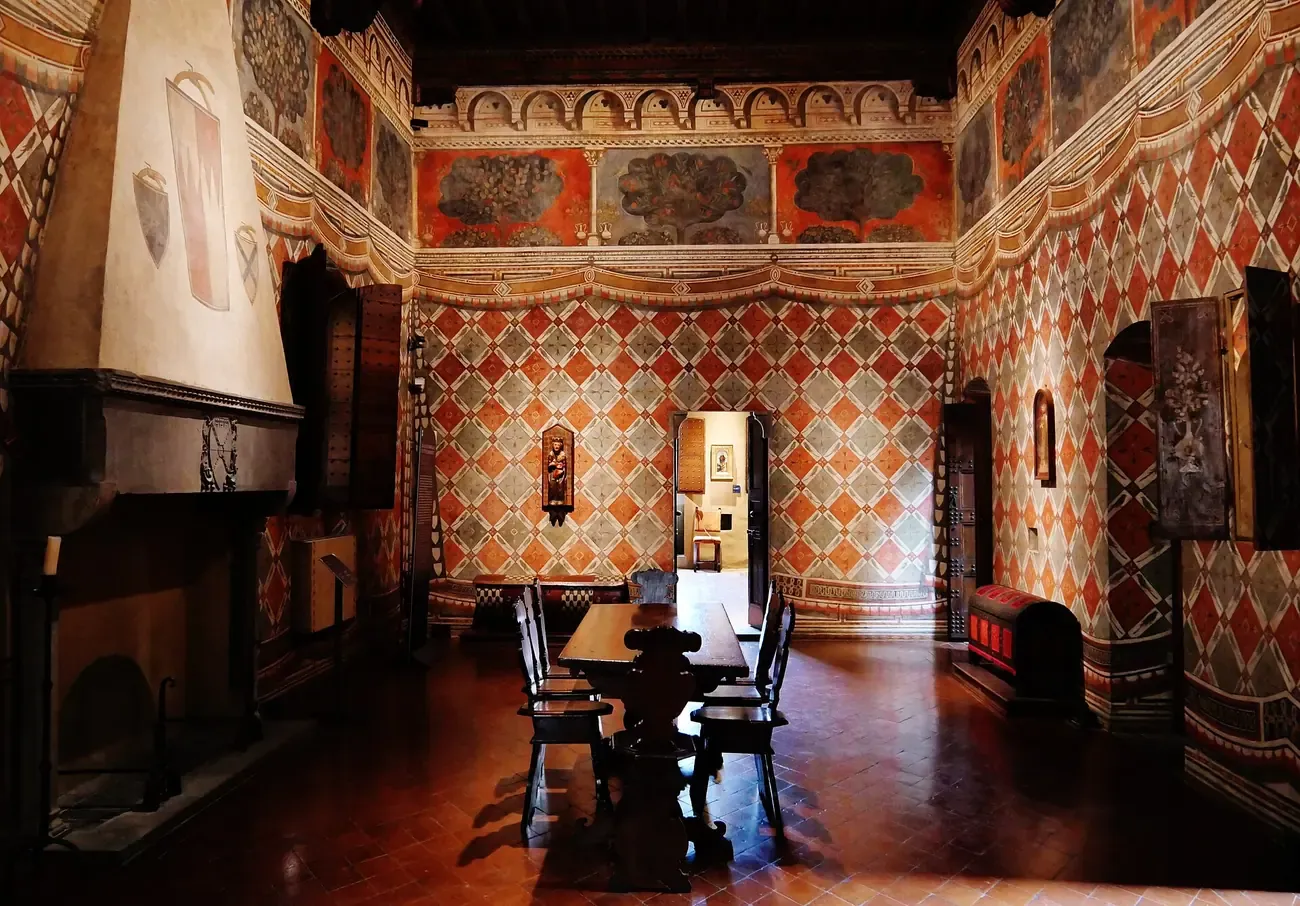
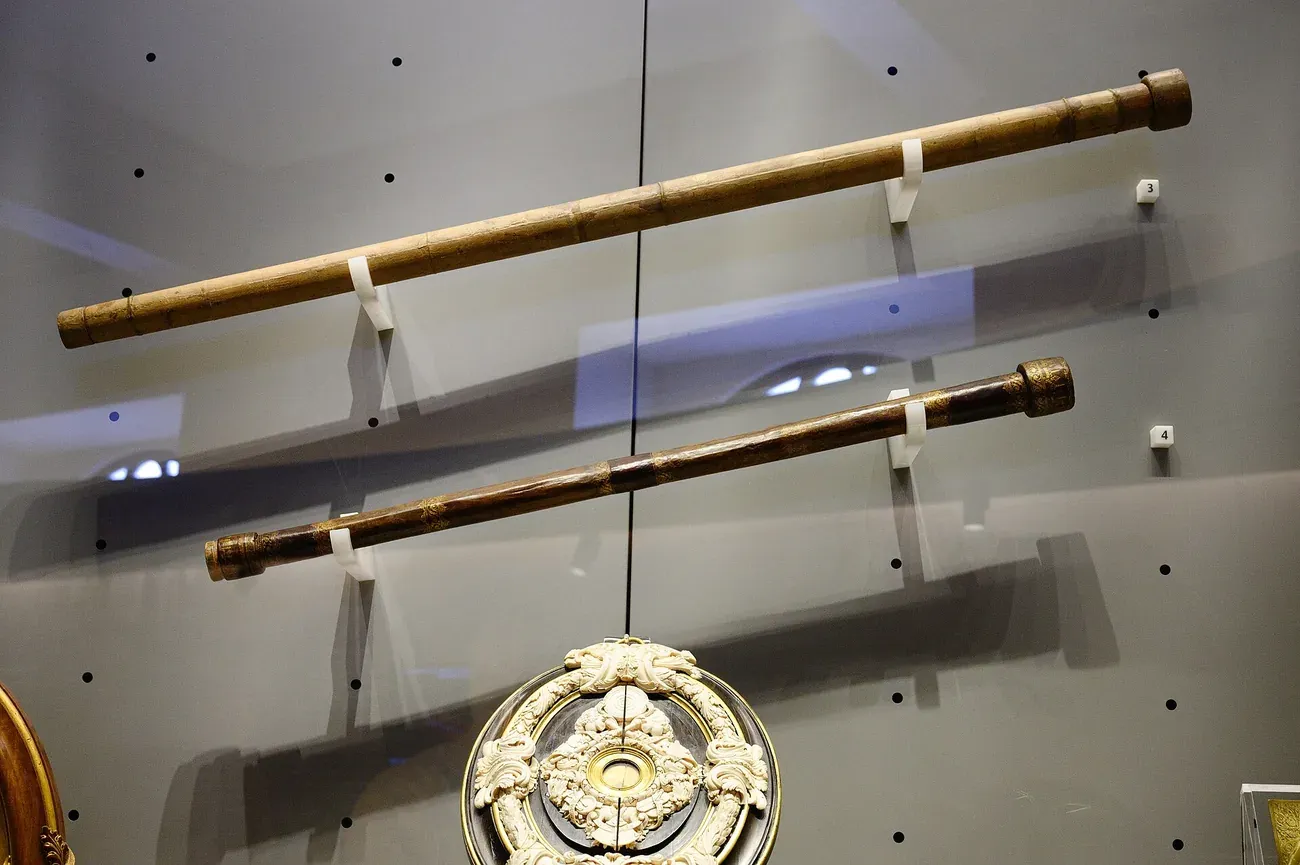
Museo Galileo
Medici and Lorraine scientific instruments on the Arno, among them the telescopes Galileo built and the lens he turned on Jupiter's moons.
Location: Piazza dei Giudici 1, Florence · Website
Photo: "Galilei telescopes at Museo Galileo" by Zde (CC BY-SA 4.0).
Statues and memorials to seek out in Florence
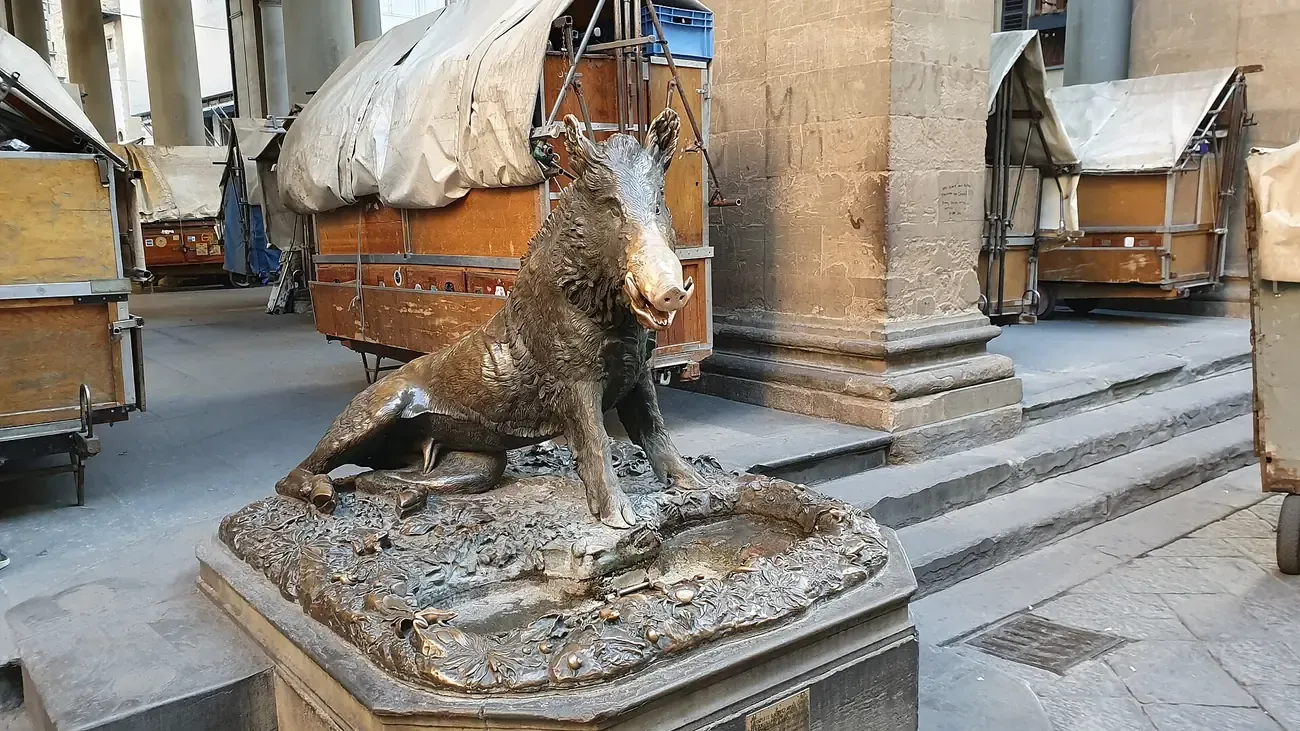
Il Porcellino
Pietro Tacca cast this bronze boar in the 1630s after a Hellenistic marble; visitors rub its snout and drop coins through the grate below.
Location: Piazza del Mercato Nuovo, Florence
Photo: "Il Porcellino by Pietro Tacca (replica)" by Yair Haklai (CC BY-SA 4.0).
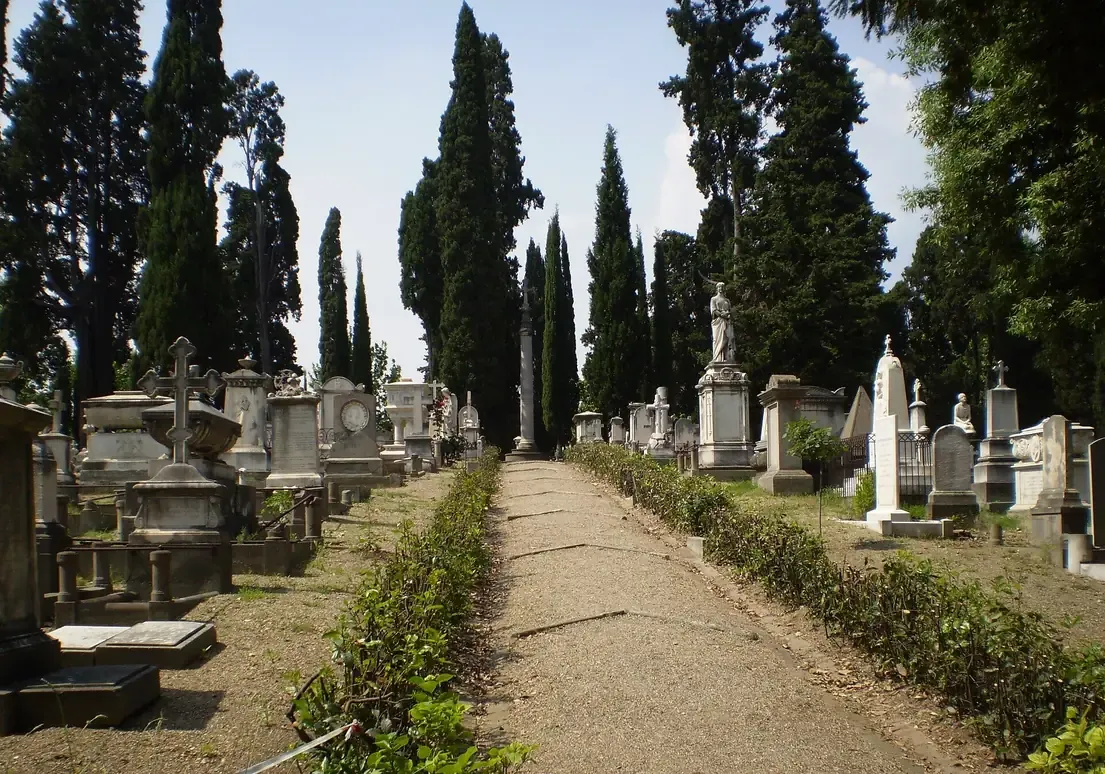
The English Cemetery
An oval island of white marble tombs marooned in traffic, owned by the Swiss church and burial place of Elizabeth Barrett Browning.
Location: Piazzale Donatello 38, Florence
Photo: "Cimitero degli Inglesi, Florence" by Lucarelli (CC BY-SA 3.0).
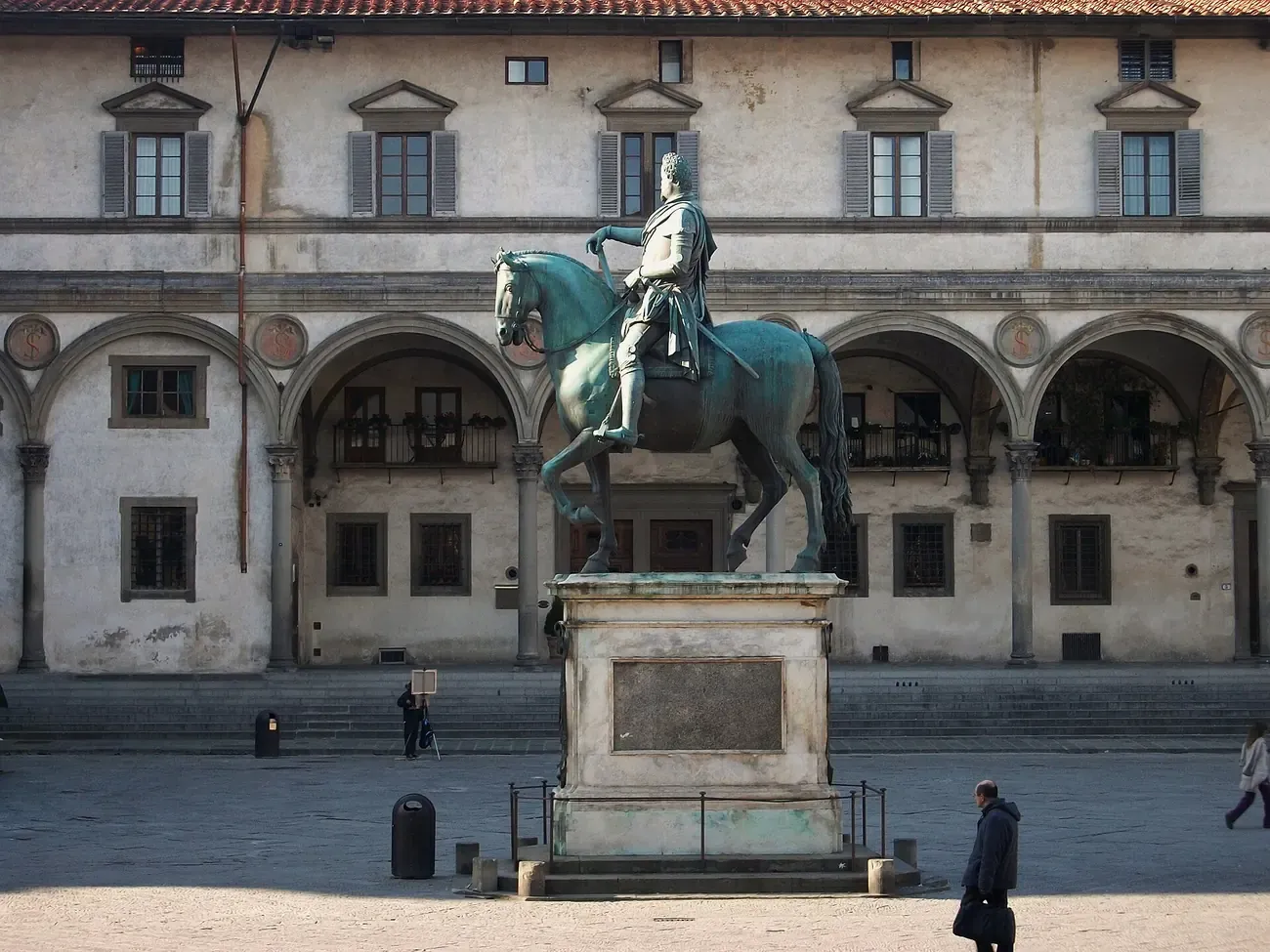
Statue of Ferdinando I
Giambologna's equestrian bronze carries a plaque of bees circling their queen, a Medici emblem that visitors try, and fail, to count.
Location: Piazza della Santissima Annunziata, Florence
Photo: "Equestrian statue of Ferdinando I de' Medici, Piazza Santissima Annunziata" by Joanbanjo (CC BY-SA 3.0).
Sculpture in unexpected corners of Florence
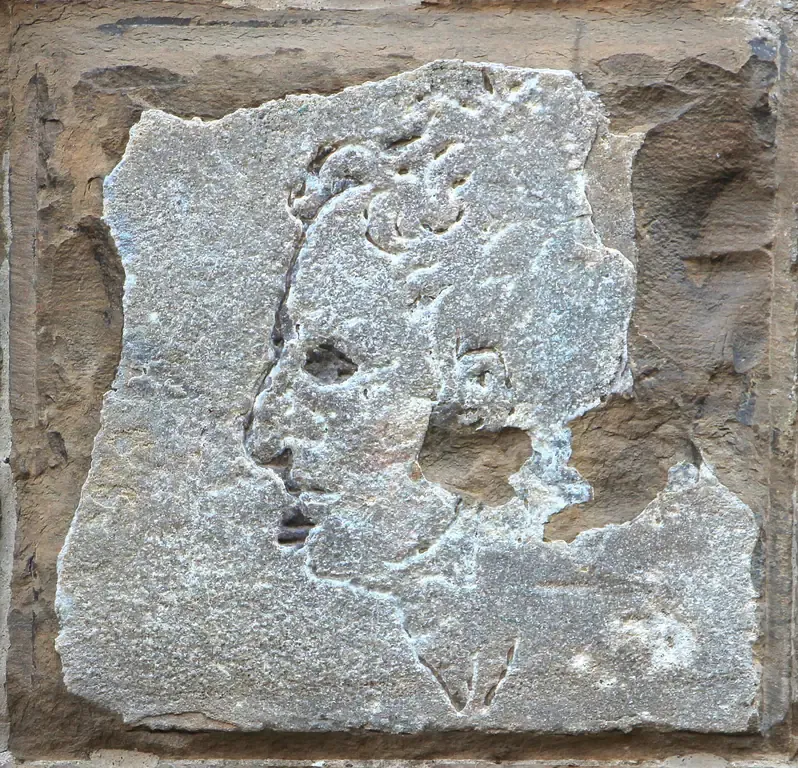
L'importuno di Michelangelo
A small profile cut into the stone flank of Palazzo Vecchio, traditionally explained as Michelangelo's sketch of a tiresome onlooker.
Location: Piazza della Signoria, Florence
Photo: "L'importuno carved profile, Palazzo Vecchio corner (Via della Ninna)" by Francesco Bini (CC BY-SA 4.0).
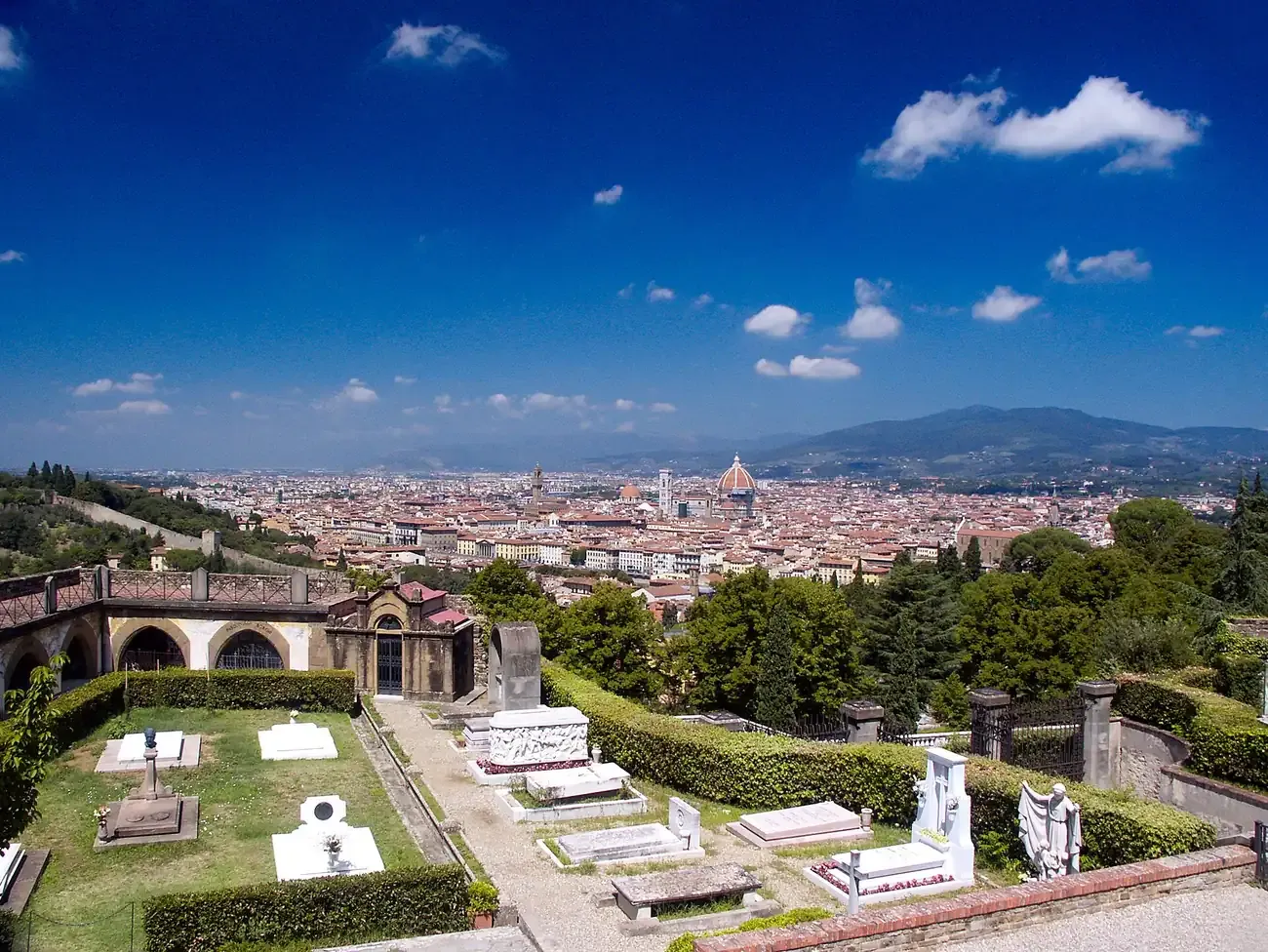
Cimitero delle Porte Sante
The terraced cemetery wrapped around San Miniato al Monte, where Carlo Collodi lies among chapels and carved tombs above the city.
Location: Via delle Porte Sante 34, Florence
Photo: "Cimitero delle Porte Sante, San Miniato al Monte" by Jean-Christophe BENOIST (CC BY 2.5).
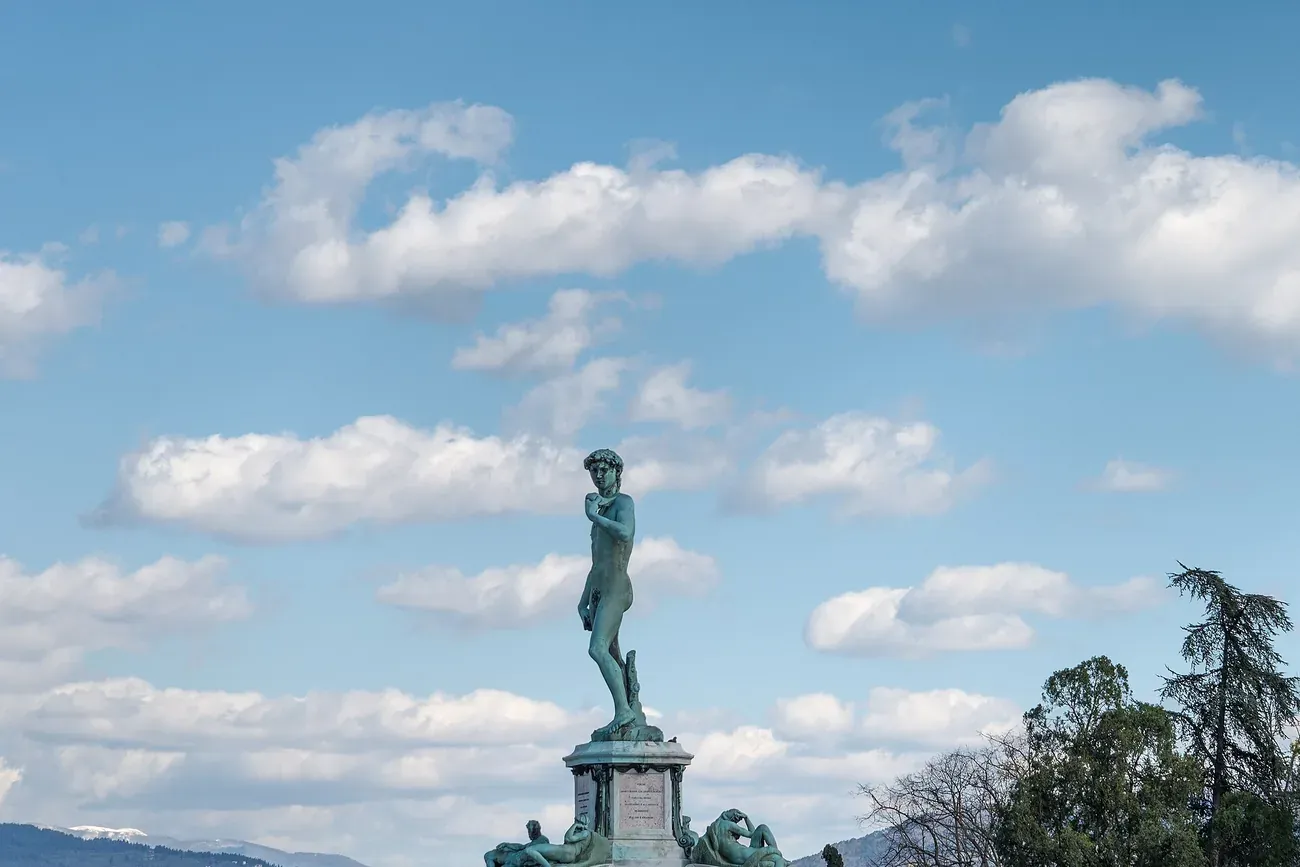
Bronze Replica of the David
A bronze cast of Michelangelo's figure, raised here in 1873, stands at the centre of the hilltop terrace with the city spread behind.
Location: Piazzale Michelangelo, Florence
Photo: "Bronze replica of David, Piazzale Michelangelo" by Giorgio Galeotti (CC BY 4.0).
Churches and sacred landmarks of Florence
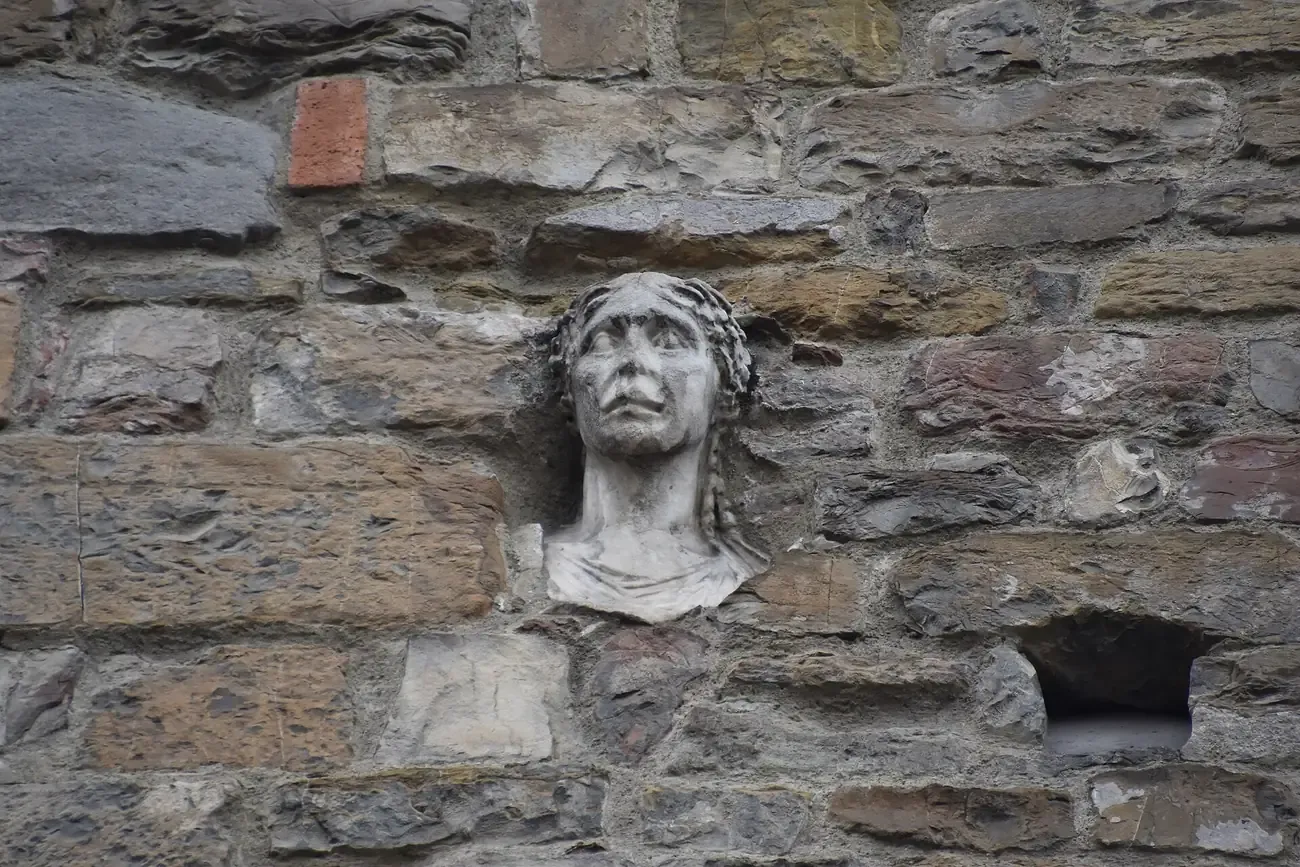
La Berta
A worn stone head juts from the flank of Santa Maria Maggiore on Via dei Cerretani, explained by rival legends and no documents at all.
Location: Via dei Cerretani 39, Florence
Photo: "La Berta, stone head on Santa Maria Maggiore, Florence" by Fred Cherrygarden (CC BY-SA 4.0).
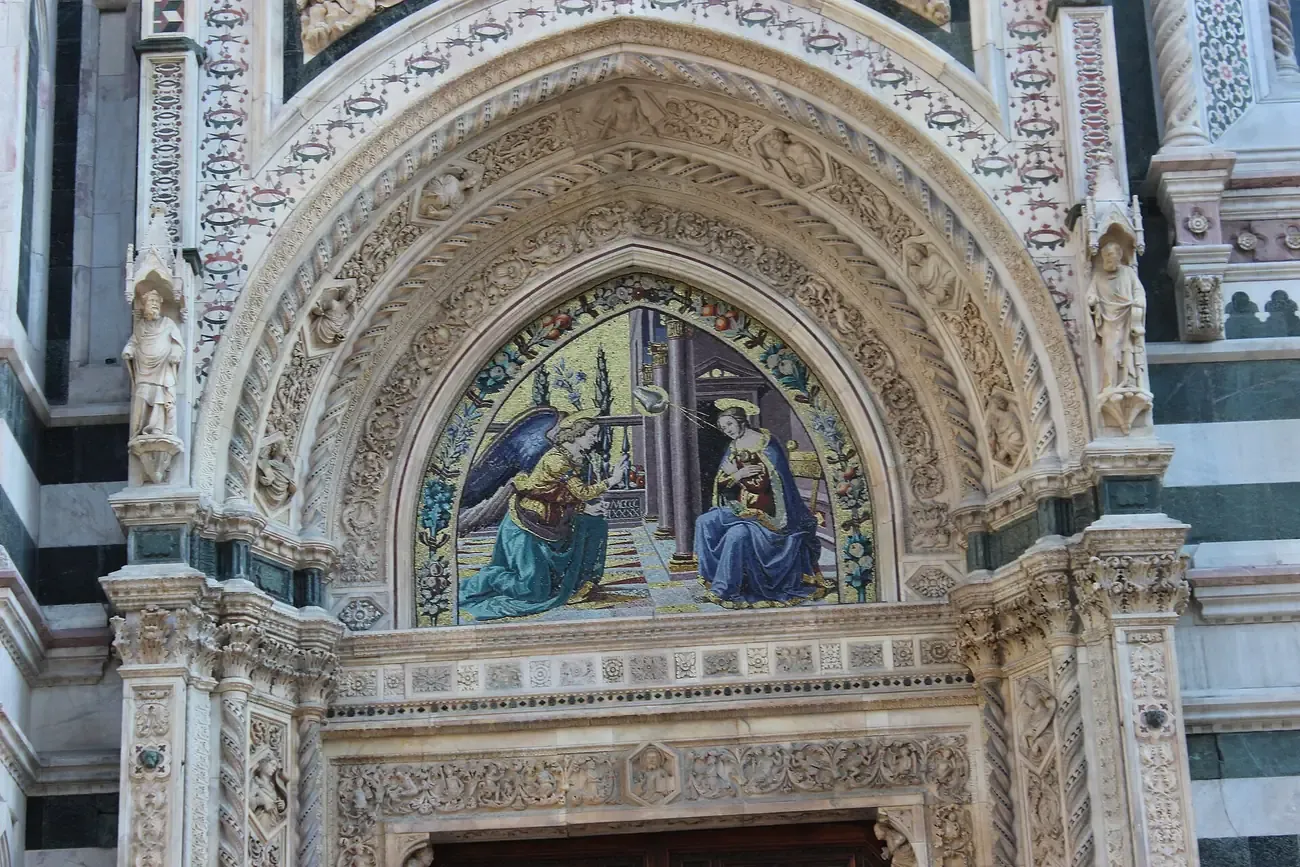
The Bull of Santa Maria del Fiore
A stone bull's head sits on a capital by the Porta della Mandorla, on the cathedral's Via Ricasoli side, its purpose still argued over.
Location: Piazza del Duomo, Florence
Photo: "Porta della Mandorla, Florence Cathedral" by Miguel Hermoso Cuesta (CC BY-SA 4.0).
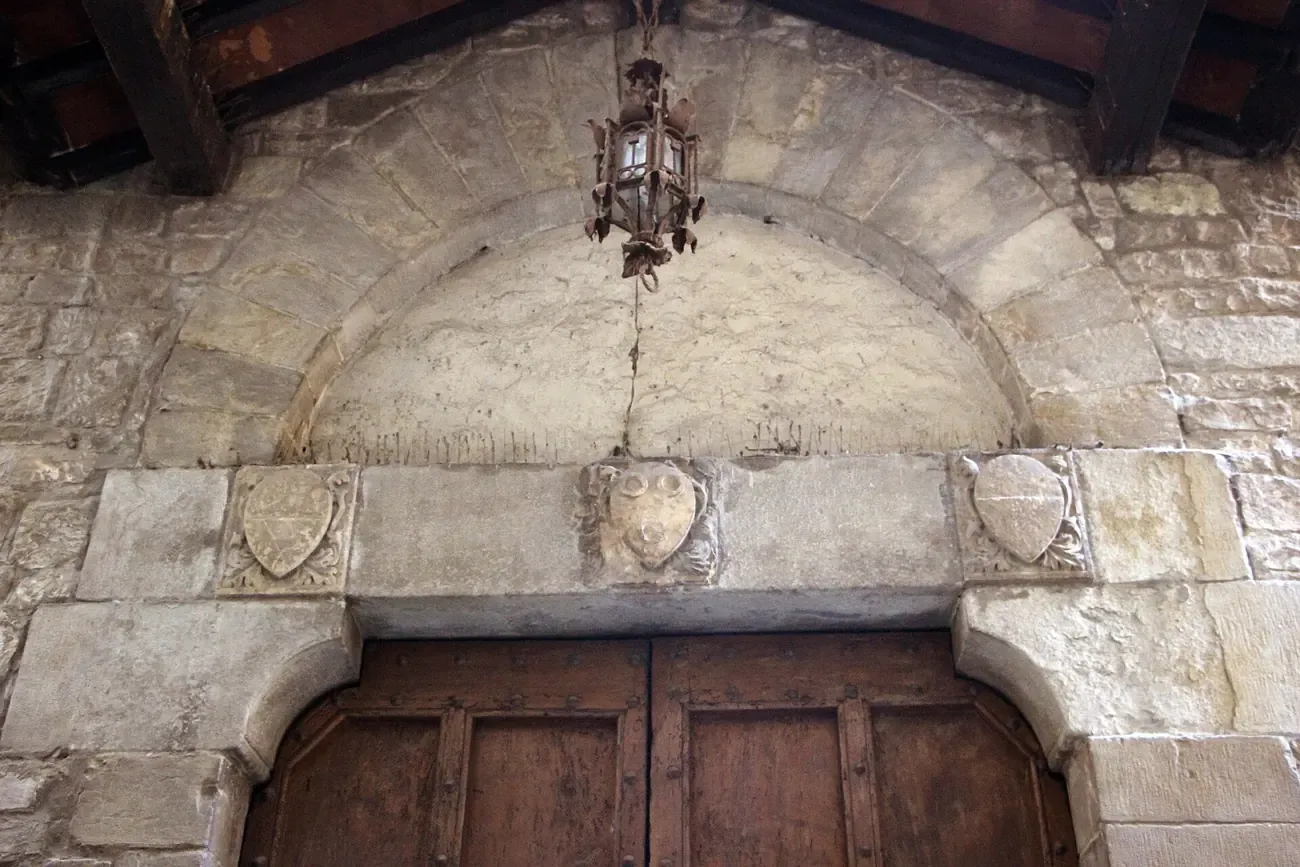
Santa Margherita de' Cerchi
The small church where Dante is said to have met Beatrice, whose family tomb slab still collects notes left by visitors.
Location: Via Santa Margherita, Florence
Photo: "Portal of Santa Margherita de' Cerchi, Florence" by Francesco Bini (CC BY-SA 4.0).
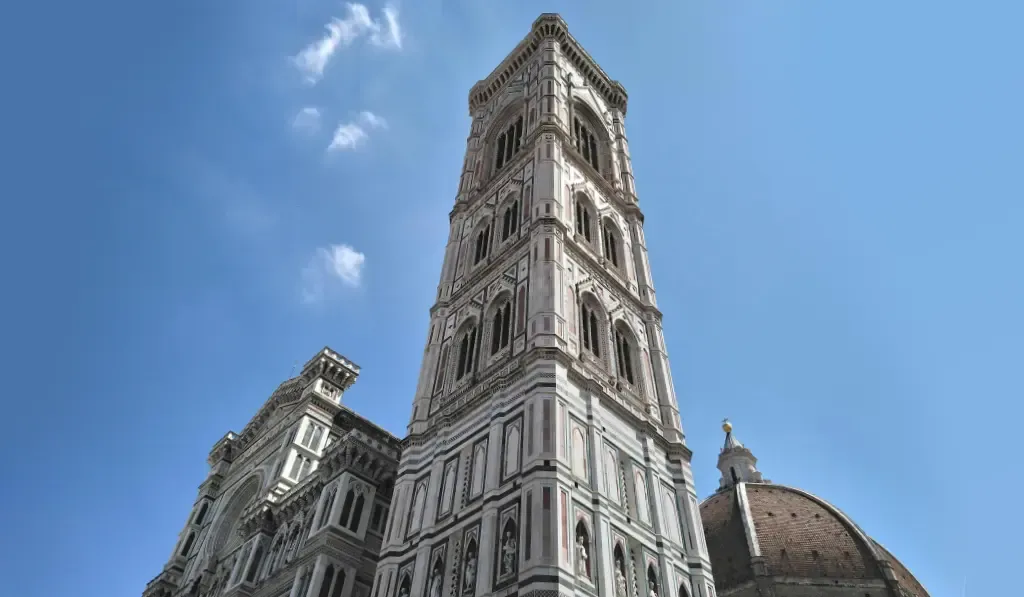
Giotto's Bell Tower
Giotto designed the campanile in 1334 and died before it rose far; 414 steps climb past marble reliefs to a terrace facing the dome.
Location: Piazza del Duomo, Florence · Website
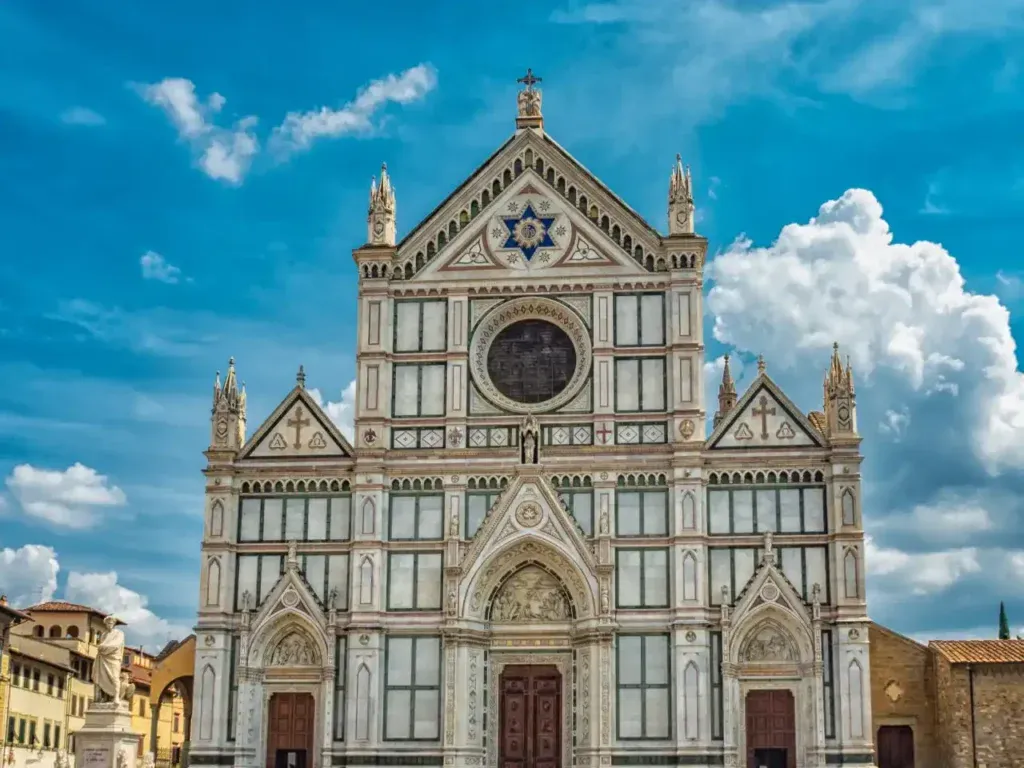
Basilica of Santa Croce
The Franciscan church holds the tombs of Michelangelo, Galileo and Machiavelli, a cenotaph to Dante, Giotto frescoes and the Pazzi Chapel.
Location: Piazza Santa Croce 16, Florence · Website
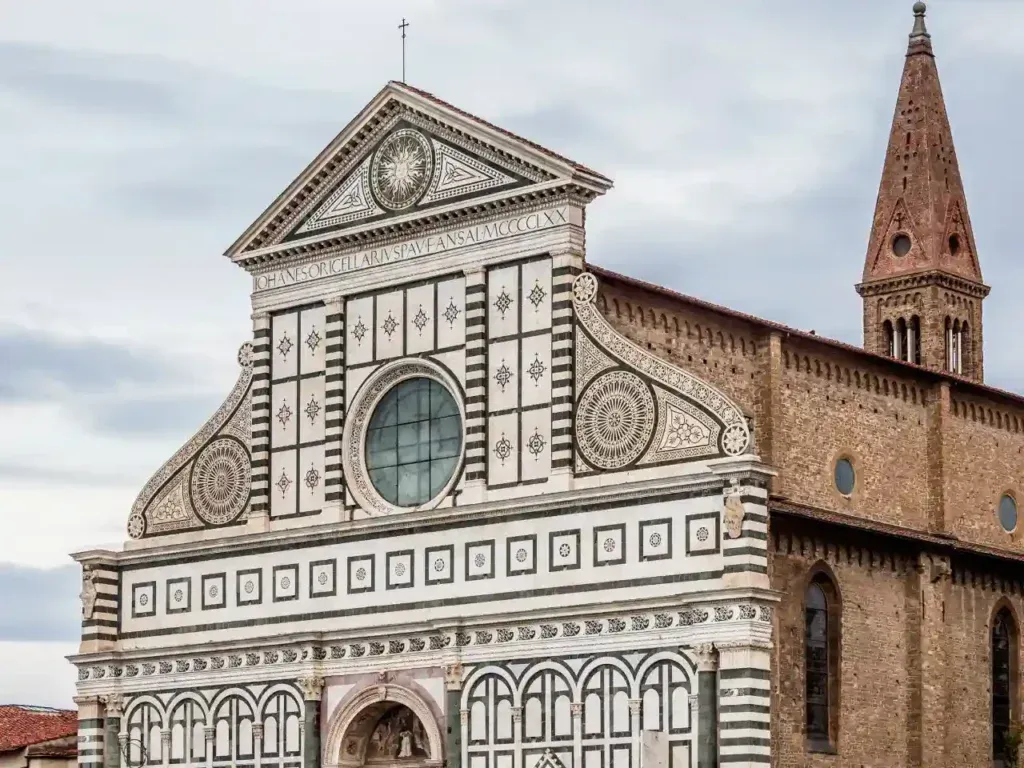
Basilica of Santa Maria Novella
Alberti's marble front stands before a Dominican church with Masaccio's Trinity, Ghirlandaio's choir frescoes and quiet cloisters behind.
Location: Piazza Santa Maria Novella 18, Florence · Website
Lesser-known things to do in Florence
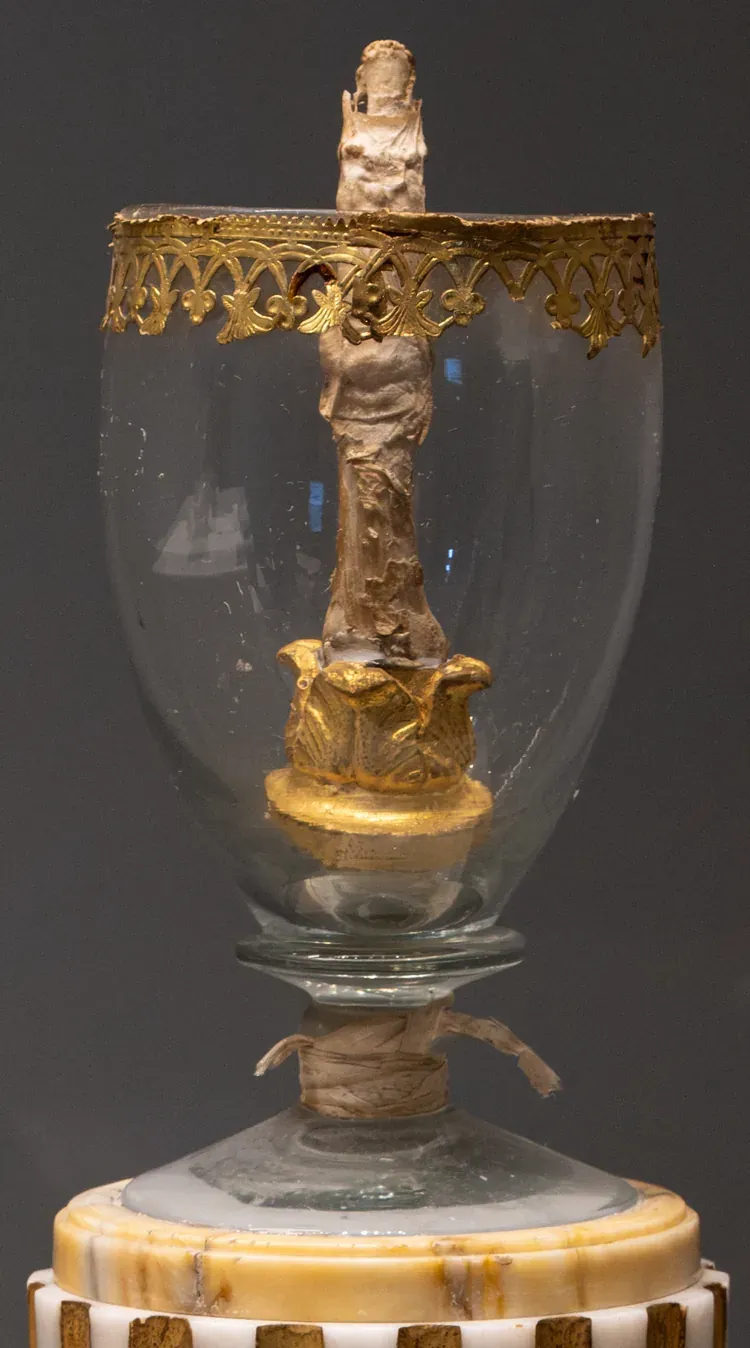
Galileo's Middle Finger
A finger removed from Galileo's body in 1737 stands upright in a glass egg at Museo Galileo, pointing at the sky he mapped.
Location: Piazza dei Giudici 1, Florence
Photo: "Middle finger of Galileo's right hand at Museo Galileo" by FbrG (CC BY-SA 4.0).
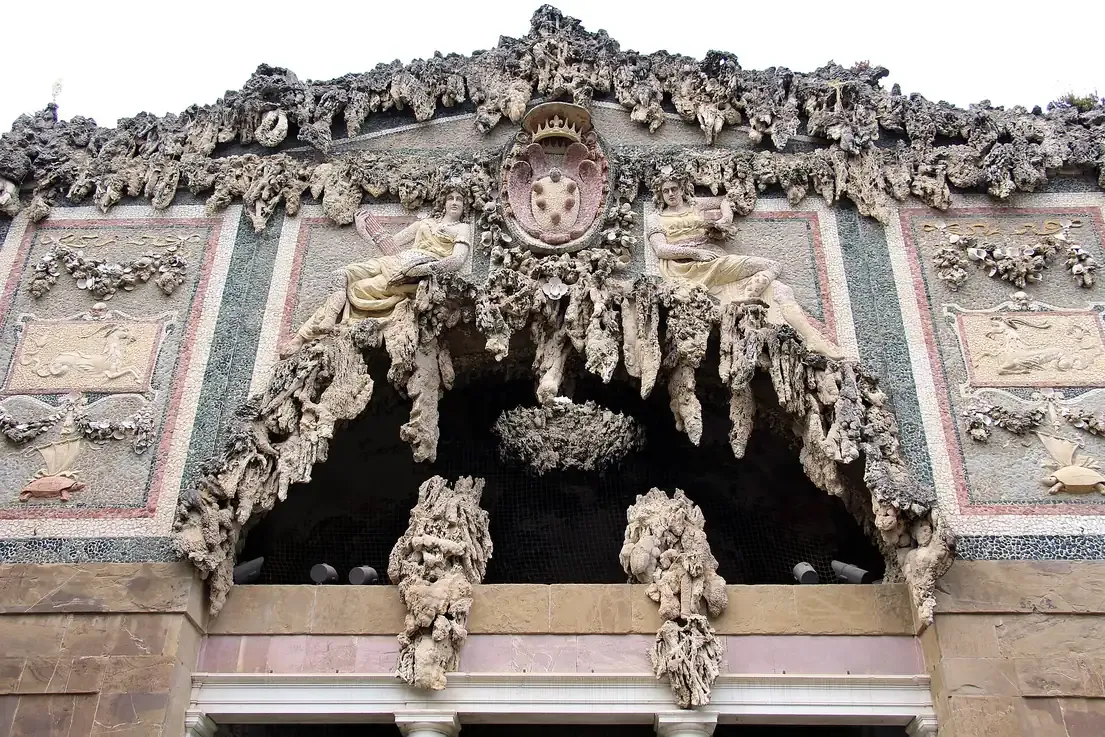
Buontalenti Grotto
Bernardo Buontalenti's artificial cave in the Boboli Gardens drips with false stalactites and shelters casts of Michelangelo's Prisoners.
Location: Piazza de' Pitti 1, Florence
Photo: "Facade of the Grotta del Buontalenti, Boboli Gardens" by Fred Romero (CC BY 2.0).
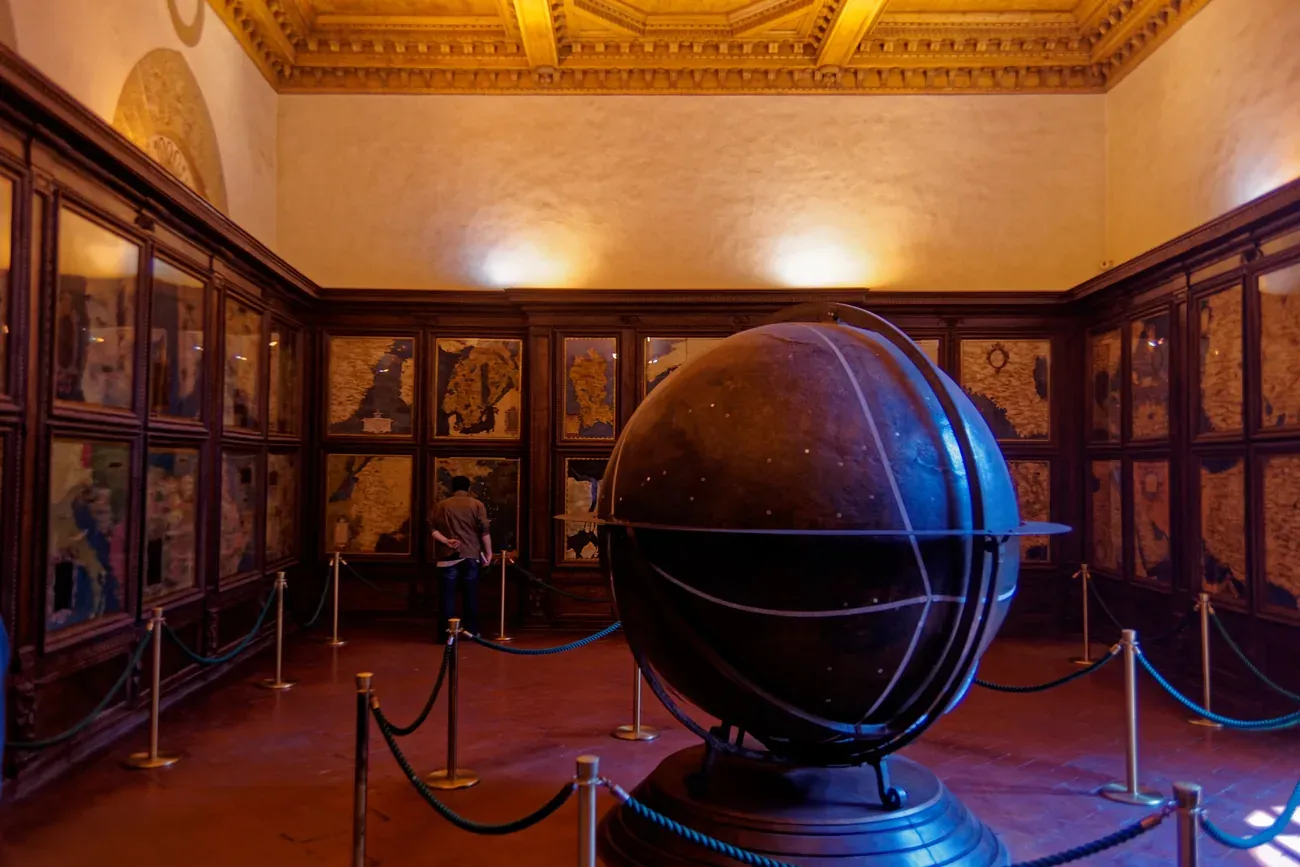
Medici Hall of Maps
Painted maps line the wardrobe room of Palazzo Vecchio, charting the world as the cartographers of Cosimo I understood it.
Location: Piazza della Signoria, Florence
Photo: "Sala delle Mappe Geografiche, Palazzo Vecchio" by Txllxt TxllxT (CC BY-SA 4.0).
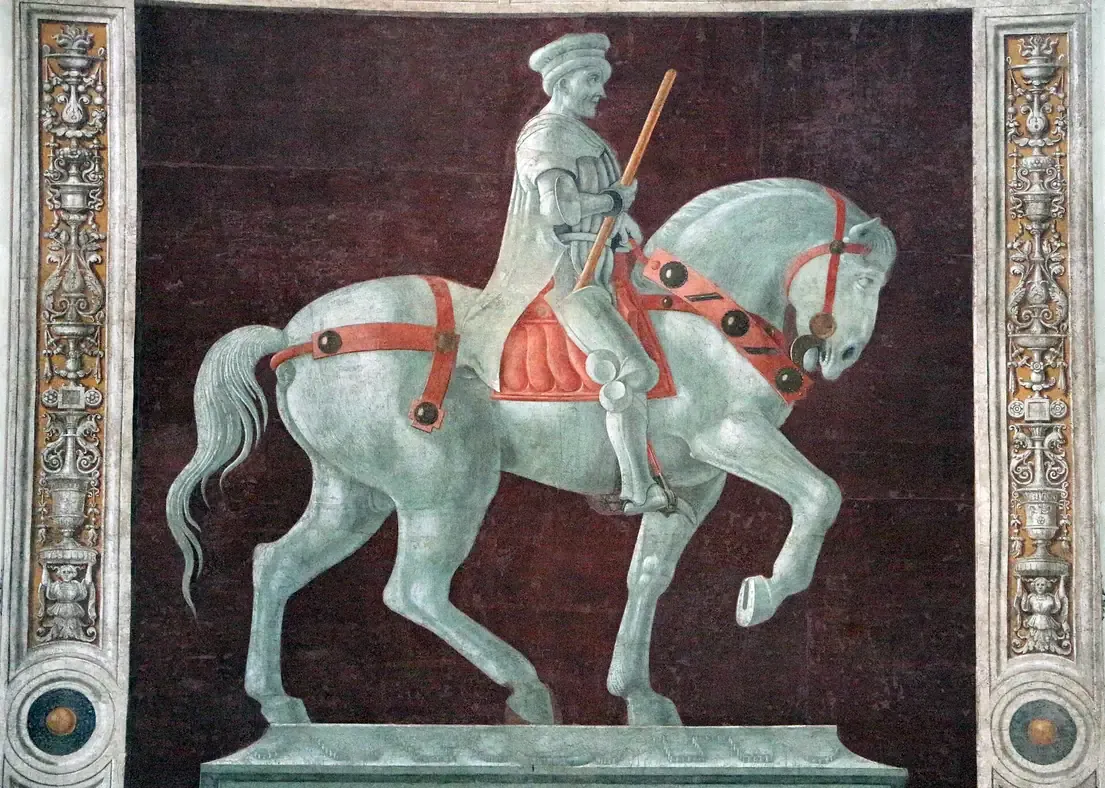
Fresco of John Hawkwood
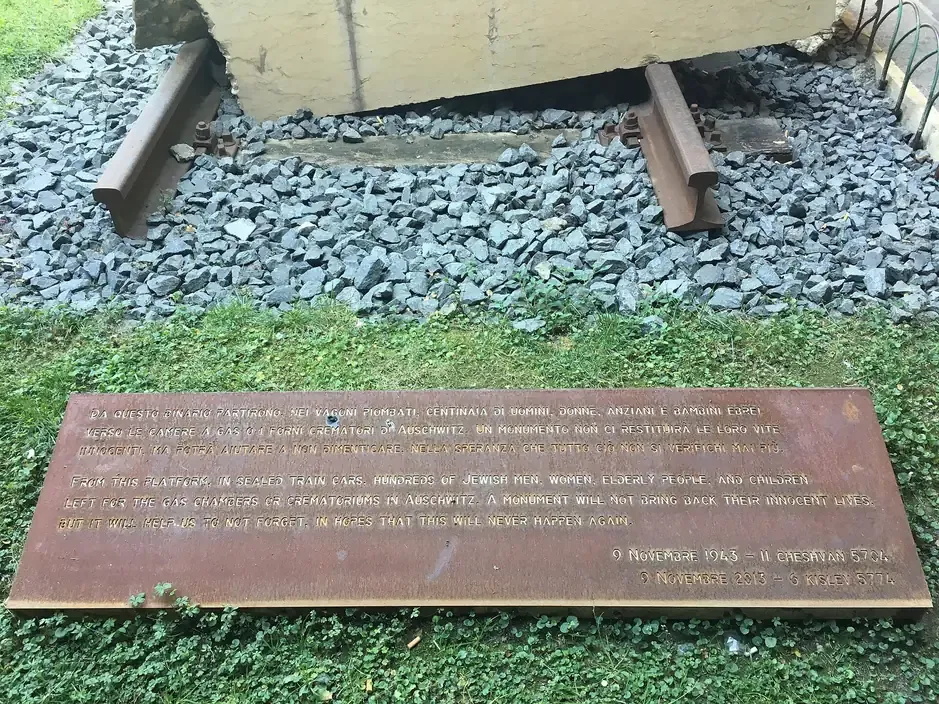
Platform 16 Memorials
A split rail and steel plaque at Santa Maria Novella station mark the platform used to deport Florentine Jews during the war.
Location: Piazza della Stazione, Florence
Photo: "Deportation memorial plaque and rail at Santa Maria Novella station, Florence" by Manuelarosi (CC BY-SA 4.0).
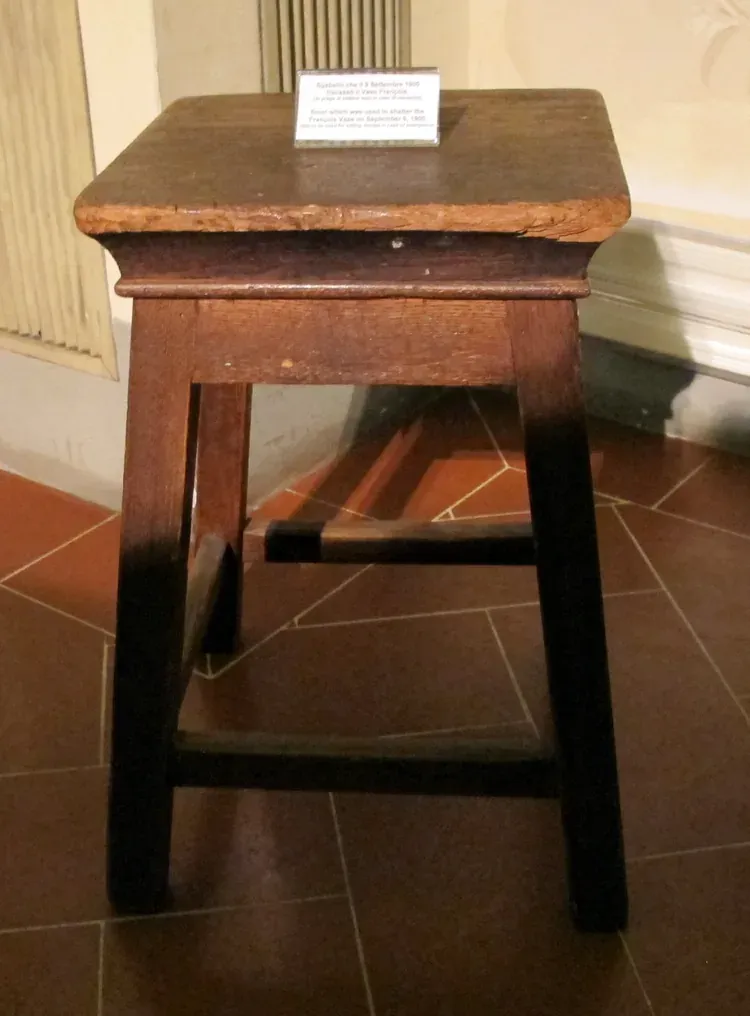
Il Fatidico Sgabello
The stool a guard hurled at the François Vase in 1900 is kept in the archaeological museum beside the krater it shattered.
Location: Piazza della Santissima Annunziata 9b, Florence
Photo: "The stool that shattered the François Vase, Archaeological Museum, Florence" by Sailko (CC BY-SA 3.0).
What makes Florence worth visiting
Florence invented the Renaissance in miniature, packed inside a river valley city that never held more than sixty thousand people until long after its golden age had passed. Bankers, wool merchants and the Medici family paid for the churches, palaces and paintings that later ages would call priceless, and the results still fill a compact historic centre that UNESCO listed as a single World Heritage Site in 1982.
What makes it unique
The city's wealth came from banking and wool before it came from art, and its greatest painters, sculptors and architects worked for patrons who wanted their family names attached to churches and chapels. Michelangelo, Brunelleschi, Botticelli and Donatello all left work within walking distance of each other, an unusual concentration for a city this size.
Neighbourhoods to know
The centro storico around the Duomo holds the cathedral, Palazzo Vecchio and the Uffizi within a few streets of each other, largely closed to traffic. San Lorenzo, behind the Medici Chapels, keeps the leather stalls and the covered Mercato Centrale. Across the Arno, the Oltrarno spreads out from Ponte Vecchio around the Pitti Palace, with artisan workshops and the climb to Piazzale Michelangelo and San Miniato al Monte.
When to go and for how long
April to June and September to October bring milder days than the summer heat, which regularly passes thirty degrees in July and August. Three full days cover the Duomo complex, the Uffizi, the Accademia and the Oltrarno at a steady pace, with a fourth useful for a Tuscan day trip. Florence also sits on the high speed rail spine between Milan and Rome, which makes it an easy anchor for a longer tour of the tourist attractions in Italy.
Getting around
The historic centre is small enough to cross on foot in under half an hour, and most of the main sights sit within a twenty minute walk of each other. Buses reach the hills around Piazzale Michelangelo and San Miniato for visitors who prefer not to climb, and the airport tram connects Peretola to the city centre in about twenty minutes.