
Tourist attractions in Naples
Known for
Neapolitan pizza, Baroque churches and views of the Vesuvius
Must-see landmarks
Sansevero Chapel, Naples Cathedral and Mount Vesuvius
Free to visit
Piazza del Plebiscito, Spaccanapoli and the churches of the "centro"
Days needed
Three to four full days, more with day trips to Pompeii and Vesuvius
The main tourist attractions in Naples, ranked
For a first visit, the tourist attractions in Naples come down to Pompeii, Piazza del Plebiscito, Mount Vesuvius and 10 more sights ranked below, plus 30 hidden gems, free things to do, upcoming events, tickets and visitor FAQs. The 13 sights are numbered on the free Naples tourist map, with the hidden gems and a walking route.
1. Pompeii
Buried under volcanic ash by the eruption of Vesuvius in 79 AD, Pompeii preserves an entire Roman city caught in mid-life. Visitors walk its paved streets past the forum, the amphitheatre, temples, bath houses and frescoed villas, while the haunting plaster casts of victims recall the day the city died. Bakeries, taverns and painted election slogans still line the walls, and the whole site rewards a full day on foot.
Location: Pompei, about 25 km southeast of Naples
Heritage: UNESCO World Heritage Site
Access: Ticketed; reached by the Circumvesuviana railway
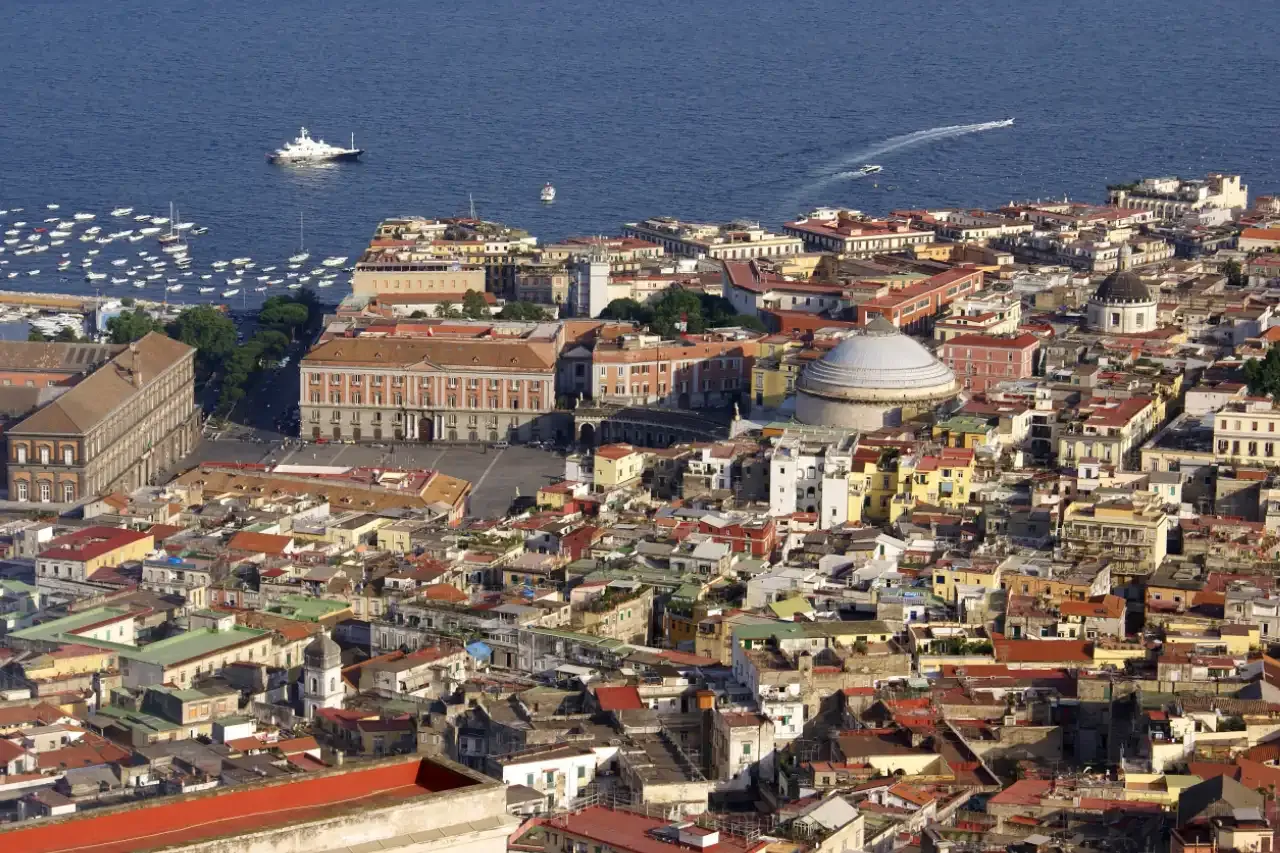
2. Piazza del Plebiscito
The grandest square in Naples sweeps between the curved colonnade of the San Francesco di Paola church and the long facade of the Royal Palace. Laid out in its present neoclassical form in the early 19th century, the vast open space hosts concerts and public festivals and offers a rare uncluttered view in the dense old city. For much of the year it doubles as a stage, a market and a meeting point, and crossing it on foot costs nothing at any hour.
Style: Neoclassical, completed 1846
Location: Between the Royal Palace and San Francesco di Paola, historic centre
Access: Free public square
3. Mount Vesuvius
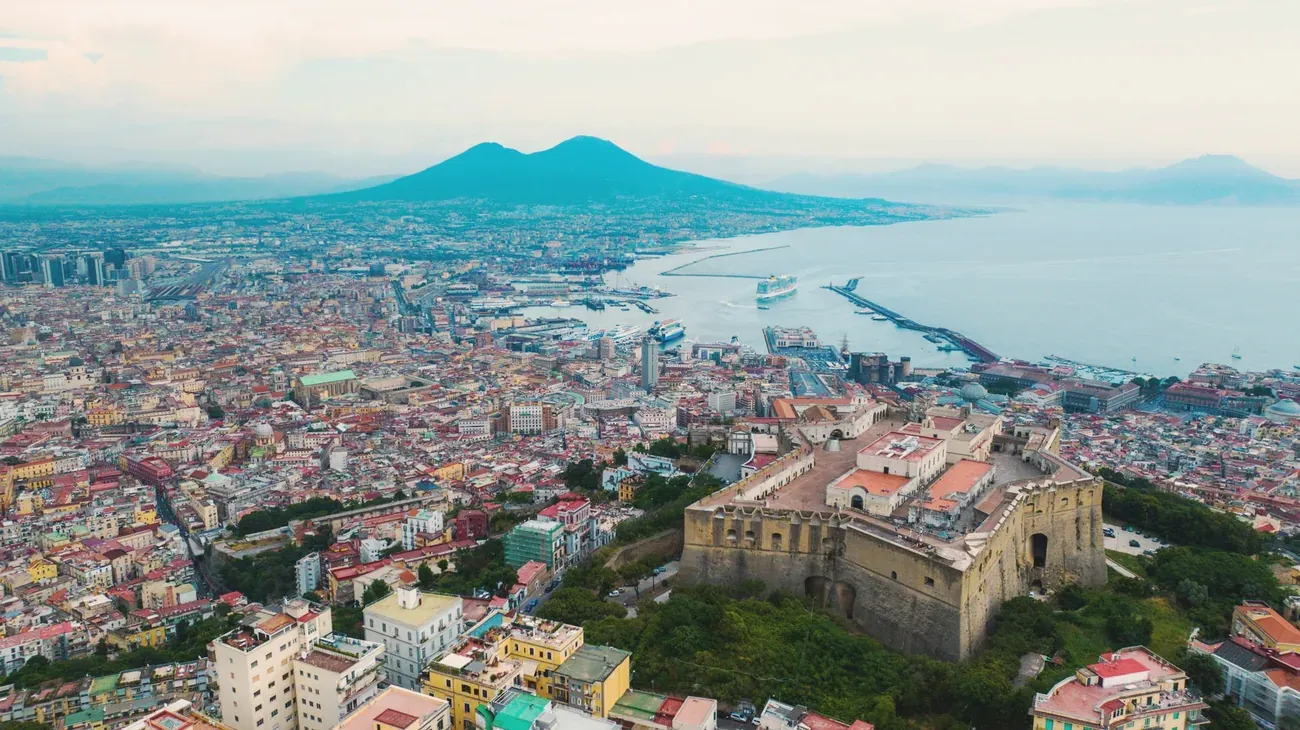
The only active volcano on mainland Europe rises over the Bay of Naples, the same cone that destroyed Pompeii and Herculaneum in 79 AD. A marked trail climbs the upper slopes to a viewpoint on the rim of the smoking crater, where guides explain the eruptions and the reach of the ash, with sweeping views over the bay and the city far below. Access is by timed ticket, which sells out in high season and depends entirely on the weather.
Location: Vesuvius National Park, above Ercolano
Access: Timed entry, booked online in advance; weather permitting · Tickets and tours
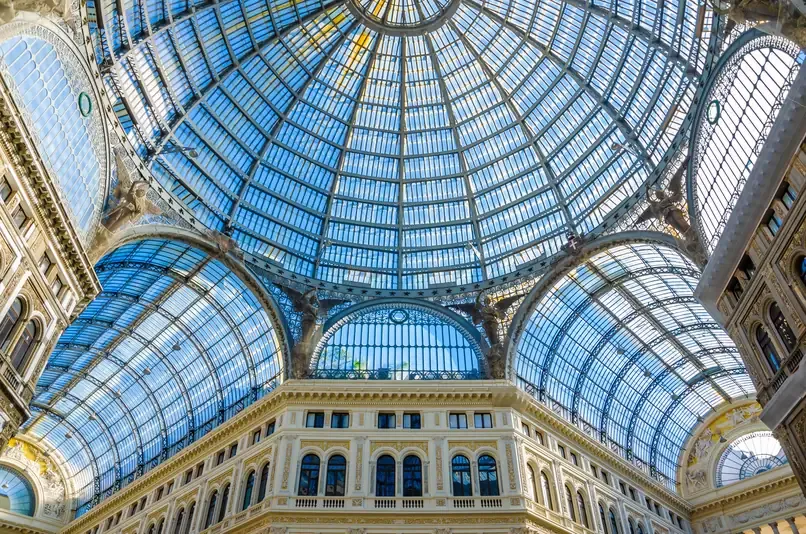
4. Galleria Umberto I
This soaring arcade of glass, iron and marble was raised at the end of the 19th century as part of the rebuilding of Naples after a cholera epidemic. Four grand wings meet under a high domed roof, lined with cafes, shops and a patterned marble floor set with the signs of the zodiac. It faces the Teatro di San Carlo and links busy Via Toledo with the theatre district, and it is free to walk through and shelter in all day long.
Architect: Emanuele Rocco
Style: Stile umbertino, opened 1890
Location: Via Toledo, opposite the Teatro di San Carlo
Access: Free, open through the day
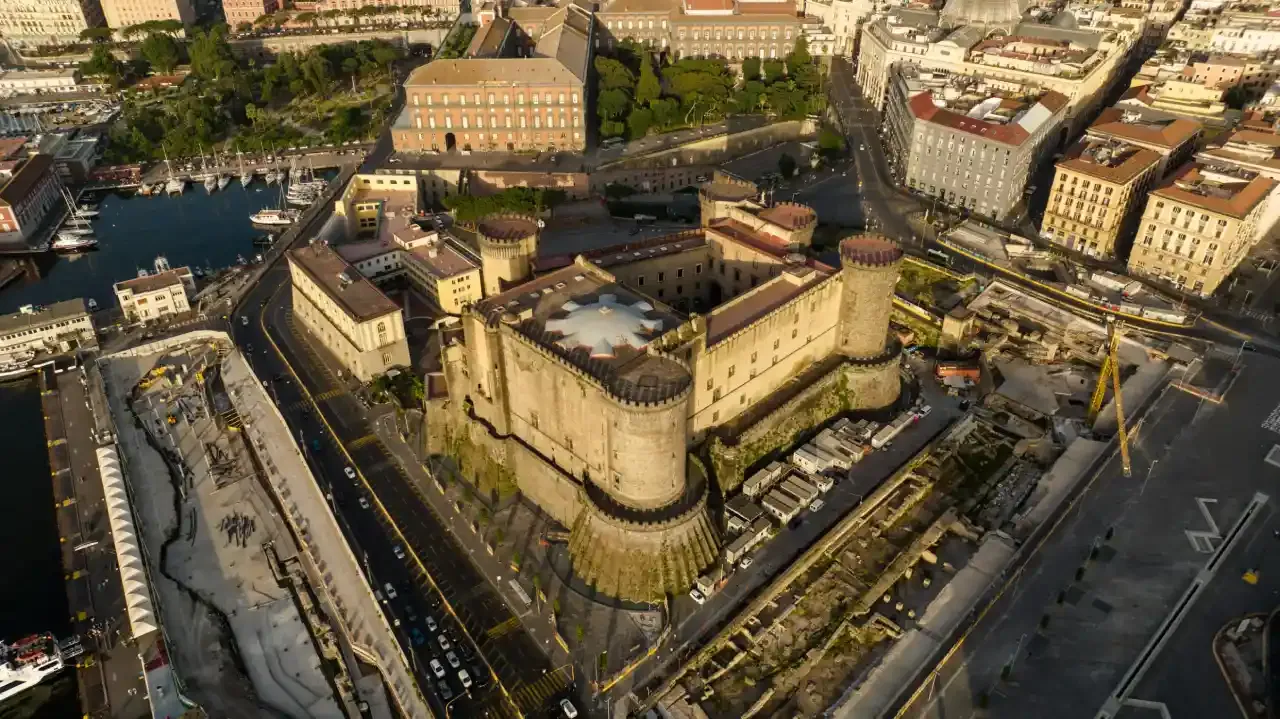
5. Castel Nuovo
Also known as the Maschio Angioino, this five-towered fortress by the port has guarded Naples since the Angevin kings raised it in the late 13th century. A gleaming white marble triumphal arch, added for Alfonso of Aragon, frames the entrance between two dark stone towers. Inside, the Civic Museum, the frescoed Palatine Chapel and the vast vaulted Barons' Hall are open to visitors, and the ramparts look out over the harbour and the bay beyond.
Architect: Pierre d'Angicourt
Style: Gothic, begun 1282
Location: Piazza Municipio
Access: Ticketed; closed Tuesdays
6. Herculaneum
Smaller and richer than Pompeii, Herculaneum was buried by the same eruption but sealed under superheated mud that preserved wooden beams, staircases, furniture and even loaves of bread. The compact excavation sits in a pit below the modern town of Ercolano, its houses still standing two storeys high with mosaics, marble and painted walls intact. It rewards a slower, closer look than its more famous neighbour, and a visit takes roughly half a day.
Location: Ercolano, about 8 km southeast of Naples
Heritage: UNESCO World Heritage Site
Access: Ticketed
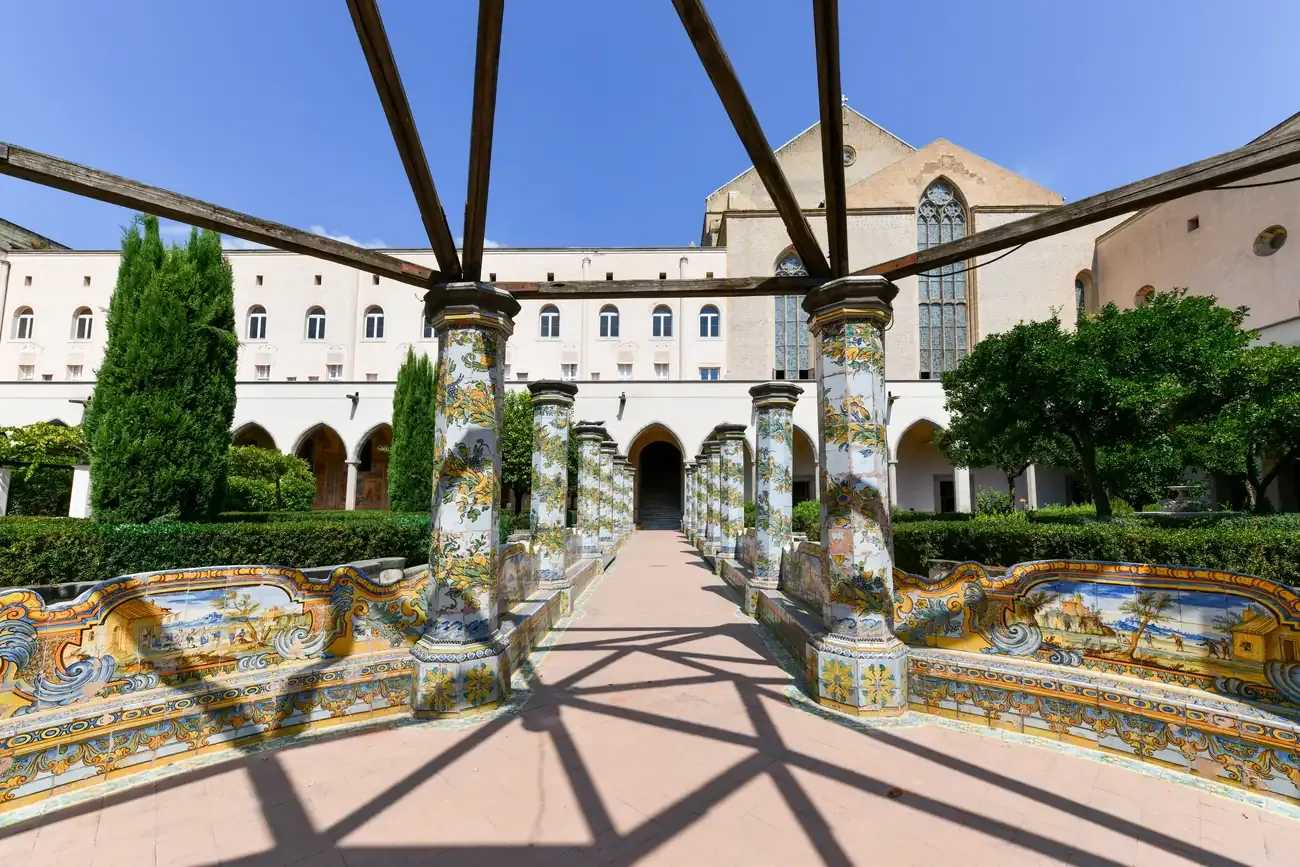
7. Complesso Monumentale di Santa Chiara
The Franciscan complex of Santa Chiara pairs a severe Gothic basilica, holding the tombs of the Angevin kings, with one of the most photographed courtyards in the city. Its cloister is lined with octagonal columns and long benches sheathed in hand-painted 18th-century majolica tiles showing vines, landscapes and lively country scenes. Rebuilt after wartime bombing, the basilica keeps its stripped-back medieval lines, and a small museum traces the story of the whole monastic complex.
Style: Gothic, 14th century
Location: Via Santa Chiara, off Spaccanapoli
Access: Basilica free; majolica cloister and museum ticketed
8. Sansevero Chapel
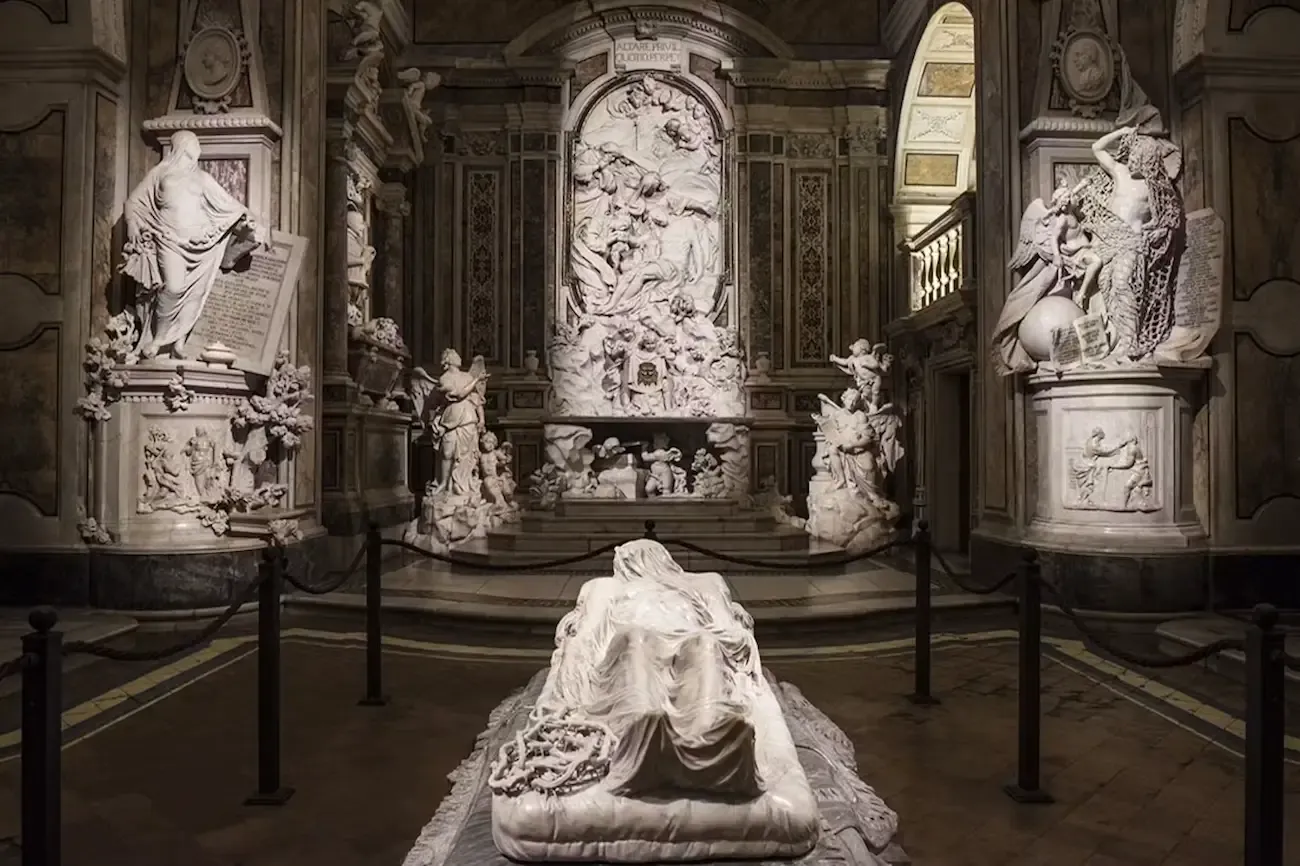
This small Baroque chapel holds one of the most astonishing sculptures in Italy, the Veiled Christ, carved from a single block of marble with a shroud so fine it looks like real cloth laid over the body. Around it stand allegorical statues of unusual virtuosity, and in the crypt below wait the unsettling Anatomical Machines assembled by the chapel's alchemist prince. The interior is tiny and hugely popular, so entry runs on strict timed slots.
Location: Via Francesco de Sanctis, historic centre
Access: Timed entry, advance booking essential · Tickets and tours
9. Naples Underground
Forty metres below the busy streets lies a second Naples, a network of tunnels and cisterns cut into the soft volcanic tuff over more than two thousand years. Greek quarries became Roman aqueducts and later wartime air-raid shelters, and guided tours lead down long narrow stairs and along candle-lit passages, in places crossing water or squeezing through slots barely shoulder-wide before opening onto a hidden Greco-Roman theatre reached through a private house.
Location: Piazza San Gaetano 68, historic centre
Access: Ticketed guided tour
10. Royal Palace of Caserta
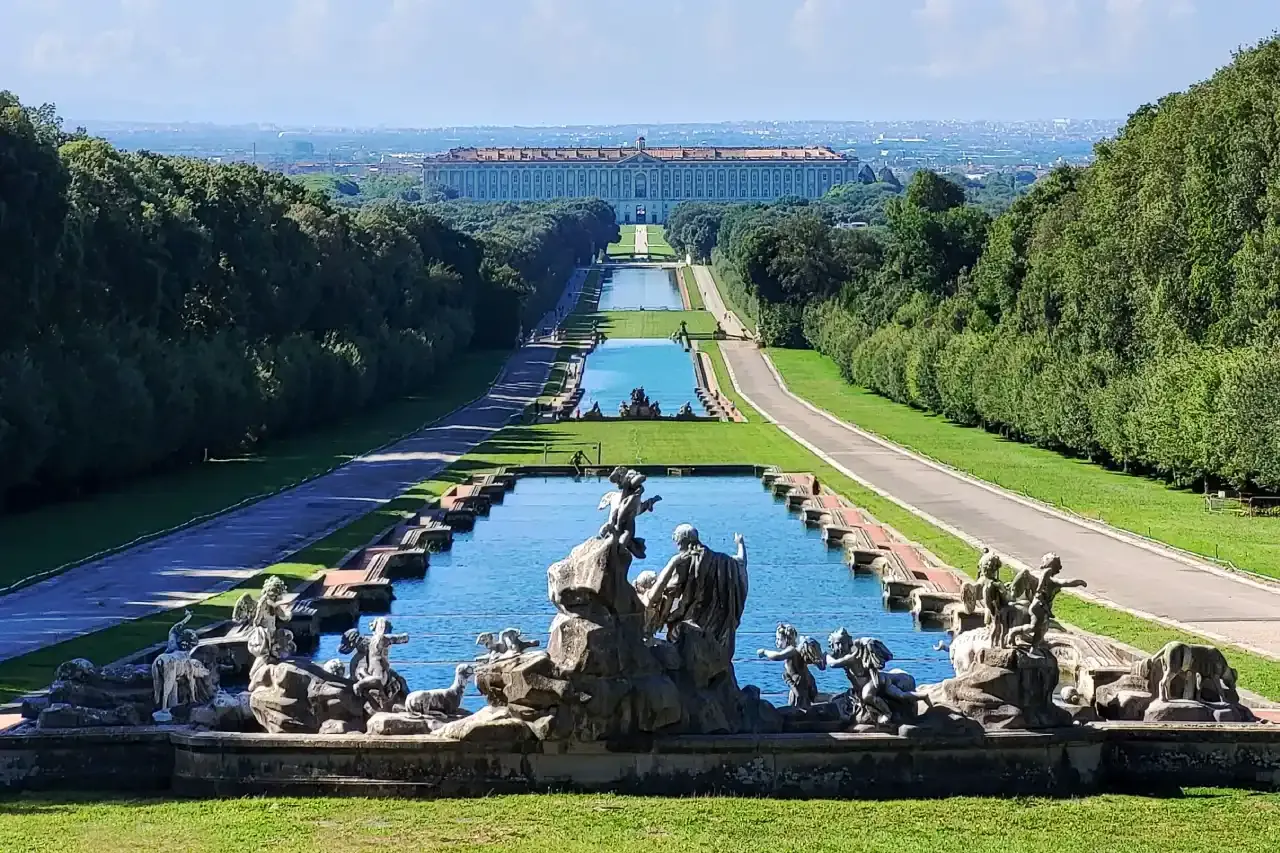
The largest royal palace in the world by volume, the Reggia di Caserta was built for the Bourbon kings as a southern rival to Versailles. Its twelve hundred rooms open off a monumental staircase into gilded state apartments, while behind the palace a three-kilometre park unrolls with fountains, cascades and sculpted pools, ending at a waterfall and a landscaped English garden. Days spent here fill quickly, and it stands well outside the city.
Architect: Luigi Vanvitelli
Style: Baroque, 1752 to 1774
Location: Caserta, about 28 km north of Naples
Access: Ticketed · Tickets and tours
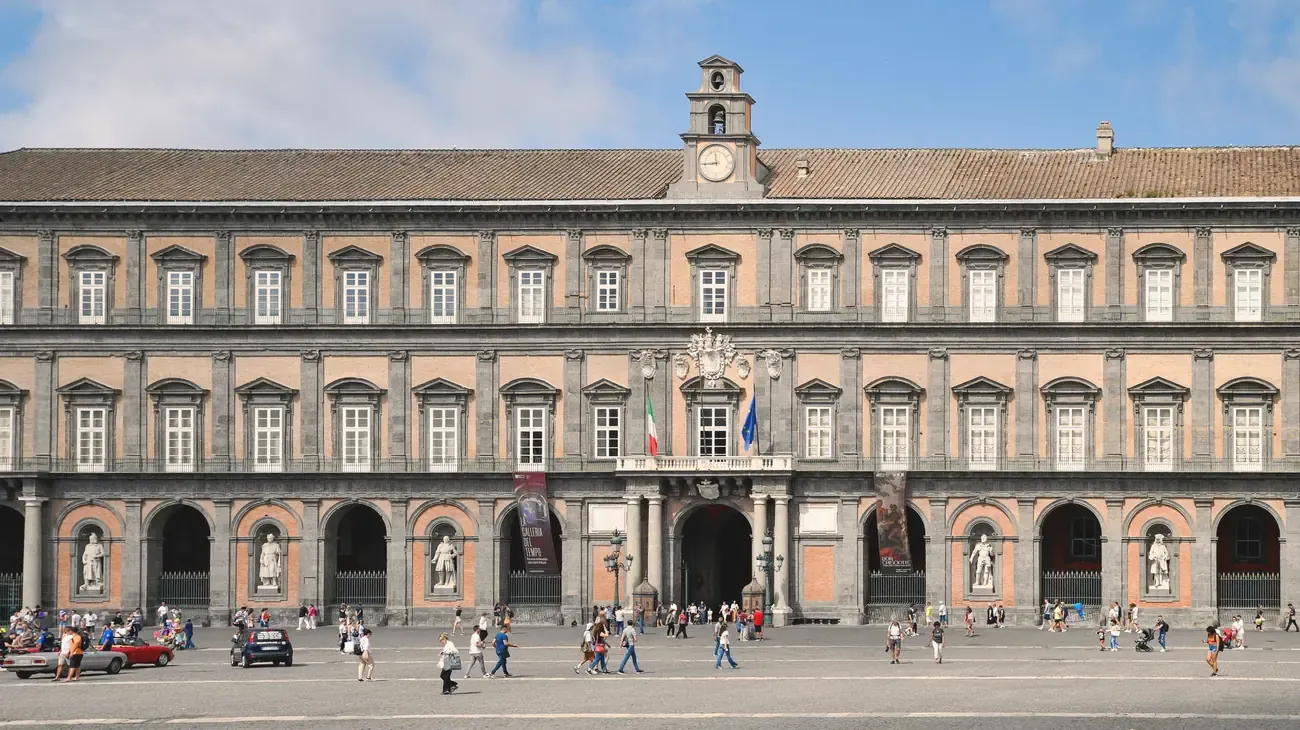
11. Royal Palace of Naples
Facing Piazza del Plebiscito, the 17th-century Palazzo Reale was the seat of the Spanish viceroys and later the Bourbon court. Statues of eight kings of Naples stand in niches across its long red-and-grey facade. Inside, a monumental honour staircase leads up to the royal apartments, the court theatre and the frescoed halls of the National Library, hung with tapestries, paintings, gilded furniture and porcelain that together record three centuries of royal life in the city.
Architect: Domenico Fontana
Style: Renaissance and Baroque
Location: Piazza del Plebiscito
Access: Ticketed
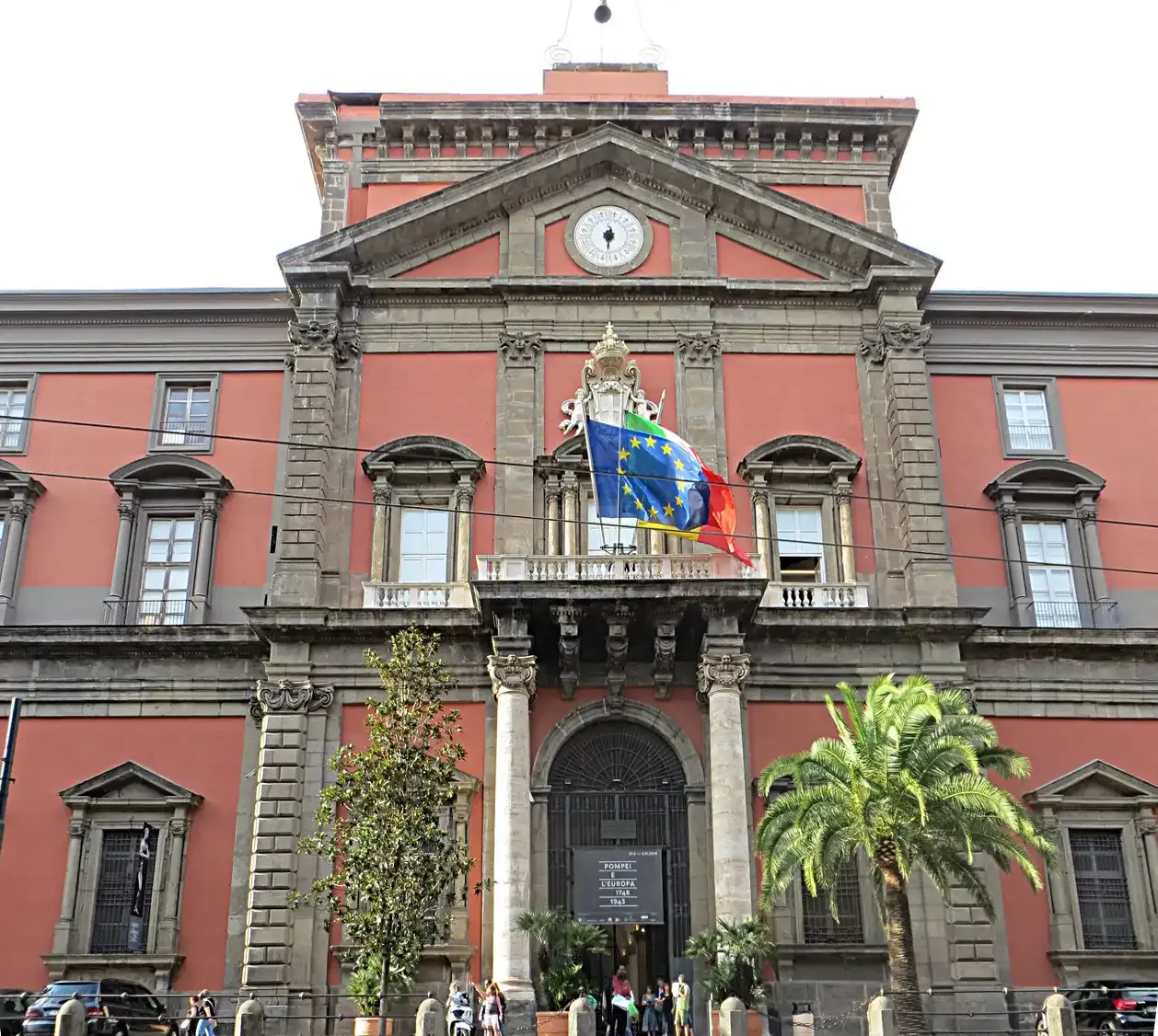
12. National Archaeological Museum of Naples
One of the great archaeological museums of the world, MANN holds the finest finds from Pompeii and Herculaneum alongside the Farnese collection of monumental Roman sculpture. Its galleries run from colossal marbles and dazzling floor mosaics to everyday glassware, silver and the vivid frescoes lifted whole from buried villas. The separate Secret Cabinet gathers the erotic art once judged too explicit for public view, and a full visit easily takes several hours.
Location: Piazza Museo, near Via Toledo
Access: Ticketed; closed Tuesdays
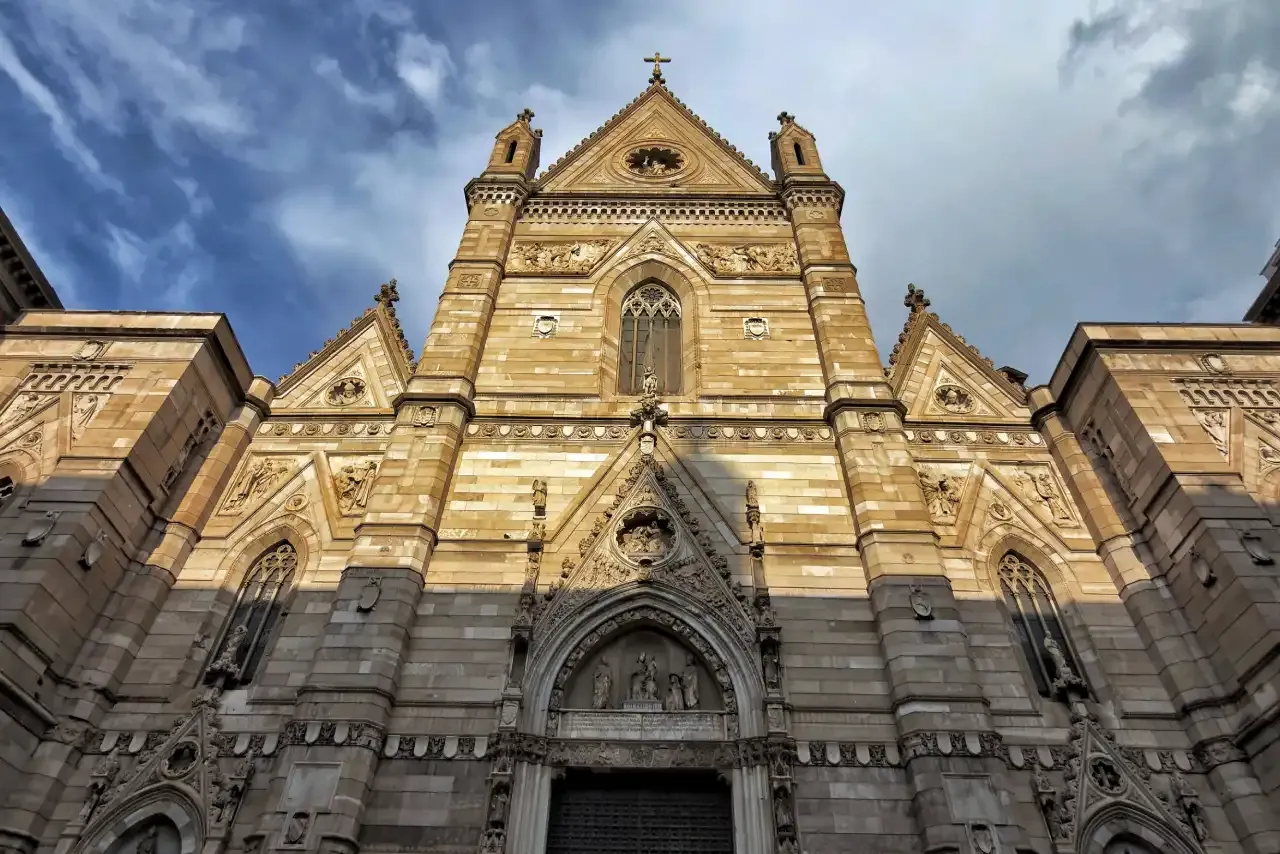
13. Naples Cathedral
The city's Gothic cathedral is the home of San Gennaro, patron saint of Naples, whose dried blood is said to liquefy on feast days before huge and anxious crowds. Behind the 19th-century facade rise a soaring nave, the richly frescoed Royal Chapel of the Treasure of San Gennaro, and the early Christian Baptistery of San Giovanni in Fonte with its fourth-century mosaics, the oldest in the Western world. The nave is open on a donation.
Style: Gothic, begun 1272
Location: Via Duomo, historic centre
Access: Nave free by donation; Treasury museum ticketed
Tickets for Naples tourist attractions
Upcoming events in Naples

nayt, Noi Individui Tour
nayt performs at Palapartenope on 11 November at 21:00, the Rome raised rapper on the Naples date of his Noi Individui tour.

Aiello
Aiello plays Casa Della Musica Federico I on 16 November at 21:00.

SHIVA - Tour Palasport autunno 2026
SHIVA - Tour Palasport autunno 2026 plays Palapartenope on 25 November at 21:00.

Luca Ravenna - Flamingo
Luca Ravenna - Flamingo plays Teatro Augusteo on 9 March 2027 at 21:00.
What to do in Naples for free
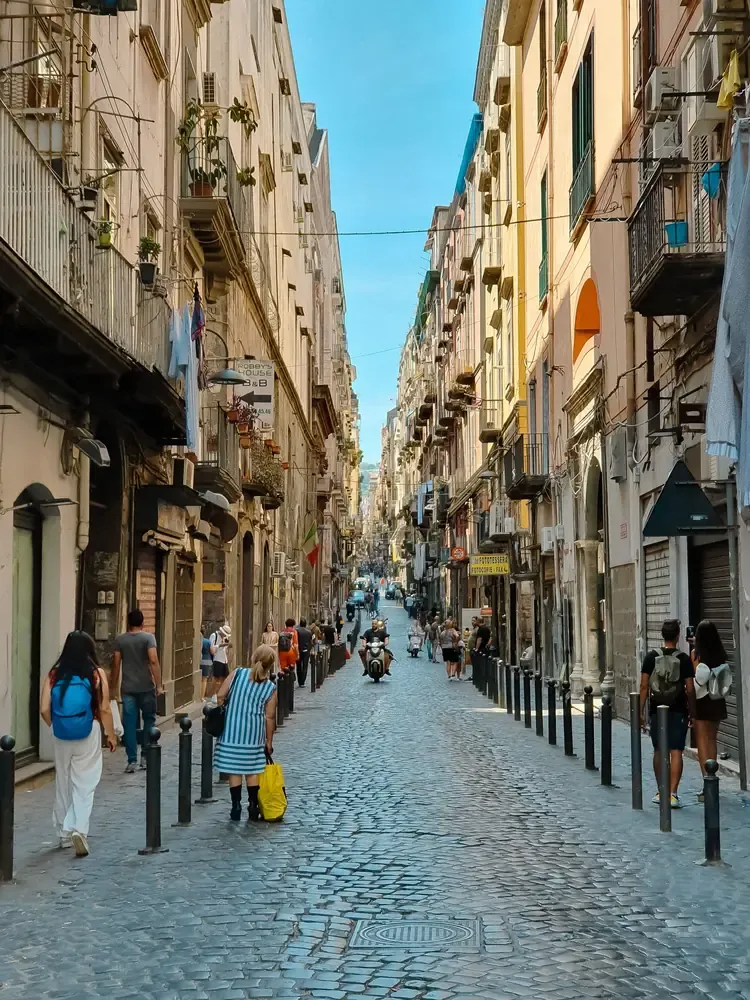
Spaccanapoli
The straight decumano splitting the old city in two costs nothing to walk at any hour, its Baroque facades, shopfronts and street life open to the public day and night. Early morning is quietest, before the lane fills with market stalls and foot traffic.
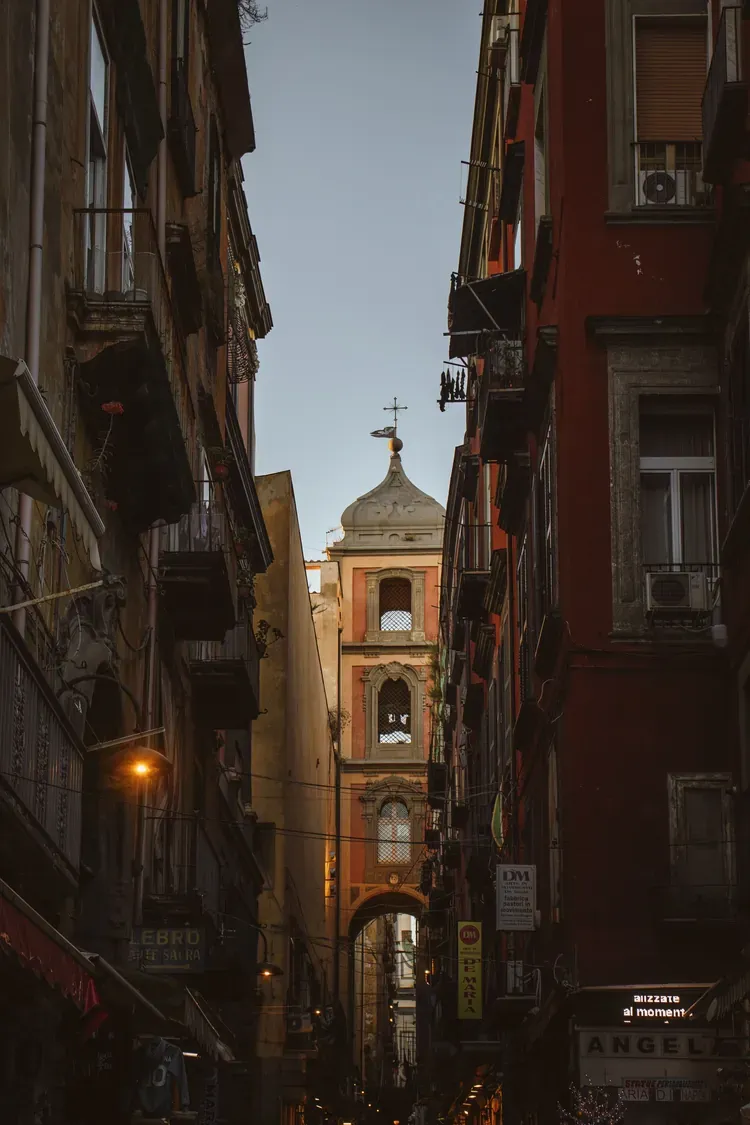
Via San Gregorio Armeno
The narrow lane of the historic centre fills with workshops making presepe, the traditional Neapolitan nativity scene, its figures ranging from shepherds to footballers, free to browse along the street any day of the year.
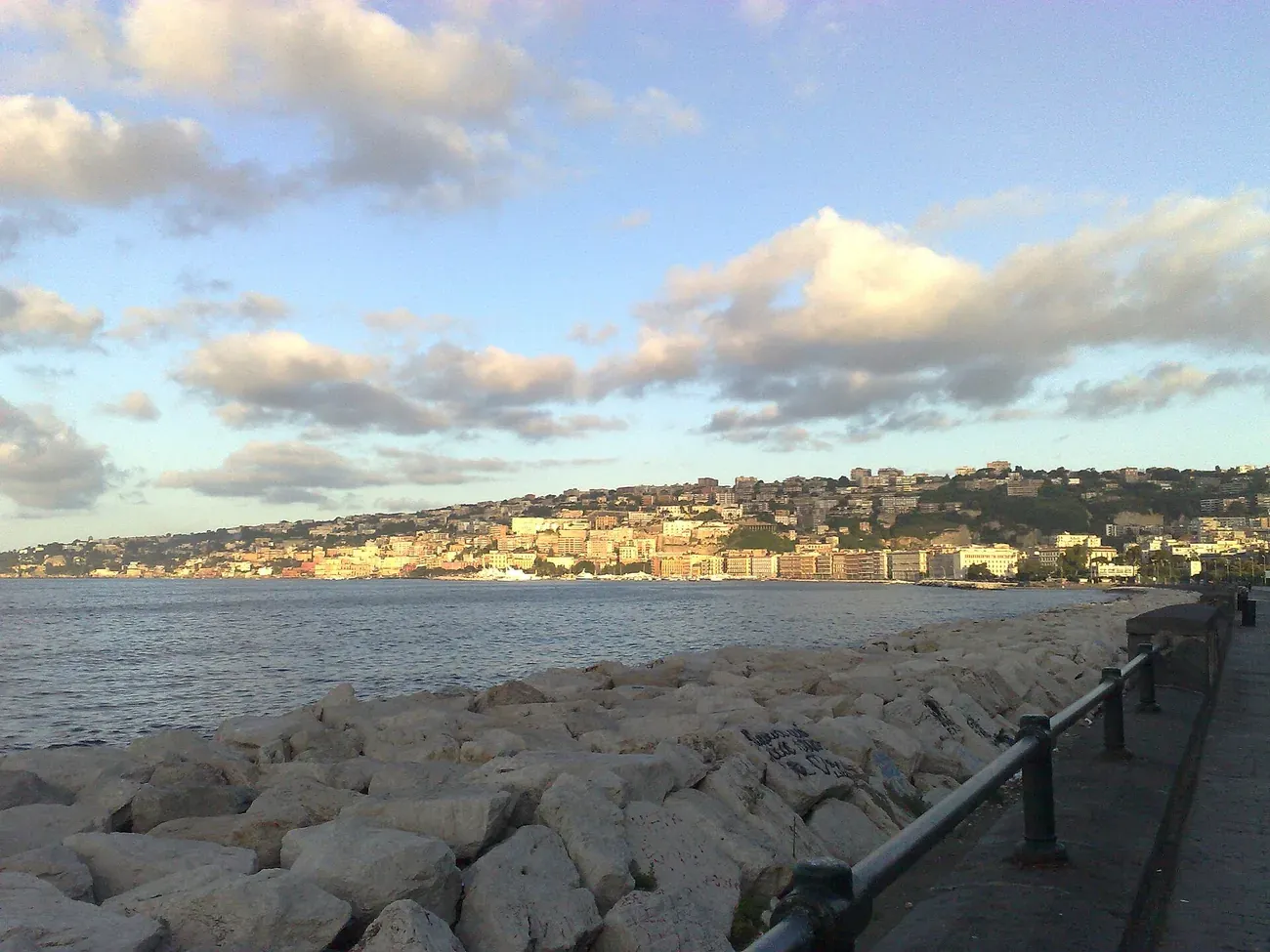
Lungomare di Napoli
The seafront promenade along Via Caracciolo has stayed a car-free walking and cycling route since 2012, open at all hours at no cost. Its curve past the Villa Comunale gardens frames views across the bay toward Vesuvius, Capri and the Sorrentine peninsula.
Photo: "Via Caracciolo panoramica verso Posillipo" by TatsuoTabei (Public domain).
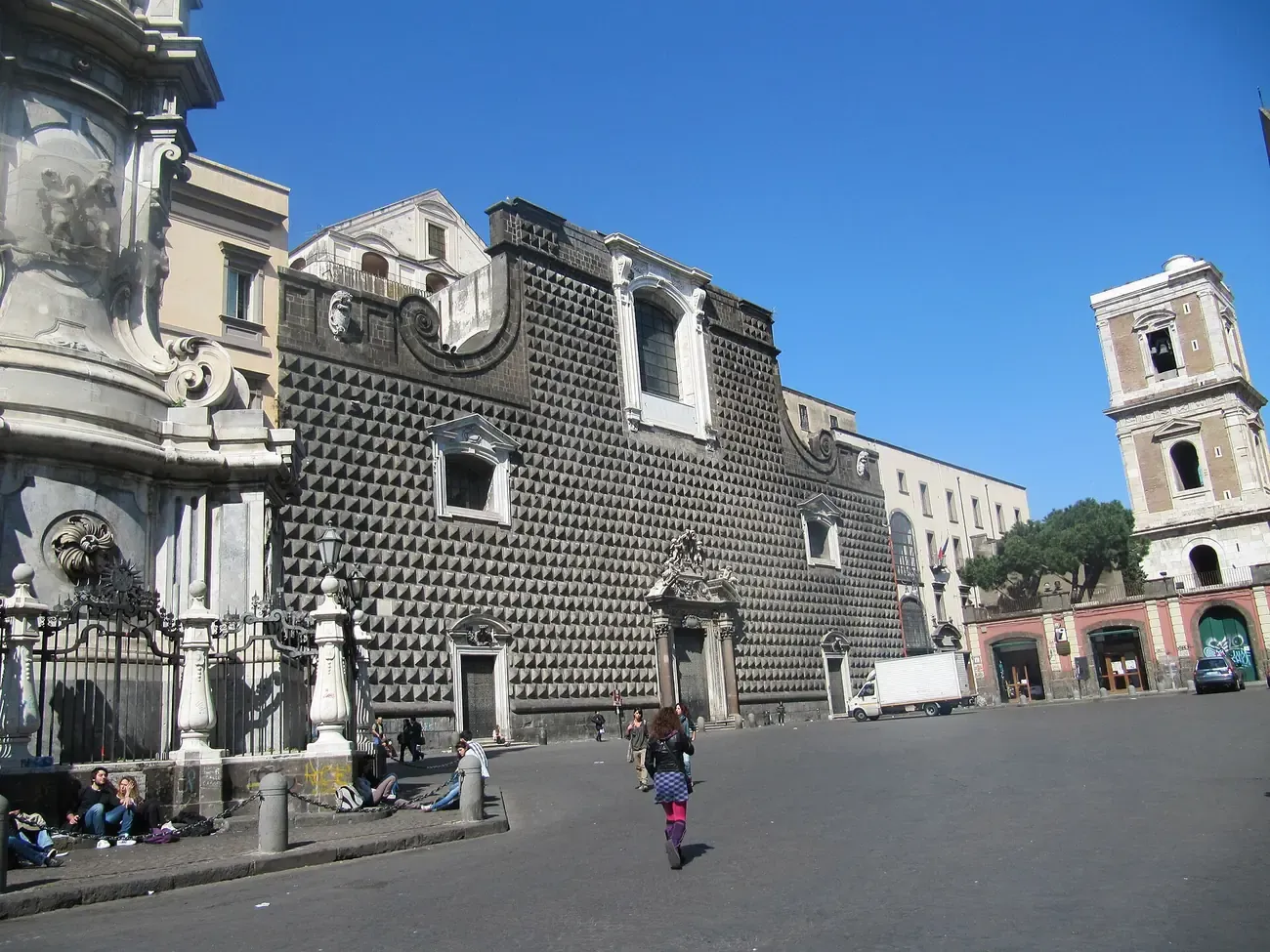
Chiesa del Gesù Nuovo
The Jesuit church on Piazza del Gesù Nuovo hides a Baroque interior of frescoes and marble behind a rusticated stone facade taken from the Renaissance palace it replaced, free to enter daily through the morning and again from late afternoon into the evening.
Photo: "Gesùnuovo" by Pinotto992 (CC0).
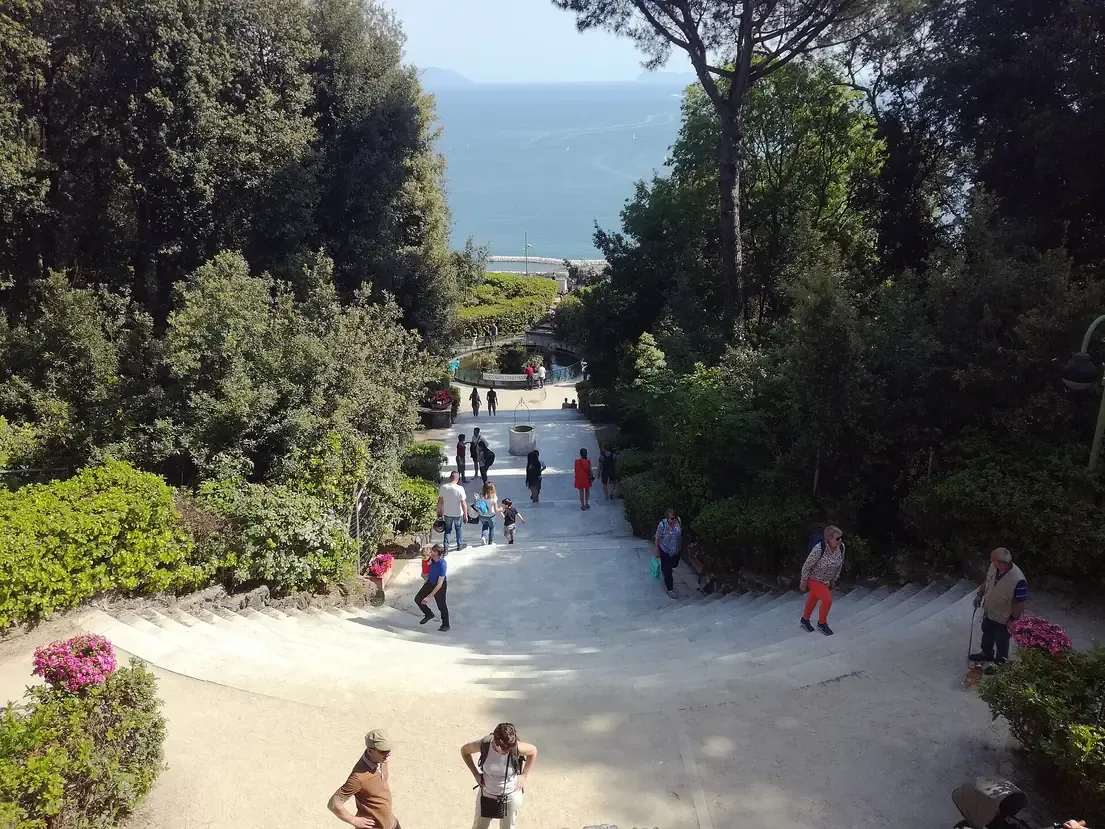
Villa Floridiana
The wooded gardens of a former royal villa in Vomero are free to enter year round, closing an hour before sunset, their terraces looking over the bay toward Vesuvius. Only the Museo Duca di Martina housed inside the villa charges its own admission.
Photo: "Floridiana2" by Baku (CC BY-SA 4.0).
Museums and curious collections in Naples
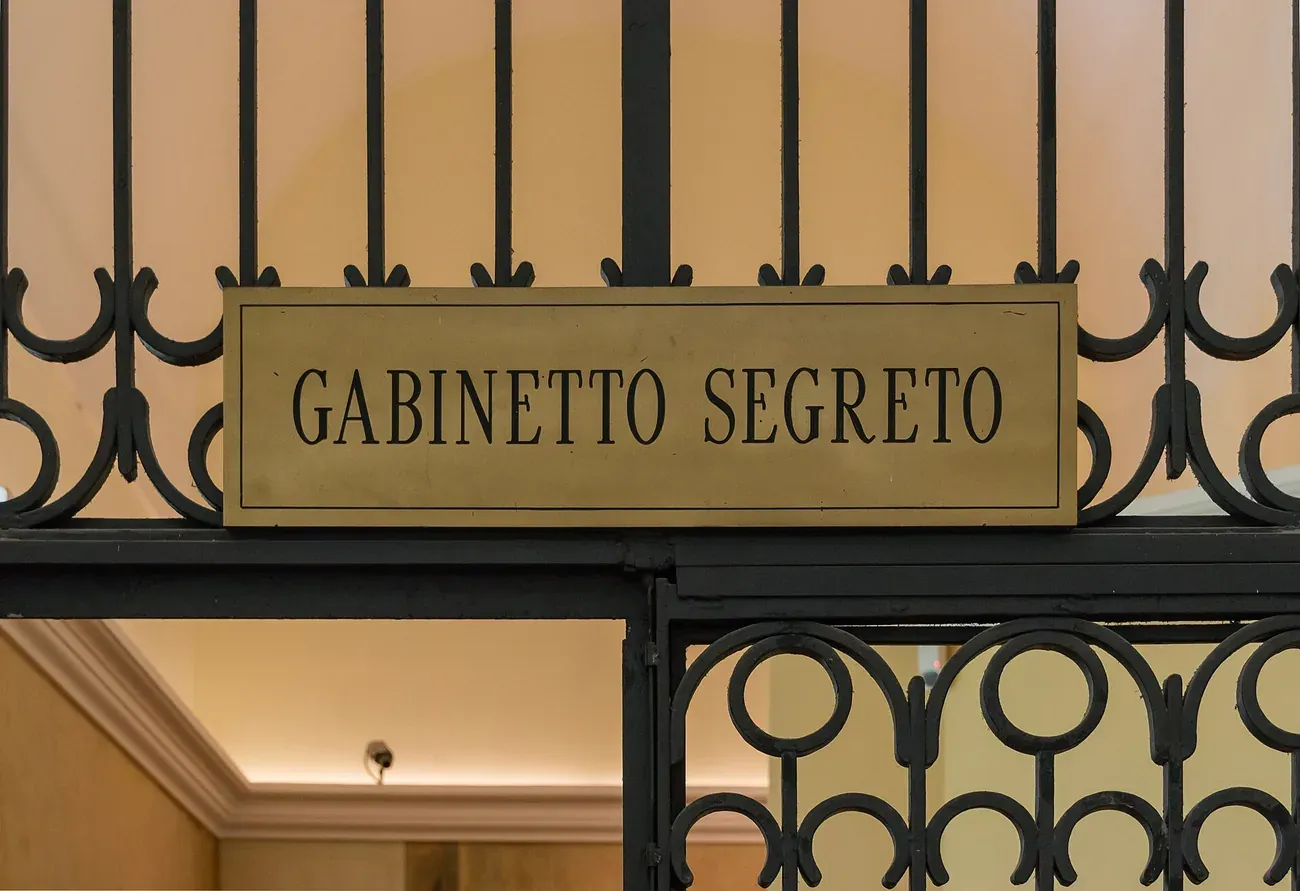
Gabinetto Segreto
The Secret Cabinet gathers the erotic frescoes, mosaics and objects excavated at Pompeii and Herculaneum, long locked away from ordinary visitors.
Location: National Archaeological Museum, Piazza Museo
Photo: "Entrance of the Secret Cabinet, National Archaeological Museum of Naples" by Jebulon (CC0).
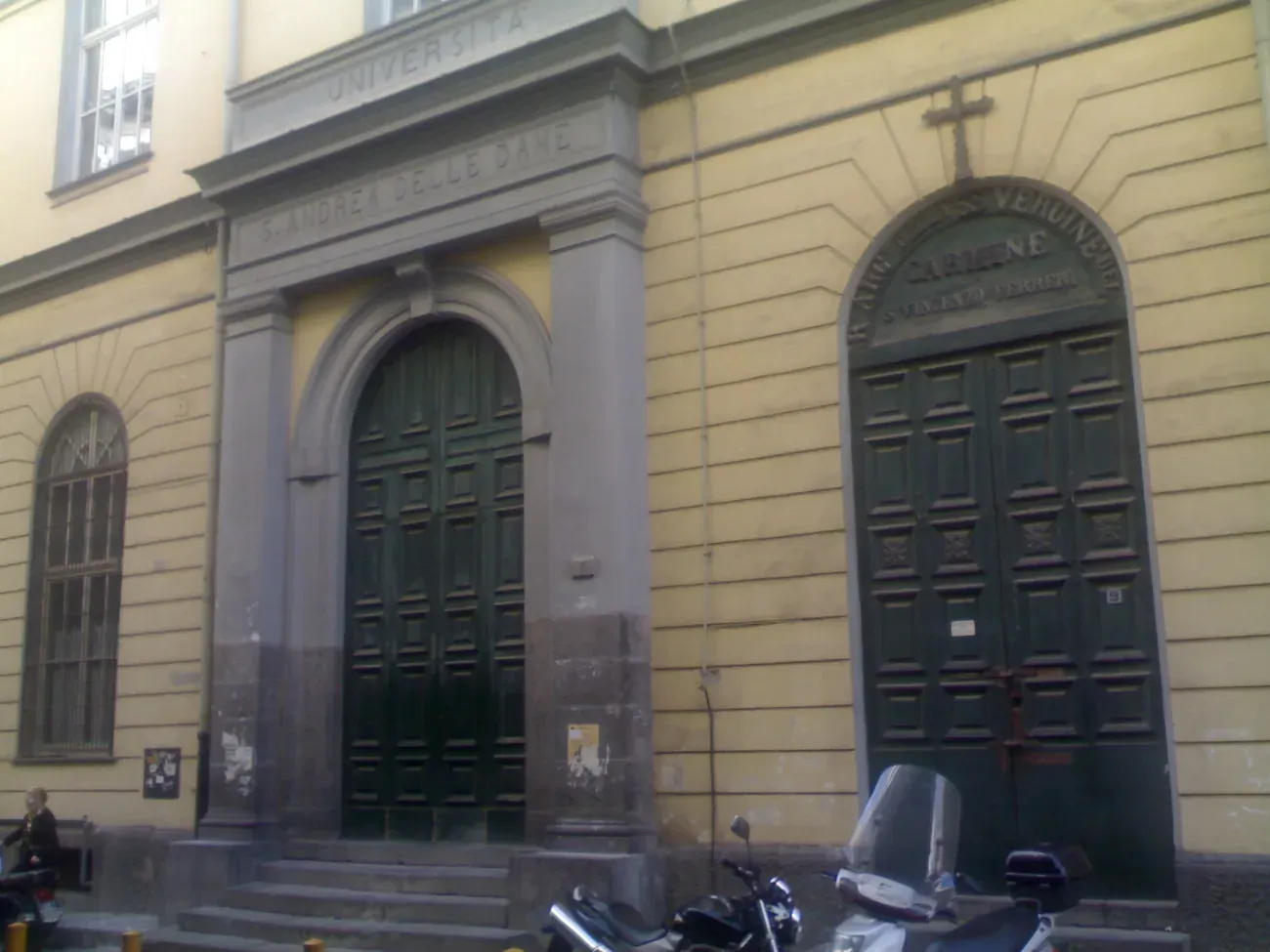
Anatomy Museum of the University of Campania Luigi Vanvitelli
A university teaching collection of preserved human specimens, skeletons and wax anatomical models, a morbidly fascinating trove opened by arrangement.
Location: University complex, Santa Maria di Costantinopoli
Photo: "Complesso di Sant'Andrea delle Dame" by Baku (CC BY-SA 3.0).
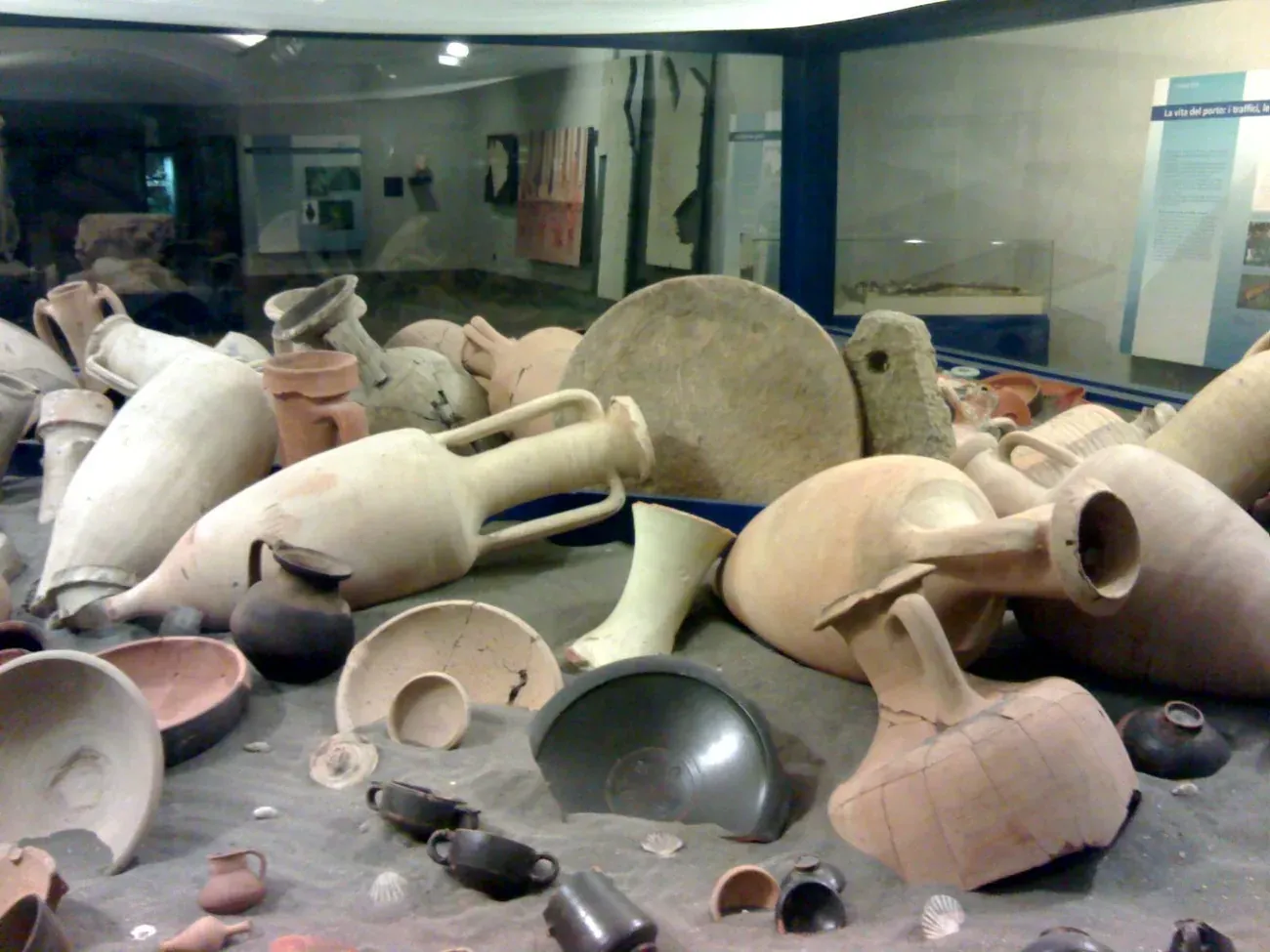
Stazione Neapolis
Inside the Museo metro stop, a branch of the Archaeological Museum displays Greek and Roman finds unearthed while digging the subway line.
Location: Museo station, Piazza Cavour
Photo: "Finds displayed at the Museo Stazione Neapolis" by IlSistemone (CC BY-SA 3.0).
Catacombs, crypts and dark legends of Naples
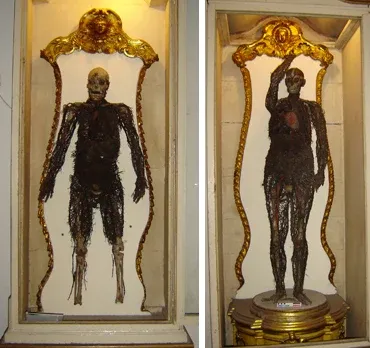
The Anatomical Machines of Cappella Sansevero
Two 18th-century skeletons wrapped in eerily lifelike blood vessels, made for the alchemist Prince of Sansevero and still not fully explained.
Location: Cappella Sansevero, Via Francesco de Sanctis
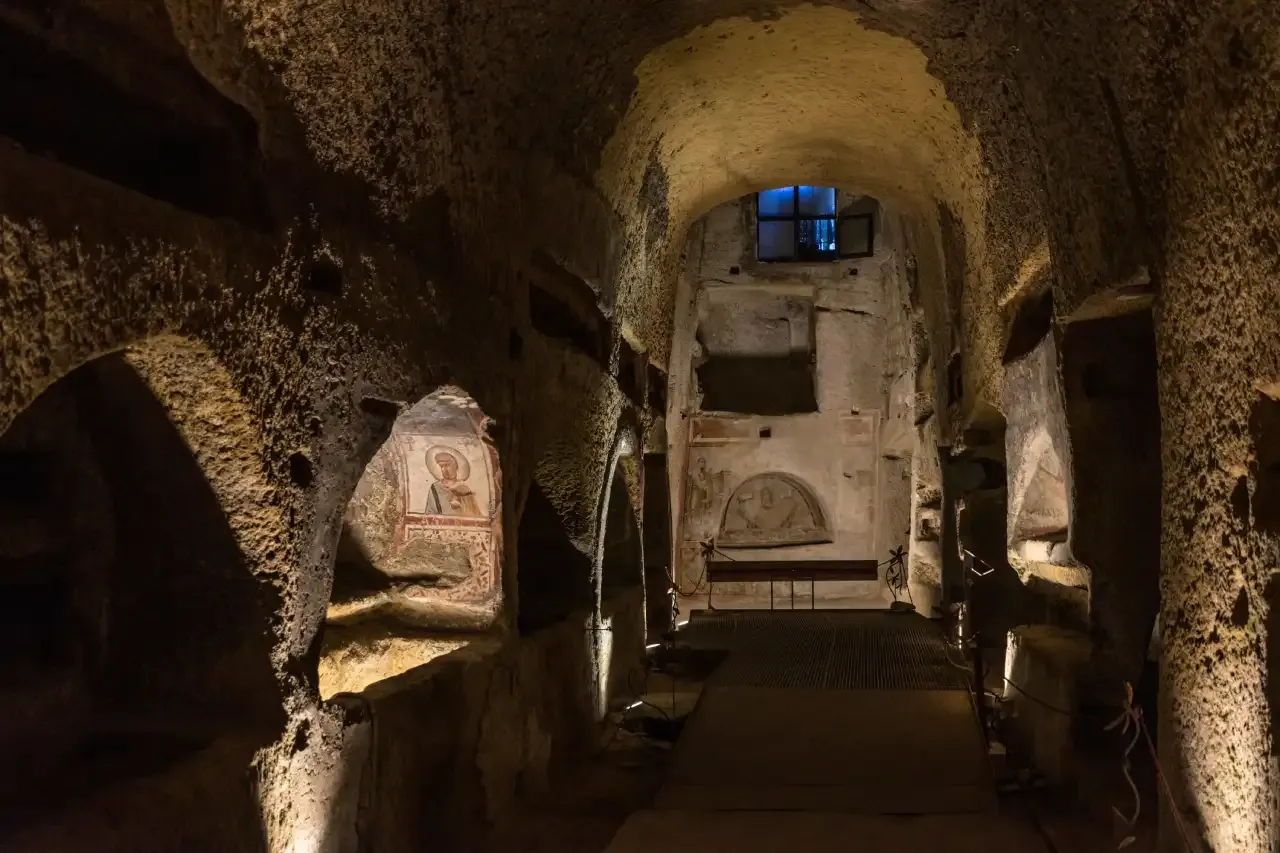
Catacombs of San Gennaro
The largest early-Christian catacombs in southern Italy, spread over two frescoed levels on the Capodimonte slope, once the resting place of San Gennaro.
Location: Via Capodimonte, Rione Sanità
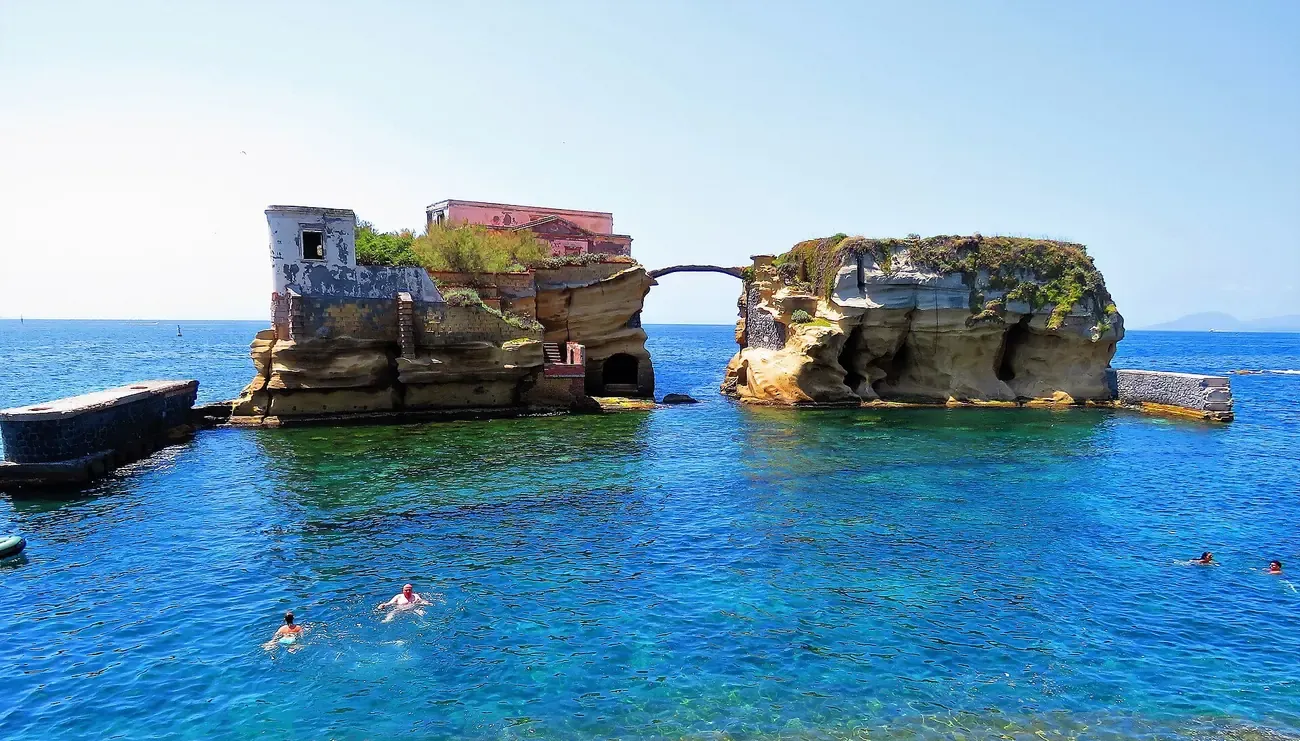
Gaiola Island
A tiny twin-rock islet off Posillipo, joined by a slender arch and wrapped in legends of misfortune, set in a protected marine park.
Location: Gaiola, Posillipo coast
Photo: "Isoletta della Gaiola (Napoli) 04" by Gianfranco Vitolo (CC BY 2.0).
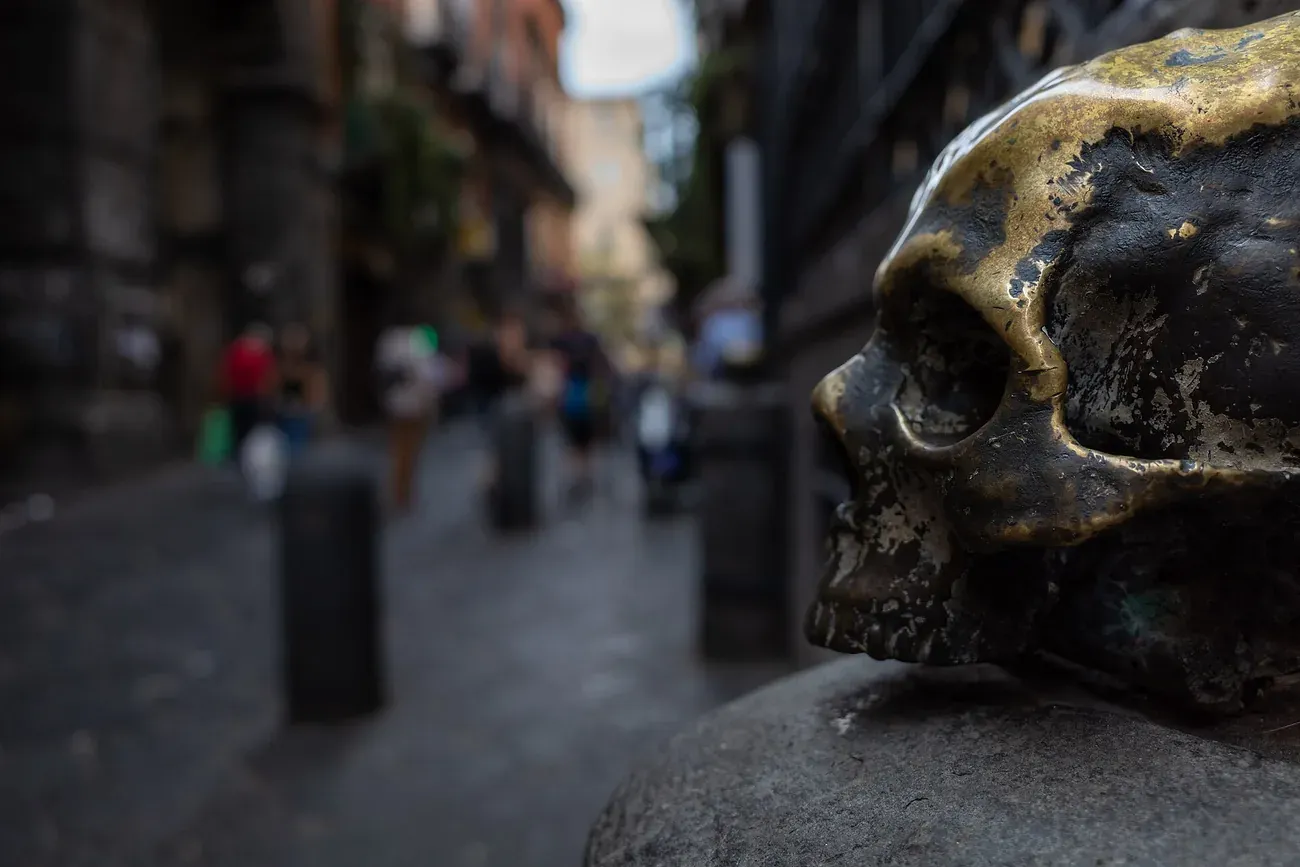
Santa Maria delle Anime del Purgatorio ad Arco
An intimate church of the Neapolitan Cult of the Dead, where devotees once adopted and tended anonymous skulls in its underground crypt.
Location: Via dei Tribunali, historic centre
Photo: "Bronze skull at the entrance of the Santa Maria delle Anime del Purgatorio ad Arco Church, Naples" by Jules Verne Times Two (CC BY-SA 4.0).
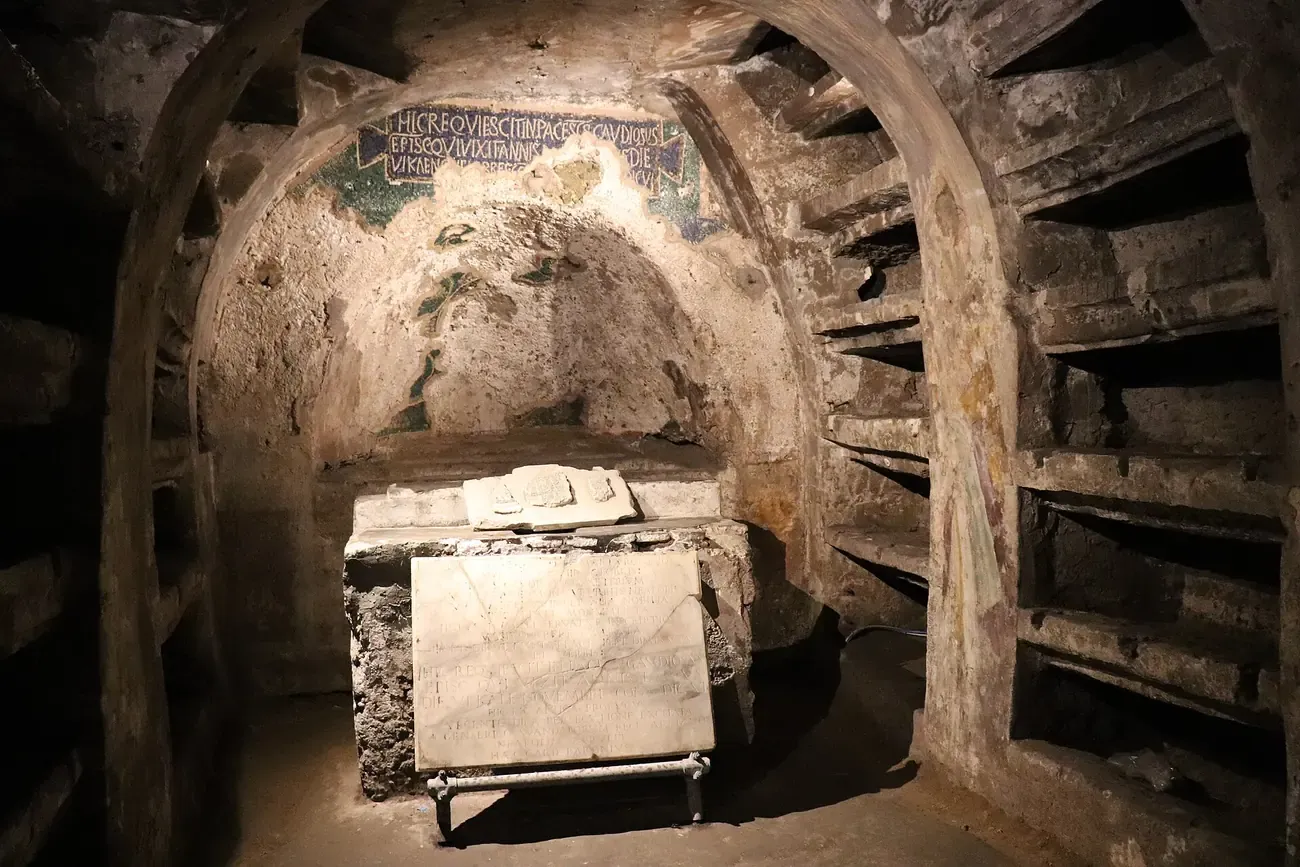
Catacombs of Saint Gaudiosus
Frescoed early-Christian catacombs beneath the Sanità church, named for a fifth-century African bishop and known for macabre skull-and-skeleton niches.
Location: Basilica di Santa Maria della Sanità
Photo: "Catacombe di San Gaudioso (Napoli) 02" by Fabien Bièvre-Perrin (CC BY-SA 4.0).
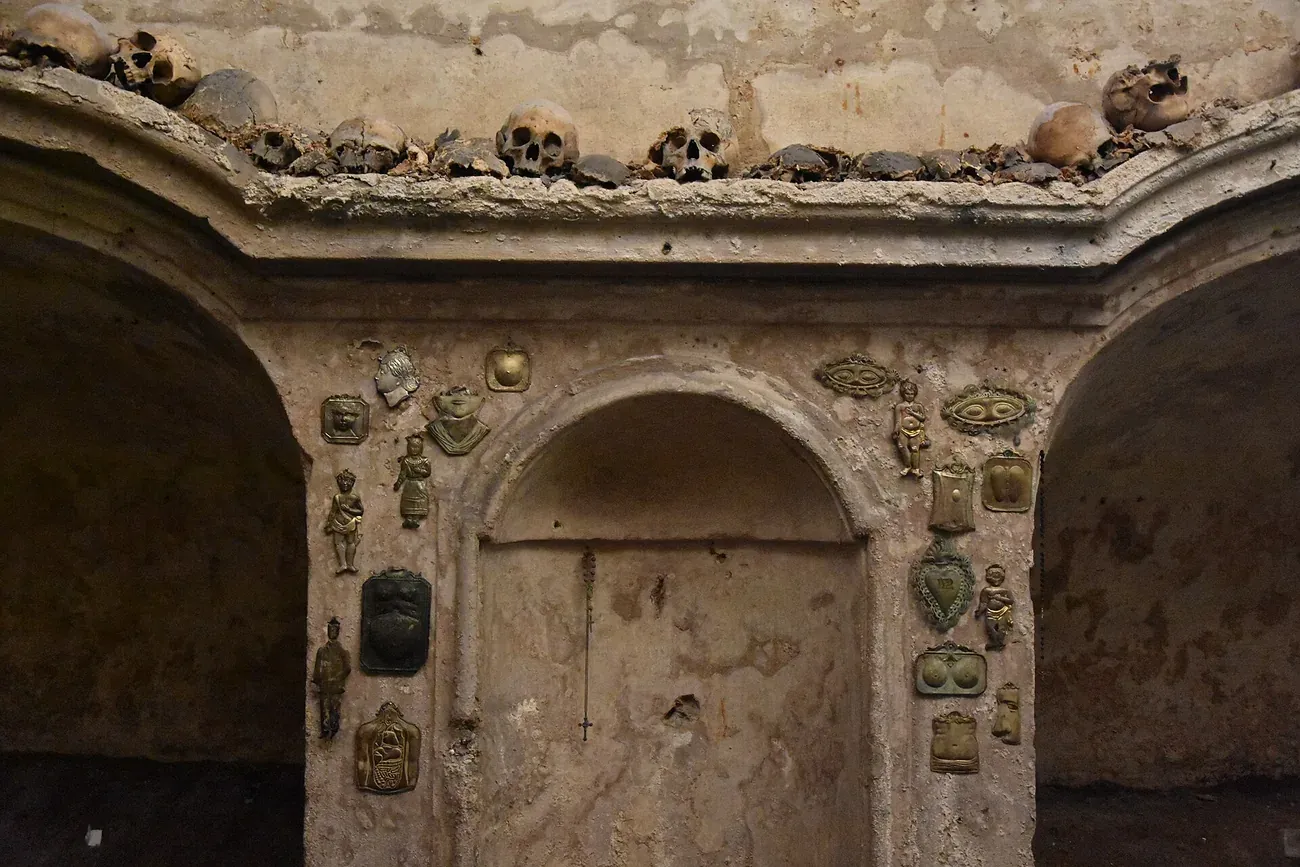
Church of Santa Luciella ai Librai
A tiny rediscovered church in the old bookbinders' quarter, famous for a skull with ears venerated by the Cult of the Dead.
Location: Via San Biagio dei Librai
Photo: "Napoli - Santa Luciella a San Biagio dei Librai" by Phyrexian (CC BY-SA 4.0).
Hidden corners of Naples history
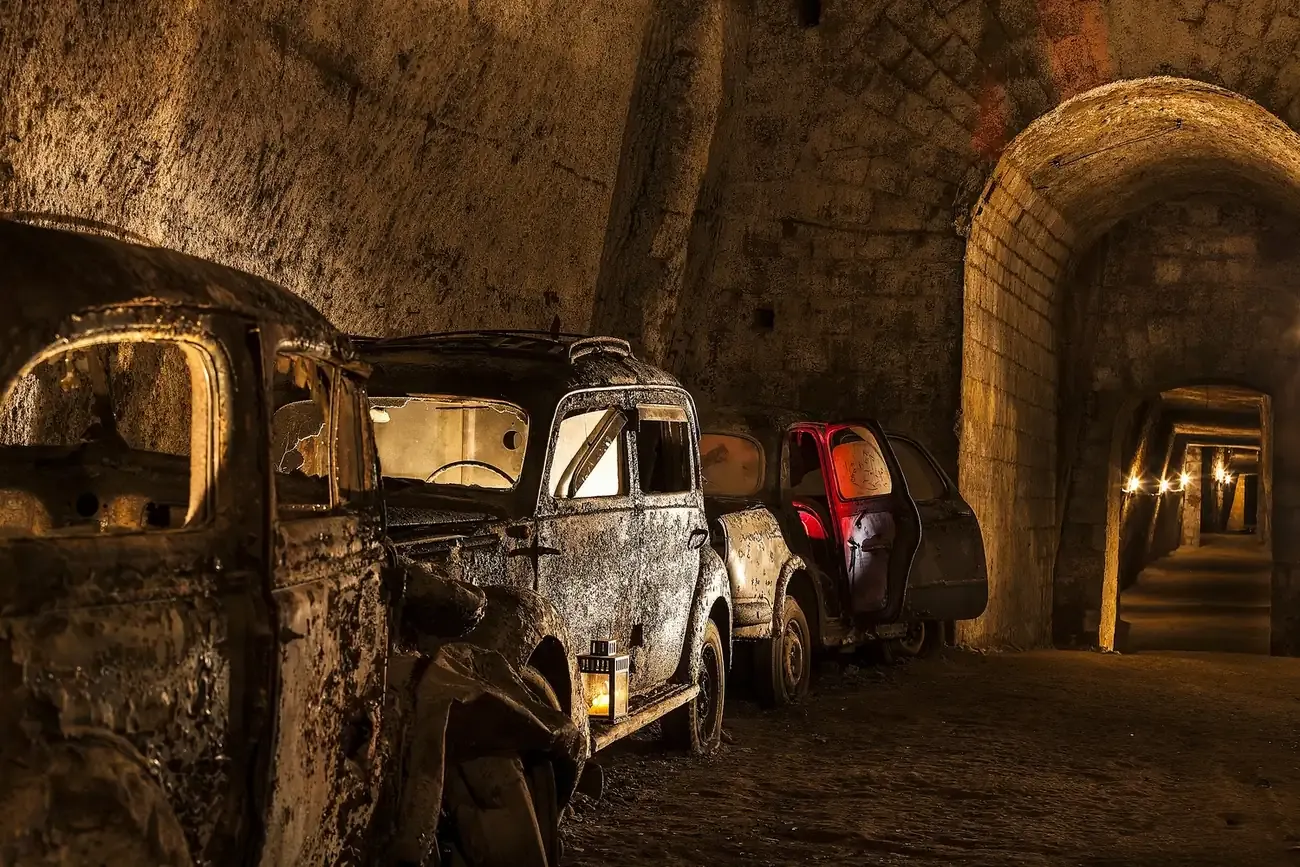
Bourbon Tunnel
A vast tunnel dug in 1853 as a royal escape route, later an air-raid shelter and impound lot, still full of rusting vintage cars.
Location: Vico del Grottone, near Piazza del Plebiscito
Photo: "Cars and tunnel in the Galleria Borbonica" by Associazione Culturale Borbonica Sotterranea (CC BY-SA 4.0).
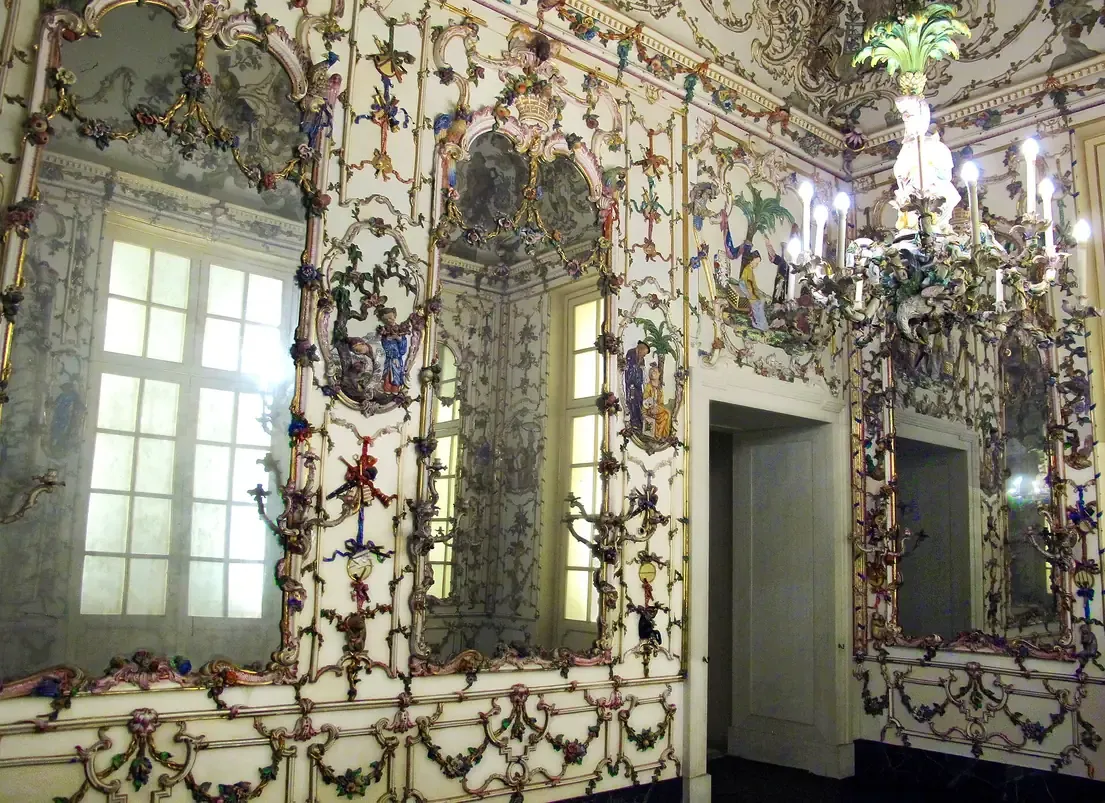
Porcelain Boudoir of Maria Amalia of Saxony
A room entirely sheathed in flowering Capodimonte porcelain, made for the Queen of Naples and now reassembled inside the Capodimonte museum.
Location: Museo di Capodimonte
Photo: "Porcelain room of Queen Maria Amalia at Capodimonte" by Sailko (CC BY-SA 3.0).

Cave of Dogs
A Grand Tour curiosity near Agnano where guides once used pooling carbon dioxide to stun dogs, showing off the cave's invisible deadly gas.
Location: Agnano, west of Naples
Image: "Grotta del Cane at Lake Agnano, early gouache view" by Unknown author (Public domain).
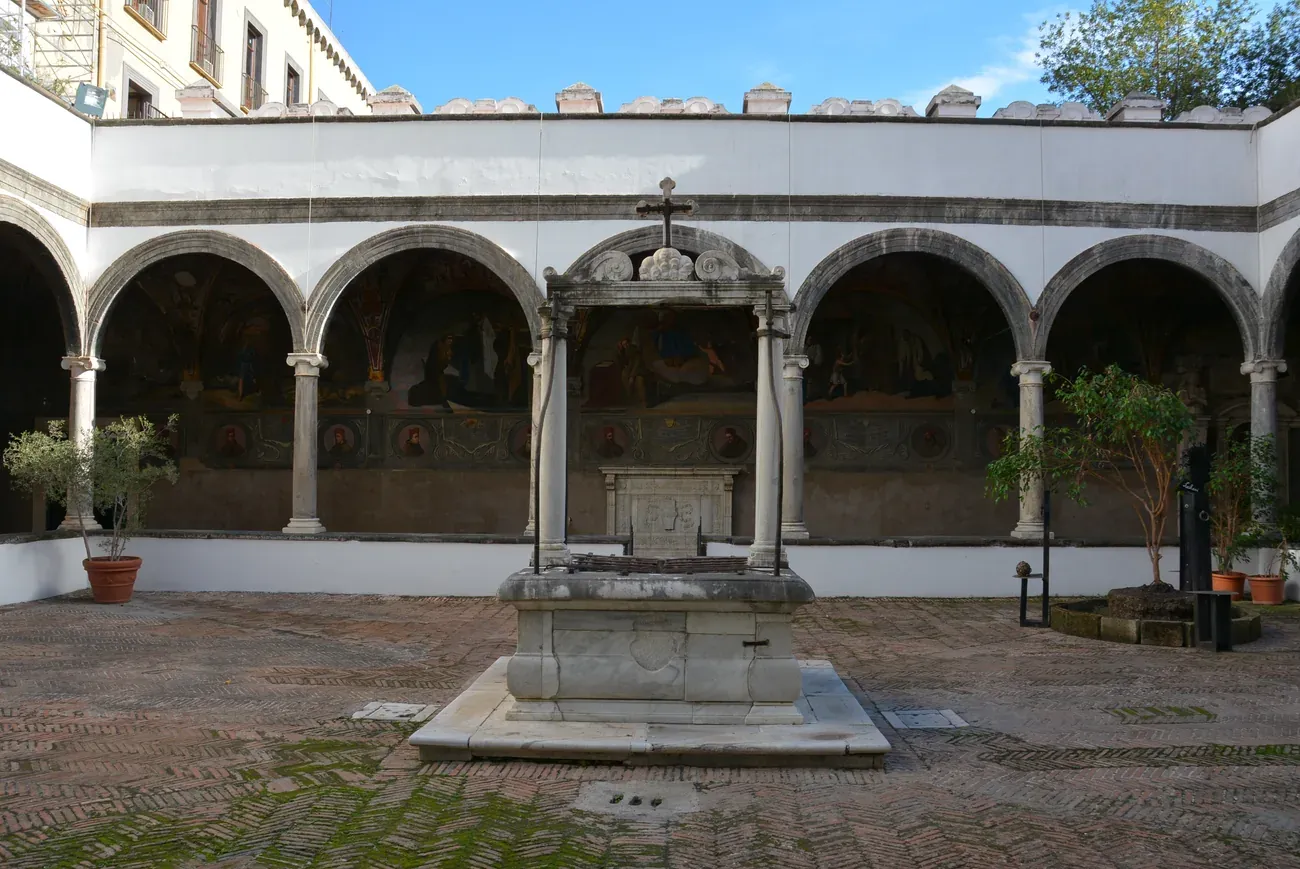
Church of Santa Maria la Nova
A 13th-century church whose cloister holds a tomb some researchers claim belongs to Vlad the Impaler, the historical model for Dracula.
Location: Largo Santa Maria la Nova
Photo: "Small cloister of Santa Maria la Nova" by Mentnafunangann (CC BY-SA 4.0).
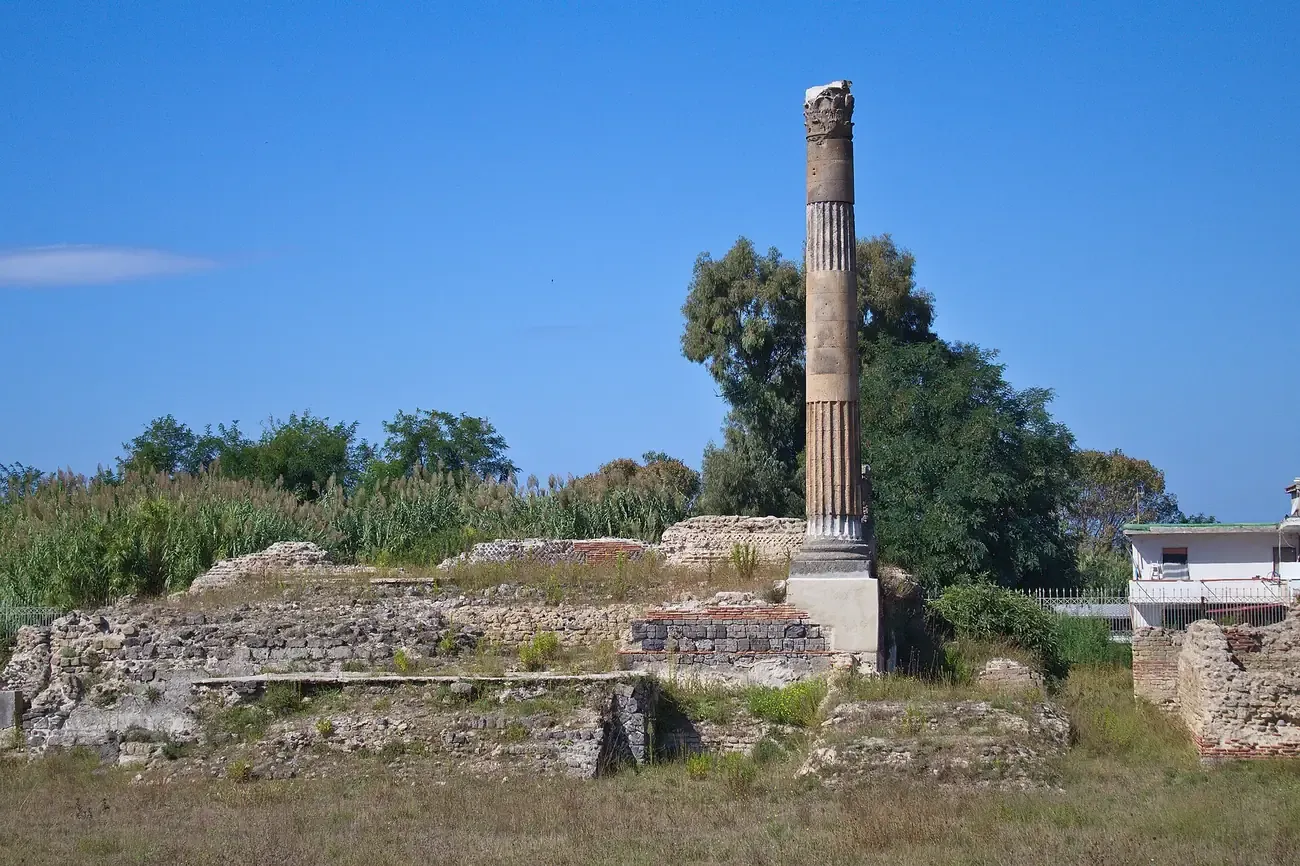
Ruins of Liternum
The sparse remains of a Roman colony founded in 194 BC by Lake Patria, where the general Scipio Africanus spent his final years.
Location: Lago Patria, northwest of Naples
Photo: "Main remains of Liternum" by PhotoNp (CC BY-SA 4.0).
Sacred relics and church secrets in Naples
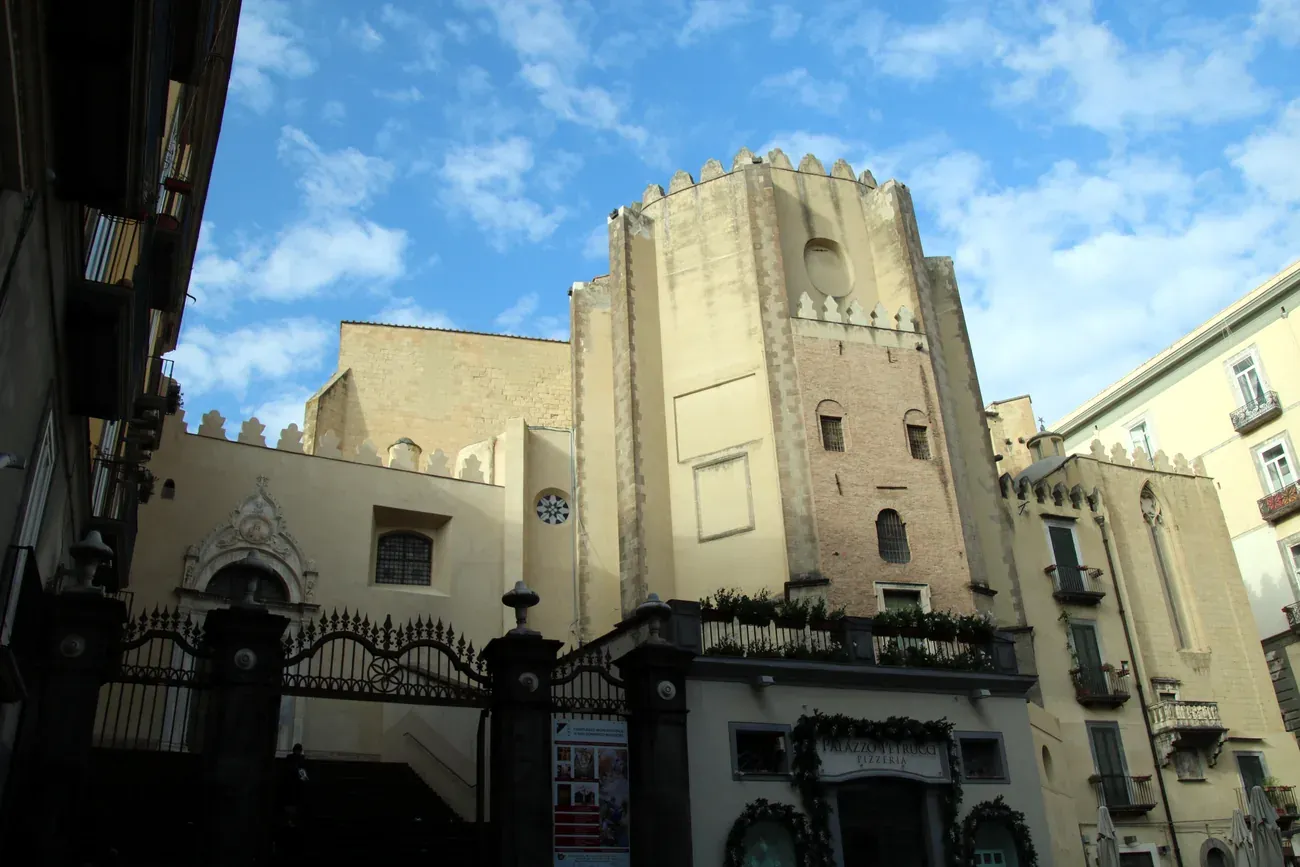
The Arm of St. Thomas Aquinas
The preserved left arm of the theologian Thomas Aquinas, kept in the relics chamber of the fortress-like basilica of San Domenico Maggiore.
Location: San Domenico Maggiore, Spaccanapoli
Photo: "Basilica di San Domenico Maggiore, external apse" by Mongolo1984 (CC BY-SA 4.0).
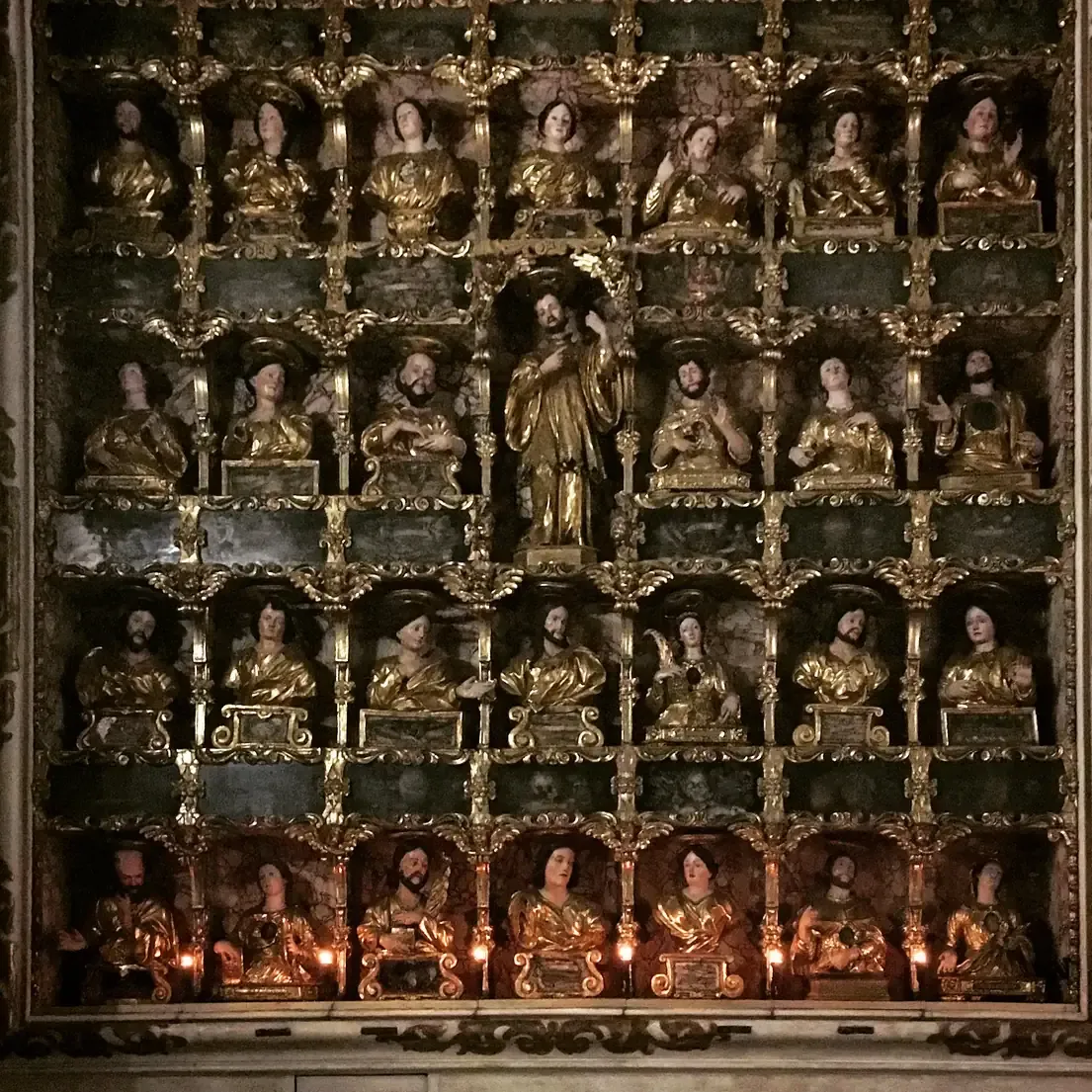
Lipsanothecae of the Chapel of Saint Francesco de Geronimo
Ornate reliquary cases displayed in the lavish Jesuit church of Gesù Nuovo, set behind its distinctive facade of diamond-cut stone.
Location: Piazza del Gesù Nuovo
Photo: "Lipsanothecae by Giovan Domenico Vinaccia, Chapel of San Francesco De Geronimo, Gesu Nuovo" by Enzo Rippa (CC BY-SA 4.0).
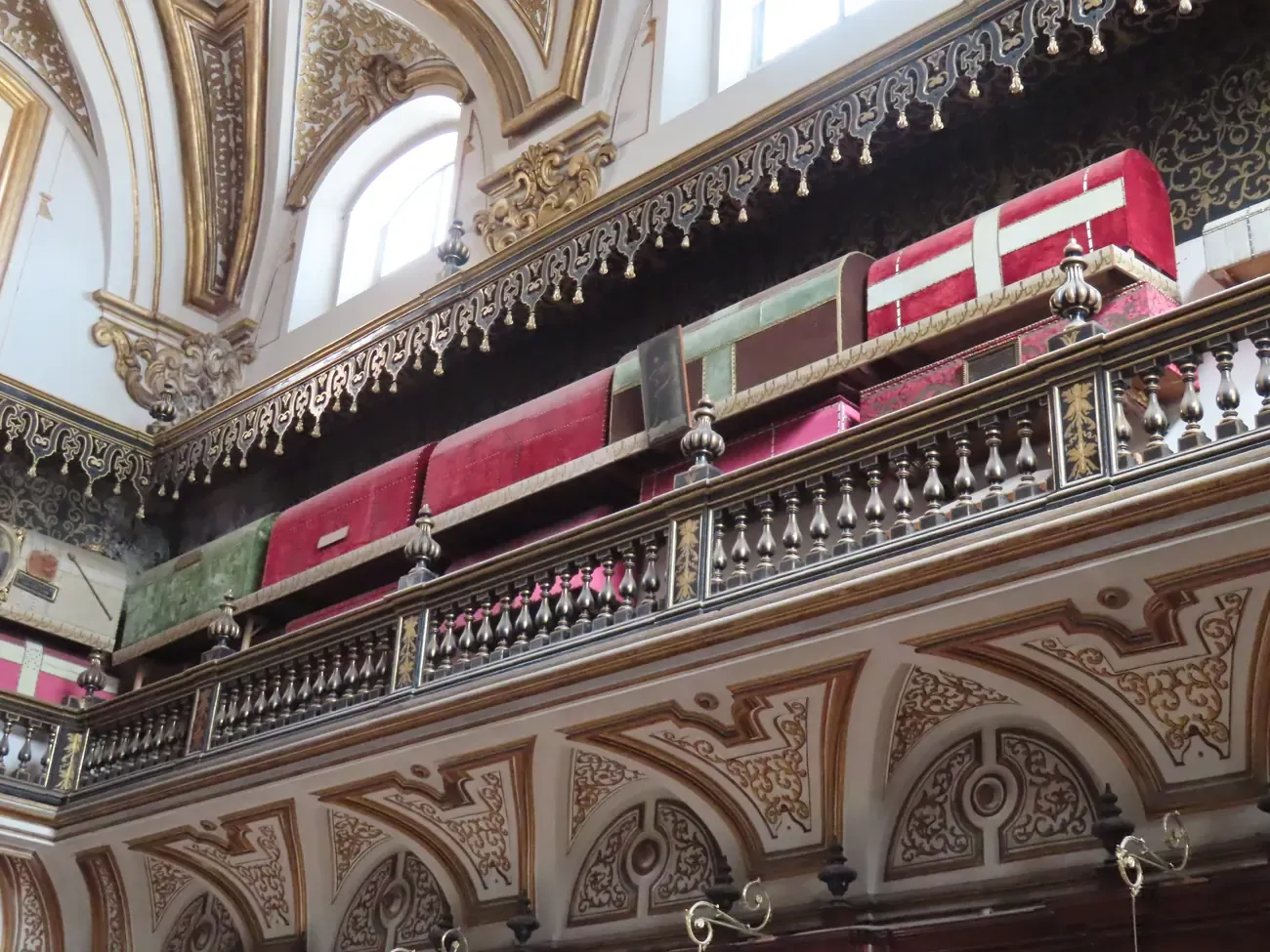
Sacristy of San Domenico Maggiore
A Baroque sacristy whose high balcony carries forty-two coffins of Aragonese princes and Neapolitan nobles above the visitors below.
Location: San Domenico Maggiore, Spaccanapoli
Photo: "Sacristy of San Domenico Maggiore" by Superchilum (CC BY-SA 4.0).
Lesser-known things to do in Naples
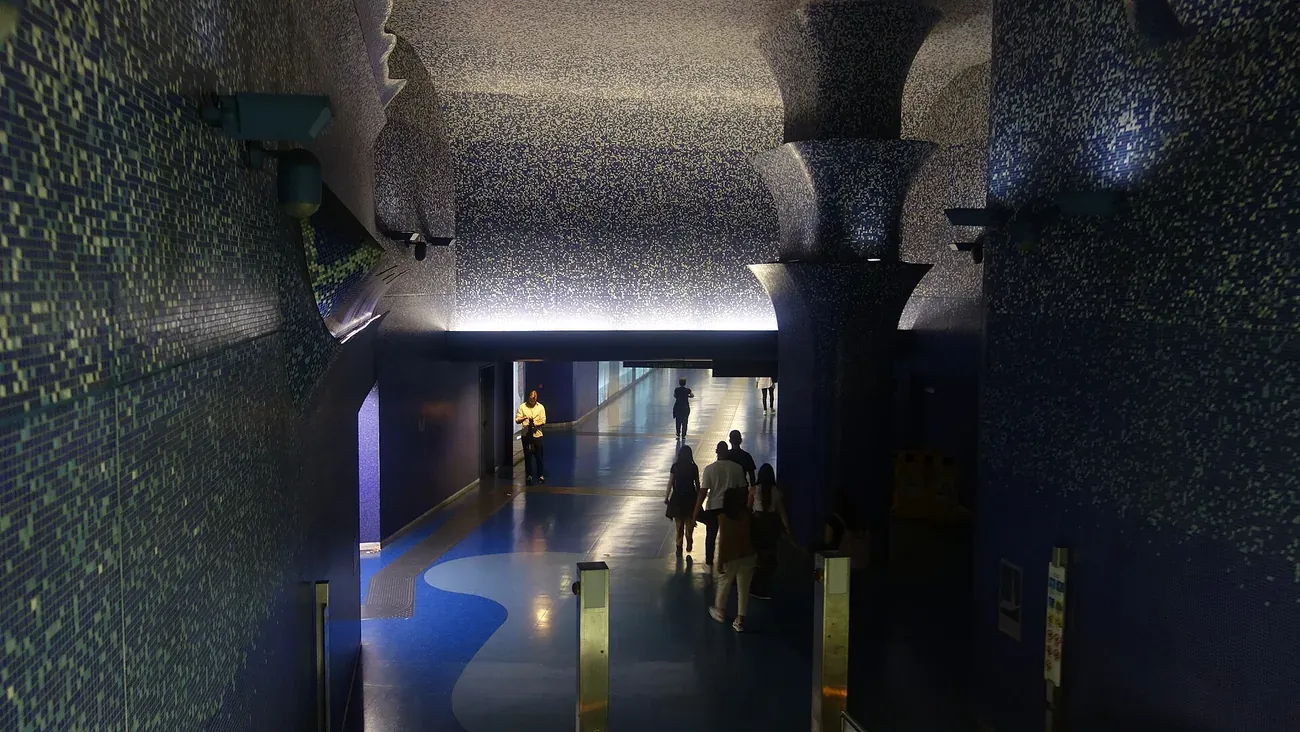
Toledo Art Station
Often called Europe's most beautiful metro stop, Toledo station plunges underground beneath a swirling deep-blue mosaic ceiling and a shaft of light.
Location: Toledo station, Via Toledo
Photo: "Toledo Station mezzanine" by Mint0ri (CC0).

Via dei Presepi
This narrow lane is packed the year round with workshops making presepe, the traditional Neapolitan nativity figures, from shepherds to footballers.
Location: Via San Gregorio Armeno, historic centre
Photo: "La via dei pastori - particolare di un banco" by Raffaella from Napoli (CC BY-SA 2.0).
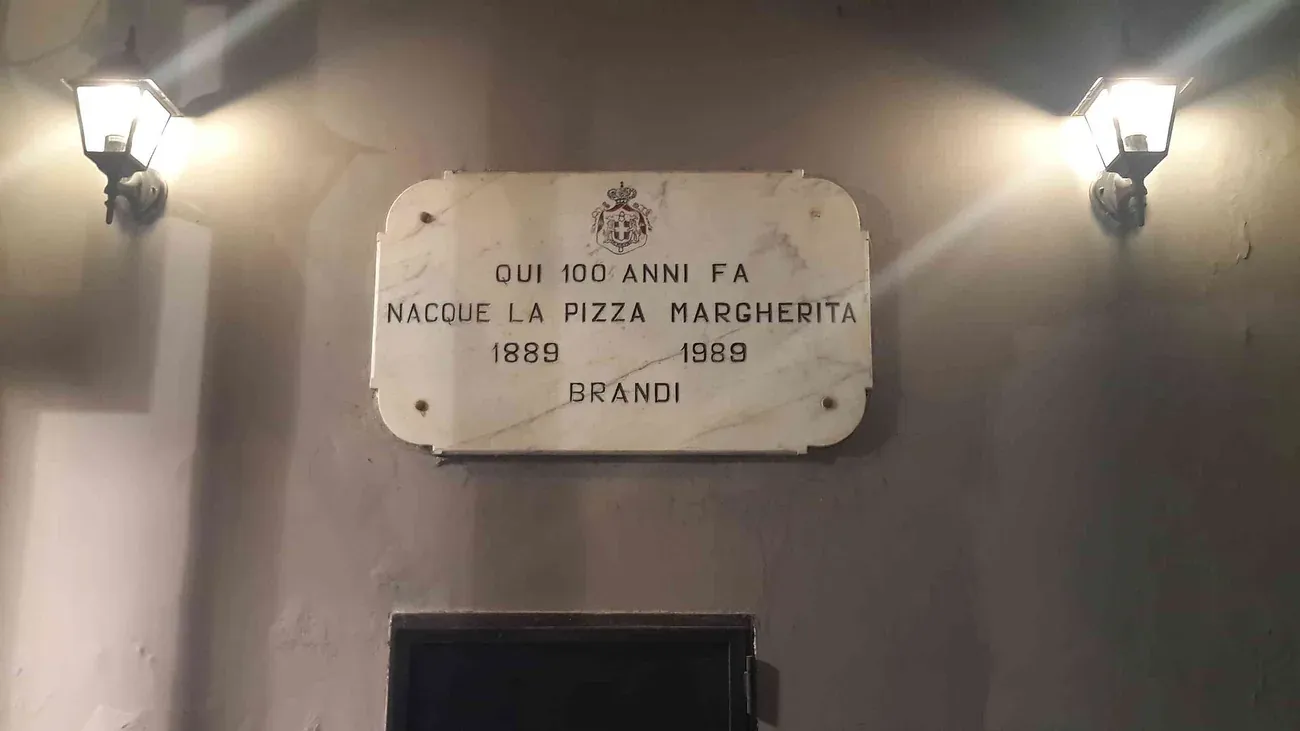
Birthplace of the Pizza Margherita Plaque
A plaque marks where, by legend, chef Raffaele Esposito created the pizza Margherita in 1889 in honour of the visiting queen.
Location: Pizzeria Brandi, Salita Sant'Anna di Palazzo
Photo: "Plaque marking the invention of the pizza Margherita at Pizzeria Brandi" by Alessandro57 (CC BY-SA 4.0).
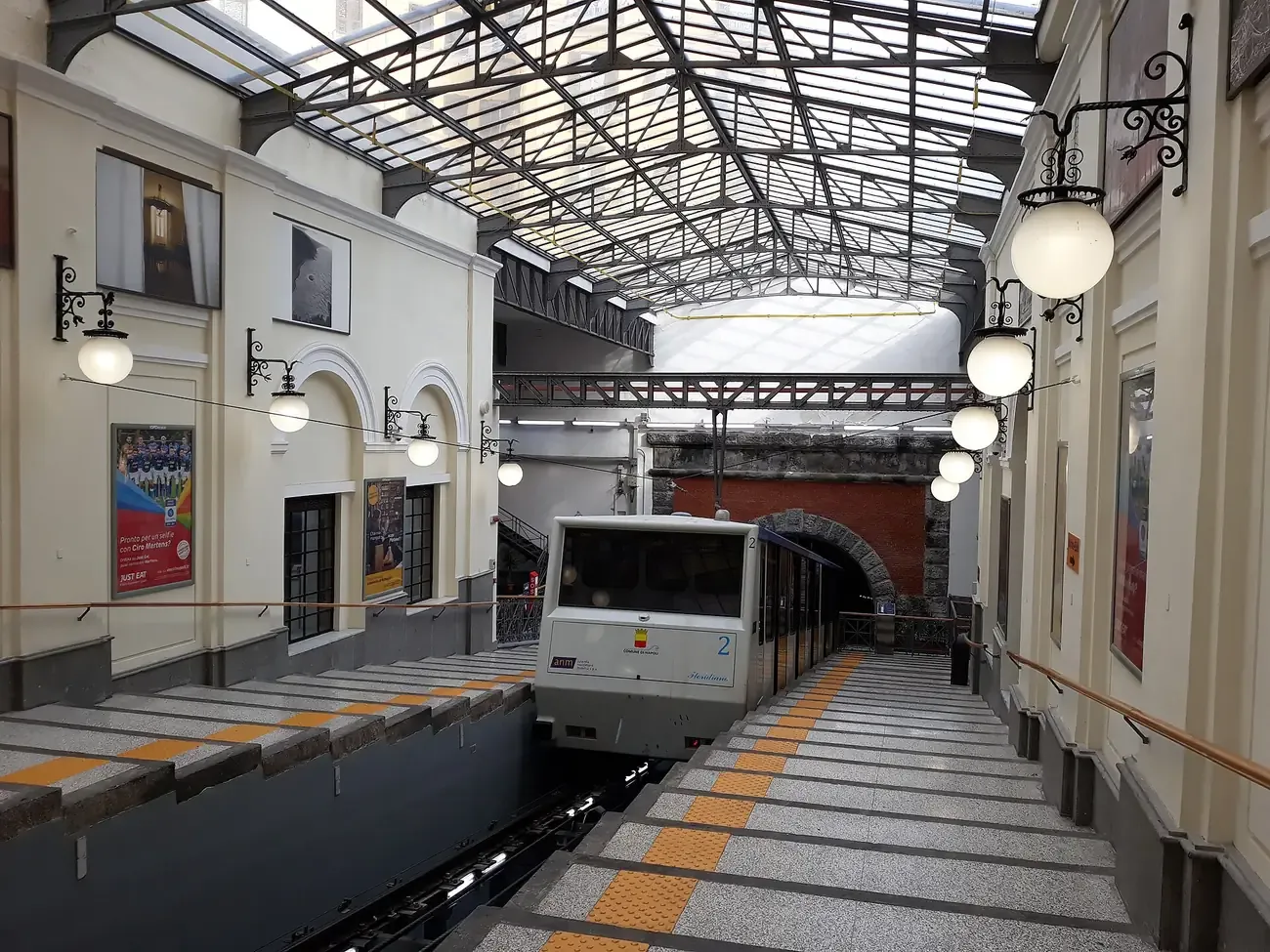
Funicolare Centrale
Opened in 1928, one of the world's busiest funiculars still climbs from the shopping streets up to the Vomero hill above the city.
Location: Via Toledo to Vomero
Photo: "Piazza Fuga funicular station, Naples" by Simon Burchell (CC BY-SA 4.0).
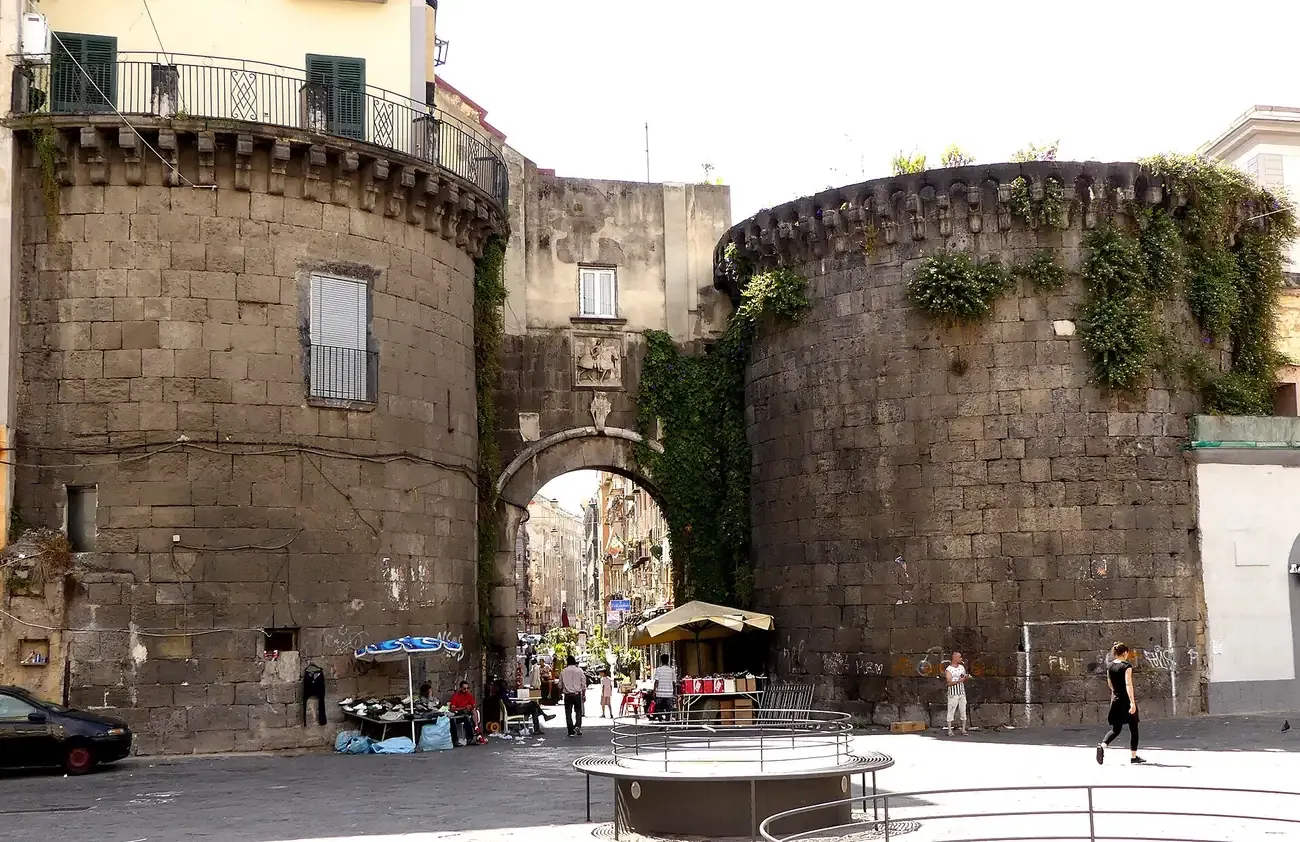
Porta Nolana
A pair of stout round towers survives from this 15th-century city gate, now standing over a lively street market near the station.
Location: Piazza Nolana, near Napoli Centrale
Photo: "Porta Nolana, Napoli" by Sergioizzo (CC BY-SA 4.0).
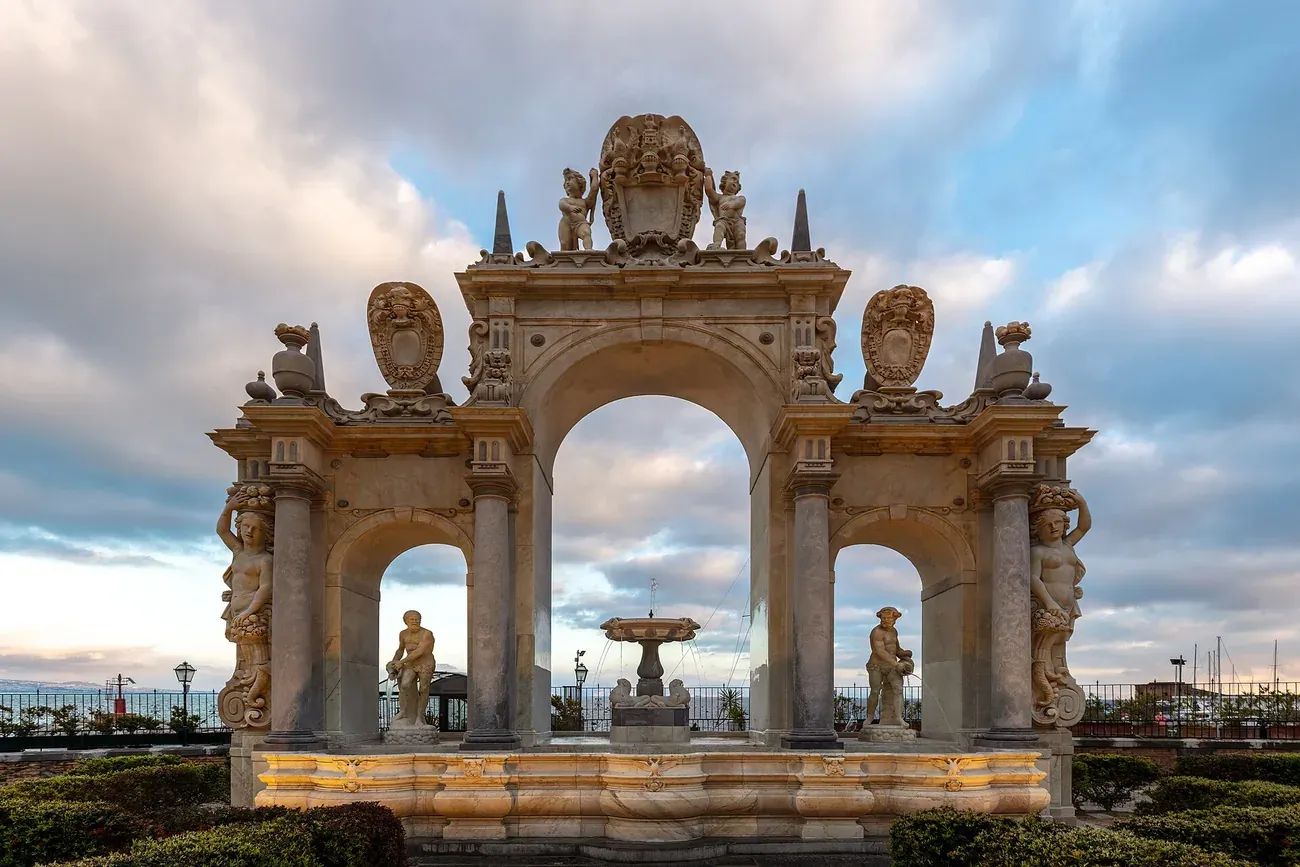
Fontana del Gigante
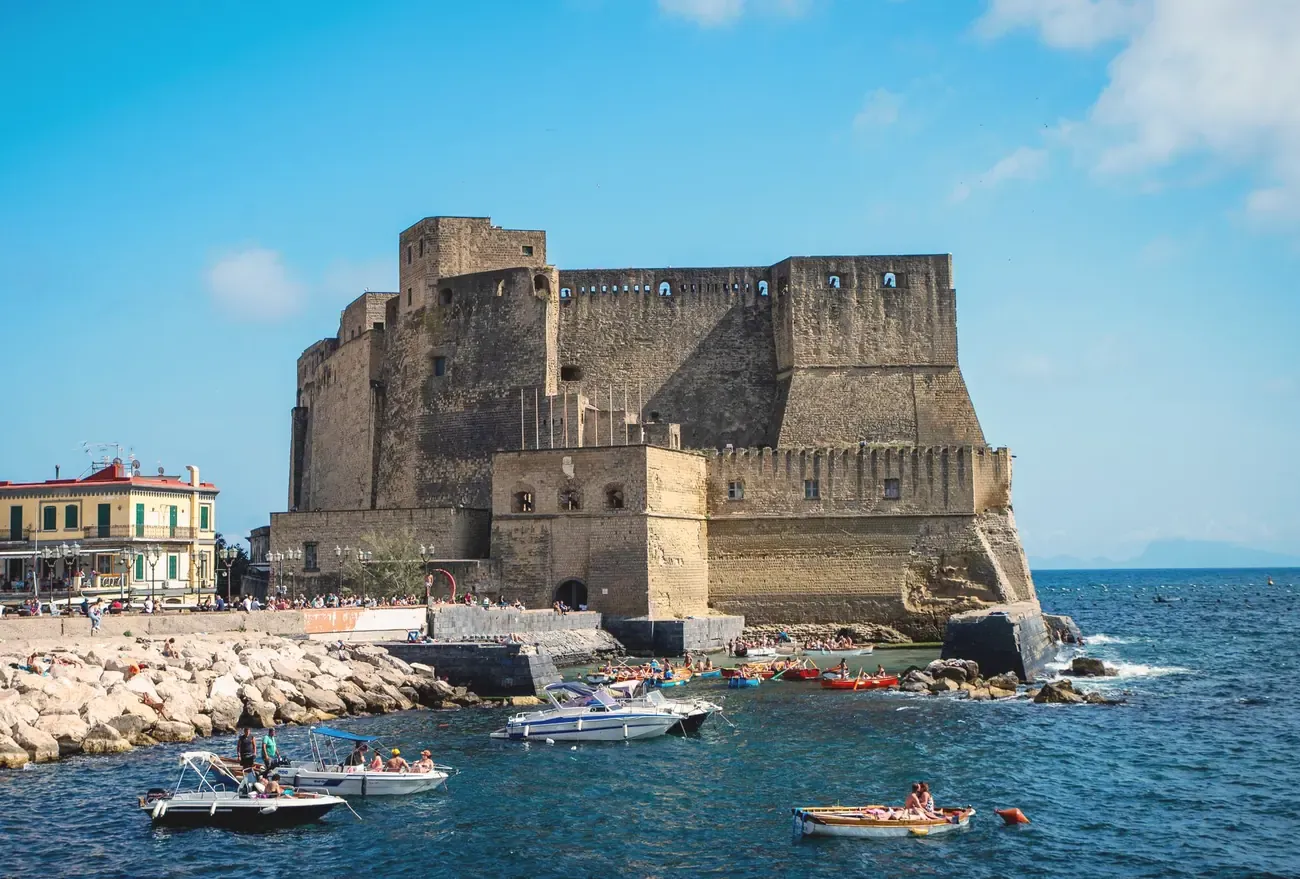
A monumental 17th-century Mannerist fountain of three arches, set on the seafront near Castel dell'Ovo after moving around the city for centuries.
Location: Via Partenope, seafront
Photo: "Fontana del Gigante, Naples" by Diego Delso (CC BY-SA 4.0).
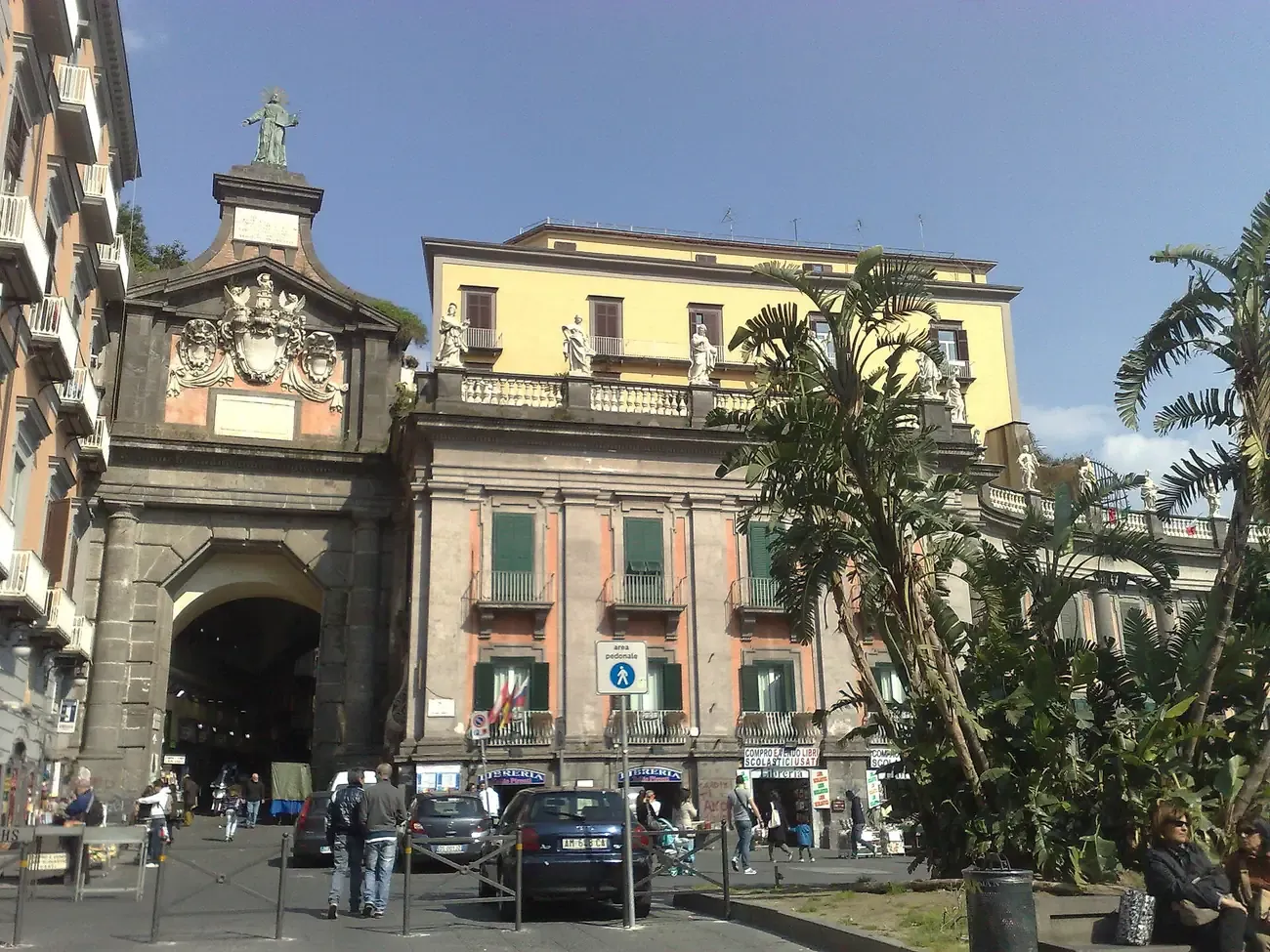
Via Port'Alba
A gate of 1625 opens onto an atmospheric alley lined with old secondhand bookshops, linking Piazza Bellini and Piazza Dante.
Location: Via Port'Alba
Photo: "Port'Alba, Naples" by IlSistemone (CC BY-SA 3.0).
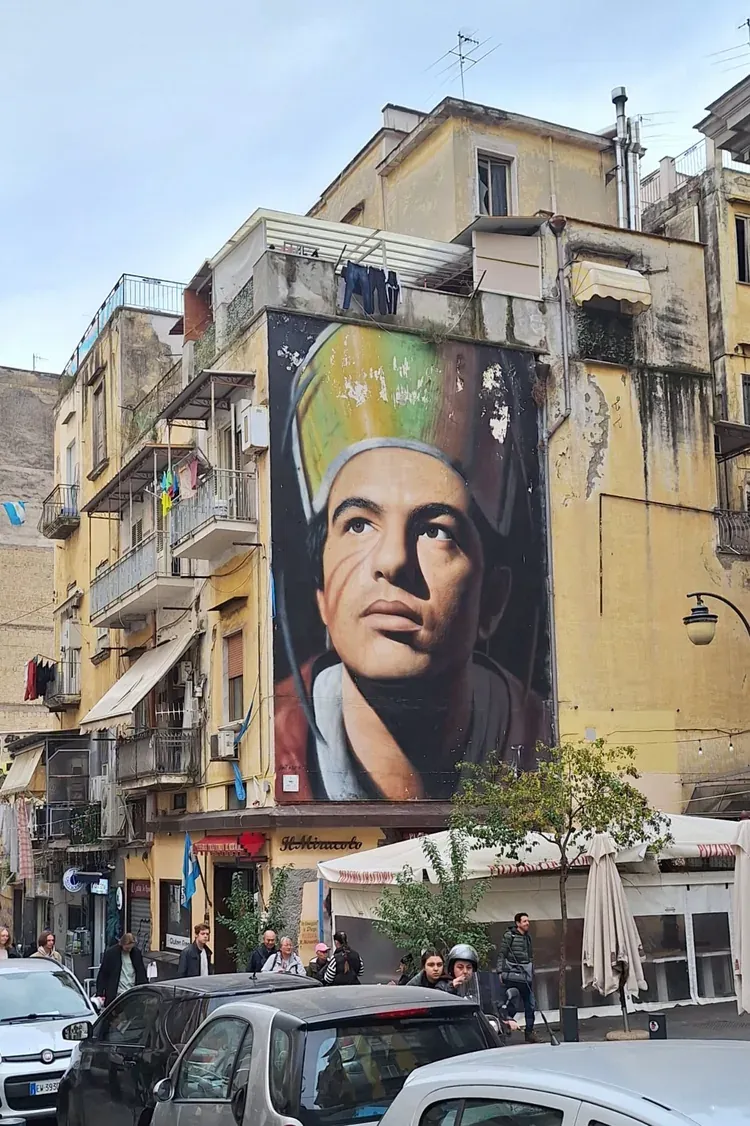
San Gennaro Mural
A towering portrait of the city's patron saint, painted in 2015 by the Neapolitan street artist Jorit in the Forcella district.
Location: Forcella
Photo: "Graffiti in Naples, San Gennaro" by Cruz.croce (CC0).
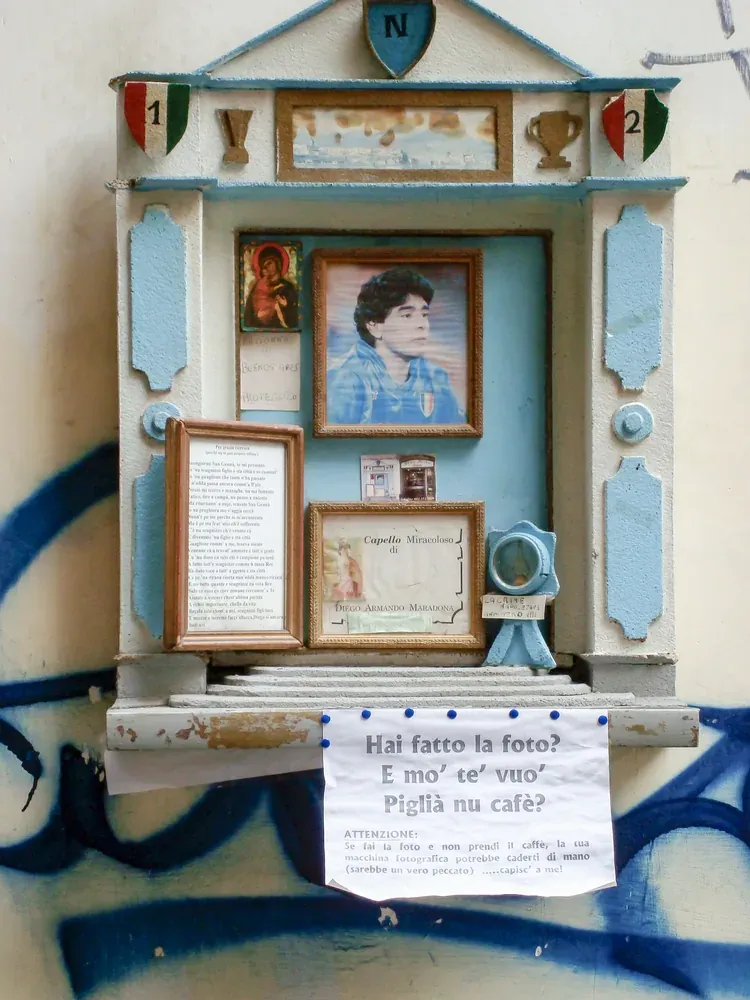
Bar Nilo
A neighbourhood bar keeps a tongue-in-cheek shrine to Diego Maradona, complete with a framed strand of the footballer's hair as a relic.
Location: Via San Biagio dei Librai, Spaccanapoli
Photo: "Maradona shrine with the miraculous hair relic, Largo Corpo di Napoli, Naples" by Cymbella (Public domain).
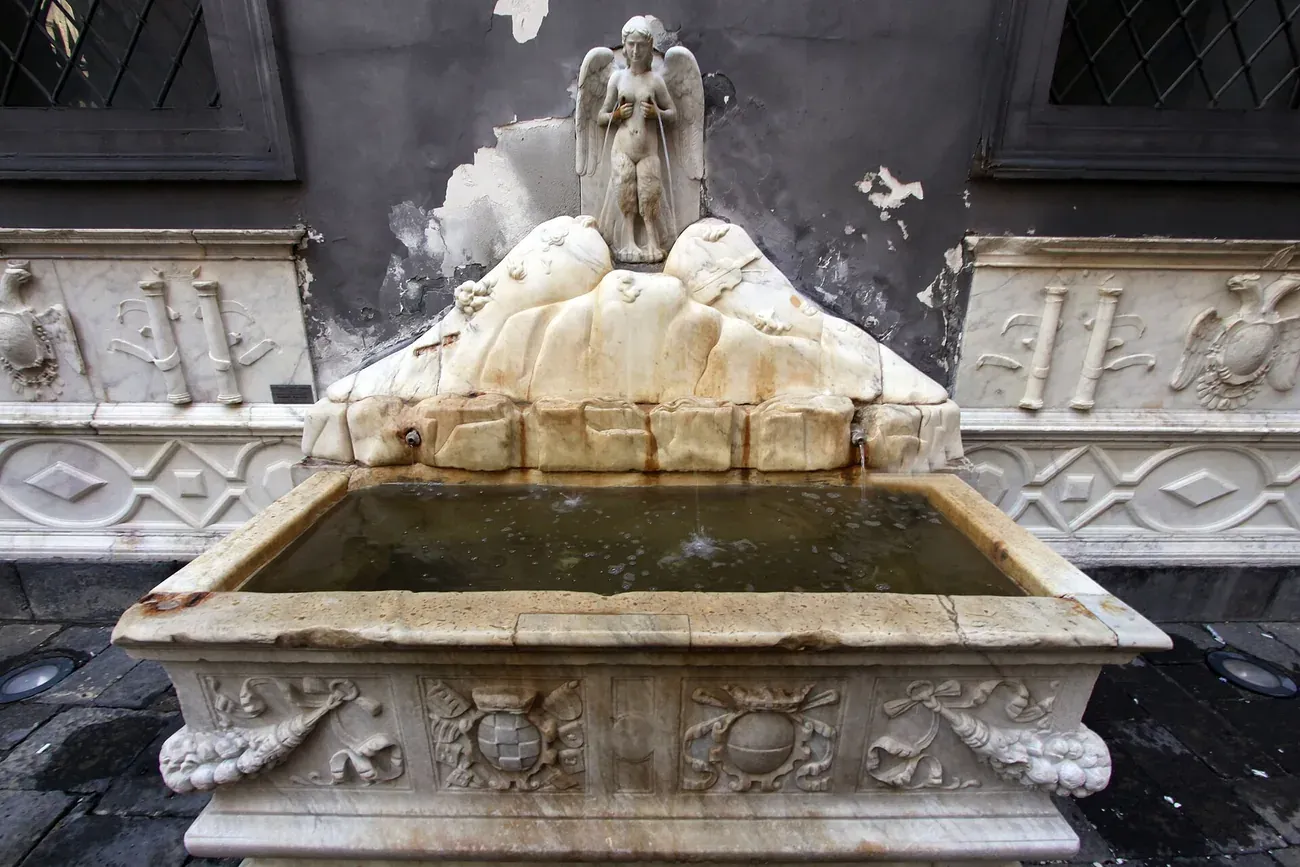
Fountain of the Spinacorona
A Renaissance fountain of the winged siren Parthenope, spouting water from her breasts, tucked beside a small church in the old town.
Location: Via Giuseppina Guacci Nobile
Photo: "Fontana della Spinacorona (Fountain of the Spinacorona), Naples" by Enzreporter (CC BY-SA 3.0).
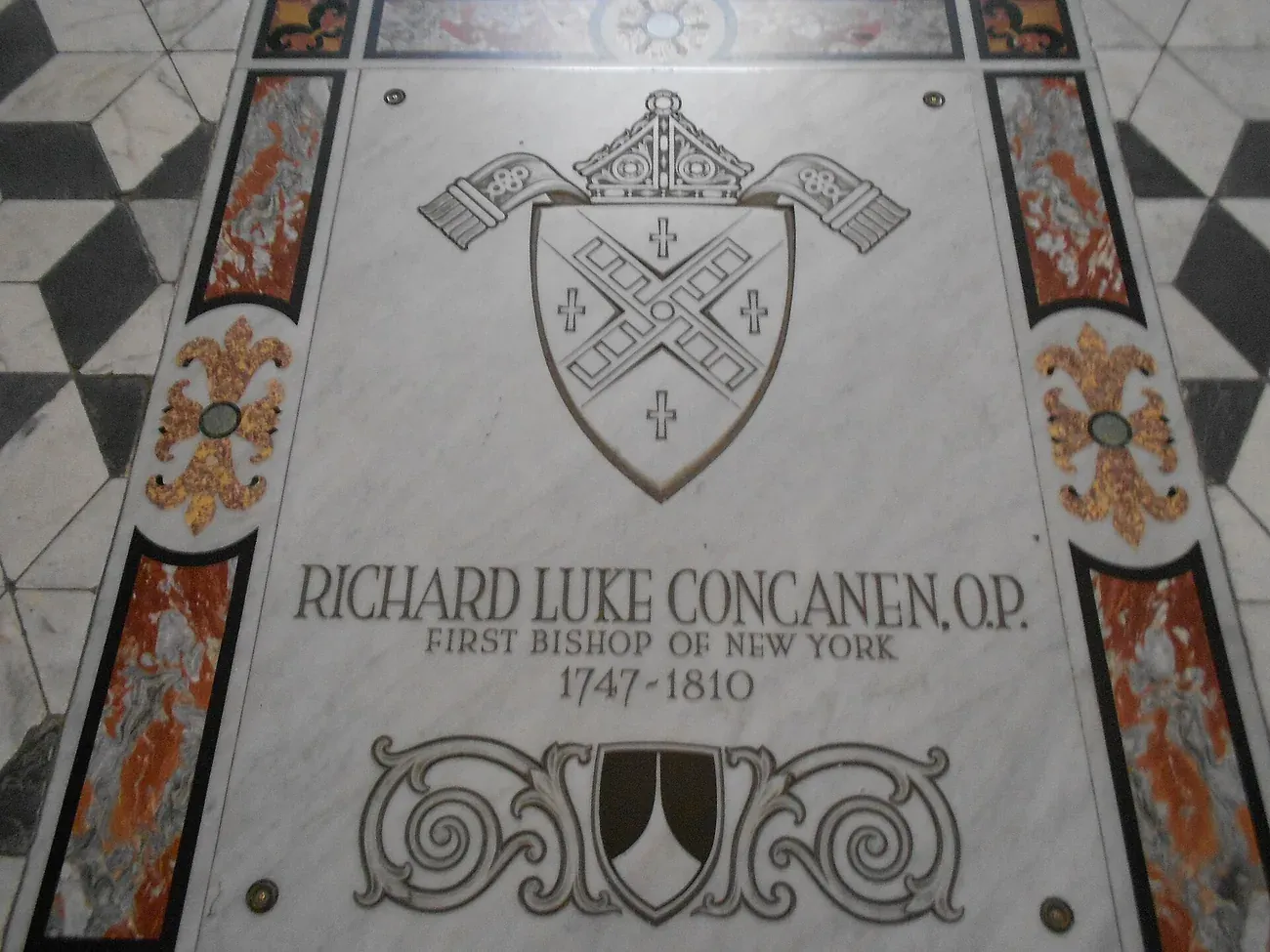
Tomb of the First Bishop of New York
The tomb of Richard Luke Concanen, the Irish Dominican named first bishop of New York, who died in Naples in 1810 before reaching his see.
Location: San Domenico Maggiore, Spaccanapoli
Photo: "Tomb of Richard Luke Concanen in San Domenico Maggiore, Naples" by Menelik (Public domain).
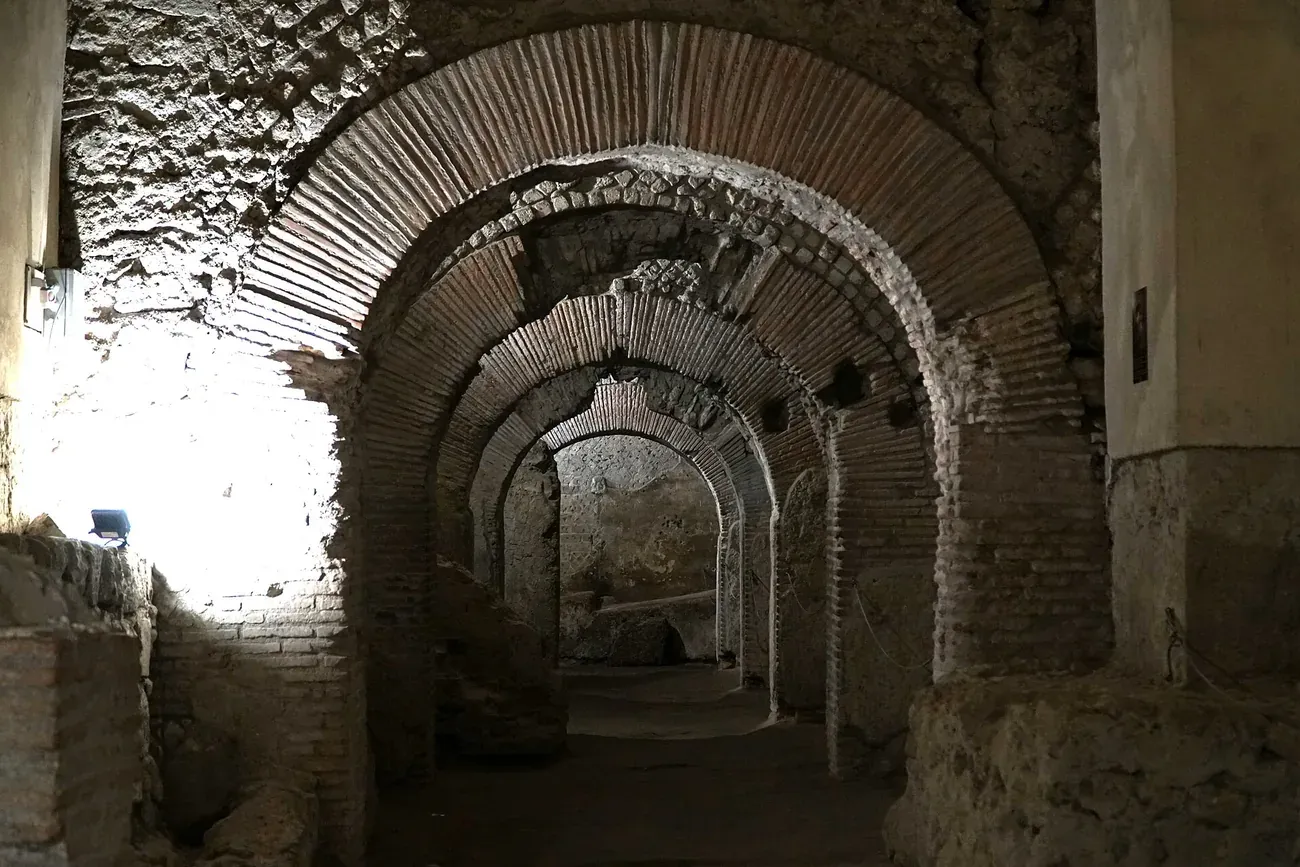
San Lorenzo Maggiore
A Gothic Franciscan basilica on the old decumano, with a Greco-Roman market and streets excavated and open beneath the church floor.
Location: Via dei Tribunali, historic centre
Photo: "San Lorenzo Maggiore archaeological area, Naples" by Adam Harangozó (CC BY-SA 4.0).
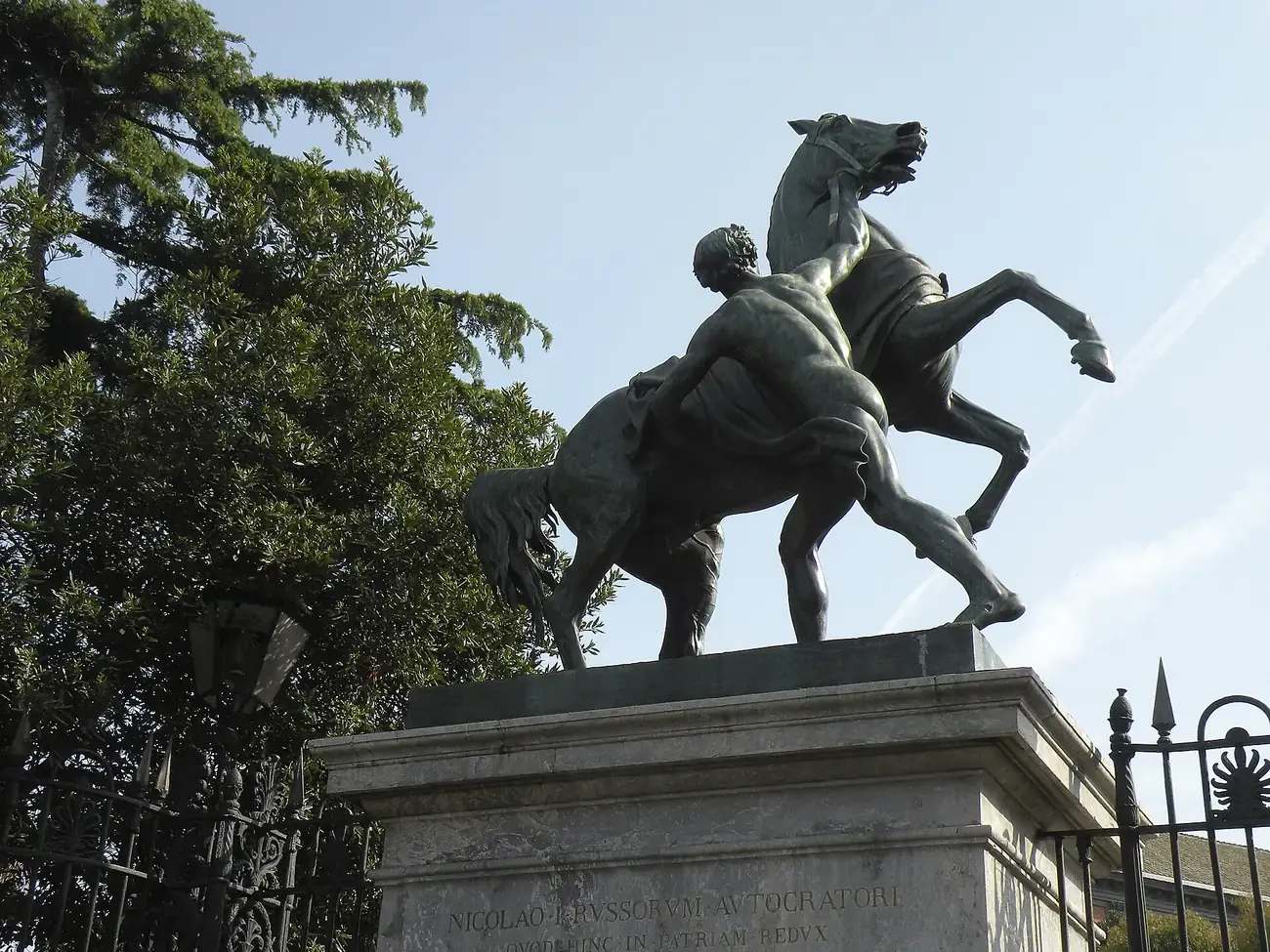
Cavalli di Bronzo
A pair of bronze horse-tamers on the palace gateposts, a gift from the Russian tsar and twins of the sculptures on a Saint Petersburg bridge.
Location: Piazza del Plebiscito, palace gates
Photo: "Klodt horse tamer group at the Palazzo Reale gates, Naples" by Vitold Muratov (CC BY-SA 3.0).
Why Naples deserves your time
Naples is older than Rome and wears its layers openly: Greek streets under Roman foundations, Angevin castles beside Baroque churches, all packed into one of the oldest historic centres in Europe, a UNESCO World Heritage site since 1995. It is also the birthplace of pizza, a city that treats its patron saint's blood as a civic barometer and keeps Vesuvius in view from almost every corner.
Neighbourhoods to know
The centro storico around Spaccanapoli holds the densest concentration of churches and ruins, its narrow lanes busiest by day. Chiaia, along the seafront promenade, is the elegant side of the city, with boutiques and the gardens of the Villa Comunale. Vomero sits on the hill above, reached by funicular, with the calmer streets and views of Castel Sant'Elmo. The Quartieri Spagnoli, the old Spanish Quarter west of Via Toledo, keeps the loudest street life and the steepest alleys.
When to go and for how long
April to June and September to October bring mild weather without the August heat, when many small businesses close for the month. Three to four full days cover the historic centre, the Archaeological Museum and a half day in Vomero, with extra time worth setting aside for Pompeii or Vesuvius.
Getting around
The centro storico is entirely walkable, and funiculars climb from Via Toledo and Chiaia up to Vomero. Metro Line 1 runs a handful of art stations designed by international architects, Toledo and Municipio among them. The Circumvesuviana train reaches Pompeii, Herculaneum and Sorrento, and ferries from the port sail to Capri, Ischia and Procida. High speed trains put Rome just over an hour away, so Naples folds easily into a longer route of the top tourist attractions in Italy.