
The most famous landmarks in the world
1,273 World Heritage sites
The UNESCO list grew to 1,273 sites in 173 countries in July 2026
The last ancient wonder
Only the Great Pyramid of Giza survives of the seven ancient wonders
Finished after 144 years
Begun in 1882, the Sagrada Familia reached its full 172.5 m in 2026
21,196 kilometres of wall
China's survey of the Great Wall totals 21,196 km across dynasties
Famous cities in the world sorted by the traveler each one suits
The table below lists 60 destinations and the landmarks of the world they are known for, from ancient ruins to towers finished in the last decade. Cities are grouped by the kind of traveler each one suits best, so the food and street life entries sit together, the art and culture entries sit together, and so on. Groups open with the ones led by the busiest cities, and each group runs from its biggest destinations down to its day-trip stops. The arrival figures and index positions quoted in the table follow Euromonitor's 2025 city destinations ranking. The last column opens a full city guide for some of them. Each row explains in one line why these famous places in the world hold their reputation.
| City | Bangkok |
|---|---|
| Best for | Food and street life |
| Why it stands out | Grand Palace and Wat Phra Kaew, founded in 1782, ringed by canal markets and dense street food |
| City guide | Plan days out in Bangkok |
| City | Naples |
|---|---|
| Best for | Food and street life |
| Why it stands out | UNESCO-listed historic centre from 1995, birthplace of pizza and the gateway to Pompeii and Vesuvius |
| City guide | Dig into Naples |
| City | Marrakech |
|---|---|
| Best for | Food and street life |
| Why it stands out | Medina inscribed by UNESCO in 1985, centred on Jemaa el-Fna square and its ring of souks |
| City guide | Wander the Marrakech medina |
| City | Mumbai |
|---|---|
| Best for | Food and street life |
| Why it stands out | Victorian Gothic and Art Deco ensembles, inscribed by UNESCO in 2018, face each other across Oval Maidan |
| City guide |
| City | Osaka |
|---|---|
| Best for | Food and street life |
| Why it stands out | Dotonbori neon sits near Osaka Castle, rebuilt in 1931, and Shitenno-ji, founded in 593 |
| City guide |
| City | Hanoi |
|---|---|
| Best for | Food and street life |
| Why it stands out | Old Quarter of 36 trade streets by Hoan Kiem Lake, with the Imperial Citadel nearby |
| City guide |
| City | Dublin |
|---|---|
| Best for | Food and street life |
| Why it stands out | Trinity College's Old Library, Dublin Castle and the Guinness Storehouse sit in one walkable centre |
| City guide |
| City | Fukuoka |
|---|---|
| Best for | Food and street life |
| Why it stands out | Open-air yatai stalls in Nakasu and Tenjin, plus the Hakata Gion Yamakasa festival at Kushida Shrine |
| City guide | City guide of Fukuoka |
| City | Dubai |
|---|---|
| Best for | Modern skylines |
| Why it stands out | Burj Khalifa, Dubai Frame and Palm Jumeirah in a skyline built almost entirely since the 1990s |
| City guide | Dubai's tourist attractions |
| City | New York City |
|---|---|
| Best for | Modern skylines |
| Why it stands out | Statue of Liberty, Empire State Building and Brooklyn Bridge inside one harbour and one island |
| City guide | Take on New York City |
| City | Tokyo |
|---|---|
| Best for | Modern skylines |
| Why it stands out | Senso-ji and the Meiji Shrine set against Tokyo Skytree and the Shibuya crossing |
| City guide | Plan a first trip to Tokyo |
| City | Hong Kong |
|---|---|
| Best for | Modern skylines |
| Why it stands out | Victoria Harbour frames a dense skyline, with the 34 m Tian Tan Buddha on Lantau |
| City guide | See all of Hong Kong's highlights |
| City | Sydney |
|---|---|
| Best for | Modern skylines |
| Why it stands out | The Opera House, opened in 1973 and UNESCO-listed in 2007, shares the harbour with the bridge |
| City guide | Explore Sydney |
| City | Kuala Lumpur |
|---|---|
| Best for | Modern skylines |
| Why it stands out | Petronas Twin Towers and Batu Caves bookend colonial, Malay, Chinese and Indian landmarks |
| City guide | Start planning Kuala Lumpur |
| City | Macau |
|---|---|
| Best for | Modern skylines |
| Why it stands out | Historic Centre inscribed in 2005 gathers more than 20 monuments, including the Ruins of St Paul's |
| City guide | Get to know Macau |
| City | Chicago |
|---|---|
| Best for | Modern skylines |
| Why it stands out | The city that invented the skyscraper district, seen from the Riverwalk, Millennium Park and lakefront |
| City guide | Take in Chicago in a day |
| City | Taipei |
|---|---|
| Best for | Modern skylines |
| Why it stands out | Taipei 101 rises 508 m and was the world's tallest building from 2004 until 2010 |
| City guide | Work out which tourist attractions to see in Taipei |
| City | Doha |
|---|---|
| Best for | Modern skylines |
| Why it stands out | The Corniche links the Museum of Islamic Art to the desert-rose National Museum of Qatar |
| City guide |
| City | Rotterdam |
|---|---|
| Best for | Modern skylines |
| Why it stands out | Erasmus Bridge, Markthal and Cube Houses beside the largest port in Europe |
| City guide | See modern Rotterdam up close |
| City | Paris |
|---|---|
| Best for | Art and culture |
| Why it stands out | Eiffel Tower, Louvre and Notre-Dame along one walkable river corridor, first on the 2025 attractiveness index |
| City guide | Explore Paris in detail |
| City | London |
|---|---|
| Best for | Art and culture |
| Why it stands out | Buckingham Palace, the Tower of London and Westminster, with 22.7 million international arrivals in 2025 |
| City guide | The complete London guide |
| City | Amsterdam |
|---|---|
| Best for | Art and culture |
| Why it stands out | A 17th-century canal ring around a museum quarter holding the Rijksmuseum and the Van Gogh Museum |
| City guide | Find the tourist attractions in Amsterdam |
| City | Barcelona |
|---|---|
| Best for | Art and culture |
| Why it stands out | Home of Gaudí: the Sagrada Familia stands 172.5 m tall and seven Gaudí works are UNESCO-listed |
| City guide | Take a closer look at Barcelona |
| City | Madrid |
|---|---|
| Best for | Art and culture |
| Why it stands out | The Paseo del Arte lines up the Prado, the Reina Sofía and the Thyssen-Bornemisza |
| City guide | Go deeper into Madrid |
| City | Florence |
|---|---|
| Best for | Art and culture |
| Why it stands out | A historic centre inscribed in 1982 holding Brunelleschi's dome, the Uffizi and the Ponte Vecchio |
| City guide | Open the Florence city guide |
| City | Milan |
|---|---|
| Best for | Art and culture |
| Why it stands out | Milan Cathedral crowns the city, its gilded Madonnina at 108.5 m above roof terraces open to visitors |
| City guide | Milan's tourist attractions |
| City | Vienna |
|---|---|
| Best for | Art and culture |
| Why it stands out | Habsburg legacy from Schönbrunn and the Hofburg to the Kunsthistorisches Museum and the Ringstrasse |
| City guide | Make the most of Vienna |
| City | Berlin |
|---|---|
| Best for | Art and culture |
| Why it stands out | Museum Island holds five state museums on one Spree islet, near the Brandenburg Gate |
| City guide | Map out a trip to Berlin |
| City | Mexico City |
|---|---|
| Best for | Art and culture |
| Why it stands out | Historic centre and Xochimilco inscribed in 1987, with the Templo Mayor beside the cathedral |
| City guide |
| City | Seville |
|---|---|
| Best for | Art and culture |
| Why it stands out | Cathedral, Alcázar and Archivo de Indias were inscribed together by UNESCO in 1987 |
| City guide | Plan your visit to Seville |
| City | Buenos Aires |
|---|---|
| Best for | Art and culture |
| Why it stands out | Teatro Colón, Recoleta cemetery and the painted houses of La Boca on European-style boulevards |
| City guide | Walk Buenos Aires barrio by barrio |
| City | Rome |
|---|---|
| Best for | History and ancient sites |
| Why it stands out | The Colosseum, inaugurated by Titus in AD 80, inside a historic centre inscribed in 1980 |
| City guide | Everything to see in Rome |
| City | Athens |
|---|---|
| Best for | History and ancient sites |
| Why it stands out | The Parthenon, built 447 to 432 BC under Pericles, on a rock inscribed in 1987 |
| City guide | Build an Athens itinerary |
| City | Istanbul |
|---|---|
| Best for | History and ancient sites |
| Why it stands out | Hagia Sophia, the Blue Mosque and Topkapı on one UNESCO-listed peninsula, 19.7 million arrivals in 2025 |
| City guide | Browse the Istanbul guide |
| City | Lisbon |
|---|---|
| Best for | History and ancient sites |
| Why it stands out | Jerónimos Monastery and Belém Tower guard the Tagus, with hillside trams climbing above Alfama |
| City guide | Read the full Lisbon guide |
| City | Granada |
|---|---|
| Best for | History and ancient sites |
| Why it stands out | The Alhambra, begun in 1238 under Muhammad I, was inscribed by UNESCO in 1984 |
| City guide | Discover more of Granada |
| City | Jaipur |
|---|---|
| Best for | History and ancient sites |
| Why it stands out | A grid-planned 18th-century walled town inscribed in 2019, holding Hawa Mahal and the City Palace |
| City guide |
| City | Le Mont-Saint-Michel |
|---|---|
| Best for | History and ancient sites |
| Why it stands out | An abbey traced to 708 and inscribed by UNESCO in 1979, crowned by a gilded archangel |
| City guide | Cross the bay to Le Mont-Saint-Michel |
| City | Pisa |
|---|---|
| Best for | History and ancient sites |
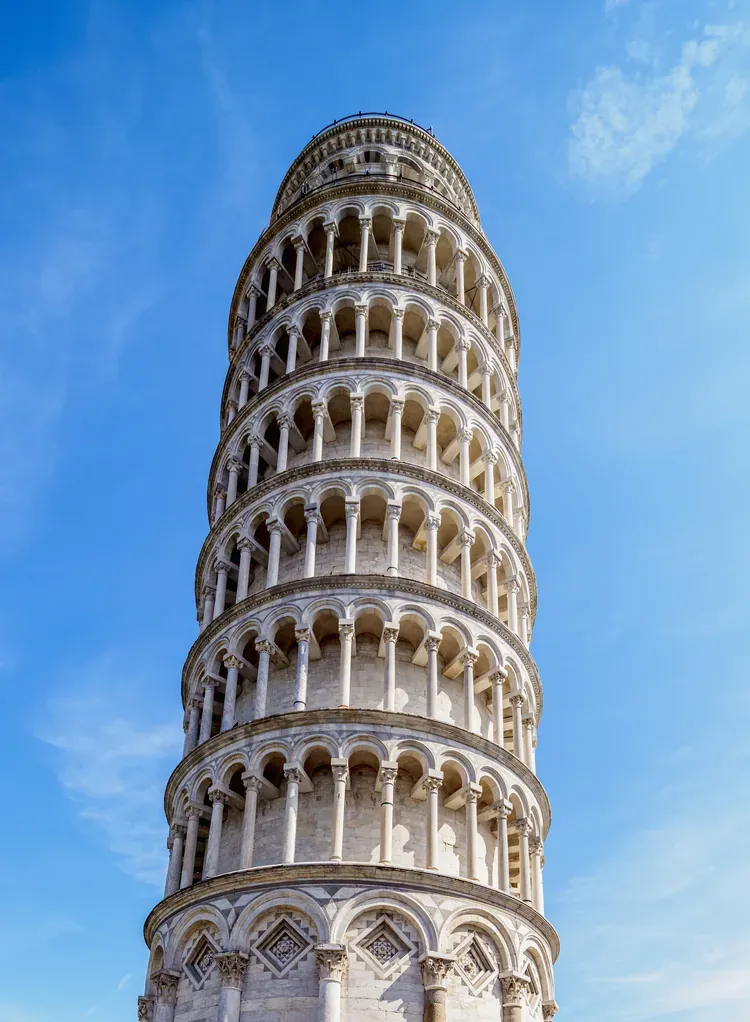
| Why it stands out | Piazza del Duomo, inscribed in 1987, groups cathedral, baptistery, cemetery and leaning campanile |
| City guide | Walk through Pisa |
| City | Pompeii |
|---|---|
| Best for | History and ancient sites |
| Why it stands out | A Roman town buried by Vesuvius in AD 79, inscribed by UNESCO in 1997 |
| City guide | Tour the ruins of Pompeii |
| City | Windsor |
|---|---|
| Best for | History and ancient sites |
| Why it stands out | Windsor Castle, founded by William the Conqueror around 1070, is still an occupied royal residence |
| City guide | Spend a day in Windsor |
| City | Savannah |
|---|---|
| Best for | History and ancient sites |
| Why it stands out | Laid out in 1733 by James Oglethorpe on a grid of squares, 22 of which survive |
| City guide |
| City | Antalya |
|---|---|
| Best for | Beach and island escapes |
| Why it stands out | The Turquoise Coast base, with walled Kaleiçi and the Roman ruins of Perge and Aspendos |
| City guide | Sights and days out in Antalya |
| City | Miami |
|---|---|
| Best for | Beach and island escapes |
| Why it stands out | The Ocean Drive Art Deco district faces the beach, with Little Havana and Wynwood inland |
| City guide | Three days in Miami |
| City | Ibiza |
|---|---|
| Best for | Beach and island escapes |
| Why it stands out | Inscribed by UNESCO in 1999 for walled Dalt Vila and the island's Posidonia seagrass meadows |
| City guide |
| City | Capri |
|---|---|
| Best for | Beach and island escapes |
| Why it stands out | The Faraglioni sea stacks, the Piazzetta and the Blue Grotto sea cave |
| City guide | Ideas for Capri |
| City | Amalfi |
|---|---|
| Best for | Beach and island escapes |
| Why it stands out | A former maritime republic with a striped cathedral and paper mills on the UNESCO-listed coast |
| City guide | Pick the best of Amalfi |
| City | Positano |
|---|---|
| Best for | Beach and island escapes |
| Why it stands out | Pastel houses stacked down a cliff to the beach, and a local resortwear tradition |
| City guide | Choose which tourist attractions to see in Positano |
| City | Sorrento |
|---|---|
| Best for | Beach and island escapes |
| Why it stands out | Cliffs above the Gulf of Naples, and a base for Capri, Pompeii and the Amalfi Coast |
| City guide | Time well spent in Sorrento |
| City | Venice |
|---|---|
| Best for | Romantic getaways |
| Why it stands out | Venice and its lagoon, inscribed in 1987, are reached on foot or by water only |
| City guide | See Venice highlight by highlight |
| City | Prague |
|---|---|
| Best for | Romantic getaways |
| Why it stands out | A historic centre inscribed in 1992 links Prague Castle to the Old Town across Charles Bridge |
| City guide | Uncover the best of Prague |
| City | Budapest |
|---|---|
| Best for | Romantic getaways |
| Why it stands out | Buda's castle hill faces the Parliament across the Danube, above thermal baths in continuous use |
| City guide | Compare Budapest's tourist attractions |
| City | Sintra |
|---|---|
| Best for | Romantic getaways |
| Why it stands out | A cultural landscape inscribed in 1995 for romantic-era palaces and wooded hills, including Pena Palace |
| City guide | Head for the palaces of Sintra |
| City | Los Angeles |
|---|---|
| Best for | Family adventures |
| Why it stands out | Hollywood, the Griffith Observatory and the Getty Center, plus the region's biggest theme parks |
| City guide | Find your way around Los Angeles |
| City | Atlanta |
|---|---|
| Best for | Family adventures |
| Why it stands out | Centennial Park District pairs the Georgia Aquarium with the World of Coca-Cola near Auburn Avenue |
| City guide | Get your bearings in Atlanta |
| City | Tampa |
|---|---|
| Best for | Family adventures |
| Why it stands out | Busch Gardens sits beside Ybor City, a historic district built on the cigar-making trade |
| City guide |
| City | Rio de Janeiro |
|---|---|
| Best for | Nature and scenery |
| Why it stands out | Christ the Redeemer, one of the New7Wonders named in 2007, looks over Sugarloaf and Copacabana |
| City guide | Take in Rio de Janeiro's beaches and peaks |
| City | Niagara Falls |
|---|---|
| Best for | Nature and scenery |
| Why it stands out | The Horseshoe Falls averages 57 m, and over 168,000 cubic metres cross the crestline each peak minute |
| City guide | See the falls from Niagara Falls |
| City | Bergen |
|---|---|
| Best for | Nature and scenery |
| Why it stands out | Gateway to the Norwegian fjords, with the Hanseatic wharf Bryggen inscribed by UNESCO in 1979 |
| City guide | Start a fjord trip in Bergen |
| City | Ottawa |
|---|---|
| Best for | Nature and scenery |
| Why it stands out | Parliament Hill and its 92.2 m Peace Tower stand above the UNESCO-listed Rideau Canal |
| City guide |
The 20 most popular monuments in the world
The 20 entries below appear in a set order that mixes regions on purpose. The selection spans types of place too: ancient ruins, city skylines and modern icons, royal palaces that now work as landmark museums and galleries, and sacred architecture from both East and West. A few are interesting landmarks for their engineering, others for their age or their setting. Together they show how far apart the world's global landmarks sit in date, purpose and scale.
Sagrada Familia, Barcelona
Work began on 19 March 1882 to a Neo-Gothic plan by Francisco de Paula del Villar. He resigned a year later and Antoni Gaudí reworked the project entirely, staying with it until his death in 1926. UNESCO listed it in 1984 within the Works of Antoni Gaudí, and Benedict XVI consecrated it as a minor basilica in 2010. The Tower of Jesus Christ reached 172.5 m in February 2026, with its viewing platform due in 2027. A dedicated site collects tickets and visiting guides for the Sagrada Familia.
Eiffel Tower, Paris
Gustave Eiffel and his team raised the tower for the 1889 Exposition Universelle, finishing the work in 2 years, 2 months and 5 days between 1887 and 1889. It stands 330 m tall. The tower is not listed by UNESCO on its own, but it sits inside the Paris, Banks of the Seine property. Its operator describes it as the world's most visited paid monument, with around 7 million visitors a year. Travelers can plan a visit to the Eiffel Tower before arriving.
Acropolis of Athens
The Parthenon went up between 447 and 432 BC inside the building programme directed by Pericles, with Iktinos and Kallikrates as architects and Pheidias supervising the sculpture. UNESCO inscribed the rock in 1987. Much of the surviving Parthenon sculpture is no longer on the hill itself, and is displayed instead in the Acropolis Museum, which opened in 2009. A separate page explains how to visit the Acropolis and what the ticket covers.
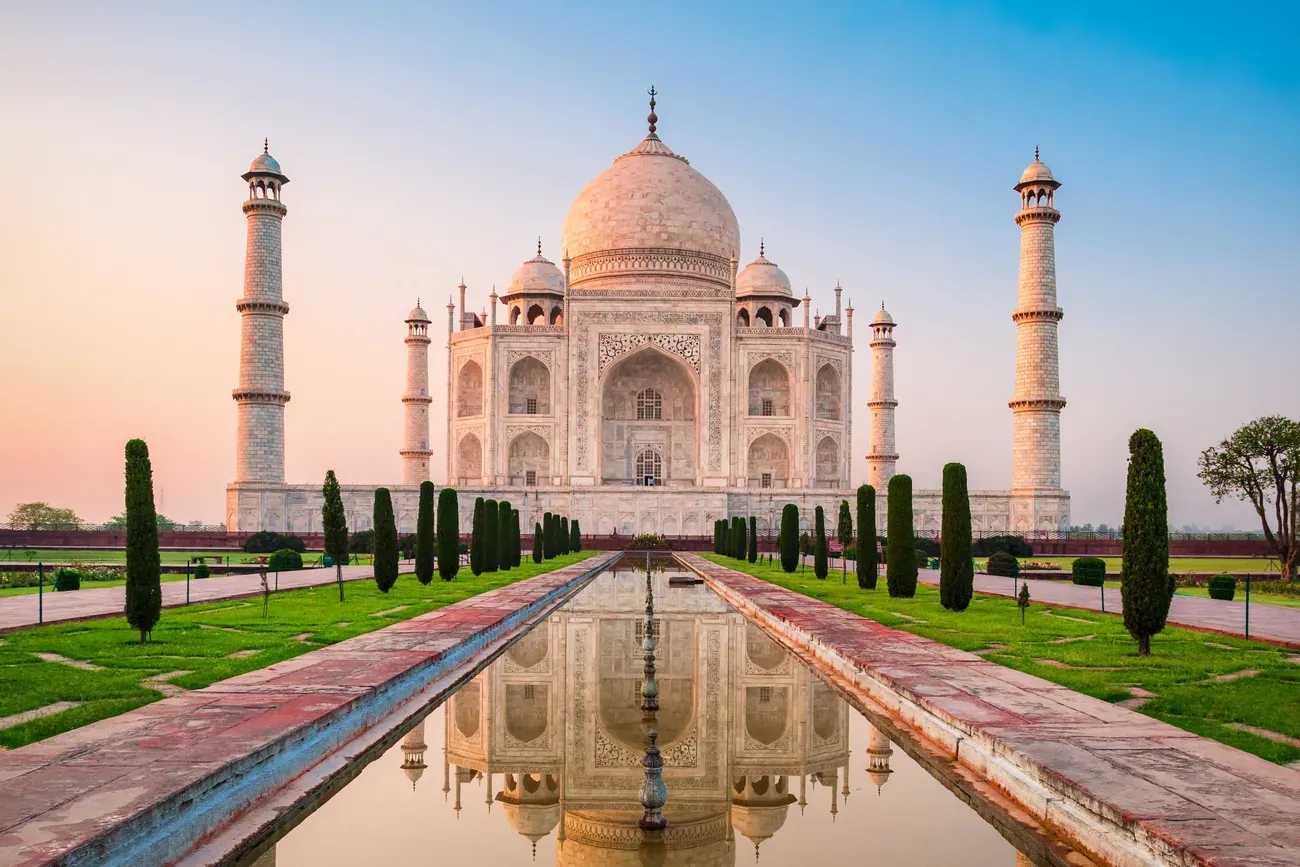
Taj Mahal, Agra
The Mughal emperor Shah Jahan commissioned the mausoleum in 1631 for his queen Mumtaz Mahal. Building started in 1632, the main tomb was finished in 1648 and the wider complex by 1653, with Ustad Ahmad Lahauri most often credited as principal designer of a team effort. UNESCO inscribed it in 1983. The outer dome rises 44.4 m while the inner dome stops at 24.35 m, so the vault above the tomb chamber sits far below the silhouette seen from the garden.
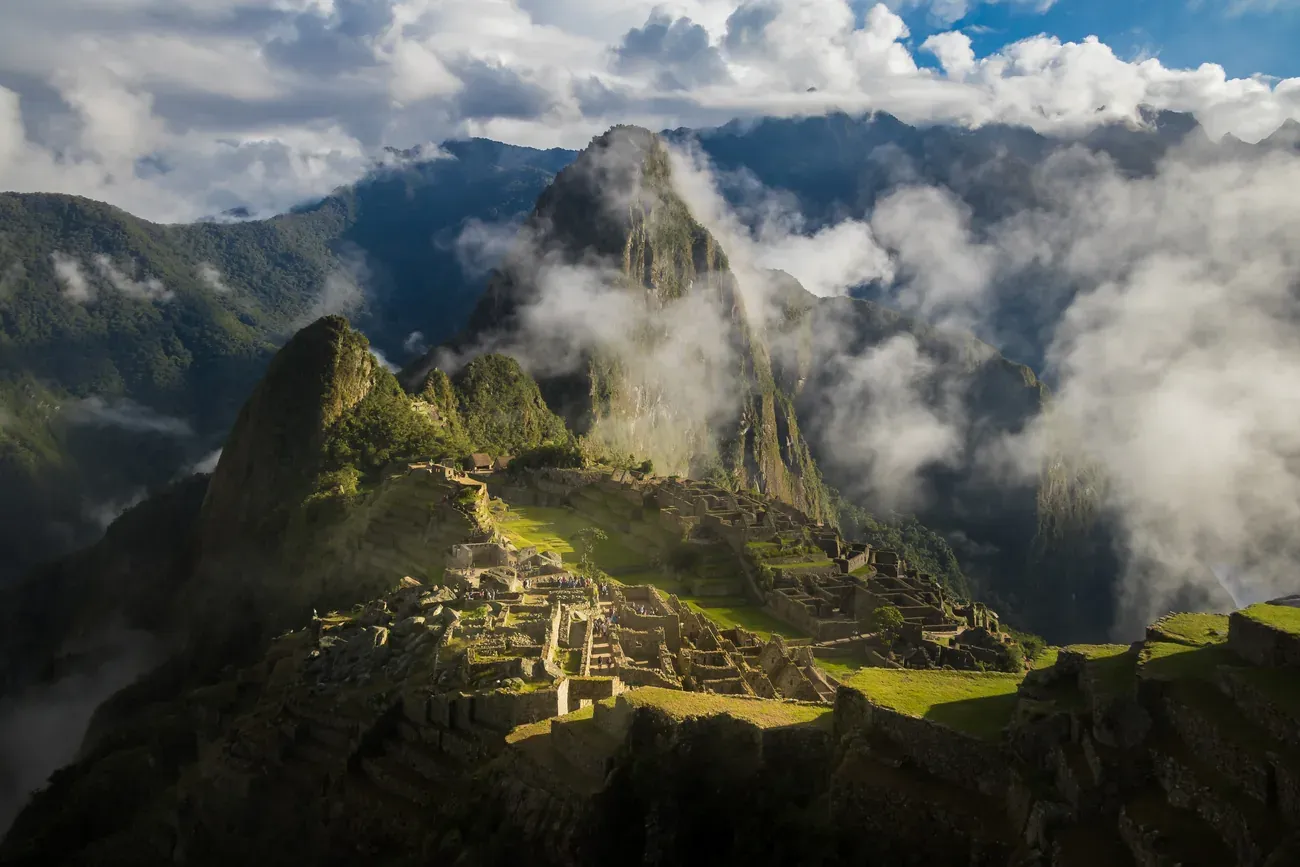
Machu Picchu
A 15th-century Inca citadel linked to the ruler Pachacutec, Machu Picchu sits at 2,430 m in Peru. UNESCO inscribed it in 1983 as the Historic Sanctuary of Machu Picchu, and it was named one of the New7Wonders of the World in 2007. Daily access is capped, since the Ministry of Culture sets a base capacity of 4,500 visitors a day, lifted on a fixed list of high-season dates, so entry is tied to a chosen circuit.
Pyramids of Giza
The Great Pyramid was raised as the tomb of Pharaoh Khufu in the Fourth Dynasty, dated by convention to roughly 2589 to 2566 BC. It originally stood about 146.5 m, and the loss of its outer casing stones has left it lower today. UNESCO inscribed the plateau in 1979 as Memphis and its Necropolis, the Pyramid Fields from Giza to Dahshur. In 2007 the pyramid received honorary status alongside the New7Wonders of the World rather than being voted in, because it alone survives from the ancient list.
Blue Mosque, Istanbul
Sedefkâr Mehmed Ağa built the mosque between 1609 and 1617 for Sultan Ahmed I, giving it six minarets, an unprecedented number for an Ottoman mosque at the time. It stands inside the Historic Areas of Istanbul, inscribed by UNESCO in 1985. The popular name misleads slightly, since the blue is inside: the İznik tilework lining the prayer hall rather than the exterior. There are practical notes on the Blue Mosque for first-time visitors.
Colosseum, Rome
Vespasian commissioned the amphitheatre around AD 70 to 72, his son Titus inaugurated it in AD 80 and Domitian added to it afterwards. Romans knew it as the Flavian Amphitheatre, after the dynasty that built it. It stands inside the Historic Centre of Rome, inscribed by UNESCO in 1980, and was named one of the New7Wonders of the World in 2007. The Parco Archeologico del Colosseo recorded 14,733,395 entries in 2024 across its four parts. A companion site sets out Colosseum entry options.
Statue of Liberty, New York
Frédéric-Auguste Bartholdi sculpted Liberty Enlightening the World, and Gustave Eiffel engineered the internal framework that holds it up. It was dedicated on 28 October 1886 and inscribed by UNESCO in 1984. From the ground to the tip of the torch it measures 305 ft 1 in, with the figure itself 151 ft 1 in above a 154 ft pedestal. Few famous international landmarks arrived in pieces: the statue crossed the Atlantic disassembled into 350 parts packed in 214 crates, reaching New York Harbor on 17 June 1885.
Mont-Saint-Michel
The abbey traces its origin to 708, when Bishop Aubert founded an oratory after a vision of the archangel Michael, and a Benedictine community was installed in 966 by Duke Richard I of Normandy. UNESCO inscribed Mont-Saint-Michel and its Bay in 1979. The gilded copper archangel crowning the spire is far younger than it looks, since Emmanuel Frémiet's 4.5 m figure was placed there in 1897, on a neo-Gothic spire of the same century. Full detail on visiting the abbey at Mont-Saint-Michel sits on its own page.
Milan Cathedral
Construction began in 1386, and the Veneranda Fabbrica del Duomo, founded in 1387, still runs the conservation work today. The gilded Madonnina was placed in 1774 and stands at 108.5 m. Approximately 3,400 statues cover the building. The cathedral is not on the UNESCO list, and it has never had a finished date in the ordinary sense, since the same body has been completing and maintaining it for more than six centuries. A guide to seeing Milan Cathedral up close covers the roof terraces.
Alhambra, Granada
Building started in 1238 under Muhammad I, founder of the Nasrid dynasty, and the palaces peaked in the 14th century, when Yusuf I added the Comares Palace and Muhammad V the Palace of the Lions. UNESCO listed it in 1984 as Alhambra, Generalife and Albayzín, Granada, extended in 1994. The property reaches past the hilltop to the Generalife gardens and the Albayzín opposite, so the classic view sits inside it. It drew 2,725,612 visitors in 2024. One page covers booking a route through the Alhambra.
Grand Palace, Bangkok
King Rama I founded the palace in 1782 as the seat of the new Chakri dynasty, and Wat Phra Kaew, the Temple of the Emerald Buddha, was built inside the walls a year later. The complex covers approximately 218,400 square metres and carries no UNESCO listing. It also remains a working seat of state, since the Bureau of the Royal Household keeps offices in the grounds, which is why parts of the complex can close without notice for ceremonies.
Tian Tan Buddha, Hong Kong
Po Lin Monastery coordinated the project, and the seated bronze Buddha was inaugurated on 29 December 1993. It stands 34 m tall on Lantau Island, reached by 268 steps from the plaza below, with a road for visitors with mobility needs. There is no UNESCO listing. Barely three decades old, it is among the youngest landmarks here, and it was built as a modern statement rather than inherited from an older age.
Buckingham Palace, London
The core of the building went up in 1703 as Buckingham House for the Duke of Buckingham, and John Nash turned it into a palace for George IV from the 1820s. It holds 775 rooms in total, among them 19 state rooms, 52 royal and guest bedrooms, 188 staff bedrooms and 78 bathrooms. As a popular landmark it is unusually restricted, since only those 19 State Rooms open to visitors, and only during the summer opening run by the Royal Collection Trust.
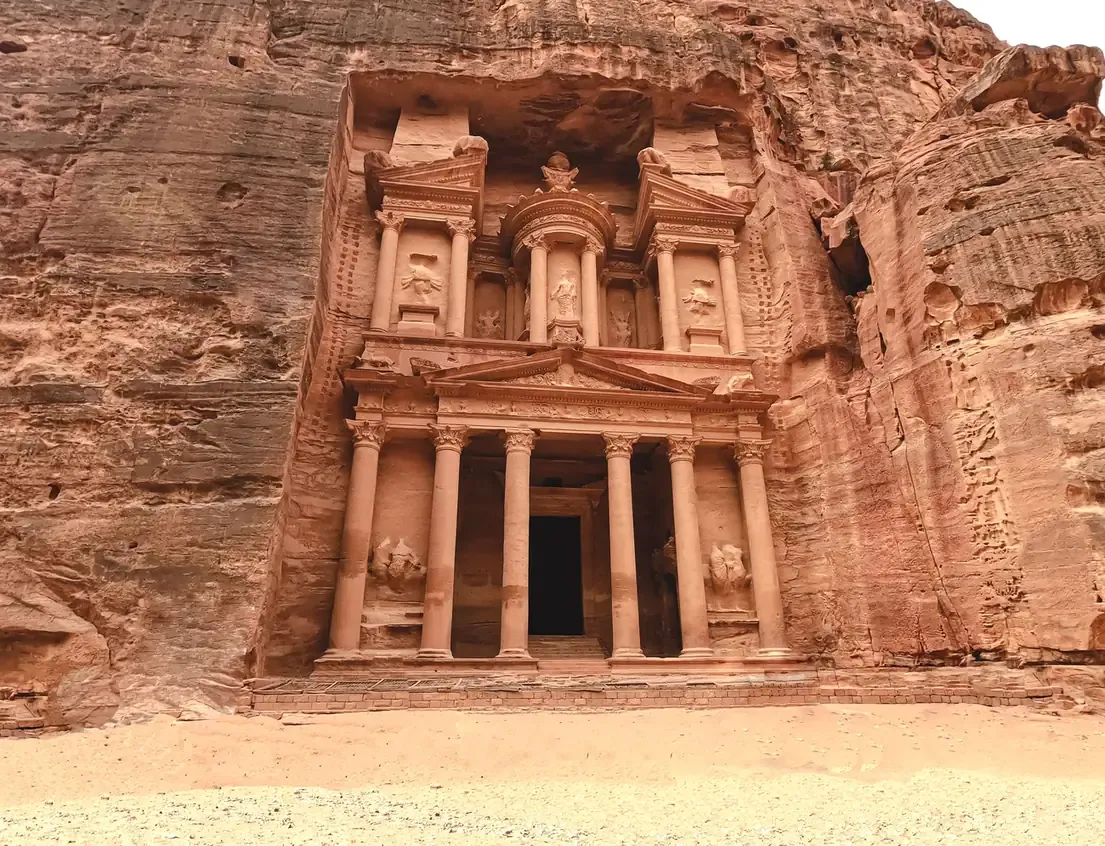
Petra
Petra was the capital of the Nabataean kingdom, its monuments carved directly into sandstone cliffs. Al-Khazneh, the Treasury, dates to the 1st century BC or 1st century AD and is widely identified as the tomb of King Aretas IV. It stands 39.5 m high. UNESCO inscribed the site in 1985, and it was named one of the New7Wonders of the World in 2007. Europe knew nothing of the city until the Swiss explorer Johann Ludwig Burckhardt reached it in 1812.
Chichén Itzá
El Castillo, the Temple of Kukulcán, is a stepped pyramid 30 m high with four staircases of 91 steps each, which with the top platform total 365, the days of the year. UNESCO inscribed the city in 1988 and it joined the New7Wonders of the World in 2007. The light and shadow descent of Kukulcán is not limited to the two equinox days, since the pattern builds gradually across much of the year. Climbing is prohibited, and INAH widened the delimited area around the pyramid in April 2025.
Angkor Wat
King Suryavarman II built Angkor Wat between 1113 and 1150 as a state temple and mausoleum dedicated to Vishnu. The temple occupies 162.6 hectares and is enclosed by a moat 190 m wide, and it is widely described as the largest religious monument in the world. UNESCO inscribed the wider Angkor property in 1992. It began as a Hindu temple and was later converted to Buddhist use, so the dedication to Vishnu predates the worship carried on there today.
Sydney Opera House
Danish architect Jørn Utzon won the international design competition in 1957. Construction began in 1959, Utzon resigned in 1966 and another team finished the building, which Queen Elizabeth II opened on 20 October 1973. UNESCO inscribed it in 2007. The shells carry 1,056,006 tiles, and they became buildable only when the roof geometry was redrawn as sections of a single sphere.
Great Wall of China
A survey run between 2007 and 2012 catalogued 43,721 heritage sites across 15 provinces, autonomous regions and municipalities, and set the wall's recorded total length at 21,196.18 km. UNESCO inscribed it in 1987, and it was named one of the New7Wonders of the World in 2007. The total is unusual among important landmarks in the world, because it counts wall segments, trenches, defensive structures and natural barriers built by many dynasties, rather than a single unbroken line.
Best viewpoints for the famous sights in the world
Each monument in the list below has one spot that gives its defining view, and several of those spots sit inside a ticketed site.
- Sagrada Familia: Plaça de Gaudí, a free public park north-east of the basilica whose central pond returns the symmetrical reflection of the Nativity façade.
- Eiffel Tower: The Trocadéro esplanade at the Palais de Chaillot, the terrace between its two wings, directly across the Seine from the tower. Free and open-air.
- Acropolis: Filopappou Hill, a pine-covered hill south-west of the rock with an open view across the valley to the Parthenon. The Areopagus below the entrance is the nearest alternative.
- Taj Mahal: Mehtab Bagh, a restored Mughal charbagh on the north bank of the Yamuna directly opposite the mausoleum. Ticketed ASI monument, open sunrise to sunset.
- Machu Picchu: The Guardhouse on the upper terraces, reached on Panoramic Circuit 1, Route 1-B. The ticket for that circuit has to be bought in advance.
- Pyramids of Giza: The panoramic viewpoint on the plateau south-west of the complex, the one place where Khufu, Khafre and Menkaure align in a single frame. Included in admission.
- Blue Mosque: Sultanahmet Park, the landscaped strip between the mosque and Hagia Sophia, with a central fountain on the axis between the two buildings. The Hippodrome is the alternative.
- Colosseum: Colle Oppio park on the Oppian Hill, facing the amphitheatre's north-west flank. The small Giardinetto del Monte Oppio terrace inside gives the most direct angle. Free.
- Statue of Liberty: The Staten Island Ferry, free between Whitehall Terminal and St George, passes the statue without stopping. No ticket exists, so anyone selling one is a scam.
- Mont-Saint-Michel: The Barrage du Couesnon platform, a dam with wooden terraces beside the Place du Barrage shuttle stop, giving the full panorama of the Mont and its bay. Free.
- Milan Cathedral: Sala Fontana, the top-floor room of the Museo del Novecento on Piazza del Duomo, whose full-height window frames the façade. Ticketed museum with a panoramic terrace.
- Alhambra: Mirador de San Nicolás in the Albaicín, a free terrace beside the church of San Nicolás facing the Alhambra hill with the Sierra Nevada behind.
- Grand Palace: Sanam Luang, the royal ceremonial ground in front of the palace, open ground that takes in the walls and the spires of Wat Phra Kaew.
- Tian Tan Buddha: The ticketed Ngong Ping 360 cable car, a 25-minute ride giving the approach view. Bus 23 is the alternative, and the Wisdom Path is closed for refurbishment.
- Buckingham Palace: The Blue Bridge in St James's Park, a free footbridge across the lake. Looking west it frames the palace above the water.
- Petra: The Al-Khubtha Trail viewpoint, a marked route from the Royal Tombs climbing rock-cut steps to a cliff platform above Al-Khazneh. No extra ticket beyond site entry.
- Chichén Itzá: The Great Plaza at the north face of El Castillo, the only vantage point available, since climbing is prohibited and INAH widened the delimited area in April 2025.
- Angkor Wat: The northern reflecting pond, left of the temple from the western entrance, holds the reflection at sunrise. An Angkor pass is required and the park opens at 05:00.
- Sydney Opera House: Mrs Macquarie's Point in the Royal Botanic Garden, a free sandstone point where the view west lines the Opera House up with the Harbour Bridge.
- Great Wall: The Mutianyu section north-east of Beijing, a ticketed restored stretch reached by cable car or chairlift, with long ridgeline views of the wall across forested hills.